
Alex Yeager
Alex Yeager is a California-born cannabis writer who learned the plant before the modern cannabis industry took shape. Raised on the Monterey Peninsula with roots in the pre-helicopter grow days of Big Sur, he’s spent more than a decade covering strains, science, and cannabis politics with a practiced skepticism for hype and official stories. When he’s not making pottery or riding trails, he’s still chasing the same thing — what’s real, what works, and what doesn’t survive scrutiny.
211 Contributions
Showing page 2 of 22
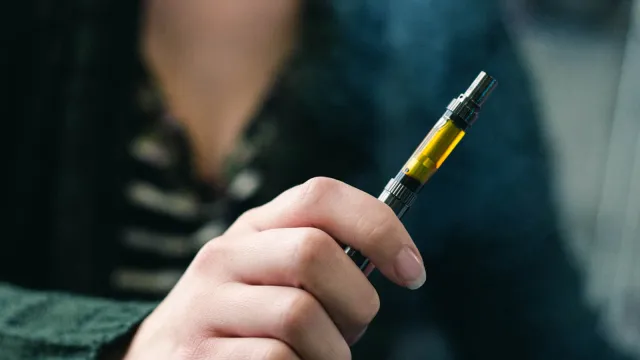
Do weed pens expire? Here's what you need to know
Weed pens don't expire on one universal schedule, but their oil and hardware can deteriorate with age. Check the manufacture or expiration date and replace a cart if the oil changes unexpectedly, the cartridge leaks or appears damaged, or the vapor tastes burnt, metallic, or...
Read More
The parent reset: cannabis routines when kids go back to school
When kids go back to school, parents get their time back. The best cannabis routines for parents are built around the natural windows the school year creates — the quiet hour after morning drop-off, the evening after homework is done and everyone's in bed, or...
Read More
Can you use a credit card at a dispensary?
No, most dispensaries don't accept standard credit cards because cannabis remains federally illegal and major card networks prohibit cannabis purchases. Bring cash, a debit card, or use a bank-linked payment app if the dispensary supports one. If you're wondering, can you use a credit card...
Read More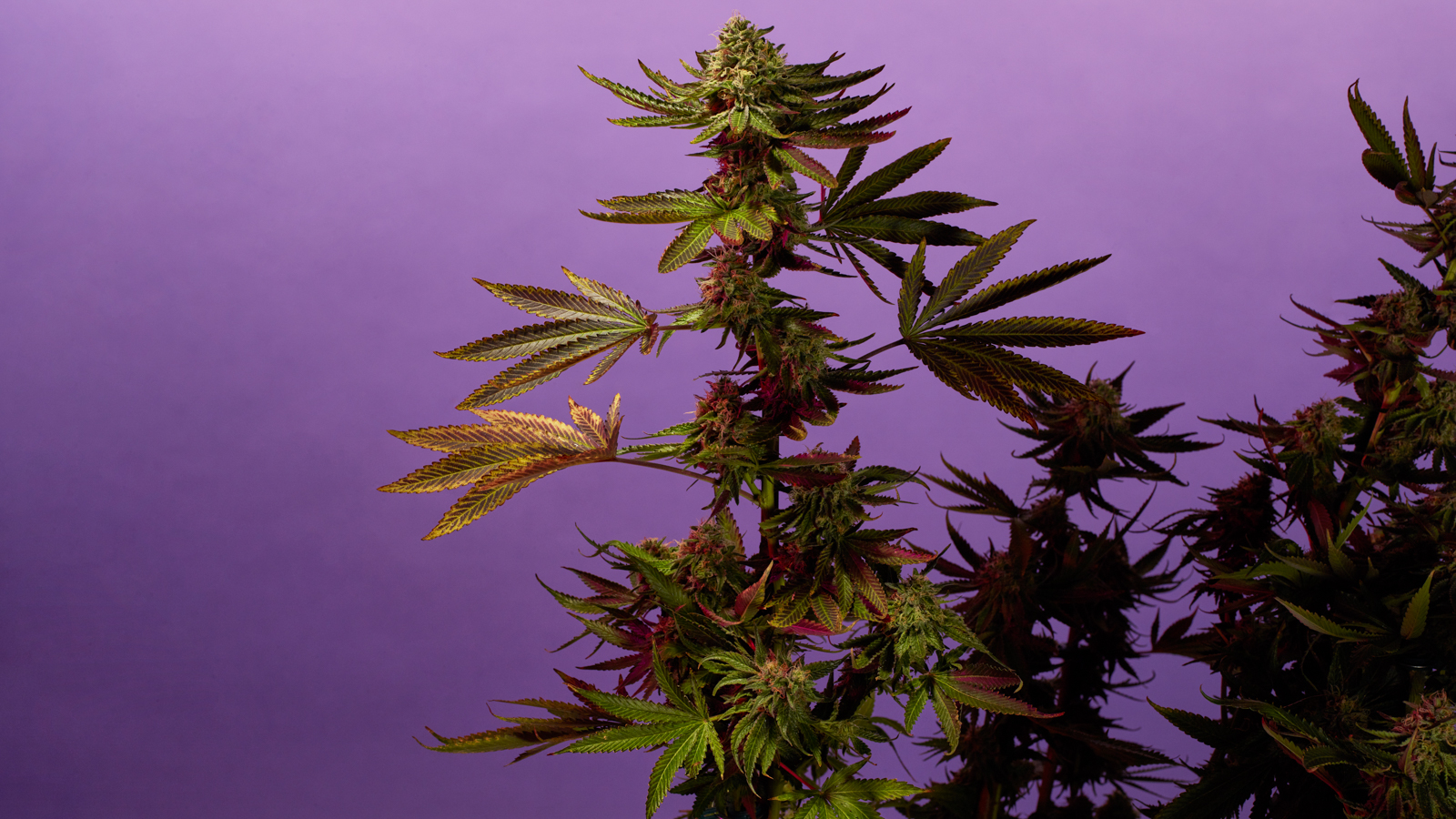
Purple strains of weed: what makes them purple and which ones to try
Purple cannabis gets its color from anthocyanins — the same natural pigments that color blueberries and red cabbage. Not every strain can turn purple; it depends on genetics first, and cooler temperatures during flowering (specifically a range around 8–15°C) second. Color has no effect on...
Read More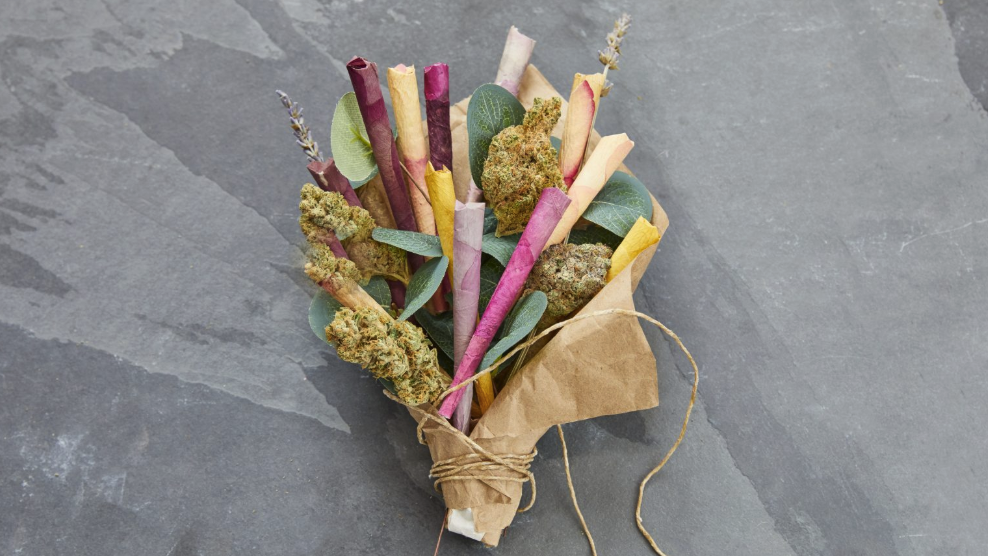
How to plan a cannabis wedding: venues, bud bars, and legal must-knows
Curious how a cannabis wedding actually works? Get the legal basics, bud bar setup tips, safe dosing advice, and creative ways to weave cannabis into your big day. Cannabis weddings are having a moment, and for good reason: they let couples celebrate in a way...
Read More
What are RSO edibles? A plain-English guide to Rick Simpson Oil edibles
RSO edibles are foods, gummies, capsules, or other cannabis products infused with Rick Simpson Oil (RSO), a concentrated cannabis extract that's typically high in THC. Like other THC edibles, their intensity and duration depend primarily on the dose, formulation, and consumer—not simply on the presence...
Read More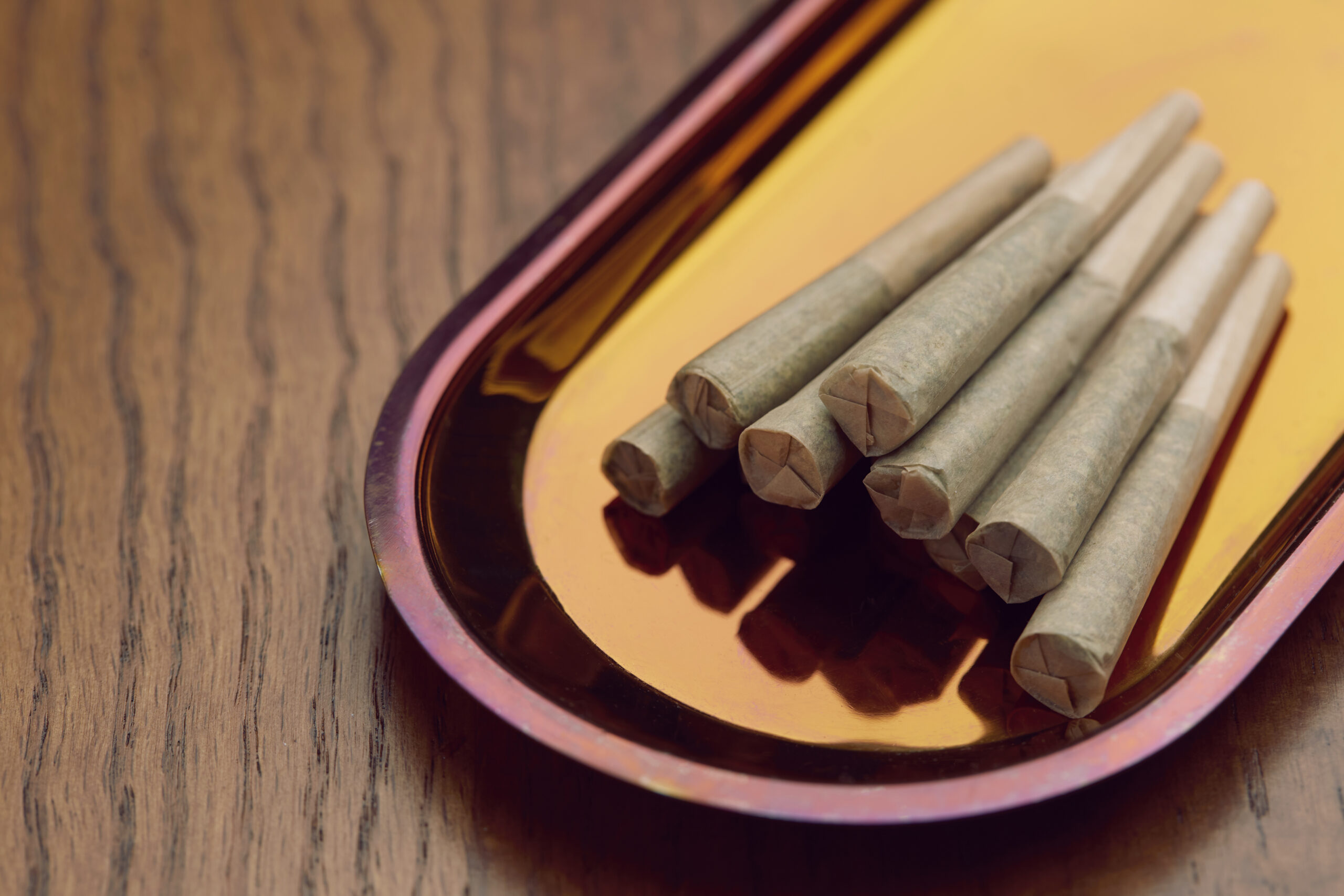
How Long Do Pre-Rolls Last?
That forgotten joint in the back of your drawer may still light, but its smell, texture, and packaging reveal whether it's worth smoking—or ready for the trash. If you're wondering how long pre-rolls last, the short answer is six to 12 months, provided they're stored...
Read More
How to keep weed fresh
If you've ever opened a jar of cannabis only to find dry, flavorless flower, you're not alone. Learn how controlling light, heat, humidity, and air with the right container and storage location can help prevent dryness, potency loss, and mold while preserving your flower's aroma,...
Read More
Liquid diamonds vs live resin: what's the difference?
Liquid diamonds chase concentrated potency, while live resin puts fresh-frozen flavor and aroma first. Knowing how each is formulated can help you look past the marketing and choose the concentrate that fits your priorities. Liquid diamonds and live resin can start in the same place:...
Read More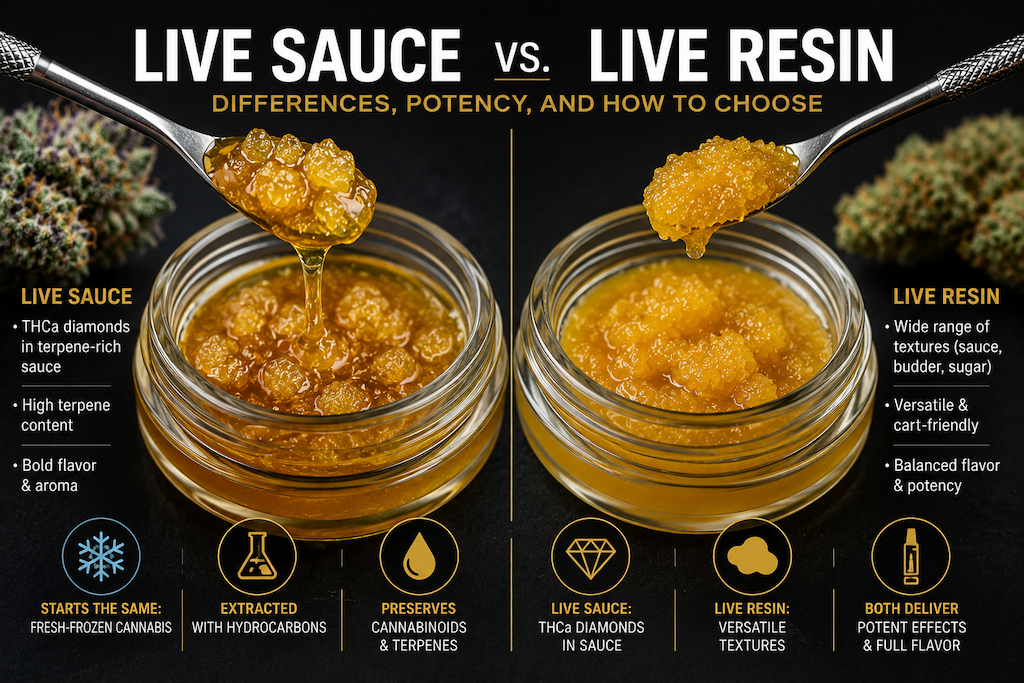
Live sauce vs live resin: what's the difference and which should you choose?
Both live sauce vs live resin comparisons start in the same place: fresh-frozen cannabis harvested and frozen immediately after cutting to help preserve cannabinoids and aromatic terpenes. That's why they're often grouped together, but they're not exactly the same product. Live sauce is essentially a...
Read MoreThe information contained in this site is provided for informational purposes only, and should not be construed as medical or legal advice.