
Alex Yeager
Alex Yeager is a California-born cannabis writer who learned the plant before the modern cannabis industry took shape. Raised on the Monterey Peninsula with roots in the pre-helicopter grow days of Big Sur, he’s spent more than a decade covering strains, science, and cannabis politics with a practiced skepticism for hype and official stories. When he’s not making pottery or riding trails, he’s still chasing the same thing — what’s real, what works, and what doesn’t survive scrutiny.
211 Contributions
Showing page 6 of 22
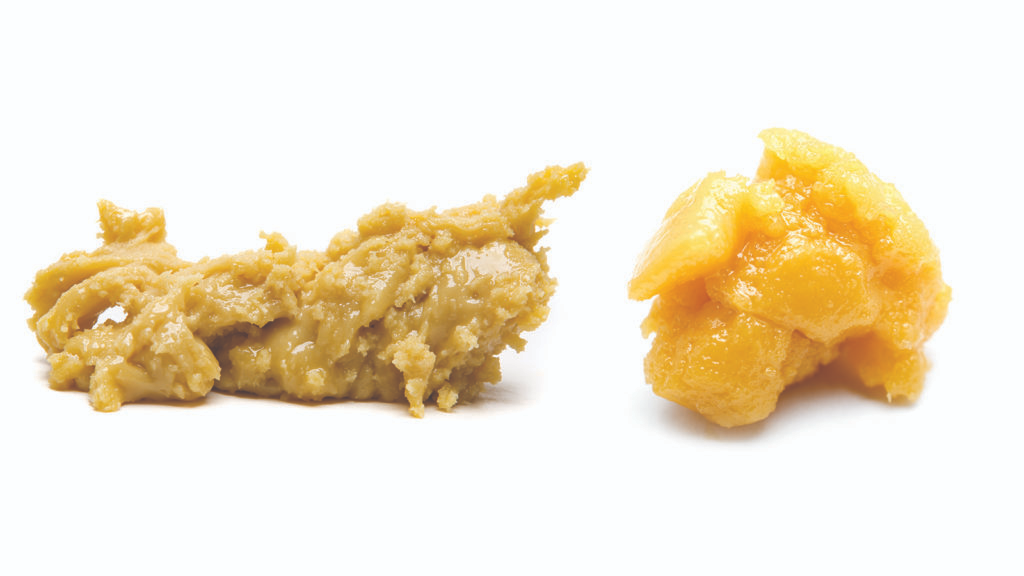
Whipped, soft, or somewhere between: what separates badder from budder
Badder and budder are both soft concentrates, but whipping, aeration, and terpene retention change how they spread, melt, and release flavor under heat. Even small texture differences can completely change the dab experience. A lot of concentrates get grouped together as “soft wax,” but badder...
Read More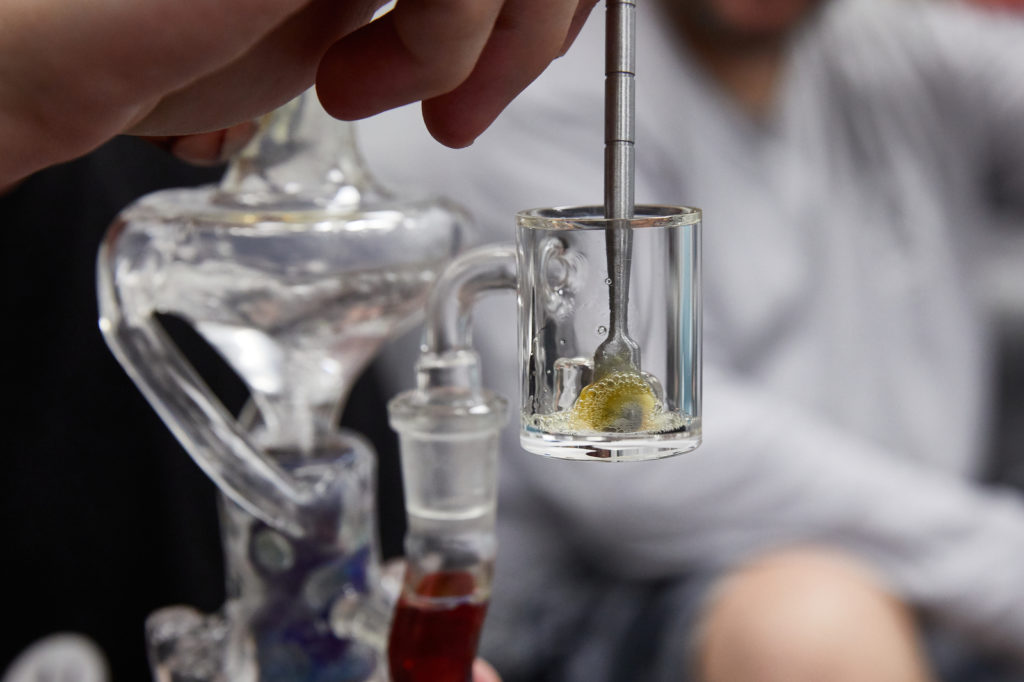
Hard crystals, soft badder: why concentrate consistency changes the experience
Texture determines everything from the first moment heat touches the nail — how fast a concentrate melts, when terpenes release, and whether the dab feels expressive or focused. Badder and diamonds aren't just different to look at. They land differently. Two concentrates made from the...
Read More
When your vape starts talking: the science behind crackling, popping, and spitting
A crackling vape is the sound of oil rapidly heating on the coil. But when popping turns into gurgling or spitback, it means excess oil, airflow imbalance, or overheating is disrupting normal vaporization inside the cartridge. Most vape carts make some noise. A light crackle...
Read More
Not all seeds stay true: why strain stability defines cannabis consistency
A strain name is a label. Strain stability is what makes that label actually mean something. Stable genetics help cultivars deliver recognizable terpene profiles, potency ranges, and predictable effects. Two jars carrying the exact same strain name can produce completely different experiences. One batch may...
Read More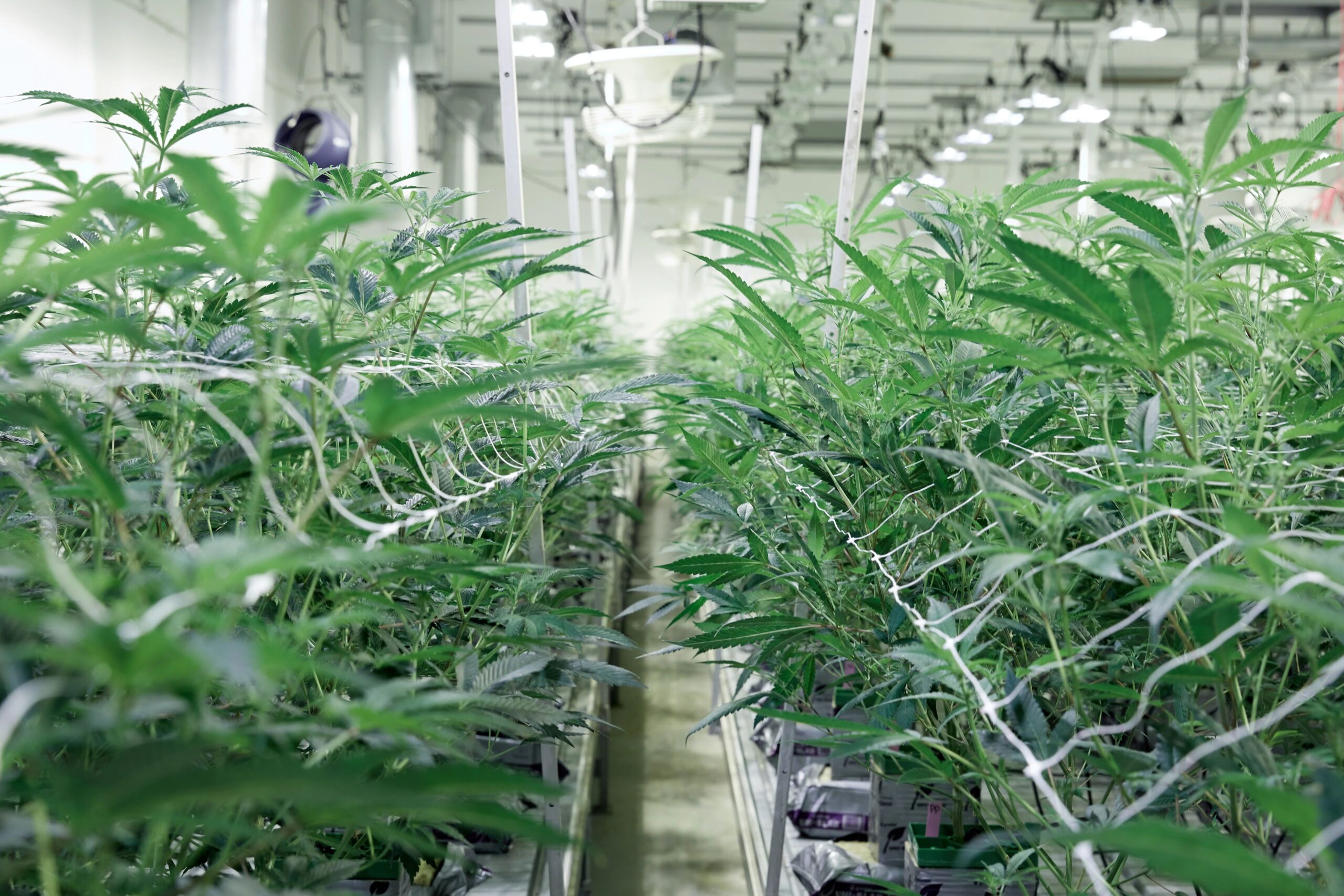
The contamination chain: how heavy metals move from grow medium to finished cannabis products
Heavy metals do not suddenly appear in cannabis at the end of production. They move through the entire chain, from soil and irrigation water to roots, flower tissue, extraction equipment, and finished products. People usually imagine contamination as one big mistake. A dirty batch. A...
Read More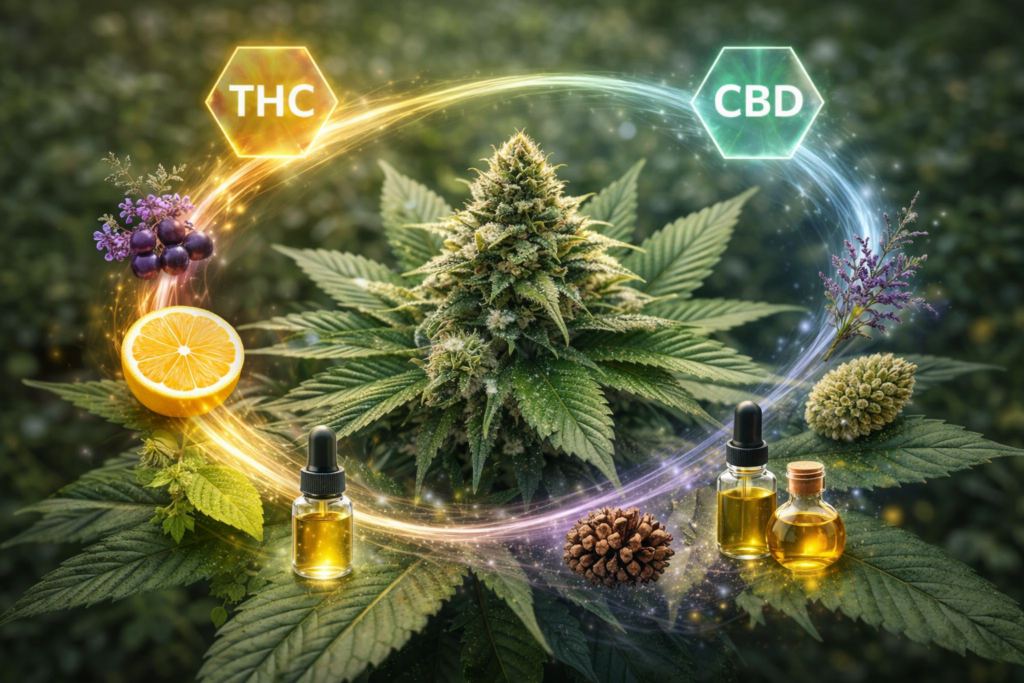
What cannabinoid ratios actually do — and why the ratio matters more than the number
A high-THC product is not always the best experience. Cannabinoid ratios change how a cannabis product actually lands, shaping intensity, clarity, body feel, and mental pacing instead of just raw potency. A 30% THC vape can feel weirdly flat while a balanced 1:1 gummy feels...
Read More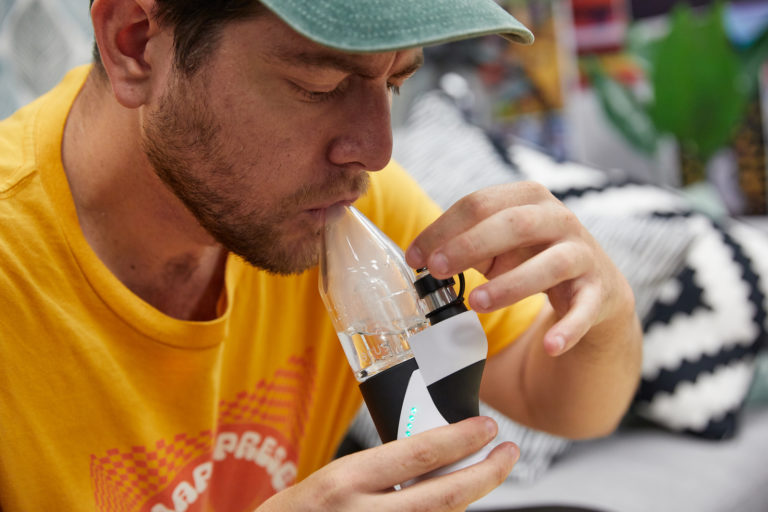
The potency problem: why THC percentage accuracy is harder than it looks
THC percentages look precise, but one lab result cannot perfectly represent an entire batch. Sampling differences, lab methods, storage conditions, and terpene loss all affect how strong cannabis actually feels. People scan the label, find the highest THC percentage, and assume that's automatically the strongest...
Read More
COA red flags that separate clean weed from sketchy products
A cannabis COA can reveal far more than THC percentage. Missing contaminant panels, recycled batch reports, inflated potency claims, and weak lab data are often easier to spot than most consumers realize once you know where to look. Most shoppers glance at THC percentage and...
Read More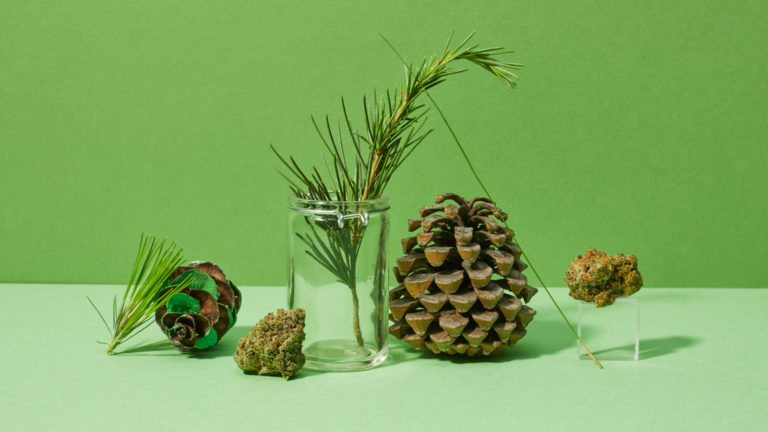
Pinene and perception: why some cannabis feels sharper, brighter, and more alert
Pinene-rich cannabis feels sharper because its piney terpene profile can support a cleaner, more alert headspace. The effect depends on the full terpene mix, cannabinoid balance, freshness, and dose. Some cannabis feels like turning the lights on upstairs. Not wired. Not jittery. Just clearer, brighter,...
Read More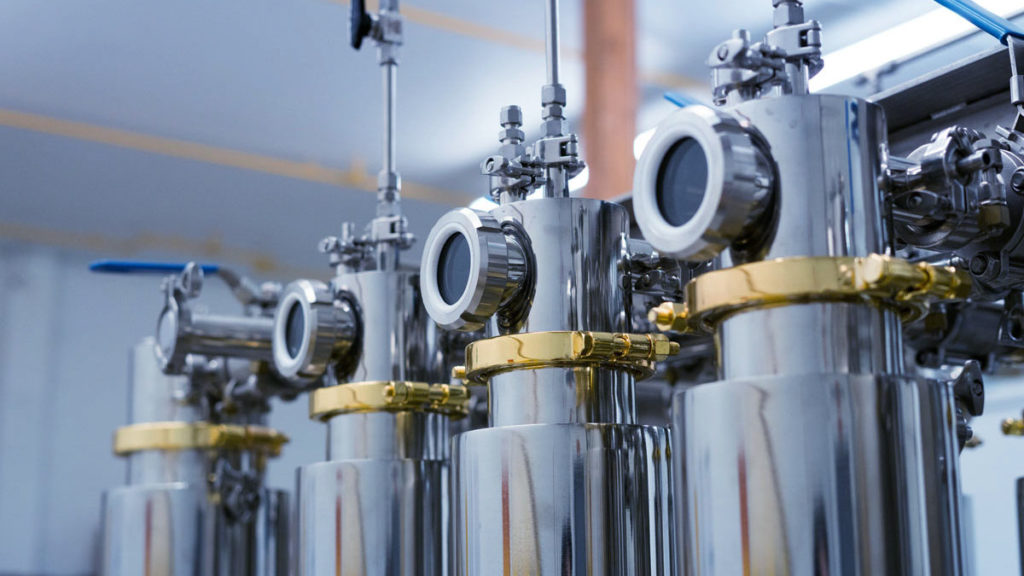
From fresh to fractured: why cannabis concentrates lose stability after processing
Cannabis concentrates do not stop changing after processing ends. Oxygen, heat, light, and agitation continue reshaping cannabinoids and terpenes inside the jar, which is why concentrates can darken, dry out, or lose flavor over time. Concentrates can look perfect on day one and feel completely...
Read MoreThe information contained in this site is provided for informational purposes only, and should not be construed as medical or legal advice.