
Alex Yeager
Alex Yeager is a California-born cannabis writer who learned the plant before the modern cannabis industry took shape. Raised on the Monterey Peninsula with roots in the pre-helicopter grow days of Big Sur, he’s spent more than a decade covering strains, science, and cannabis politics with a practiced skepticism for hype and official stories. When he’s not making pottery or riding trails, he’s still chasing the same thing — what’s real, what works, and what doesn’t survive scrutiny.
211 Contributions
Showing page 1 of 22
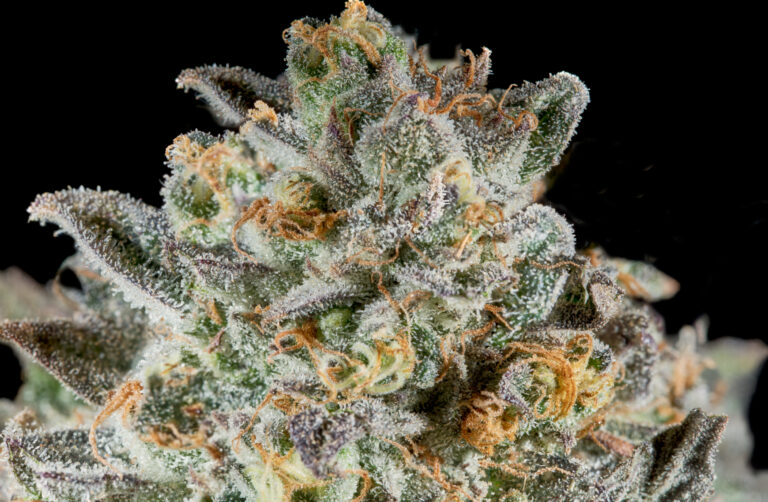
Weed with orange hairs: what those pistils actually mean
Orange hairs are cannabis stigmas, the pollen-catching tips of the female flower. Their shift from white to orange can reflect later development, but it does not reveal how much THC the bud contains. Orange hairs give cannabis serious bag appeal, and shoppers have loaded that...
Read More
Greening out: what it is, what to do, and how to avoid it
Greening out is the informal term people use when they've consumed more cannabis than their body is comfortable handling. The symptoms can hit hard: nausea, dizziness, sweating, anxiety, confusion, or a heart that suddenly feels far too loud. Most episodes fade as the effects of...
Read More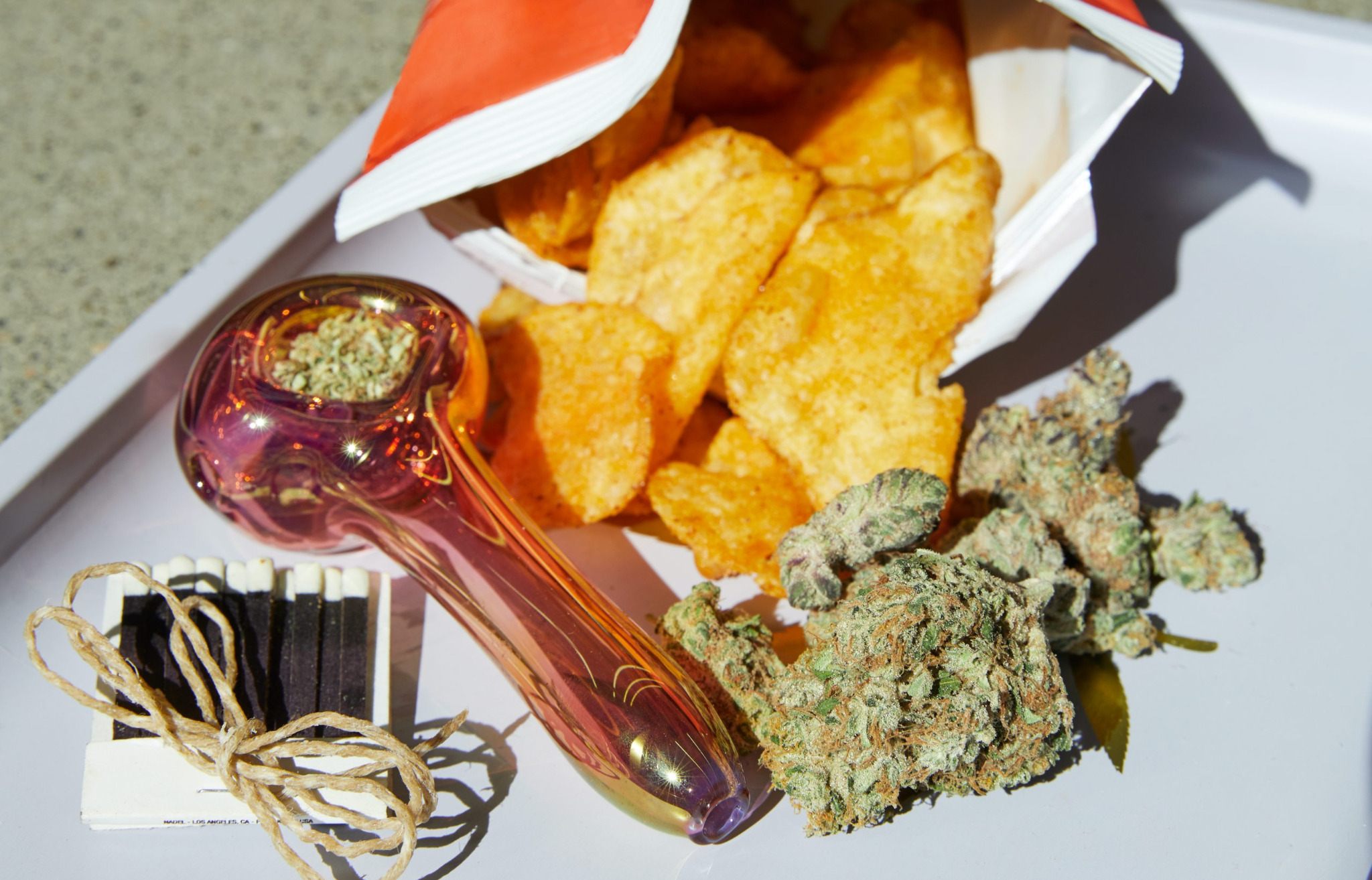
Weed that doesn't make you hungry: strains and cannabinoids that skip the munchies
No specific weed strain can guarantee fewer munchies. THC is the cannabinoid most clearly associated with increased appetite, while THCV and CBD are being studied for different effects on hunger. Checking the cannabinoid panel for the specific batch is more reliable than choosing by strain...
Read More
Low-dose THC drinks: what beginners should know
Low-dose THC drinks typically contain around 2–5 milligrams of THC per serving, offering a milder alternative to higher-dose cannabis beverages. Some fast-acting formulas may produce noticeable effects within 15–30 minutes, but onset, intensity, and duration vary, so check the full-container dose and wait before consuming...
Read More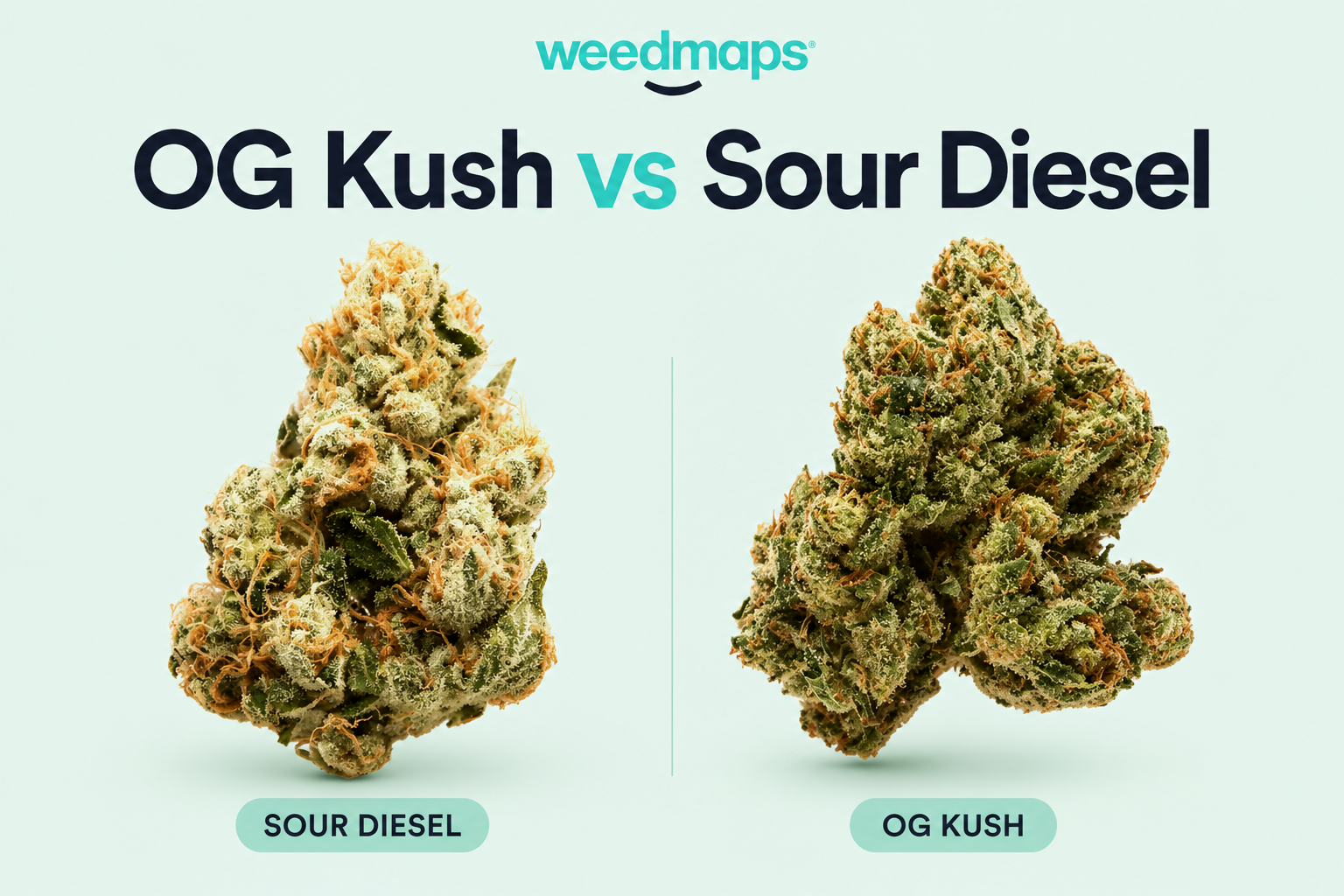
OG Kush vs Sour Diesel: how the two classics actually differ
OG Kush is typically associated with earthy pine, citrus, and relaxing evening effects, while Sour Diesel is known for pungent fuel aromas and an uplifting daytime reputation. Both are high-THC hybrids with disputed origins, and their actual chemistry and effects can vary by batch, dose,...
Read More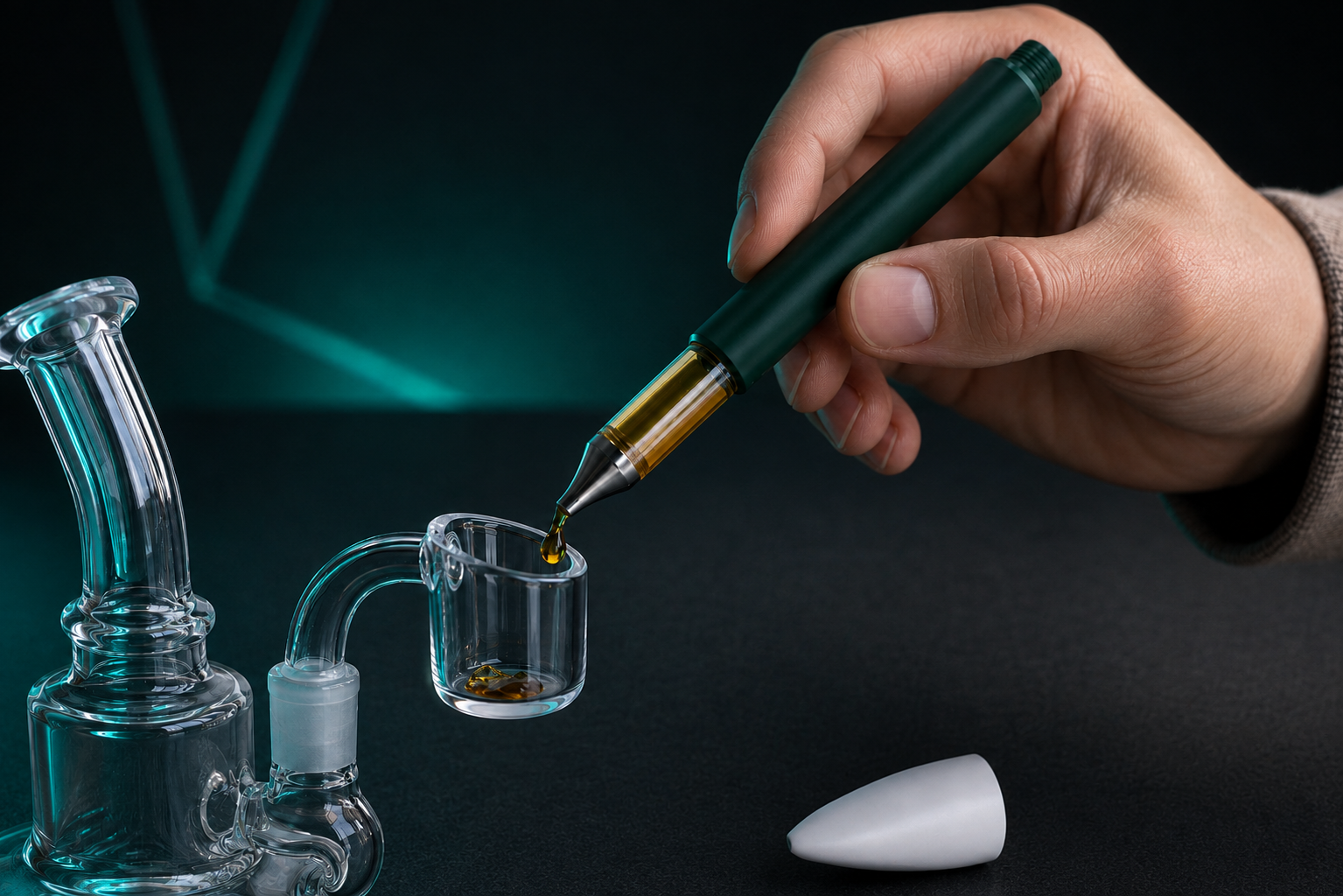
What is a dablicator? A complete guide to using one
Sticky cannabis oil has a talent for landing everywhere except where you want it. A Dablicator solves that problem with a portable applicator that measures and dispenses oil without the usual syringe wrestling match. The oil inside determines what happens next. Depending on the formulation,...
Read More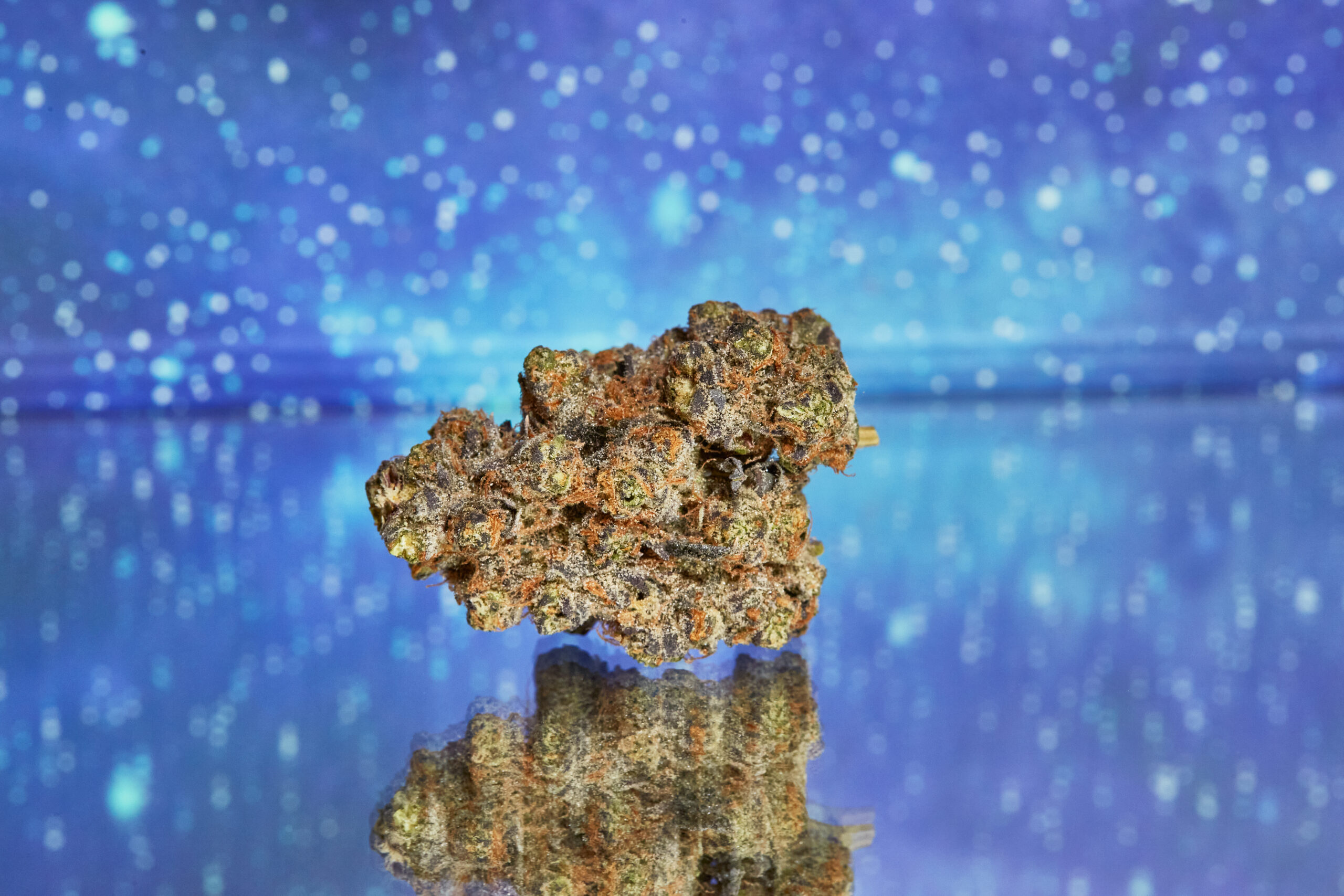
What is zaza smoke? A plain-English guide to the slang, the weed, and the confusion
Zaza, or “za,” is slang for premium or exotic cannabis, so “zaza smoke” means smoking flower considered top-shelf. It isn't an official cannabis grade, strain category, or guarantee of potency, and it shouldn't be confused with non-cannabis ZaZa products containing tianeptine. Zaza (or simply "za")...
Read More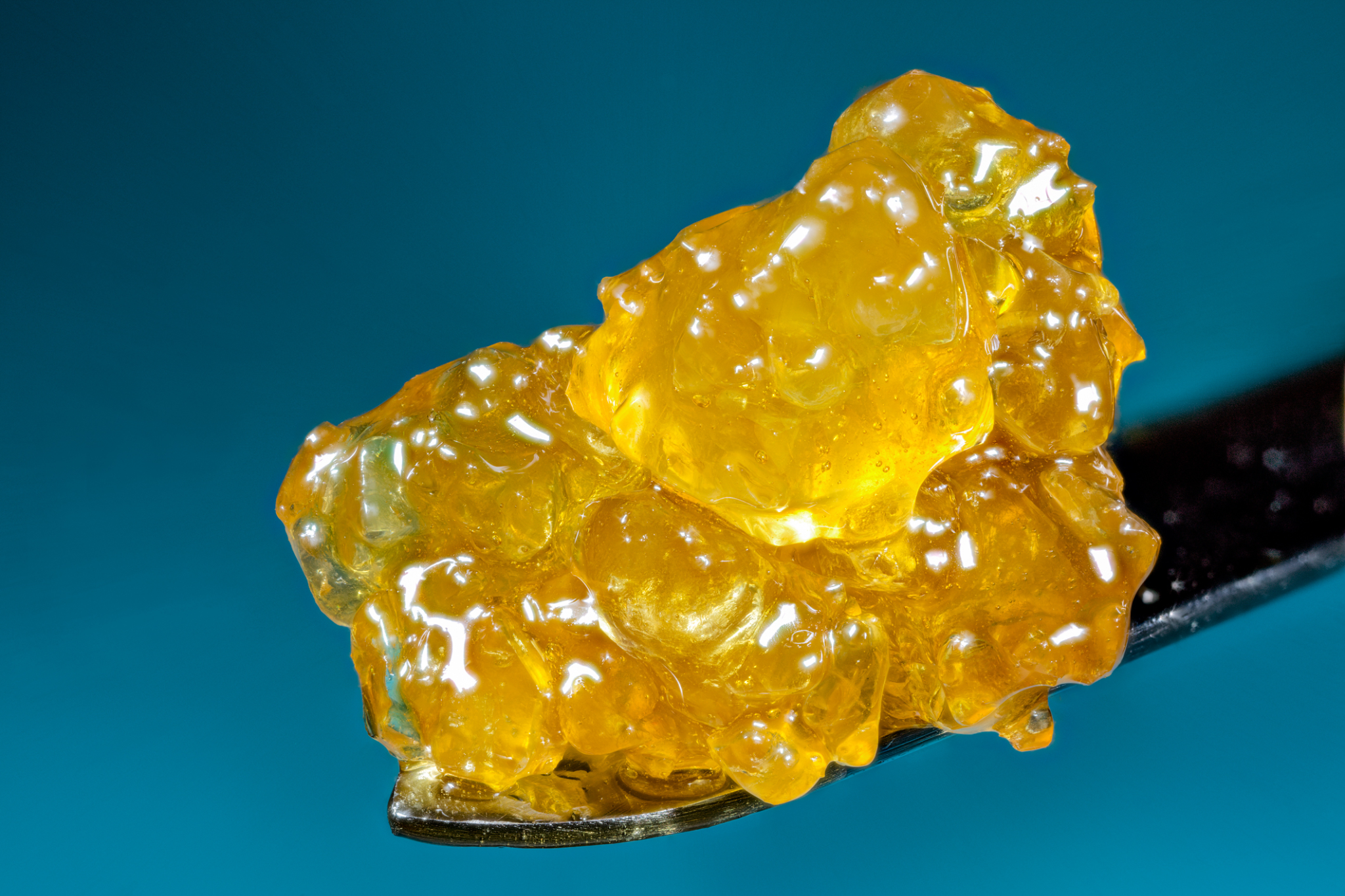
What are THCA diamonds?
THCA diamonds are crystalline cannabis concentrates containing exceptionally high levels of tetrahydrocannabinolic acid. When dabbed, vaped, or smoked, heat converts the THCA into intoxicating THC. THCA diamonds are crystalline formations made from nearly pure tetrahydrocannabinolic acid (THCA), the naturally occurring cannabinoid found in raw cannabis...
Read More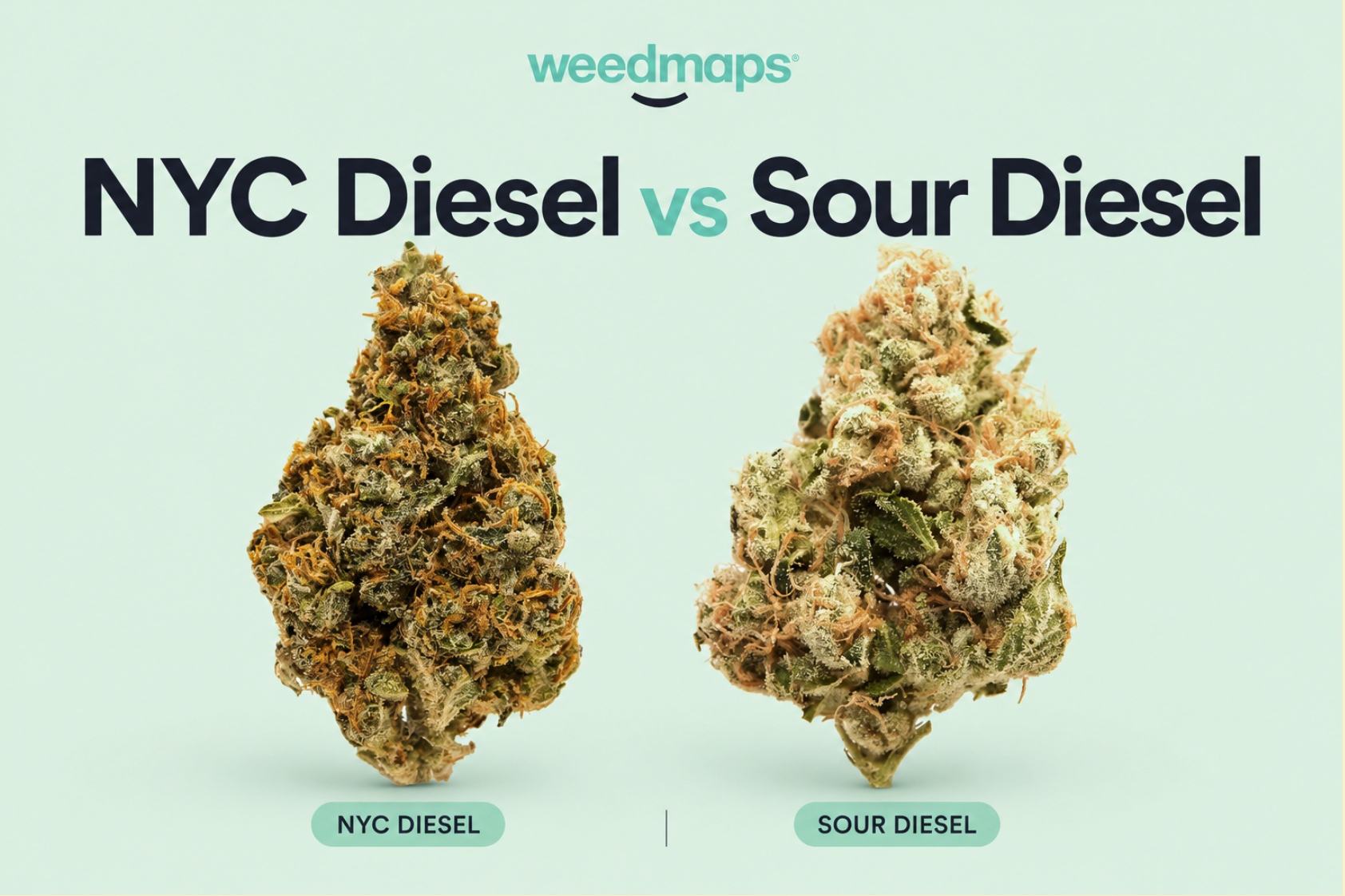
NYC Diesel vs Sour Diesel: how these two classics really compare
NYC Diesel and Sour Diesel are separate sativa-leaning strains. NYC Diesel combines Mexican and Afghani genetics with a citrus-diesel aroma, while Sour Diesel has disputed Chem-family roots and a sharper fuel-forward profile. If you're comparing NYC Diesel vs Sour Diesel, the short answer is that...
Read More
Can weed help you focus? What the science actually says
Cannabis may make some people feel more absorbed in a task, but research hasn't shown that THC reliably improves attention. Higher doses are more likely to impair working memory, reaction time, and sustained focus, so feeling locked in doesn't necessarily mean you're performing better. Many...
Read MoreThe information contained in this site is provided for informational purposes only, and should not be construed as medical or legal advice.