
Alex Yeager
Alex Yeager is a California-born cannabis writer who learned the plant before the modern cannabis industry took shape. Raised on the Monterey Peninsula with roots in the pre-helicopter grow days of Big Sur, he’s spent more than a decade covering strains, science, and cannabis politics with a practiced skepticism for hype and official stories. When he’s not making pottery or riding trails, he’s still chasing the same thing — what’s real, what works, and what doesn’t survive scrutiny.
211 Contributions
Showing page 12 of 22

Where your dollar goes furthest: a state-by-state guide to cannabis prices in 2026
Cannabis prices in the U.S. don't track quality — they track the market you're buying in. Same product, same potency, same packaging. The price can be $25 in one state and $65 in another. That gap is engineered. It's the product of licensing caps, tax...
Read More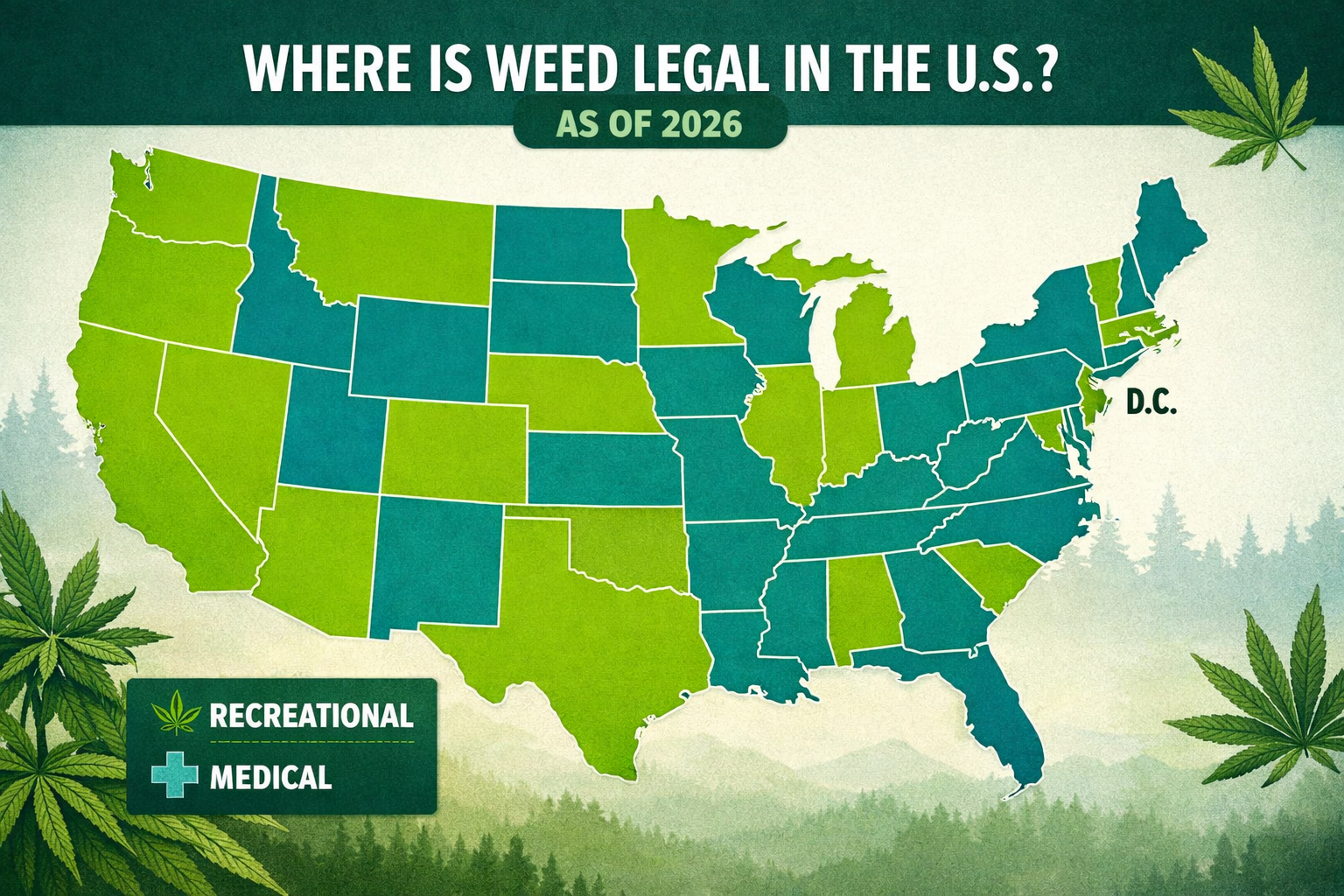
Where is weed legal in the U.S.? Here's what “legal” actually looks like in 2026
Cannabis is legal across much of the U.S., but access depends on the state—some allow full retail sales, others limit use to medical programs, and federal law still applies everywhere. Weed is legal across most of the U.S.—but that word doesn't mean the same thing...
Read More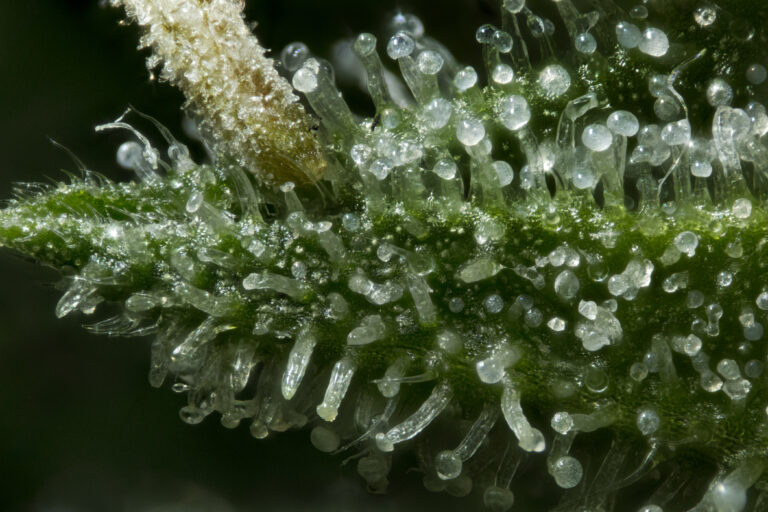
THC vs. THCA in the real world: smoking, vaping, and what actually reaches your system
THCA and THC are not the same compound in practice. Cannabis flower contains mostly THCA, which only becomes THC when heat is applied. Smoking or vaping drives this conversion, and what actually reaches your system depends on how efficiently that process happens. Cannabis flower is...
Read More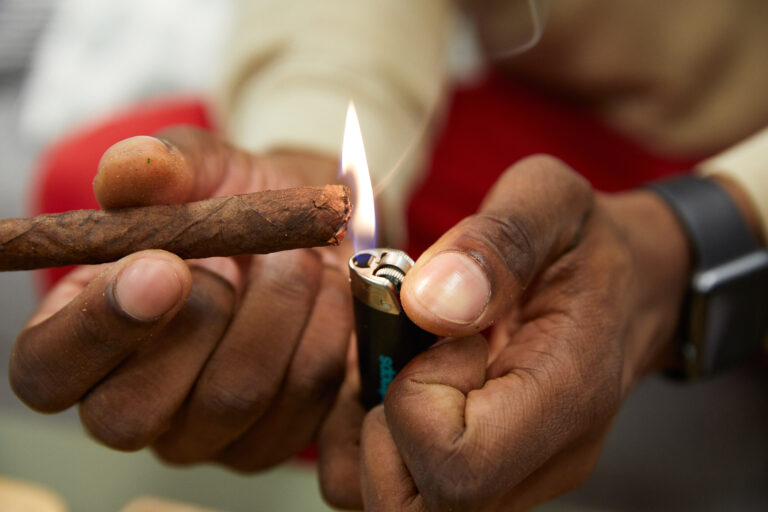
Are infused blunts worth it? Potency, longevity, and overall experience compared
Infused blunts push potency higher by layering concentrates into flower, but that added intensity changes how the blunt burns, pulls, and holds up over time. When they're rolled right, they hit harder and last longer. When they're not, the burn turns uneven, and the session...
Read More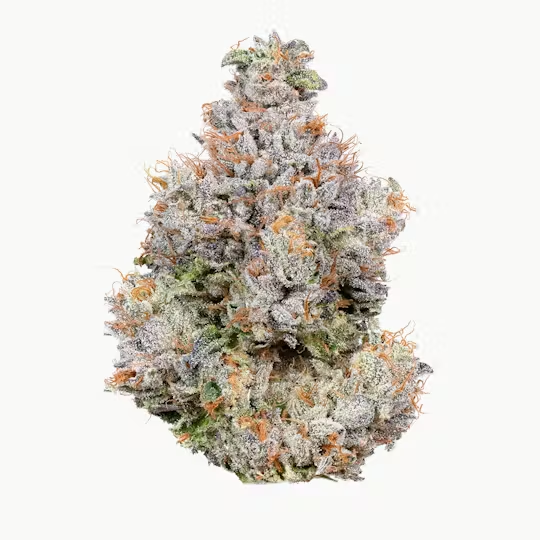
Big bud density and structure: cell expansion, resin production, and mechanical support
Bud size doesn't define quality. Large buds come from aggressive growth and expansion, but performance comes from resin production, density, and how well the structure holds together. At a glance, bigger buds tend to dominate the jar. They take up space, photograph well, and signal...
Read More
Popcorn buds explained: light, growth, and plant structure
Popcorn buds form because cannabis plants prioritize light, hormones, and energy at the top of the canopy. The upper canopy wins the competition for resources, while lower branches get outpaced, receiving less light, less energy, and less development. This limits growth and produces smaller, less...
Read More
The economics of shake weed: yield loss, retail pricing models, and consumer value
Shake isn't its own product — it's what falls off the product. As flower moves through trimming, packaging, and transport, buds break down into smaller pieces. What holds its shape gets top-shelf pricing. What doesn't ends up as shake. Some of it happens naturally. Some...
Read More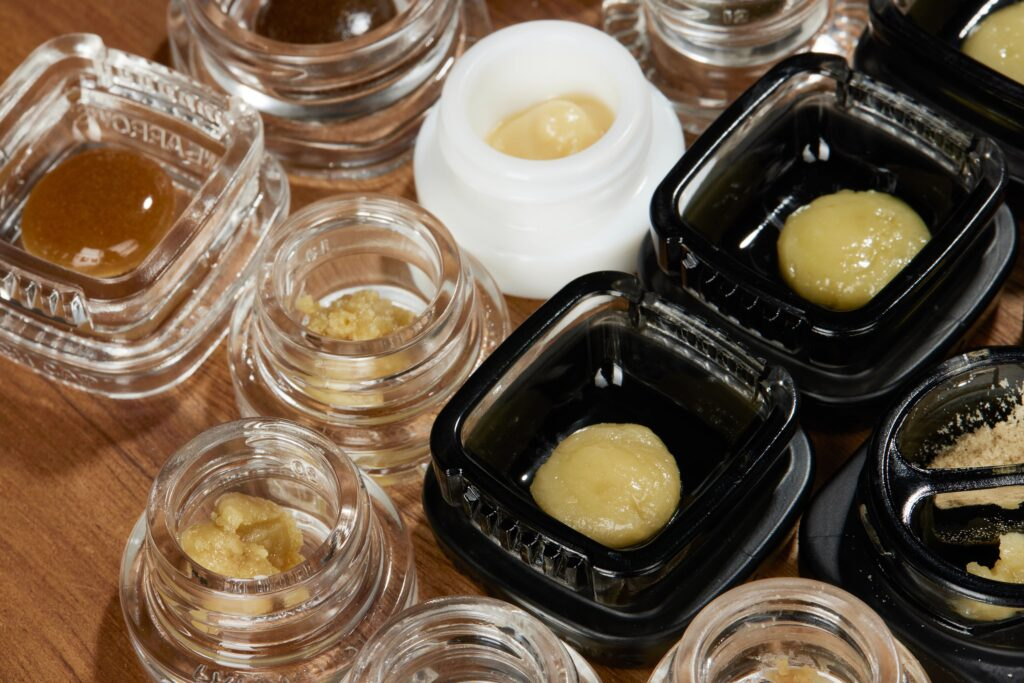
From ice water to heat plates: hash vs. rosin through the lens of process engineering
Hash and rosin both start at the same place: trichomes. What separates them is how far that material gets pushed. Hash is the result of mechanical separation, knocking resin heads loose through ice water or dry sift. Rosin takes that same material and refines it...
Read More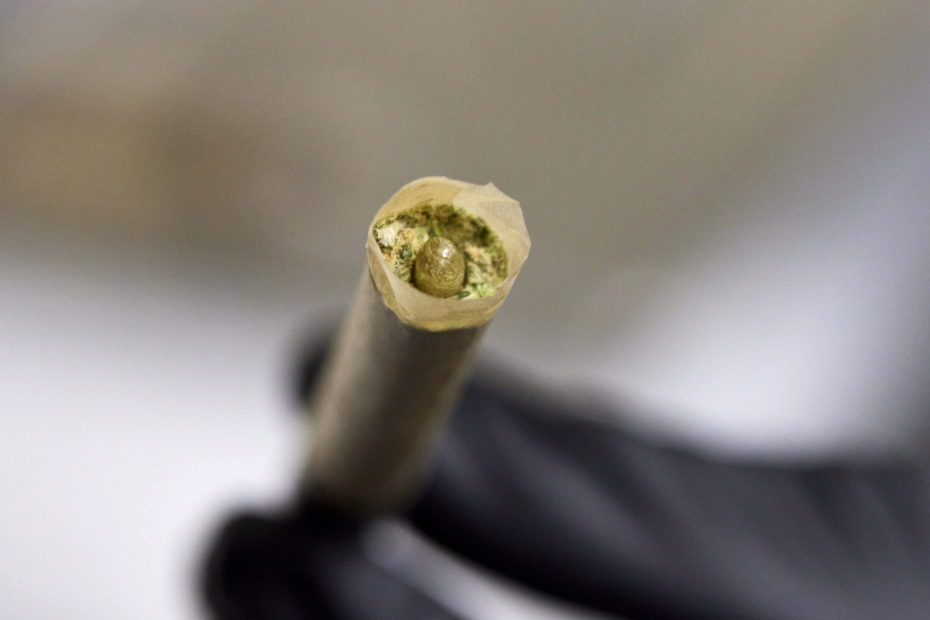
How do infused pre-rolls affect burn consistency and airflow?
Infused pre-rolls deliver higher potency, but the internal structure isn't stable. As concentrates shift through the flower over time, airflow becomes uneven, burns become inconsistent, and potency delivery changes from hit to hit. Infused pre-rolls promise more potency, but inside the joint, consistency is harder...
Read More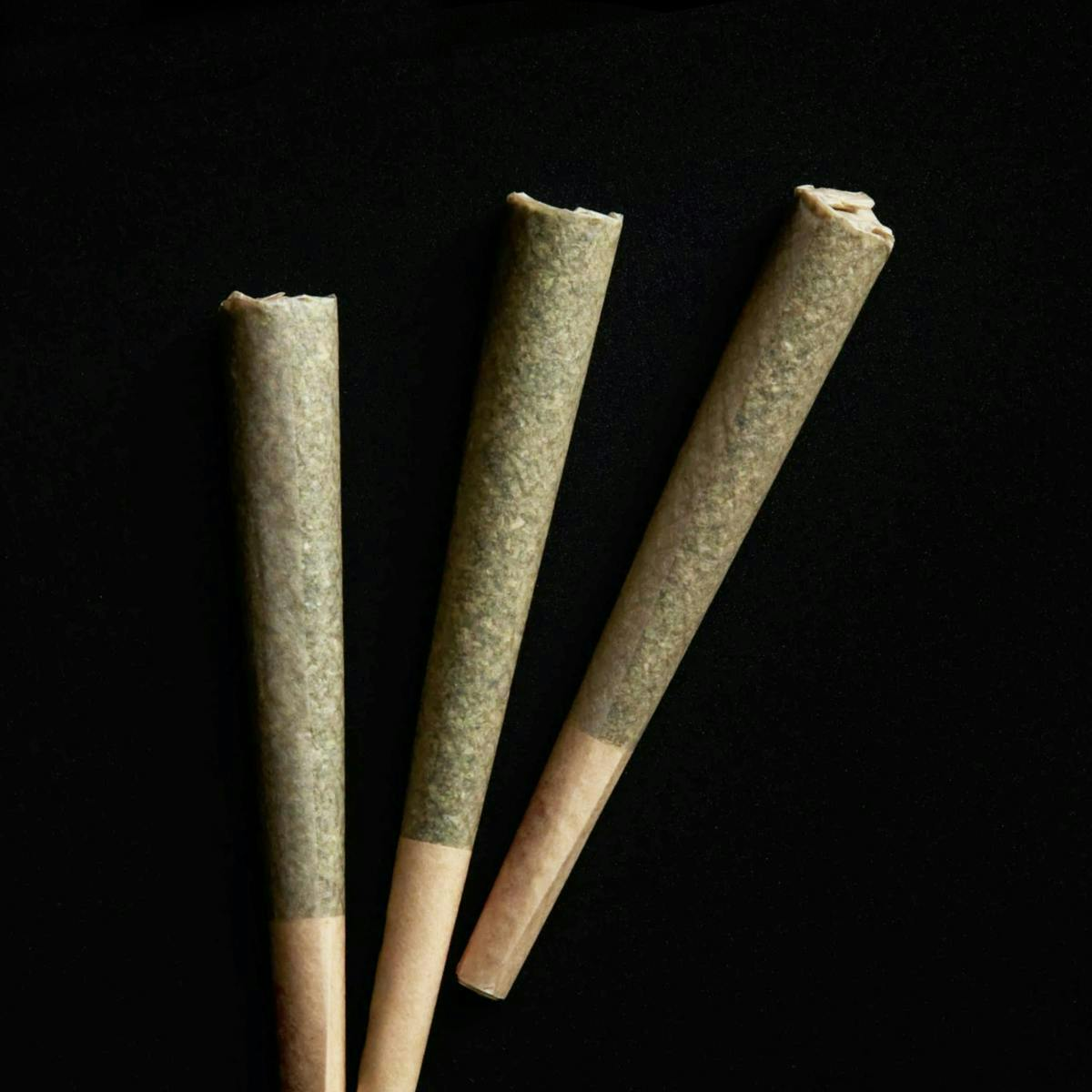
How do paper type and filter design affect pre-roll quality?
Rolling paper type, filter design, grind consistency, and packing density determine how a pre-roll burns, pulls, and tastes. When these elements are aligned, the result is an even burn and smooth draw. When they're not, expect canoeing, tight airflow, and harsh smoke. Most bad pre-rolls...
Read MoreThe information contained in this site is provided for informational purposes only, and should not be construed as medical or legal advice.