
Alex Yeager
Alex Yeager is a California-born cannabis writer who learned the plant before the modern cannabis industry took shape. Raised on the Monterey Peninsula with roots in the pre-helicopter grow days of Big Sur, he’s spent more than a decade covering strains, science, and cannabis politics with a practiced skepticism for hype and official stories. When he’s not making pottery or riding trails, he’s still chasing the same thing — what’s real, what works, and what doesn’t survive scrutiny.
170 Contributions
Showing page 5 of 17
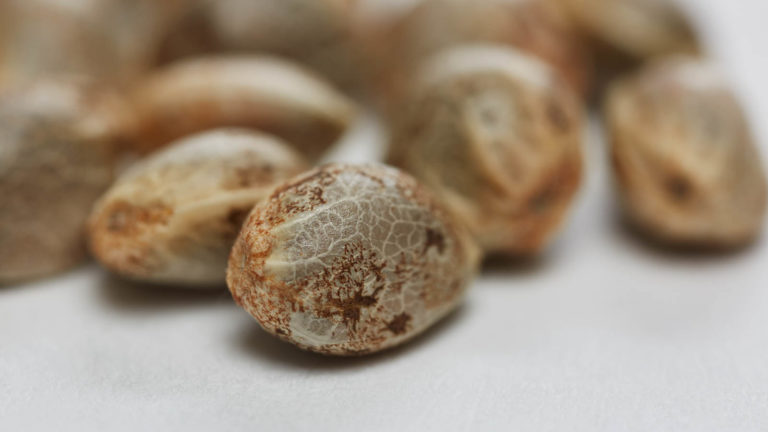
Inside the shell: What determines cannabis seed outcomes
Cannabis seed outcomes vary because each seed contains a different genetic combination, affecting how traits like THC levels, terpene profiles, and plant structure are expressed. Two cannabis seeds from the same strain can grow into completely different plants. Different height. Different bud structure. Even different...
Read More
How do CBD:THC balms work without getting you high?
CBD:THC balms interact with receptors in your skin without ever reaching your bloodstream — which is why the effects stay exactly where you apply them. That distinction matters more than most topical marketing lets on. The reason a balm can contain THC and still leave...
Read More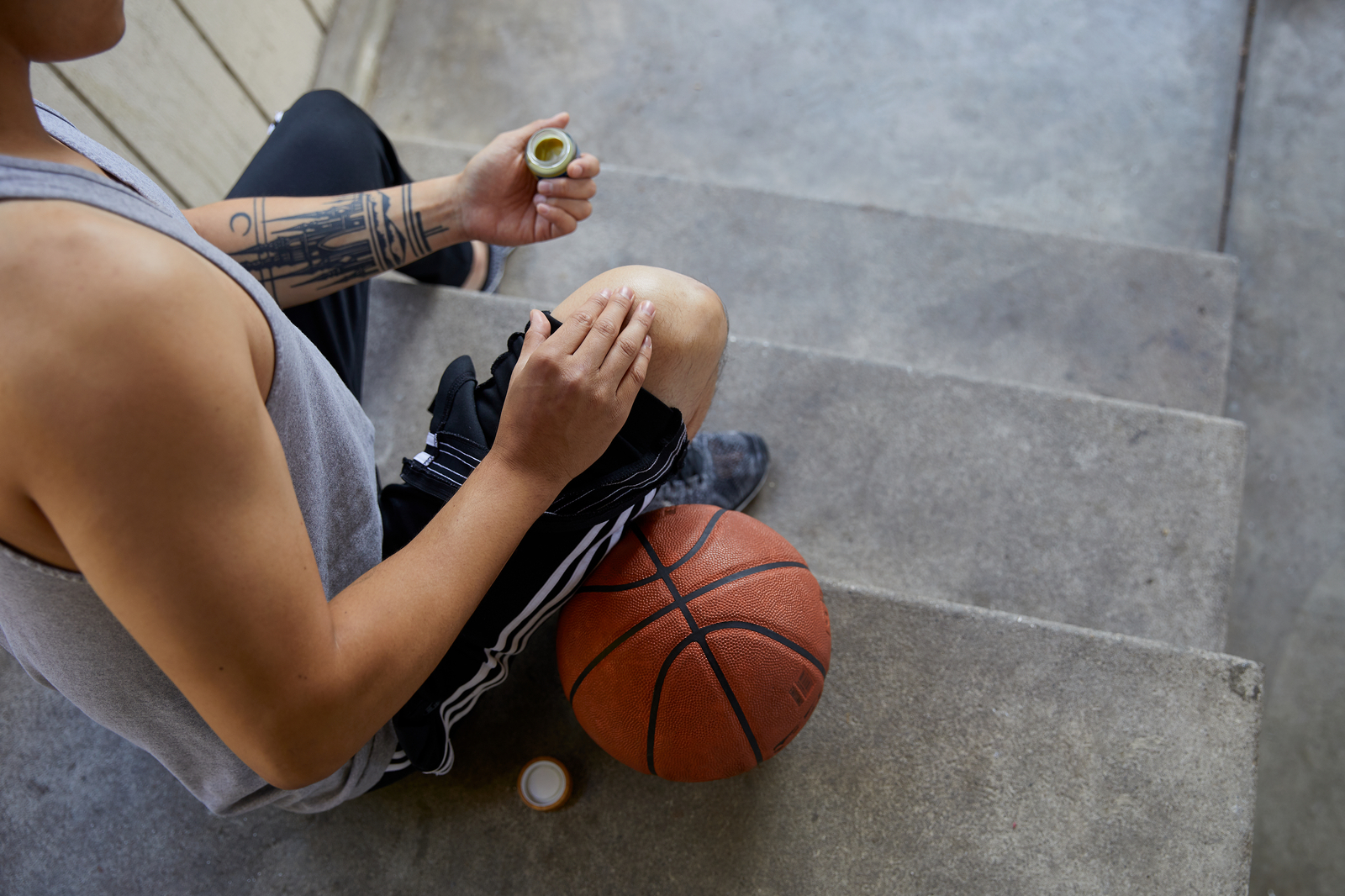
Applied, not ingested: why cannabis topicals work differently
Standard cannabis topicals don't penetrate deeply enough to enter systemic circulation in any meaningful way — cannabinoids interact with CB1 and CB2 receptors in the skin directly, producing localized effects without reaching the brain. Cannabis topicals bypass the lungs and gut entirely — interacting with...
Read More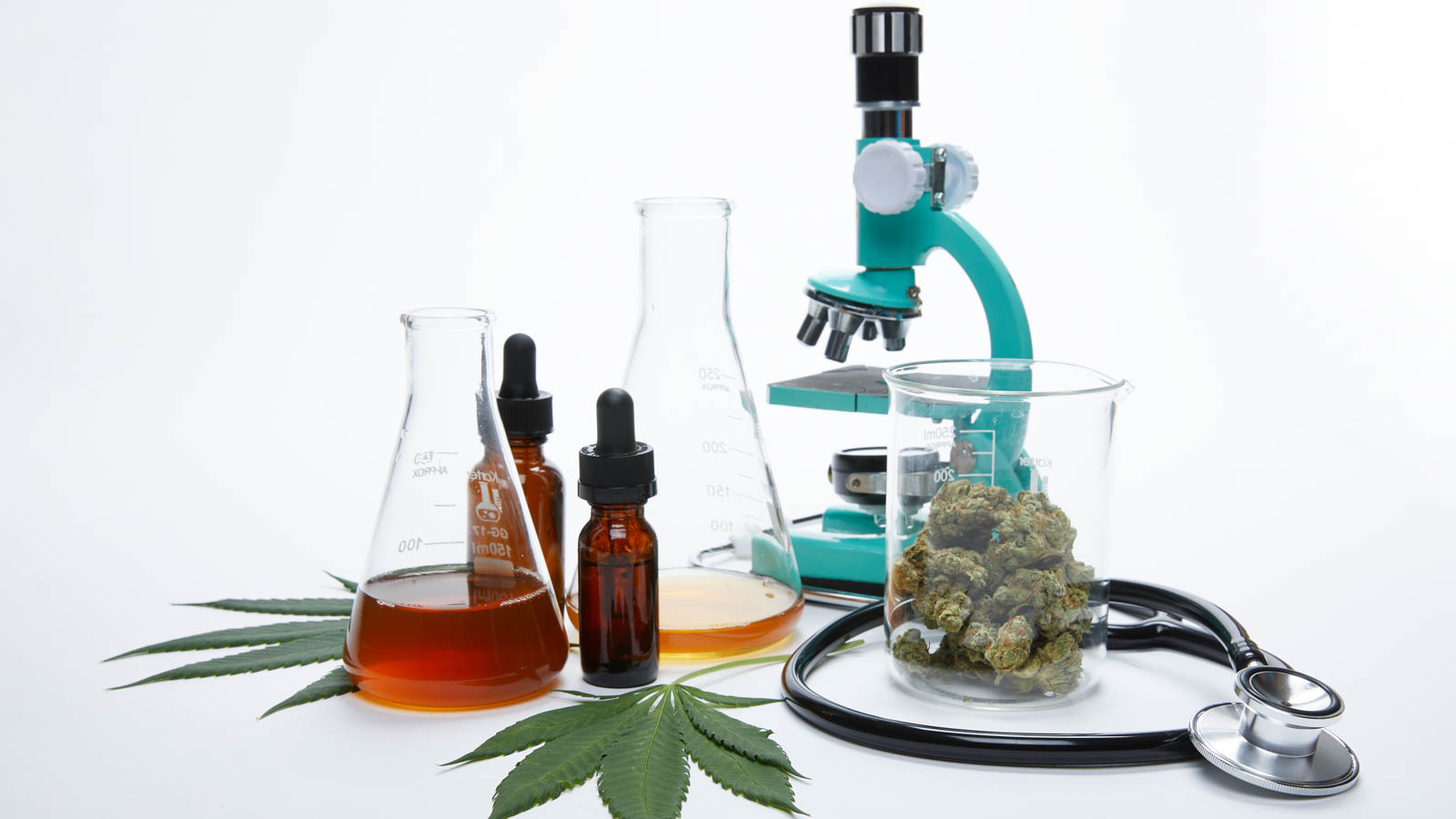
How are therapeutic cannabis products designed for specific effects?
Therapeutic cannabis products are created by controlling cannabinoid ratios, compound interactions, delivery methods, and dosing so the effect is repeatable. That's the real distinction between recreational and therapeutic formulation. One prioritizes intensity. The other prioritizes repeatable outcomes. Same plant — different engineering target. Once consistency...
Read More
Why does THC powder hit faster than traditional edibles?
THC powder hits differently because it's formulated to disperse in water instead of binding to fat. That single shift changes when absorption begins, how THC moves through your body, and how quickly effects show up. Traditional edibles rely on fat. THC is fat-soluble, so most...
Read More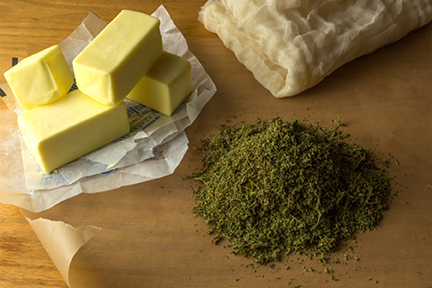
How do you use cannabutter without losing potency?
Cannabutter keeps its strength when THC stays bound to fat and isn't exposed to too much heat for too long. Most potency loss happens when that balance breaks — during cooking, during storage, or when heat stacks on heat across multiple steps. Cannabutter is a...
Read More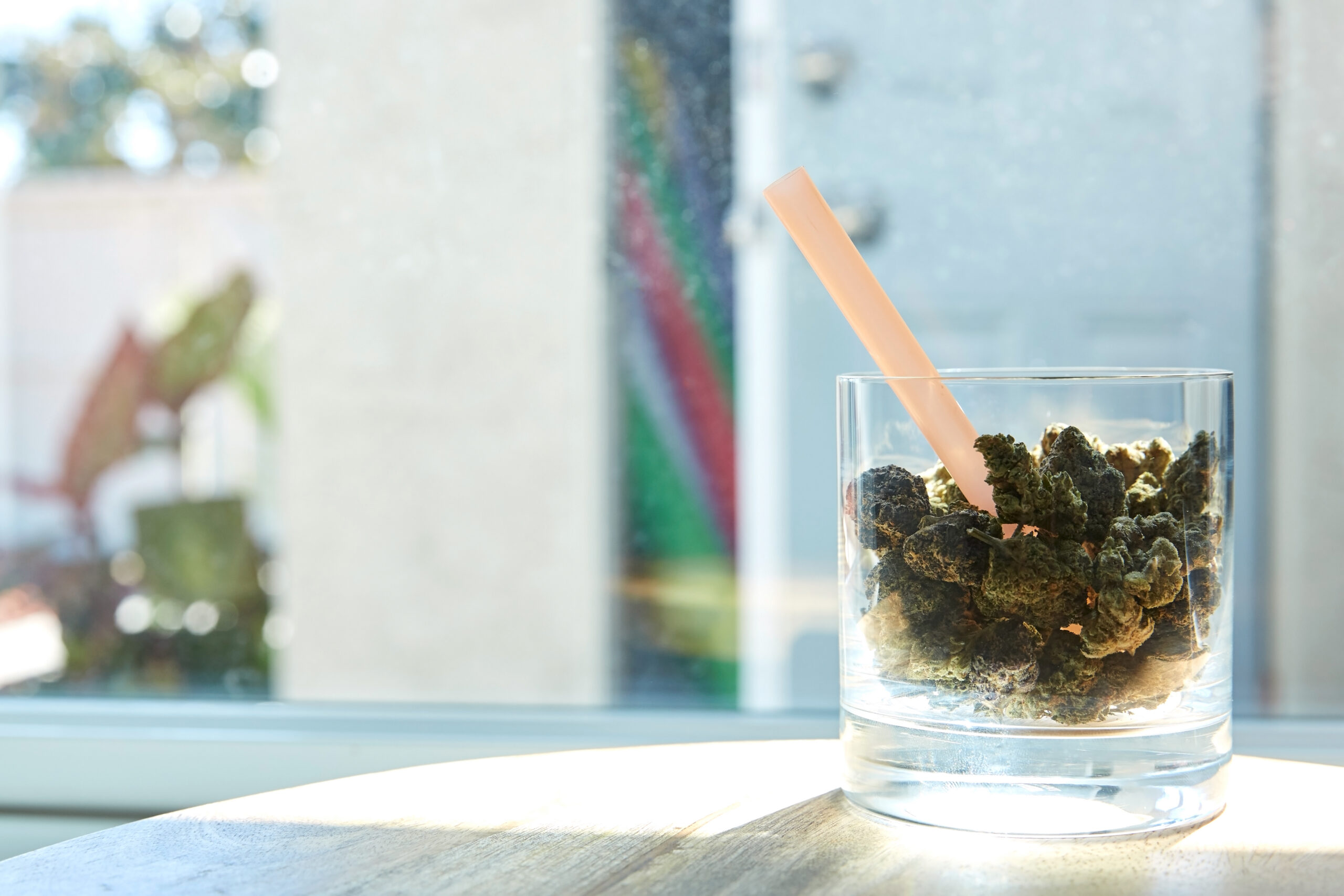
How do non-carbonated THC drinks affect absorption?
Still THC drinks deliver cannabinoids more consistently than sparkling ones — no gas pressure, no turbulence, no uneven dispersion spikes. The result is a gradual onset you can actually track, instead of a spike you're chasing after the fact. Most THC drink content stops at...
Read More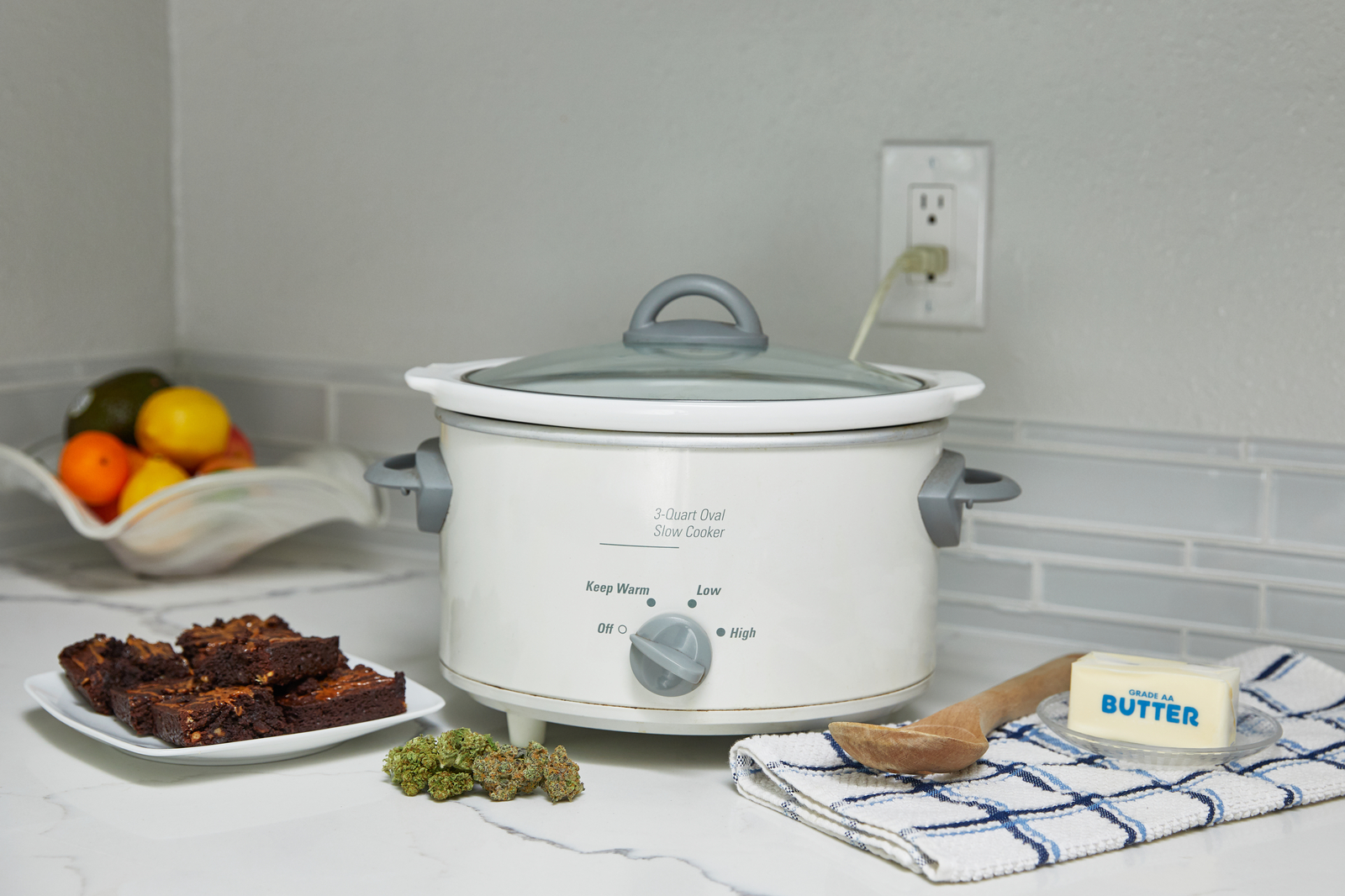
Why do baked edibles behave differently than other edibles?
Baked edibles go through multiple heat cycles, bind THC to fat, and physically shift during baking. That stack changes how THC is activated, where it ends up in the product, and how your body processes it, which is why they don't hit like gummies or...
Read More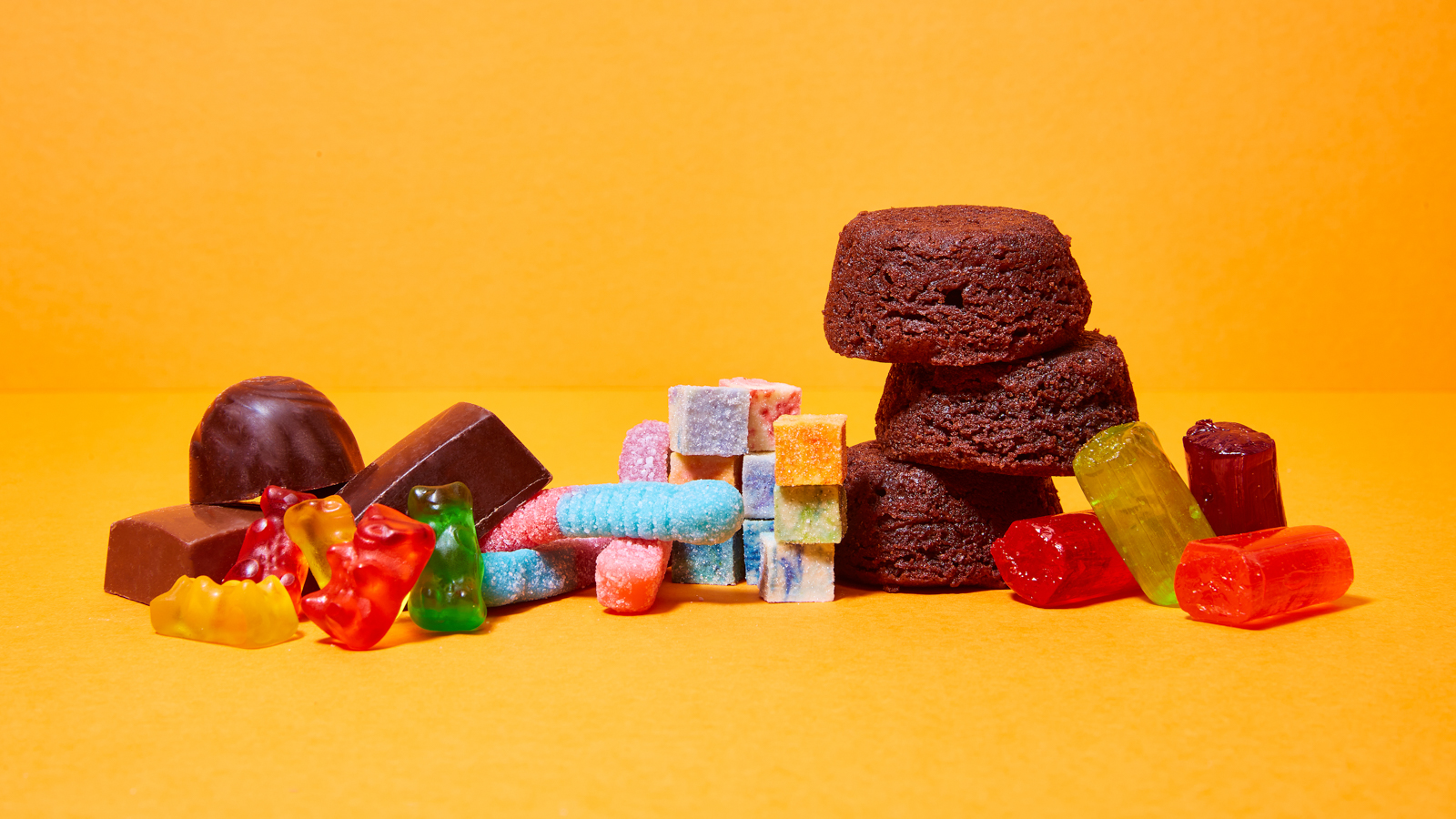
Why do chocolate edibles hit differently than gummies?
Chocolate edibles bind THC to fat, which changes how it moves through digestion, how much gets absorbed, and how long it sticks around. Gummies don't have that fat system, so they move faster, hit differently, and taper off sooner. THC doesn't behave like most food...
Read More
Beyond the high: How cannabis wellness targets sleep, stress, and recovery systems
Cannabis doesn't create sleep, reduce stress, or speed up recovery — it changes how your body regulates those systems in the first place. Most cannabis advice skips the part that actually matters. You'll hear things like “this helps you sleep” or “that's good for stress,”...
Read MoreThe information contained in this site is provided for informational purposes only, and should not be construed as medical or legal advice.