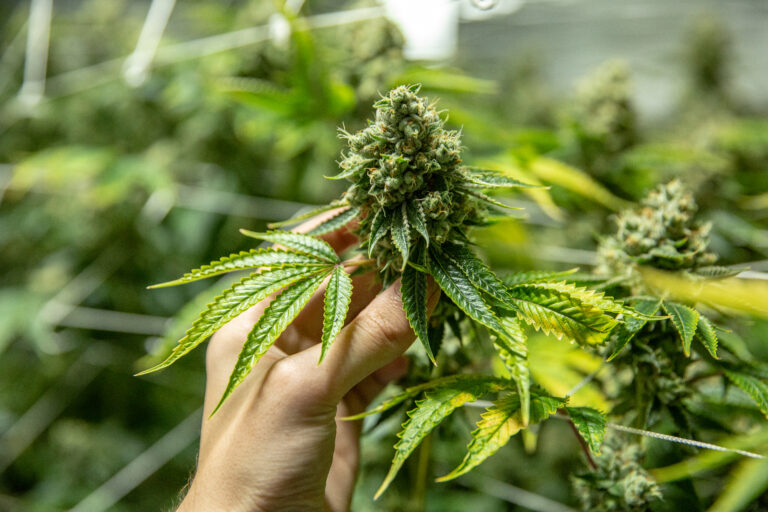
High terpene weed should pass the nose-to-label test. The aroma should smell like something specific, the flavor should follow through, and the freshness data should explain why the profile still feels alive.

Image lightbox

A loud nose gets attention. A complete profile earns trust.
Some flower explodes out of the jar and falls flat in the grinder. Some concentrates smell incredible until the first dab. Some vape carts open with a wall of sweetness and then turn generic after a few pulls.
Terpenes are fragile. Time, heat, oxygen, light, curing, extraction, and storage all work against them.
High terpene weed is not simply cannabis that smells strong. It is cannabis where the aroma, flavor, freshness, and label data all point in the same direction.
What terpenes actually tell you
Terpenes are aromatic compounds found in cannabis and many other plants. They help create the smells consumers recognize as citrus, pine, gas, fruit, earth, spice, herbs, flowers, and skunk.
They also help shape the way cannabis is experienced alongside cannabinoids like THC and CBD. Effects vary by person, dose, tolerance, product type, and setting, so terpene language should stay careful. Still, users often report different experiences from different terpene patterns.
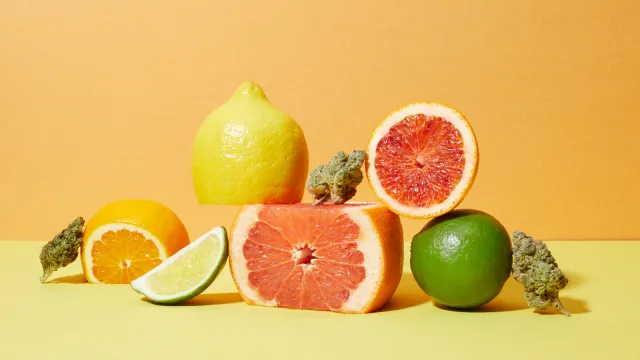
A limonene-forward product may smell citrusy and feel brighter to some consumers. Pinene may bring a sharper pine note. Myrcene reads earthy or herbal. Caryophyllene can smell peppery or spicy.
You do not need to memorize every terpene to become a better shopper. You need to learn whether the smell matches everything else the product is telling you.
Aroma gives you the first clue. Terpene percentage, harvest date, packaging, and freshness tell you whether that clue is reliable.
Why strong smell does not always mean better cannabis
A loud smell can be exciting. It can also be shallow.
A product may smell intense because a narrow group of volatile compounds is jumping out first. That does not guarantee a layered flavor or a better session. The real quality signal is continuity: what you smell should carry into the taste and stay recognizable through the experience.
When cannabis smells bright but tastes hollow, something is off. The terpene profile may be incomplete. The product may be older than it looks. The package may have leaked aromatics. The extract may have been formulated to smell big without preserving a full-spectrum profile.
That is especially common with concentrates and vape cartridges. A cart can smell sweet or gassy at first and still taste thin once heated. A concentrate can open with a punchy nose and finish papery or generic.
Freshness is the bridge between smell and flavor.
Freshness is the bridge between smell and flavor
Terpenes fade faster than cannabinoids.
That is why cannabis can still test strong for THC but taste tired. By the time the smell turns hay-like, papery, muted, or stale, the most expressive terpenes may already be gone.
Freshness shows up in small ways. Flower should smell specific, not generic. The aroma should become more noticeable when the bud is broken apart or ground. Concentrates should smell defined rather than sharp in a one-note way. Vape cartridges should taste like the aroma suggested, not collapse into burnt sweetness after a few pulls.
Time, heat, oxygen, and light all work against that.
A product can start terpene-rich and still fade on the shelf if the packaging is weak or the storage conditions are rough. That is why harvest date, package date, production date, and seal quality matter. They help you decide whether the smell you are getting is preserved aroma or the last of the product escaping.
How to read terpene percentage
Terpene percentage gives the smell test some structure.
For flower, total terpenes around 1% can still be noticeable, 2% can be aromatic, and 3% or higher points to a more terpene-forward batch. The exact meaning depends on the cultivar, freshness, and testing method, but the number helps you compare similar products.
For concentrates and vape cartridges, terpene percentages can run higher. A product over 5% total terpenes should taste expressive if it has been processed and stored well. If it smells strong but lists low terpenes, be cautious. The aroma may be coming from a narrow top note, added flavoring, or packaging conditions rather than a full, preserved profile.
Numbers matter most when they agree with your nose. A high terpene percentage should not have to explain itself. The aroma, flavor, and freshness should already be making the case.
If the label shows strong terpene content and the aroma is clear, specific, and consistent, that is a good sign. If the label says “high-terp” but the product smells vague or tastes flat, the marketing is doing more work than the chemistry.
Why packaging matters so much

Image lightbox

Packaging is not just presentation. It protects the aroma you are paying for.
Terpenes are volatile, which means they can evaporate, oxidize, or degrade when exposed to air, heat, and light. Airtight and light-protected packaging gives the product a better chance of tasting like it should.
For flower, that means sealed jars or bags that protect against excessive oxygen and light. For concentrates, it means containers that close tightly and are stored away from heat. For vape cartridges, it means sealed packaging and storage that avoids warm shelves, bright displays, and long exposure.
If you can smell a product strongly through closed packaging, that can be a bad sign. It may mean the package is leaking aromatics. Those terpenes are not just reaching your nose. They are leaving the product.
The best packaging does its job so well you notice the product only after you break the seal.
Why high terpene weed can still taste flat
A terpene percentage can survive on a label long after the experience has faded.
One reason is age. A product may have tested well months ago, but terpene levels and aroma quality can shift with time. Another reason is heat exposure. Warm storage can speed up terpene loss and create harsher flavor. Oxygen can also flatten the profile.
For concentrates and carts, processing matters too. If extraction or post-processing strips away too much of the original aromatic profile, the final product may smell engineered rather than complete. Added terpenes can create an impressive first sniff without recreating the depth of a well-preserved cannabis profile.
This is why “high terpene” should not be judged by percentage alone.
A good high terpene product should smell specific, taste consistent, and hold its character. If the flavor disappears quickly, turns papery, or feels disconnected from the aroma, something in freshness, storage, processing, or formulation is not matching the claim.

Image lightbox

How smell connects to the experience
Smell does not predict an experience perfectly, but it can help you understand what kind of product you are choosing.
A bright citrus or pine aroma may point toward a more head-forward profile for some consumers. Earthy, musky, or peppery notes may feel more grounded or body-forward for others. Sweet, gassy, fruity, floral, or herbal notes can all signal different terpene combinations.
But the same terpene profile can feel different depending on THC level, CBD content, product type, dose, and tolerance.
That is why smell should be paired with the label. Aroma tells you what the plant is trying to say. Cannabinoid percentage tells you potential intensity. Terpene percentage tells you how much aromatic material is present. Freshness tells you whether the profile is still alive.
Taken together, those signals separate genuinely terpene-rich cannabis from products that merely smell the part.
How to shop for high terpene weed
Start with aroma, but do not stop there.
Ask for the terpene profile when it is available. Look for total terpene percentage and the dominant terpenes. Then check harvest date, package date, production date, or test date, depending on the product.
If you are buying flower, the aroma should be clear and specific. The texture should not be dust-dry or suspiciously damp. The smell should get stronger when the flower is broken apart.
If you are buying concentrates, look for extract type, terpene percentage, production date, and storage quality. A terp-forward concentrate should not smell detached from how it tastes.
If you are buying vape cartridges, be especially careful with vague “flavor” claims. Look for transparent labeling around extract type, cannabinoid content, terpene profile, and additives when available.
The best terpene-rich cannabis rarely requires marketing language to sell itself. The aroma, flavor, freshness, and data are already doing the work.
When aroma, flavor, and freshness align

Smell is one of the best tools cannabis consumers have, but it works best when it has evidence behind it.
High terpene weed should smell defined, taste consistent, and show freshness on the label. A loud nose alone is not enough. Neither is a terpene percentage disconnected from storage, age, or quality.
Use aroma as the first clue. Then verify it with terpene data, freshness information, packaging quality, and product transparency.
When all of those signals agree, you are usually looking at cannabis that still has something to say.
Explore more on Weedmaps to compare flower, concentrates, vape cartridges, and licensed dispensary menus near you.