
Alex Yeager
Alex Yeager is a California-born cannabis writer who learned the plant before the modern cannabis industry took shape. Raised on the Monterey Peninsula with roots in the pre-helicopter grow days of Big Sur, he’s spent more than a decade covering strains, science, and cannabis politics with a practiced skepticism for hype and official stories. When he’s not making pottery or riding trails, he’s still chasing the same thing — what’s real, what works, and what doesn’t survive scrutiny.
211 Contributions
Showing page 4 of 22
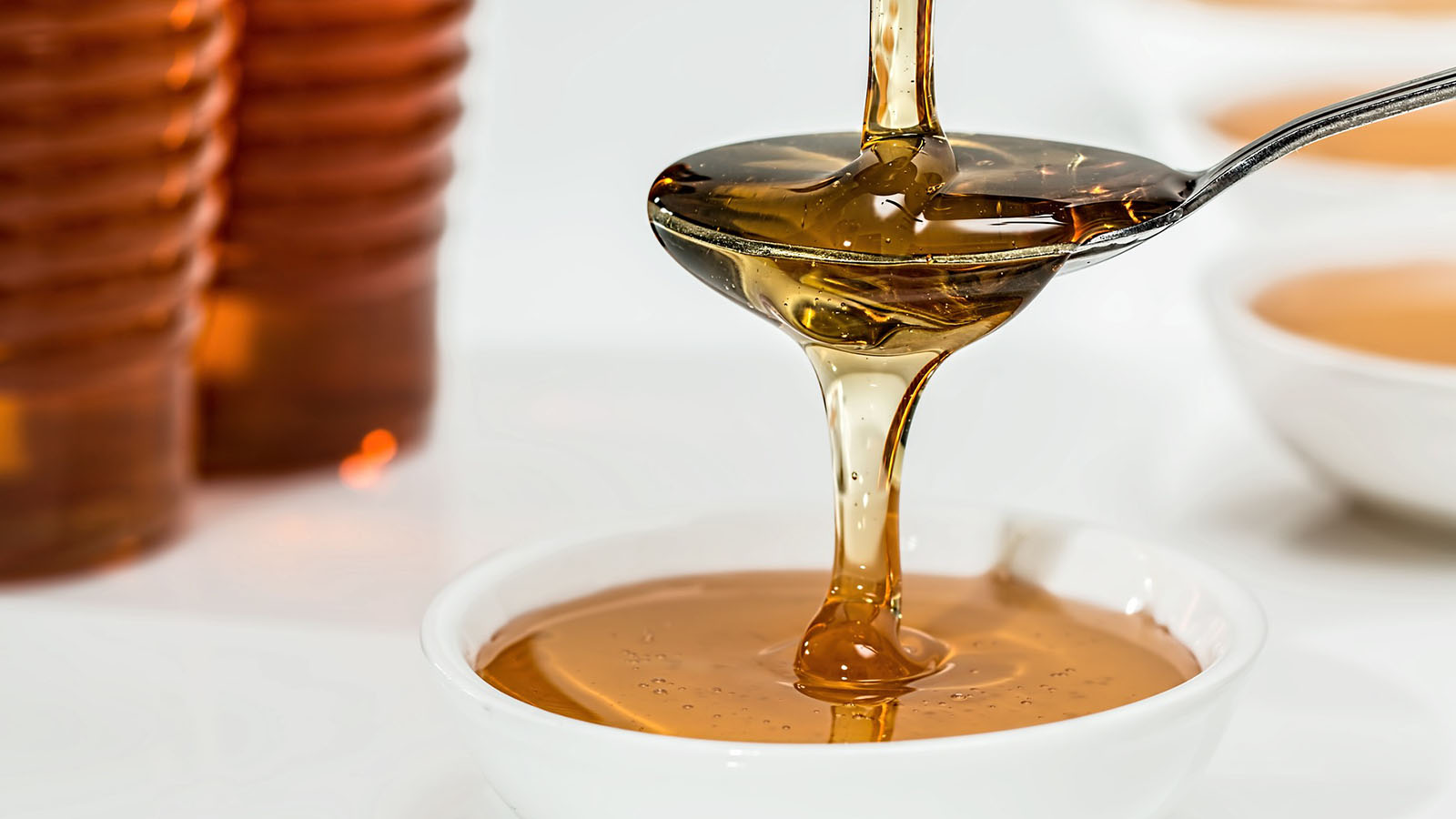
From hive to high: why cannabis honey delivers THC differently than standard edibles
Cannabis honey is an edible, so THC eventually moves through digestion and the liver. But honey behaves differently from baked goods, chocolates, and gummies because of its liquid texture, sugar composition, and how people usually consume it. That changes the experience in practical ways. Cannabis...
Read More
Where to find the best 710 & July cannabis events
710 isn't a backup holiday — it's the dab community's actual high holy day, and July doesn't stop there. Between concentrate-specific meetups, World Cup watch parties stacked with PuffCo giveaways, and full weekend festivals running well past the month's first week, July gives the cannabis...
Read More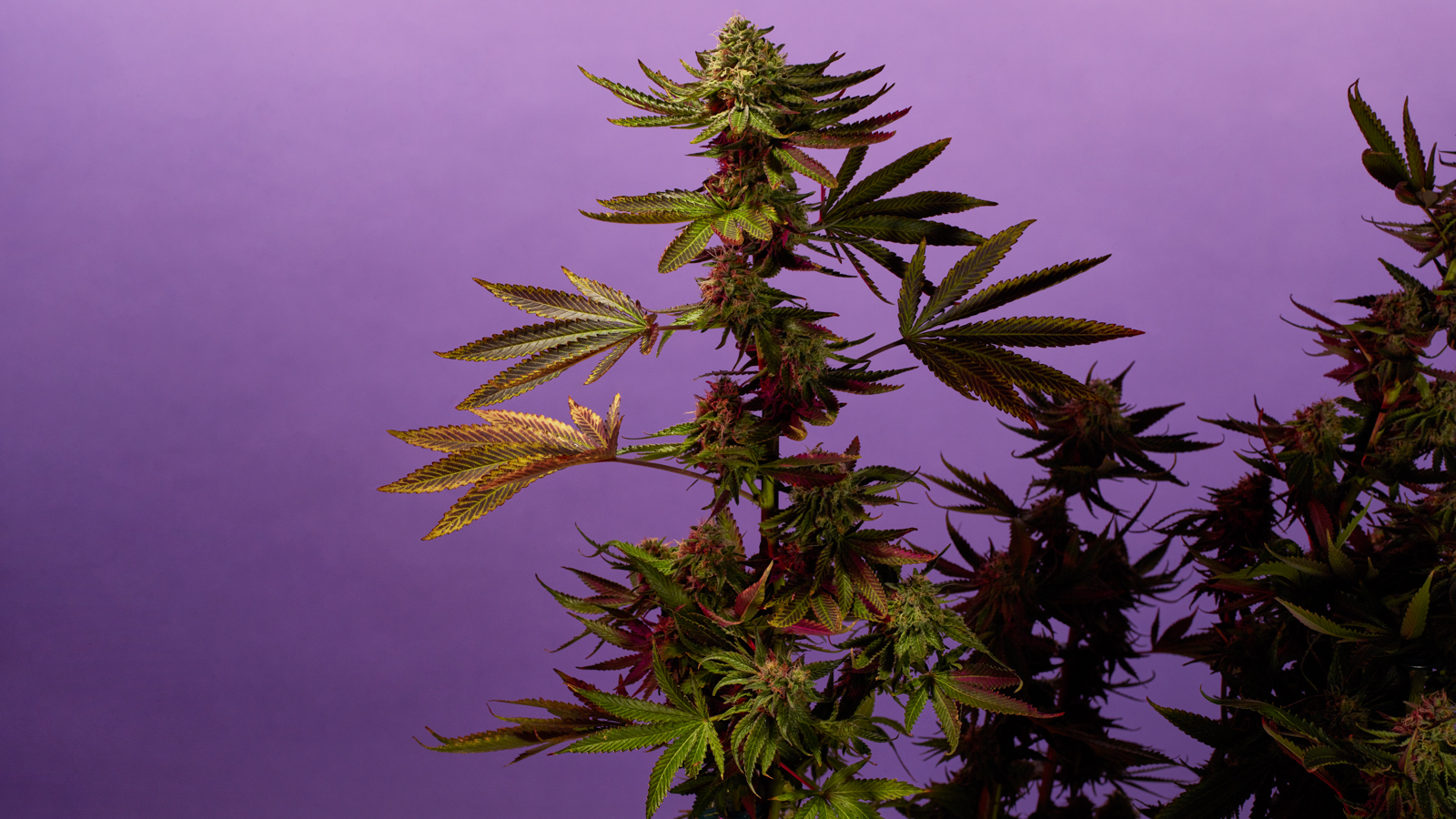
The legal line in the flower: how hemp flower balances aroma, effects, and THC thresholds
Hemp flower can look, smell, and even feel remarkably similar to cannabis sold in licensed dispensaries. Dense buds, sticky trichomes, and loud terpene profiles don't tell you whether a product is legally classified as hemp or marijuana. That distinction comes down to chemistry, specifically how...
Read More
From spoonful to system: how THC syrup moves through the body differently
THC syrup is processed through many of the same pathways as traditional edibles, but its liquid format can change how quickly cannabinoids move through digestion and absorption. If you've ever wondered why a THC syrup seems to kick in faster than a gummy, or why...
Read More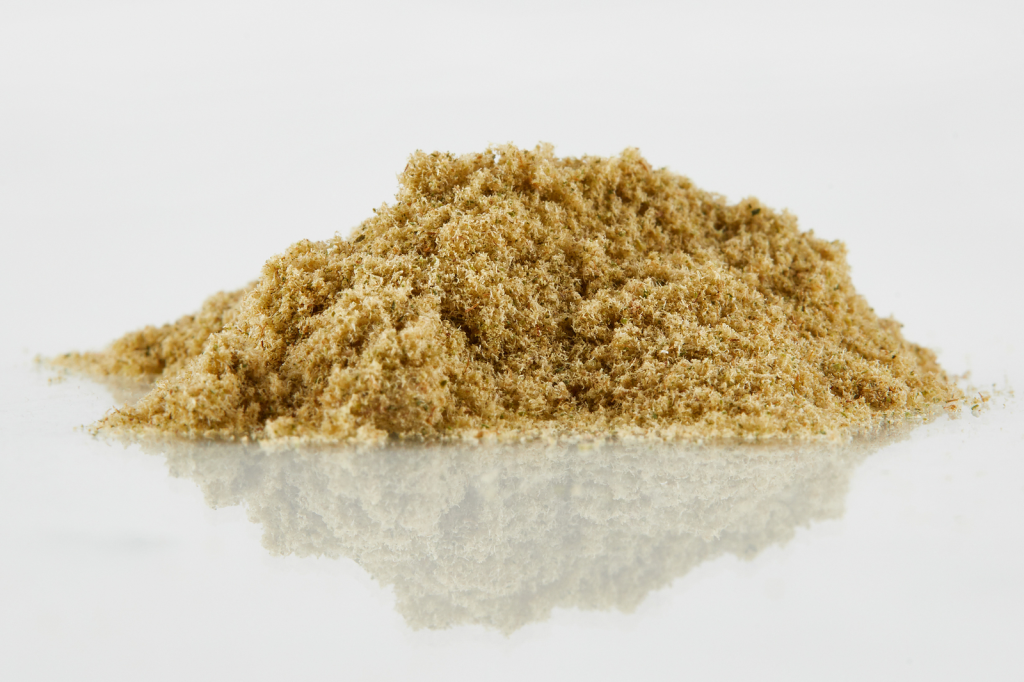
The outer layer effect: why kief coated pre-rolls burn, hit, and taste differently
That outer layer changes how the joint burns. Kief is made of trichome-rich material, which means the outside of the pre-roll carries more resin, more surface area, and more combustible material than paper and flower alone. The first few pulls can feel louder, stronger, and...
Read More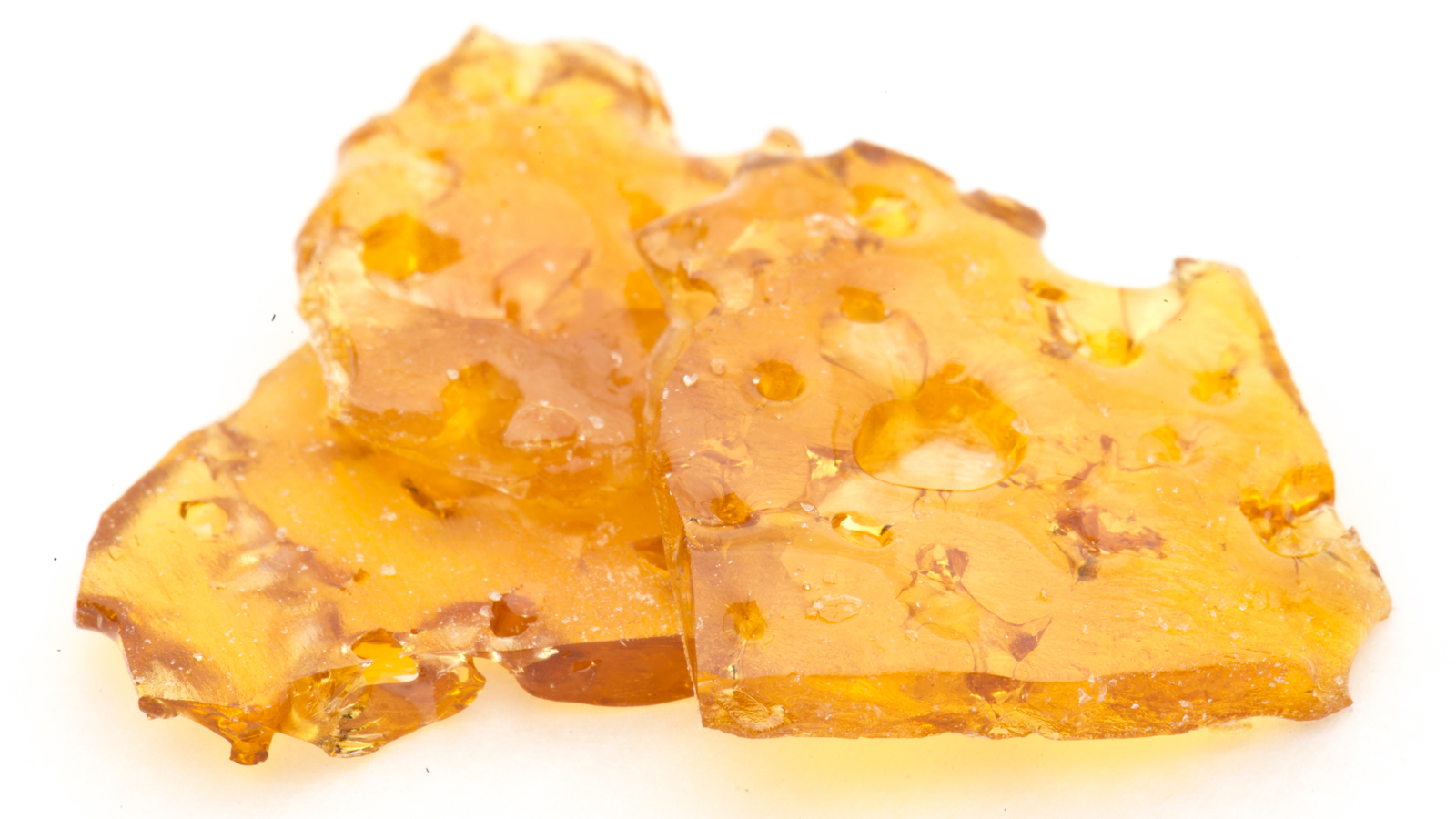
Clear, hard, and high-potency: why shatter became a concentrate benchmark
Shatter became a concentrate benchmark because it makes quality visible. When it is made and stored well, shatter is clear, glassy, stable, and easy to portion. But visual clarity is only one signal. Texture, color, aroma, potency, storage, and lab testing all matter. But shatter...
Read More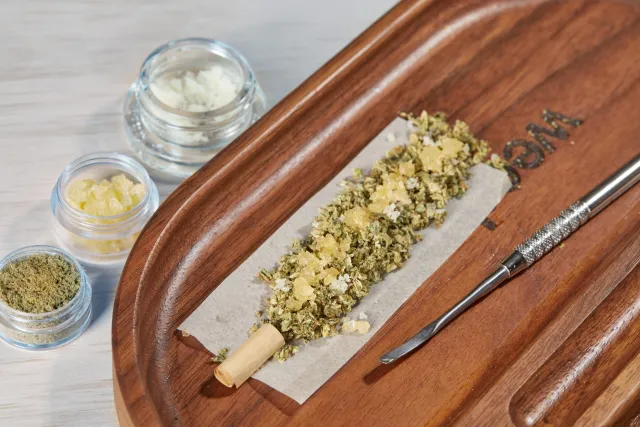
How diamond infused pre-rolls balance flower, crystals, and combustion
Diamond infused pre-rolls combine cannabis flower with concentrated THCA crystals, often layered with terpene-rich sauce, for a noticeably stronger pull than a standard joint. Flower, diamonds, sauce — built right, hits clean. Built wrong, it canoes. Flower, diamonds, and sauce don't burn the same way....
Read More
Smell as a signal: how high terpene weed connects flavor, freshness, and experience
High terpene weed should pass the nose-to-label test. The aroma should smell like something specific, the flavor should follow through, and the freshness data should explain why the profile still feels alive. A loud nose gets attention. A complete profile earns trust. Some flower explodes...
Read More
Powered by the plant's original light source: why sun grown cannabis still matters
Sun-grown cannabis is cannabis cultivated under natural sunlight rather than entirely under artificial indoor lighting. Many consumers seek out sun-grown flower for its value, terpene expression, and connection to traditional cultivation. “Sun grown” is not a magic quality stamp. A great outdoor batch can be...
Read More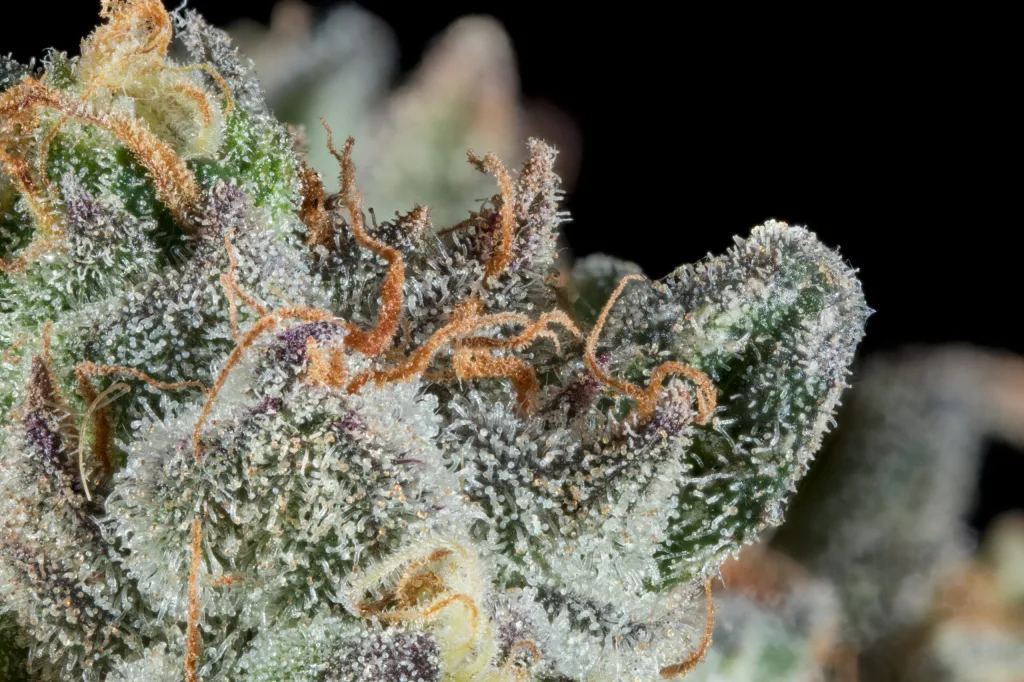
Crystal coating or quality signal? Decoding the science behind frosty weed
Frosty weed usually means the flower is covered in visible trichomes, the tiny resin glands that hold much of the plant's cannabinoids and terpenes. That can be a quality signal, but only when the frost comes from intact, mature trichome heads: not glare, dust, residue,...
Read MoreThe information contained in this site is provided for informational purposes only, and should not be construed as medical or legal advice.