
Alex Yeager
Alex Yeager is a California-born cannabis writer who learned the plant before the modern cannabis industry took shape. Raised on the Monterey Peninsula with roots in the pre-helicopter grow days of Big Sur, he’s spent more than a decade covering strains, science, and cannabis politics with a practiced skepticism for hype and official stories. When he’s not making pottery or riding trails, he’s still chasing the same thing — what’s real, what works, and what doesn’t survive scrutiny.
211 Contributions
Showing page 10 of 22
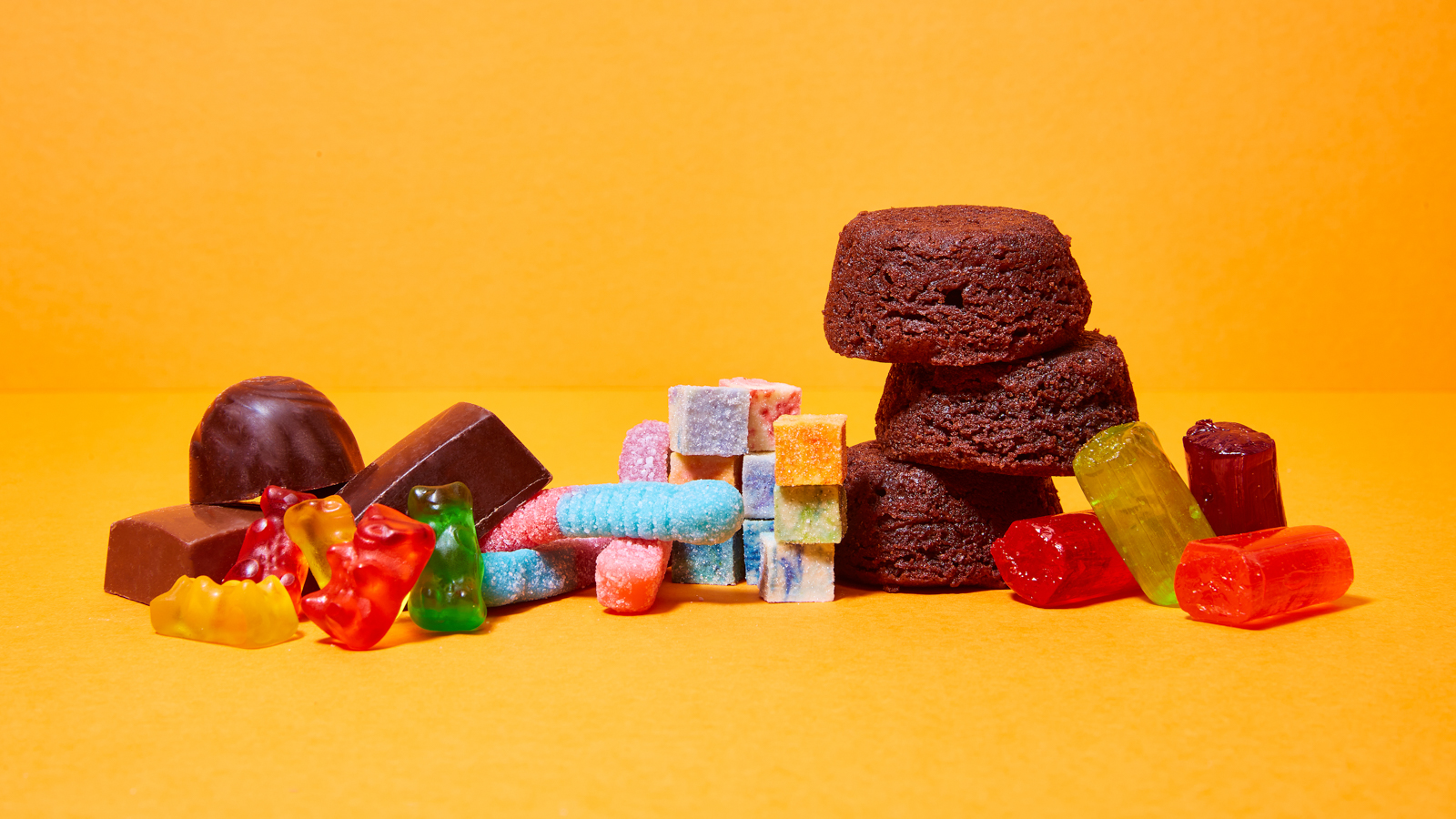
Why do chocolate edibles hit differently than gummies?
Chocolate edibles bind THC to fat, which changes how it moves through digestion, how much gets absorbed, and how long it sticks around. Gummies don't have that fat system, so they move faster, hit differently, and taper off sooner. THC doesn't behave like most food...
Read More
Beyond the high: How cannabis wellness targets sleep, stress, and recovery systems
Cannabis doesn't create sleep, reduce stress, or speed up recovery — it changes how your body regulates those systems in the first place. Most cannabis advice skips the part that actually matters. You'll hear things like “this helps you sleep” or “that's good for stress,”...
Read More
Under the tongue: why cannabis mints feel faster and more controlled
Cannabis mints don't land like gummies. Hold them under your tongue, and THC can bypass digestion entirely — changing both how quickly effects begin and how they build over time. Cannabis mints get lumped in with gummies all the time. Same category, same expectations. But...
Read More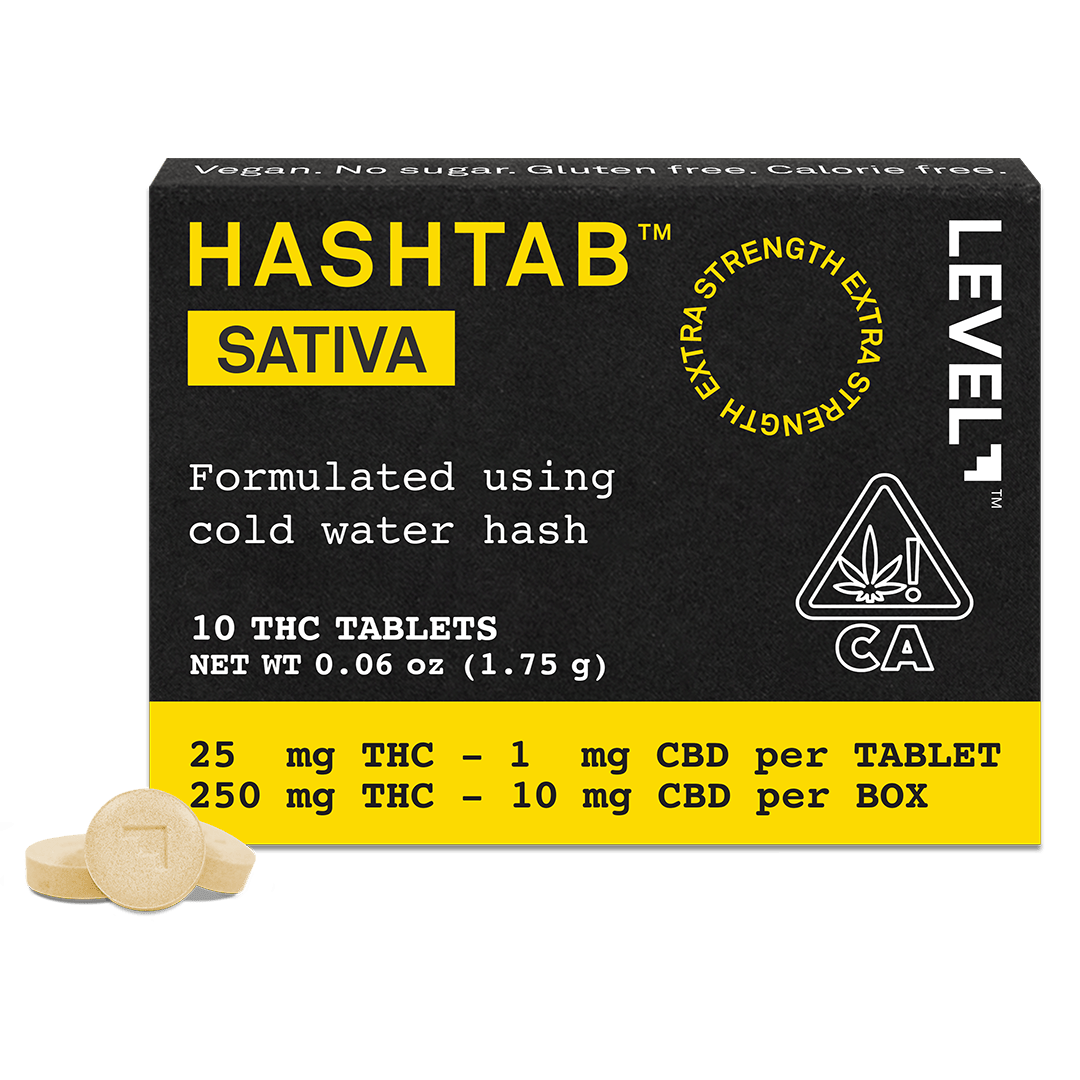
How hashtabs redefine consistency in cannabis dosing
Hashtabs stay consistent because the dose is built into the structure. Uniform distribution, fixed density, and controlled breakdown remove the variability that makes gummies harder to predict. Hashtabs are compressed tablets made from cannabinoid-infused dry blends, often using solventless hash inputs, designed to deliver a...
Read More
Why do THC drinks hit faster than edibles?
THC drinks hit faster because the THC is broken into tiny droplets that your body can absorb earlier in the process. That shifts when effects start and how predictable they feel. This isn't about stronger THC—it's about faster access. When the THC is already in...
Read More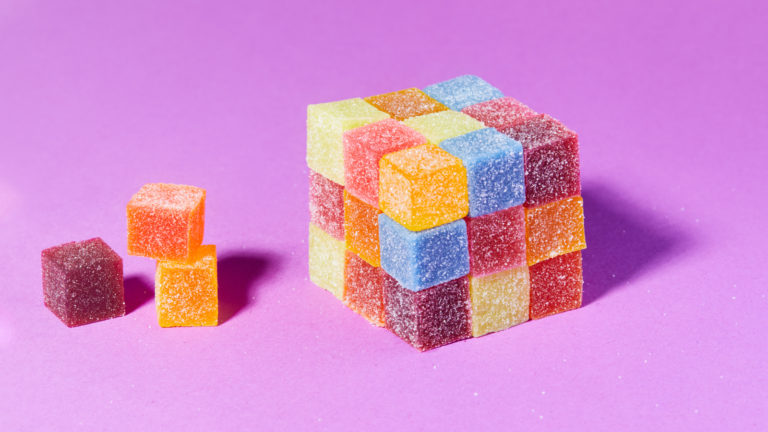
Not all squares are equal: edible dose uniformity in cut-to-dose edibles
That “10mg per piece” is an average, not a guarantee. In cut-to-dose edibles, THC can shift before the product is divided, so each piece can carry a slightly different amount. Products like chocolate bars, brownies, and sheet gummies are designed to be split into equal portions....
Read More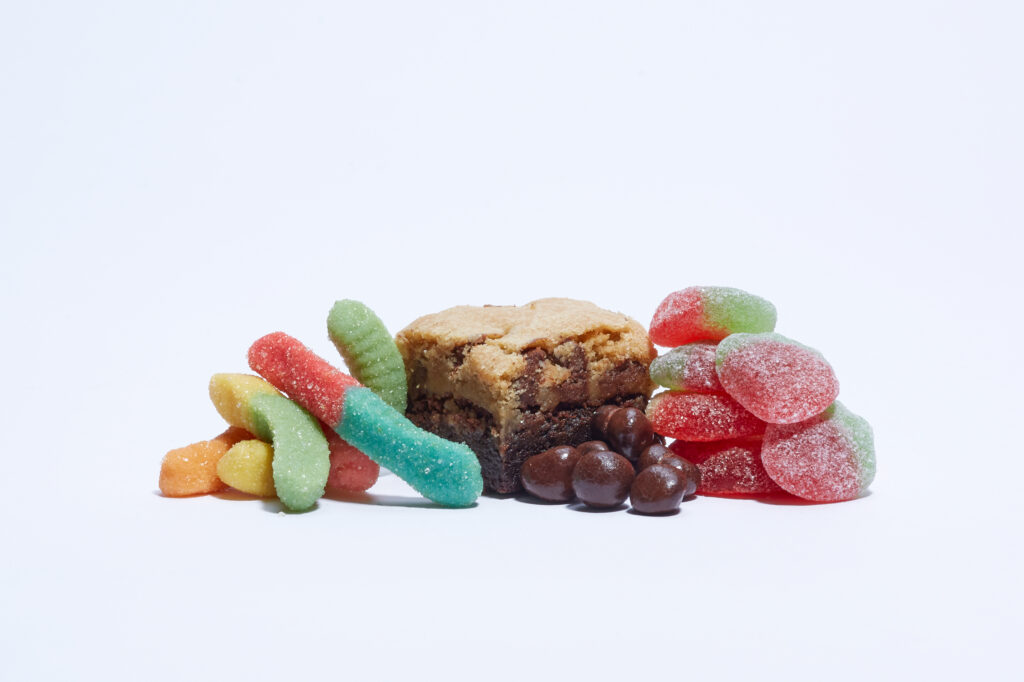
How high potency edibles interact with metabolism and onset timing
High-potency edibles hit differently because your body converts THC into a stronger compound, delays when effects begin, and can stack multiple doses into a single peak. That combination changes how the experience builds, making higher doses feel more intense and less predictable than inhaled cannabis....
Read More
How 1:1 Gummies deliver dual cannabinoid effects
1:1 gummies feel more controlled because CBD changes how THC signals in the body. The effect builds slower, peaks with less volatility, and stays easier to manage. If you've ever taken an edible and felt it come on harder than expected, you already know how...
Read More
Why vape pens clog (and what's actually causing it)
Vape pens don't clog randomly. Oil thickens, vapor cools, and residue starts stacking inside the cartridge until airflow chokes off. Most people notice it when the draw gets tight or the hit drops off. By that point, the blockage is already forming —usually near the...
Read More
No settings, no adjustments: how AIO vape pens control heat, flow, and flavor by design
AIO vape pens are built to remove decisions. No settings. No dialing in. Heat, airflow, and oil delivery are preset at the hardware level—and that relationship defines how the device hits. The system runs the variables. Each pull follows the same pattern. That consistency is...
Read MoreThe information contained in this site is provided for informational purposes only, and should not be construed as medical or legal advice.