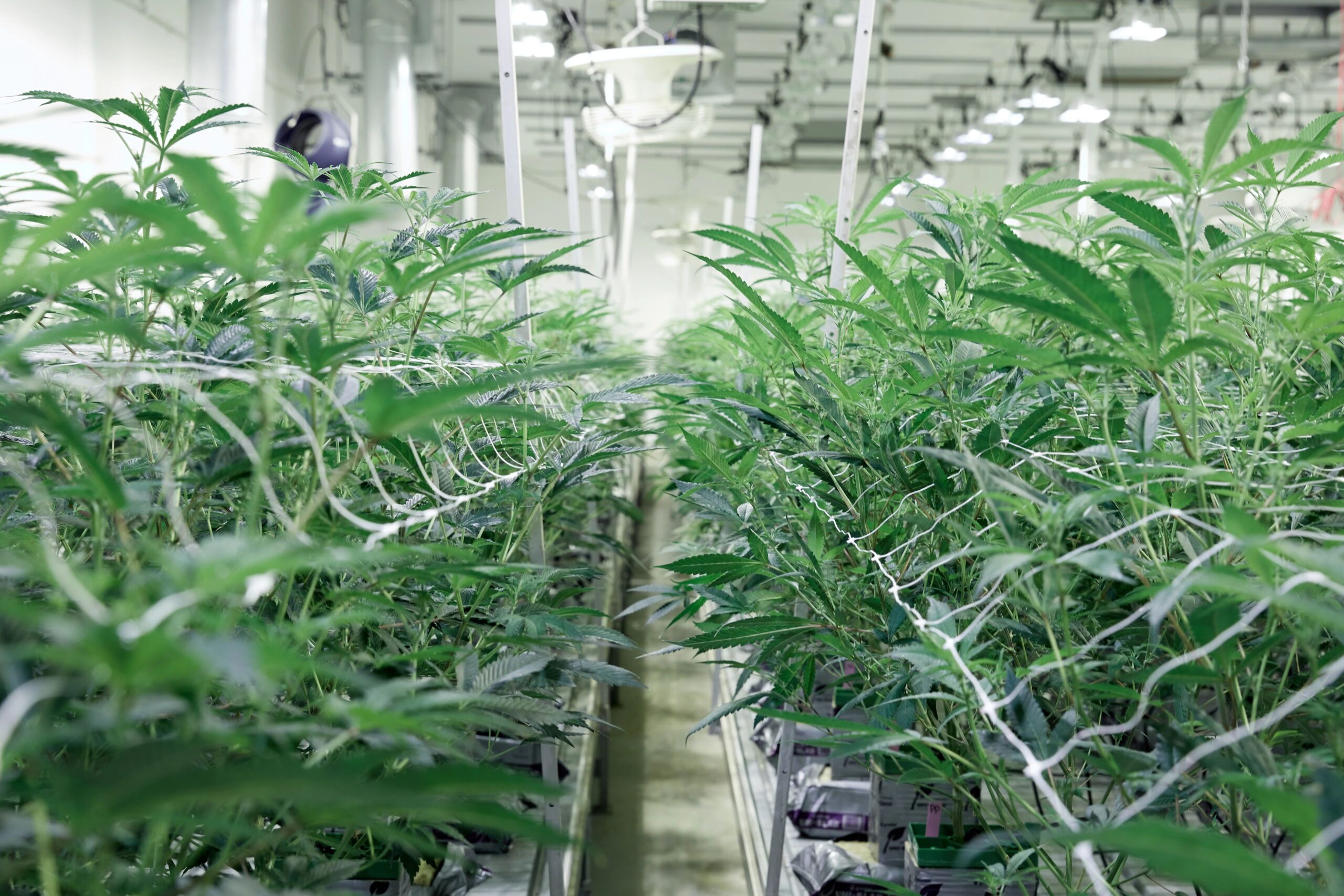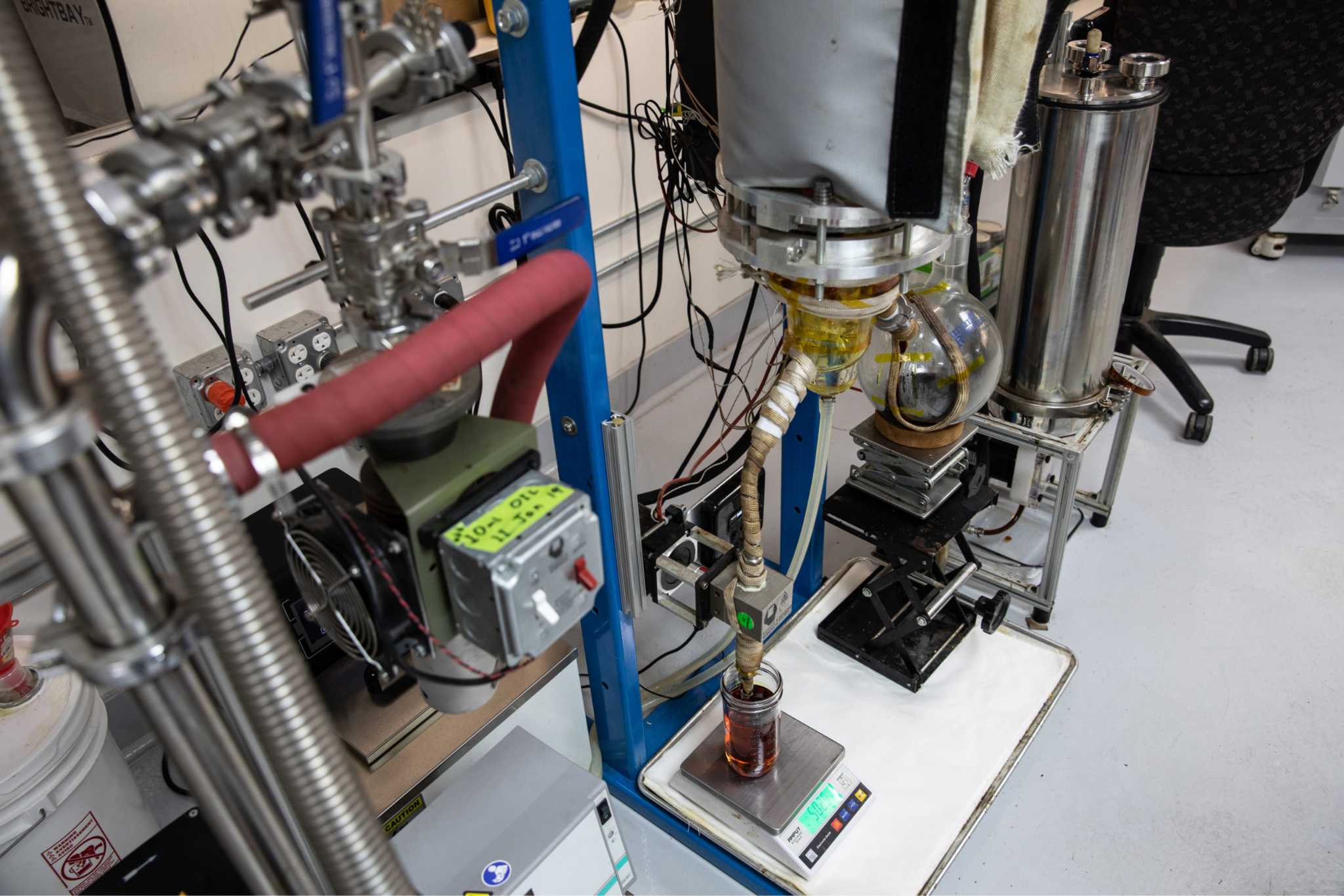
Residual solvents reveal what stayed behind after cannabis extraction and whether a concentrate was properly purged, refined, and tested before reaching consumers. A clean solvent panel says far more about extraction quality than THC percentage alone.
 Photo by: Gina Coleman/Weedmaps
Image lightbox

A concentrate can look beautiful and still raise questions once you open the COA. The texture may look clean, the terpene profile may smell loud, and the dab may even taste smooth — none of that touches what happened inside the closed-loop system before it got packaged.
Laboratories testing for residual solvents aren't just running compliance checks. They're documenting whether the extraction and refinement process actually finished.
For experienced concentrate consumers, the solvent panel provides a clearer picture of production quality than potency alone.
What residual solvents are
Residual solvents are leftover extraction chemicals that remain in cannabis oil after processing. During extraction, solvents dissolve cannabinoids and terpenes away from plant material so the oil can be refined into concentrates.
Hydrocarbon extraction commonly uses butane, propane, or blended gases. Ethanol extraction relies on alcohol-based solvents. Some workflows introduce additional chemicals during winterization or refinement stages — compounds that also show up on a complete solvent panel.
After extraction finishes, those solvents are removed through purging and refinement. Residual solvent testing measures how much actually remained. Commonly tested compounds include butane, propane, isobutane, ethanol, pentane, and hexane — each with regulatory action limits that help verify the process ran to completion.
The role of purging in cannabis extraction
The extract that comes out of a closed-loop system isn't finished. Purging is what makes it a product.
Controlled heat, vacuum pressure, airflow, and time work together to pull volatile compounds out of the oil matrix. Rush any of those variables and solvent gets trapped — not in a way that's always visible, not in a way the texture or smell will reveal.
Concentrate form matters here. Dense structures like shatter can behave differently than sauce or badder during vacuum processing, creating different purge challenges. A slab that's too thick, a vacuum cycle that's too short, or oil that gets packaged before it stabilizes — any of those can show up later on a solvent panel even when the dab looks and tastes clean.
What the solvent panel reveals about extraction quality
THC percentage dominates a lot of concentrate marketing, but the solvent panel tells a more honest story about production quality.
A high-potency concentrate can still show weak purge performance, inconsistent refinement, or thin testing transparency once the solvent results get examined. Concentrates are highly concentrated by design — small residual amounts carry more weight here than they would in a less refined product.
Experienced concentrate consumers increasingly examine batch-specific COAs, solvent panels, and testing methodology instead of relying exclusively on THC percentages.
"ND" on a solvent report doesn't mean zero
"ND" means not detected — but detected by what, at what threshold, using which method?
Every laboratory operates with detection limits, quantitation limits, and instrument sensitivity thresholds that define what can actually be measured. A solvent sitting below the lab's reporting floor shows up as ND even if trace amounts remain present.
The limit of quantitation — LOQ — is the lowest concentration a lab can confidently measure and report. Two COAs can both show ND while operating with completely different sensitivity underneath. That gap is worth understanding before treating ND as an absolute zero.
How hydrocarbon testing reveals purge performance
Hydrocarbon extraction produces some of the most flavorful concentrates available when the process runs clean. The solvent panel is where "ran clean" either gets confirmed or doesn't.
Elevated butane, propane, or isobutane levels across multiple batches from the same producer point toward process consistency issues — not necessarily unsafe product, but a workflow that isn't fully dialed. Thick slabs, shortened vacuum cycles, premature packaging: all of it shows up in the numbers before it ever shows up in the experience.
Matching a COA to the correct batch

Image lightbox

A solvent panel only matters if it belongs to the product in hand.
Batch number, lot ID, sample identifier — those fields connect a specific production run to a specific test result. Scanning a QR code without cross-referencing those identifiers means the report could belong to an entirely different run. Traceability breaks the moment that connection fails.
A proper COA links the concentrate, the batch, and the lab report without ambiguity.
What transparent solvent testing looks like
The COAs worth trusting aren't hard to read; they're just complete. Solvents tested, measured values, reporting thresholds, compliance status, all of it present, batch-specific, and matched to the product.
Branding tells you what a producer wants you to think. A complete solvent panel, matched to the correct batch, with clearly documented LOQs, tells you what actually happened during processing.
Beyond THC percentage

The solvent panel doesn't replace potency data — it contextualizes it. A concentrate can pass every compliance threshold and still reveal inconsistent purge performance, thin testing transparency, or process variability that appearance and aroma never would.
That's the difference between a product that tested clean and a production workflow you can actually trust.
Find lab-tested concentrates, vape carts, and trusted dispensaries near you.