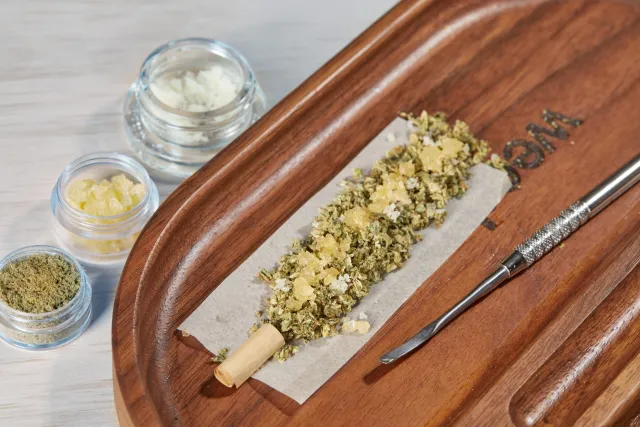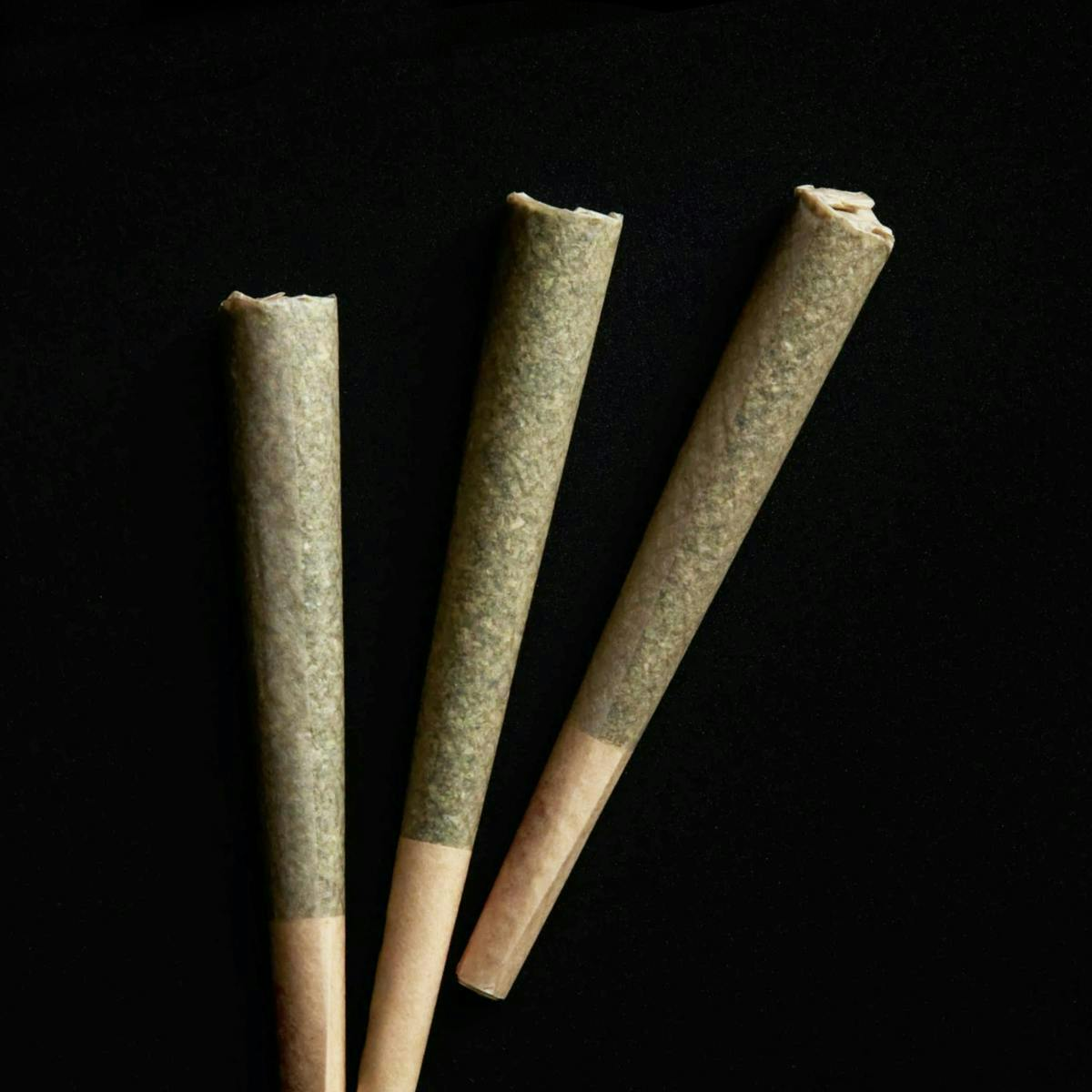
That outer layer changes how the joint burns. Kief is made of trichome-rich material, which means the outside of the pre-roll carries more resin, more surface area, and more combustible material than paper and flower alone.
 Photo by: Gina Coleman/Weedmaps
Image lightbox

The first few pulls can feel louder, stronger, and more flavorful. It can also make the pre-roll burn hotter, canoe faster, or feel harsher if the coating is dry, uneven, or poorly stored.
Everything that follows starts at the surface. Before the flower core fully ignites, the coating is already interacting with heat, oxygen, and airflow. Those first seconds shape much of what comes next.
Why the kief exterior creates a hotter burn zone
A kief exterior creates a hotter burn zone because it changes the relationship between fuel, oxygen, and heat.
Standard pre-rolls burn from the paper and flower outward through a fairly familiar structure. Kief coated pre-rolls add a trichome-rich layer to the outside, which means the surface catches heat quickly and feeds the cherry differently.
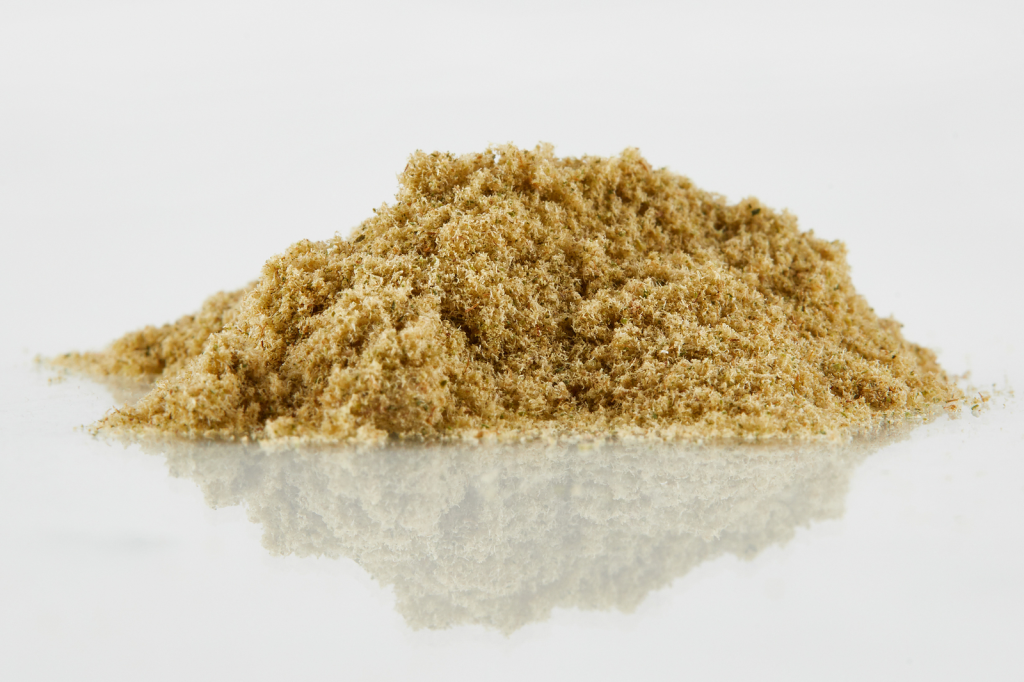
That outer layer is finer than ground flower. It exposes more material to oxygen at once. It also holds concentrated resin near the rim, where the flame and airflow are most active.
The result is a burn that develops from the exterior inward rather than igniting uniformly across the roll.
More surface area, faster ignition
Kief ignites quickly because it has a fine, powdery texture.
Compared with larger pieces of flower, kief exposes much more surface area to oxygen. More surface area means the flame can interact with more material at once, which is why the coating can catch faster than the inner flower.
In practice, this can make a kief coated pre-roll feel easy to light. The tip may glow quickly, and the first pull may feel strong almost immediately.
That fast ignition is part of what makes coated pre-rolls appealing. It also means the burn can become uneven if the coating races ahead of the flower beneath it. A frosty-looking pre-roll can start canoeing surprisingly quickly when the exterior and core fail to burn at the same pace.
A resin-rich shell concentrates heat
Kief is rich in trichomes, and trichomes carry cannabinoids and terpenes.
When kief sits on the outside of the pre-roll, that resin-rich material becomes the first part exposed to high heat. The rim becomes the hottest part of the burn, and the smoke can feel denser or sharper as that outer shell combusts.
The coating reaches the flame front immediately, putting cannabinoid- and terpene-rich material into the hottest part of the burn from the first draw.
The tradeoff is temperature. When the burn edge gets too hot, flavor compounds disappear faster and the smoke can feel rougher than intended.
Airflow shifts from core to edge
Air follows the path of least resistance.
Once the kief exterior and paper begin burning, the outside edge can become more porous than the center. Oxygen may feed the rim more aggressively than the flower core, reinforcing a hotter outside burn.
In poorly constructed pre-rolls, the result can look almost hollow, with the exterior advancing while the center struggles to keep pace.
When the roll is packed evenly and the coating is applied well, the burn can stay balanced. When the pack is tight, loose, bent, or uneven, the coating can make those flaws more obvious.
What hotter combustion does to taste and hit

Image lightbox

The same coating that changes the burn also changes how flavor and intensity arrive during the session.
A kief coated pre-roll can deliver a loud first impression because the outer layer heats quickly. That can release aroma compounds fast and front-load some of the cannabinoid-rich material.
But “loud early” is not always the same as “flavorful all the way through.”
If the edge runs too hot, terpenes can disappear quickly. If airflow becomes uneven, harshness can rise. If the coating is old or dry, the first pull may taste more burnt than aromatic.
The same coating that amplifies flavor and intensity can also magnify construction flaws, storage issues, and poor lighting technique.
Why flavor peaks early
Terpenes are delicate aromatic compounds.
They are responsible for much of the smell and flavor people notice in cannabis: citrus, pine, gas, fruit, earth, pepper, herbs, flowers, or funk. Many terpenes are volatile, which means heat can make them evaporate or degrade quickly.
A kief coated pre-roll puts terpene-rich material directly on the surface. That can create a strong first burst of aroma and flavor.
The trade-off is speed. If the coating gets too hot too quickly, the flavor can peak early and fade before the pre-roll is halfway done.
Some coated pre-rolls deliver their most vivid flavor during the opening pulls, then gradually lose complexity as the hotter exterior burns through the most aromatic material.
Slower pulls and an even light can help preserve more flavor across the session.
THC delivery spikes early
Kief coated pre-rolls can feel more intense at the beginning because the outer layer is exposed first.
Kief contains concentrated trichome material, so the first section of the burn may deliver a more resin-forward smoke than a standard pre-roll. Users often describe this as a quicker or heavier early hit.
That does not mean every kief coated pre-roll is automatically stronger than every infused or flower-only pre-roll. Potency depends on the flower, the kief, the total cannabinoids, the coating amount, and how the product is built.
But the format can change the pacing.
A standard pre-roll builds more gradually. A kief coated pre-roll may feel front-loaded because the outside layer is active right away.
The front-loaded experience can catch some consumers off guard, particularly compared with the slower ramp of a traditional flower-only pre-roll.
Harshness comes from hot edges
Harshness comes from heat, dryness, uneven burn, or all three.
With a kief coated pre-roll, the outer edge can run hotter than the center. That hotter edge can make the smoke feel sharper in the throat, especially during the first few pulls.
A dry coating makes this worse. Dry kief can ignite fast, shed easily, and burn hotter than a fresher, better-adhered coating. An uneven coating can create hot spots, where one section burns faster and pulls the cherry off-center.
A quality kief coated pre-roll should feel fuller and more resinous than a standard joint. It should not taste scorched, papery, or overly abrasive from the first draw.
Storage and lighting fixes that stop canoeing

Image lightbox

A kief coated pre-roll is more sensitive than it looks.
The coating is exposed. The trichomes sit on the outside. The surface can dry out faster than the flower core. That means storage and lighting make a big difference.
You cannot fix a poorly made pre-roll completely, but you can avoid making a good one worse.
Keep it sealed, cool, and dark. Light it evenly. Start with slower pulls. Give the core time to catch up to the coating.
The outer layer burns fast. Your job is to keep it from running away.
Glass, dark, and 60–70°F
Kief coated pre-rolls should be stored like something fragile.
An airtight glass jar stored in a cool, dark location helps preserve the coating and slows the drying that can make a pre-roll burn aggressively.
Avoid leaving coated pre-rolls in warm cars, sunny windows, loose plastic bags, or open retail-style tubes after purchase.
Heat dries the exterior, light degrades cannabinoids and terpenes, and oxygen gradually dulls aroma and freshness.
Aim for a stable room-temperature range around 60–70°F. The goal is simple: keep the coating intact, aromatic, and evenly combustible.
Even toast and slow first pulls
Canoeing starts at the light.
A kief coated pre-roll needs a patient start because the outside catches faster than the core. If you blast one side with flame and immediately pull hard, the coating can ignite unevenly and drag the burn line with it.
Toast the tip evenly before taking a full draw. Rotate the pre-roll as you light it so the entire rim begins glowing at the same pace.
Then keep the first pulls gentle.
Slow first draws help the flower core catch up with the kief exterior. Hard pulls feed too much oxygen into the hottest edge, making the outer layer burn faster and increasing the chance of canoeing.
If one side starts running, stop pulling for a moment. Let the cherry settle. Then relight the slower side carefully instead of dragging harder through the problem.
A patient light and measured draw speed usually produce a cleaner, more even session than trying to force the burn forward.
Why coating quality matters

Kief coated pre-rolls burn, hit, and taste differently because the outside layer changes the whole combustion pattern.
The coating increases surface area, concentrates resin at the burn edge, and exposes cannabinoid- and terpene-rich material directly to the hottest part of the flame.
The coating itself is not the deciding factor. Construction quality, freshness, storage conditions, and lighting technique have just as much influence on how the pre-roll performs once it is lit.
Shop by coating quality, aroma, draw, storage, and label detail, not just the fact that the pre-roll looks frosty.
Explore more on Weedmaps to compare kief coated pre-rolls, browse dispensary menus, or find licensed delivery services near you.