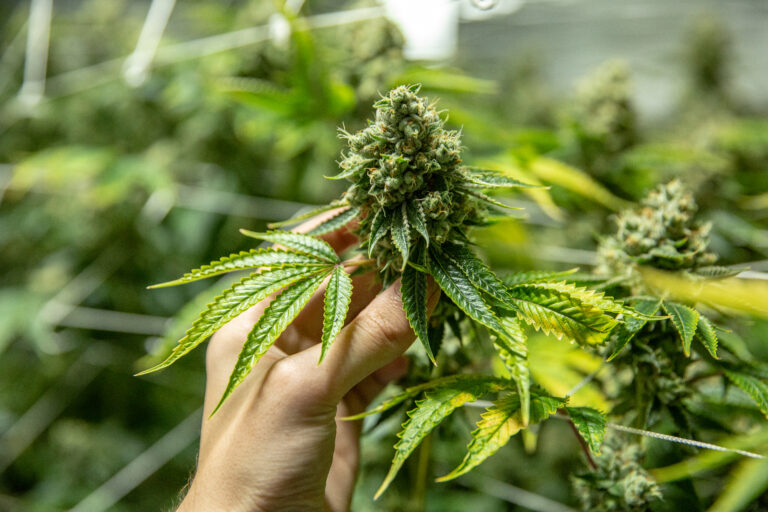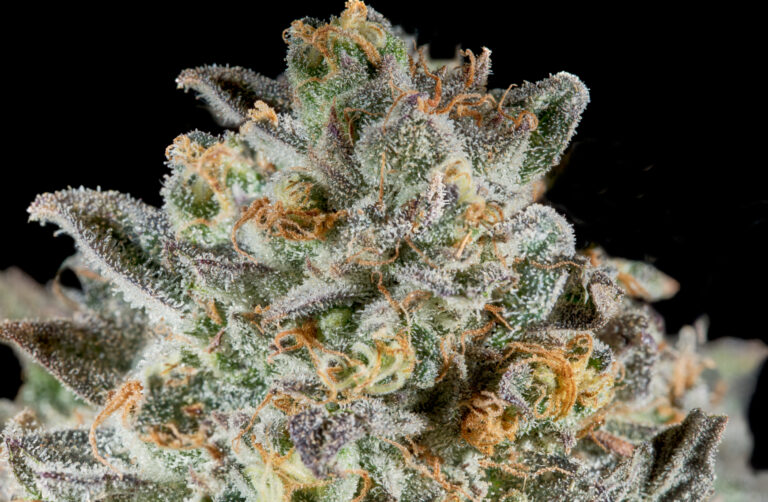
Frosty weed usually means the flower is covered in visible trichomes, the tiny resin glands that hold much of the plant's cannabinoids and terpenes. That can be a quality signal, but only when the frost comes from intact, mature trichome heads: not glare, dust, residue, or old flower that still looks pretty.

Image lightbox

The problem is that “frosty” has become a shortcut. Shiny buds sell. Close-up photos sell even harder. But bag appeal is only the first clue. Trichome structure, aroma, freshness, and lab results tell the fuller story.
A bud can look coated and still smell flat. Another can look less dramatic in a photo but deliver a cleaner, richer profile because the trichomes are intact and the batch is fresh.
The goal is not to ignore frost. It is to know what kind of frost matters.
What the crystal coating on weed actually is
The crystal coating on weed is usually made of trichomes. These are tiny glandular structures on the surface of cannabis flower and sugar leaves.
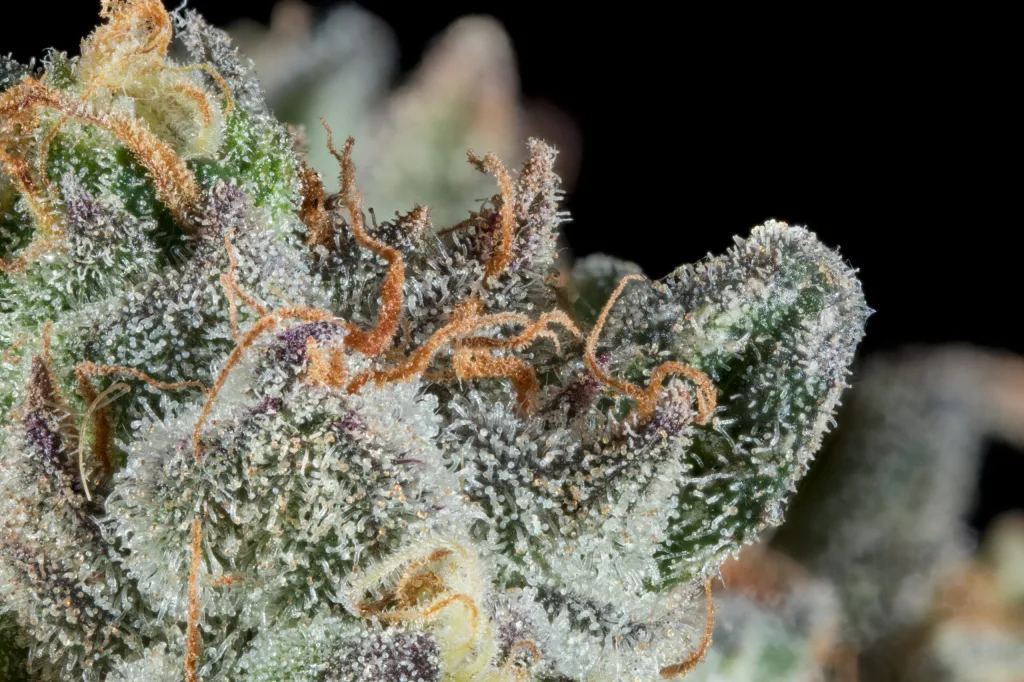
The most important ones are capitate-stalked trichomes. They look like tiny mushrooms under magnification: a stalk with a round head on top. That head is where the plant produces and stores much of its resin.
That resin contains cannabinoids like THC and CBD, plus terpenes that help shape aroma and flavor.
This is why frosty flower often gets associated with potency and quality. More visible resin can mean more of the compounds shoppers care about.
But “visible” is doing a lot of work there.
Some trichomes are larger and easier to see. Some cultivars produce resin that photographs beautifully. Some buds catch light in a way that looks frostier than they are. And some flower loses trichome heads through rough handling while still keeping a little sparkle on the surface.
Frost is useful. It is not proof by itself.
Why trichome heads matter more than shine

Image lightbox

When judging frosty weed, the trichome head matters more than the sparkle.
A mature, intact trichome head holds resin. A stalk without a head is less meaningful. A shiny patch without visible granular structure is not the same thing as healthy trichome coverage.
Under magnification, quality frost should look like many tiny points with rounded heads. The coverage should look natural and consistent across the bud's surface, especially around calyxes and sugar leaves.
Random shine is different. It can come from light, leaf texture, handling damage, loose kief, or residue. It may look impressive in a photo, but it does not always signal a better smoke.
Ripe trichomes also have a color story. Clear heads are usually earlier. Cloudy or milky heads often signal fuller maturity. Amber heads suggest later maturity. None of those are automatically “best,” but they help explain why two frosty buds can feel different.
A better question than “Is it frosty?” is “Are the trichome heads intact, mature, and evenly distributed?”
Why high-quality flower can look less frosty
Not every good flower looks snow-covered. Some cultivars produce smaller or less obvious trichomes. Some hold resin tighter to the bud structure. Some batches have excellent aroma and chemistry but do not create the dramatic white coating people expect from product photos.
Handling also matters. Trichome heads can break off during trimming, packaging, shipping, or repeated jar openings. A batch can start strong and lose visible frost before it reaches the consumer.
Photography adds another layer. Bright flash and harsh lighting can make mediocre flower look like it was dipped in glitter. Softer lighting may show less sparkle but more honest structure.
Freshness is part of the picture too. Older flower can keep some visible frost while losing volatile terpenes. That means it may still look appealing but smell muted, taste flat, or feel less defined.
Frost should open the conversation. It should not end it.
How to tell trichomes from mold or residue
Real trichomes and contamination do not look the same. Trichomes appear as tiny, separate points. Under magnification, many will have visible heads. They tend to follow the natural structure of the flower.
Mold looks more like fuzz, webbing, or spreading patches. It can sit deep inside dense buds or appear where airflow was limited. It usually does not look like clean, individual dots.
Residue can look like a flat coating, streak, smear, or clump. It may sit on the outside of the flower rather than growing naturally from it.
If the crystal coating looks patchy, fuzzy, smeared, or strangely uniform like powder, treat it as a red flag. Healthy trichomes should look granular and plant-connected, not like something dusted onto the bud.
Smell can help too. Frosty flower should still smell like cannabis: citrus, gas, pine, fruit, earth, spice, herbs, or something clearly terpene-driven. Musty, damp, hay-like, or stale smells are not quality signals.
When the visual read is uncertain, do not use frost as proof. Licensed retailers and tested products matter because they give you more than a photo to trust.
When frosty weed predicts quality
 Photo by: Gina Coleman/Weedmaps
Image lightbox

Frostiness is most useful when it lines up with other signals.
The bud should show even trichome coverage. The heads should look intact. The aroma should be clear and specific. The flower should not feel overly dry, brittle, or dead. The batch should have recent freshness information when available.
Then the lab results should support the look.
A certificate of analysis, or COA, can show cannabinoid percentages, terpene totals, and contaminant testing. If the flower looks loud but has low terpene totals and a stale aroma, the frost may be more visual than functional.
If the flower looks moderately frosty but has a strong terpene profile, fresh harvest or package dates, and a clean test, it may be the better buy.
This is where frosty weed becomes a real quality signal: when the eyes, nose, freshness cues, and lab results all tell the same story.
When the COA should overrule the photo
A product image can make frost look stronger than it is. It cannot tell you whether the batch is terpene-rich, cleanly tested, or fresh. A COA can.
Start with cannabinoids for baseline strength. Then check total terpenes for aroma and flavor potential. If the COA lists dominant terpenes, compare them with what the flower smells like.
A frosty bud with low terpene content may still be potent, but it may not deliver much flavor or aromatic complexity. A terpene-rich bud with less dramatic frost may feel more expressive in actual use.
Freshness dates matter here too. A test from months ago may not reflect how the flower smells today if it was stored poorly. Terpenes are volatile, and older flower can lose the parts that made it special.
Use photos to decide what to inspect. Use the COA to decide what to trust.
The bottom line

Frosty weed can be a real quality signal, but only when you know what you are looking at.
Intact trichome heads matter more than random sparkle. Aroma matters more than a pretty photo. Freshness and COAs matter more than hype.
Use frost as the first clue, not the final answer. If the flower looks resin-rich, smells defined, has recent freshness details, and is backed by clean lab data, the crystal coating is doing real work.
Explore more on Weedmaps to compare flower, browse dispensary menus, and find licensed retailers near you.