
Alex Yeager
Alex Yeager is a California-born cannabis writer who learned the plant before the modern cannabis industry took shape. Raised on the Monterey Peninsula with roots in the pre-helicopter grow days of Big Sur, he’s spent more than a decade covering strains, science, and cannabis politics with a practiced skepticism for hype and official stories. When he’s not making pottery or riding trails, he’s still chasing the same thing — what’s real, what works, and what doesn’t survive scrutiny.
167 Contributions
Showing page 7 of 17
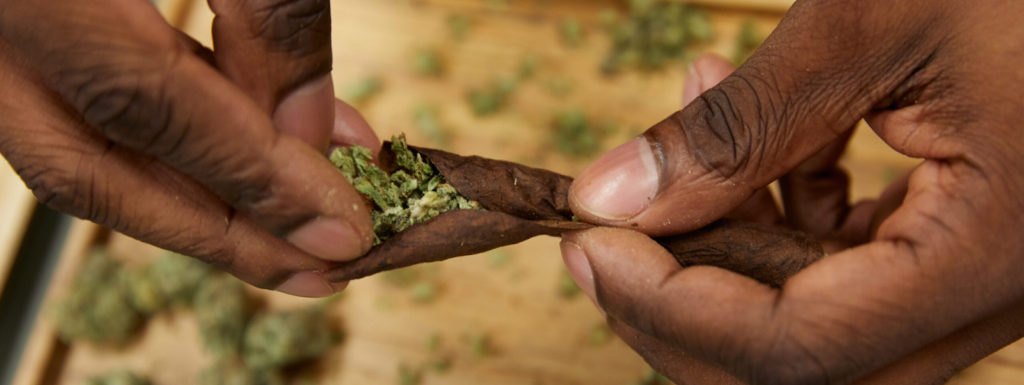
Why mini blunts work better for daily use
Mini blunts make it easier to stay intentional throughout the day. A full-size blunt commits you to a longer session the moment you light it — and most people don't stop halfway through. For daily use, that adds up fast. Mini blunts keep sessions short...
Read More
Cannabis rescheduling: what Schedule III means for consumers
Rescheduling won't change how you buy cannabis tomorrow — but it will change what the industry looks like over time. Cannabis has been stuck in the most restrictive federal category for over 50 years. Moving it to Schedule III doesn't legalize it, doesn't open interstate...
Read More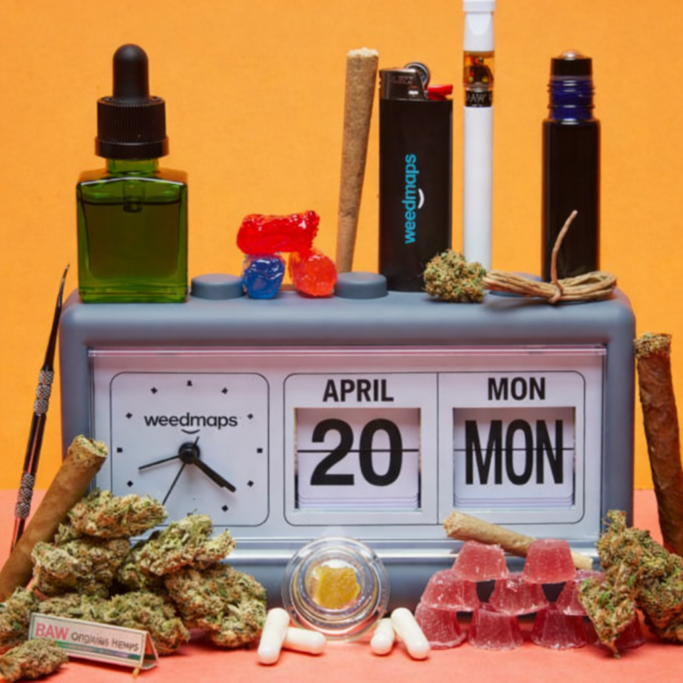
Fire Up, It's 4/20: How the Day Actually Plays Out
420 isn't random — dispensary menus, deals, and product availability follow a clear daily cycle driven by traffic, timing, and inventory turnover. What starts as a plan — meet here, grab this, hit that dispensary — usually turns into a rolling sequence shaped by timing,...
Read More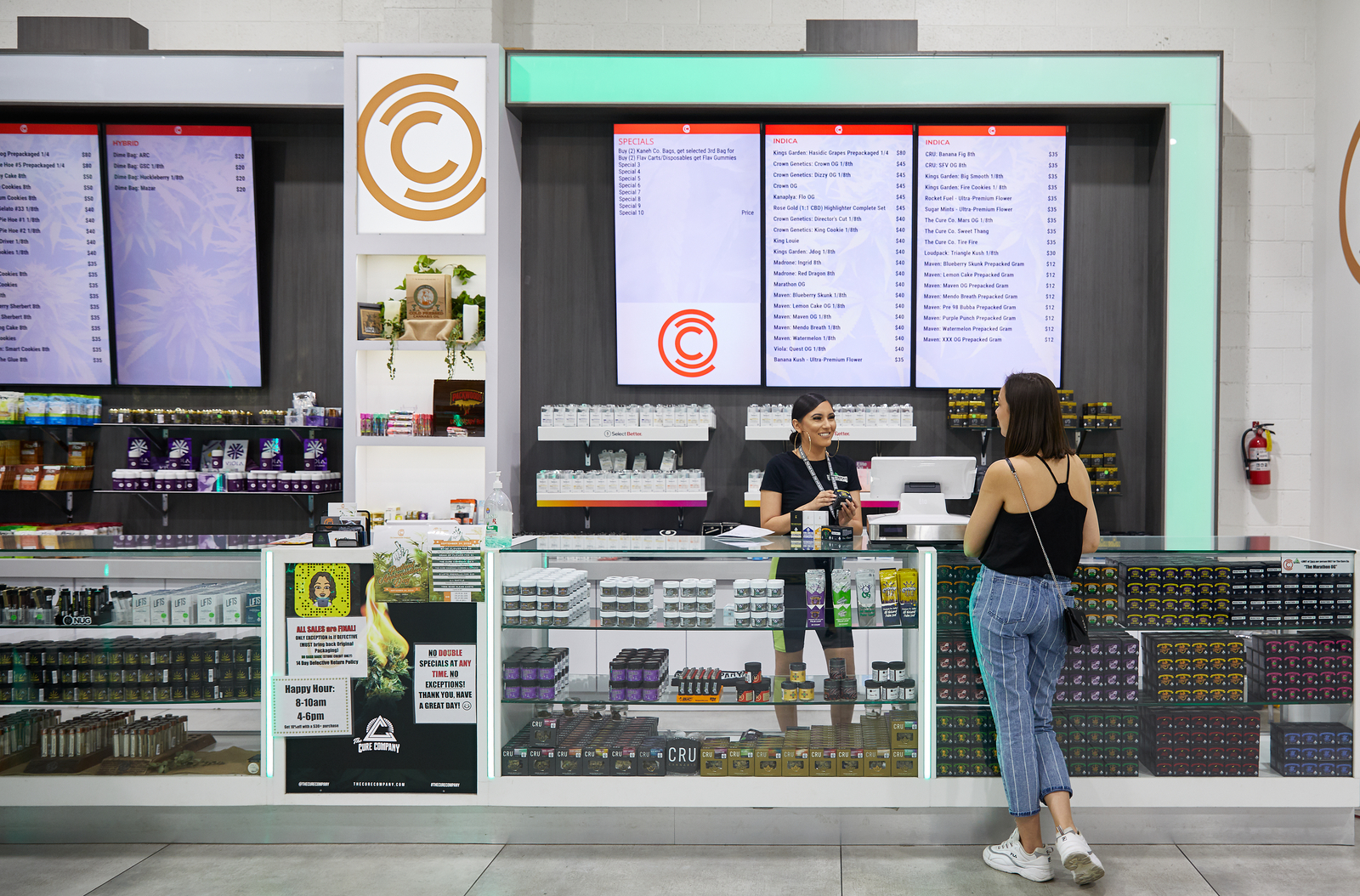
How dispensary deals actually work: flash sales, daily discounts, and when to buy
Dispensary deals aren't random. They follow predictable retail patterns tied to timing, demand, and customer behavior; once you understand the system, you can stop guessing and start paying less. Dispensaries run deals for the same reasons every retailer does: to move inventory, fill slow hours,...
Read More
The four elements of sport: cannabis, recovery, and athletic performance
Earth, wind, fire, water. The four elements of sport define how the body takes on stress, and where cannabis products fit into recovery, repair, and performance after the work is done. That conversation lives in recovery: how cannabinoids interact with the endocannabinoid system to influence...
Read More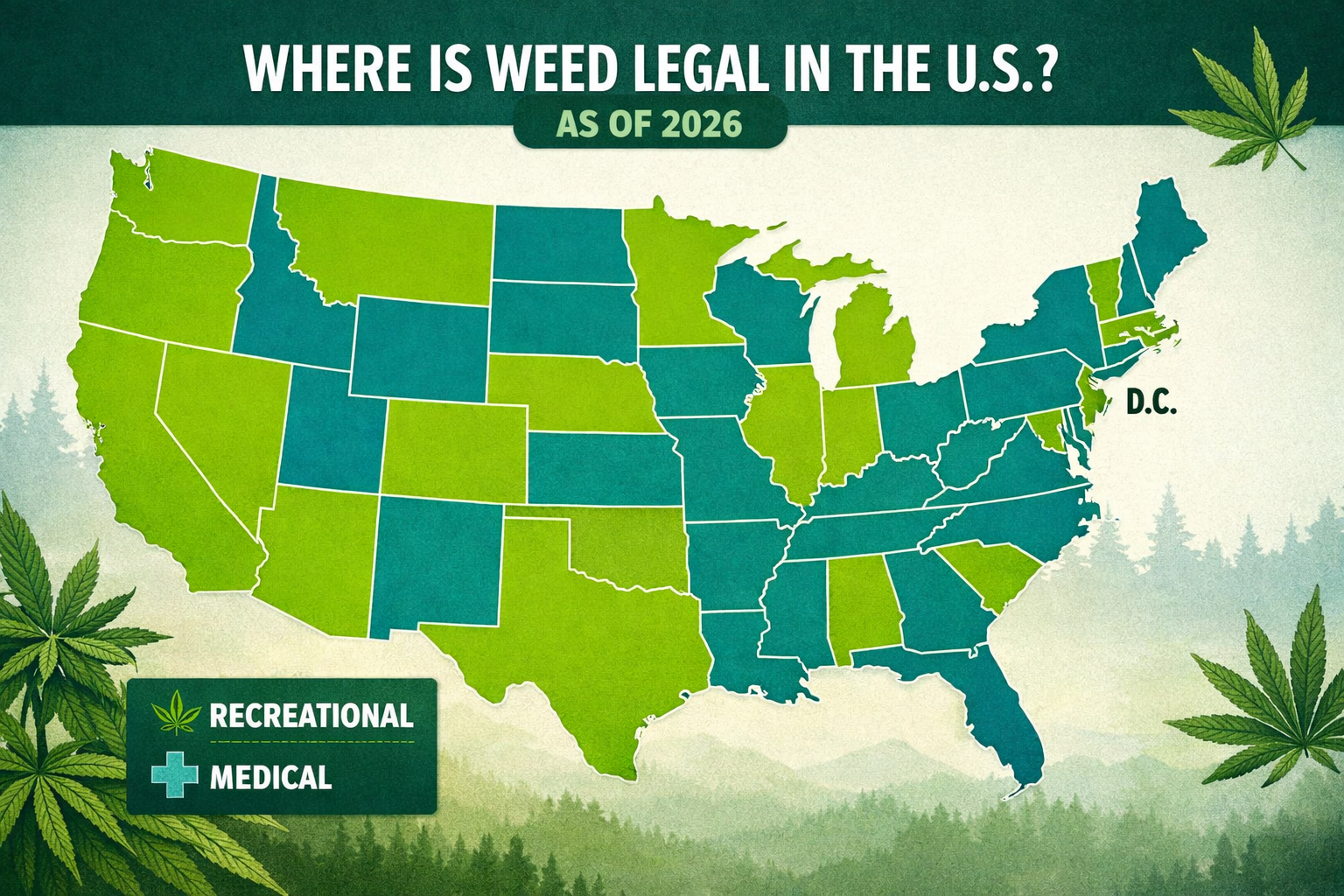
Where is weed legal in the U.S.? Here's what “legal” actually looks like in 2026
Cannabis is legal across much of the U.S., but access depends on the state—some allow full retail sales, others limit use to medical programs, and federal law still applies everywhere. Weed is legal across most of the U.S.—but that word doesn't mean the same thing...
Read More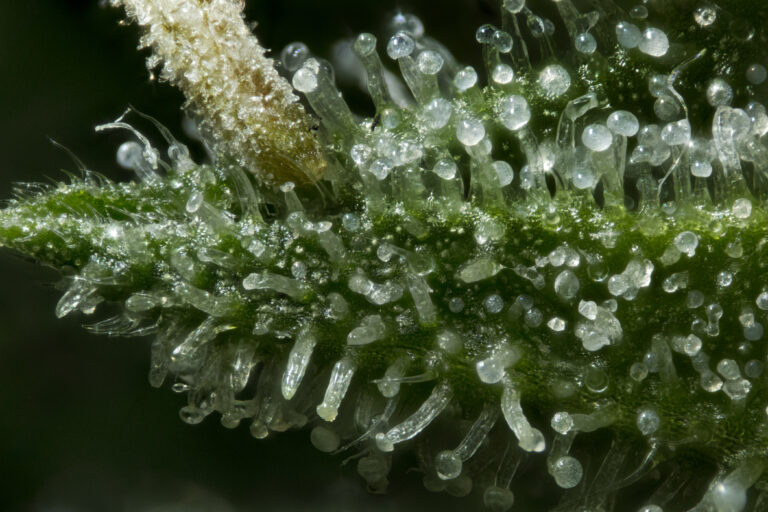
THC vs. THCA in the real world: smoking, vaping, and what actually reaches your system
THCA and THC are not the same compound in practice. Cannabis flower contains mostly THCA, which only becomes THC when heat is applied. Smoking or vaping drives this conversion, and what actually reaches your system depends on how efficiently that process happens. Cannabis flower is...
Read More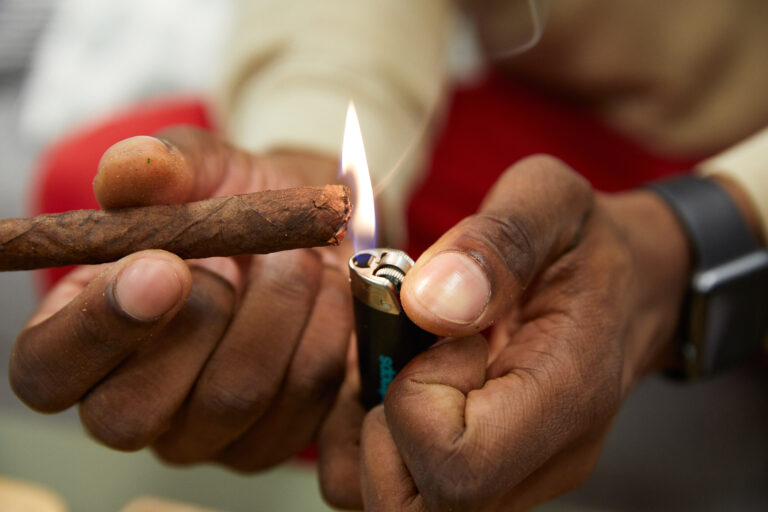
Are infused blunts worth it? Potency, longevity, and overall experience compared
Infused blunts push potency higher by layering concentrates into flower, but that added intensity changes how the blunt burns, pulls, and holds up over time. When they're rolled right, they hit harder and last longer. When they're not, the burn turns uneven, and the session...
Read More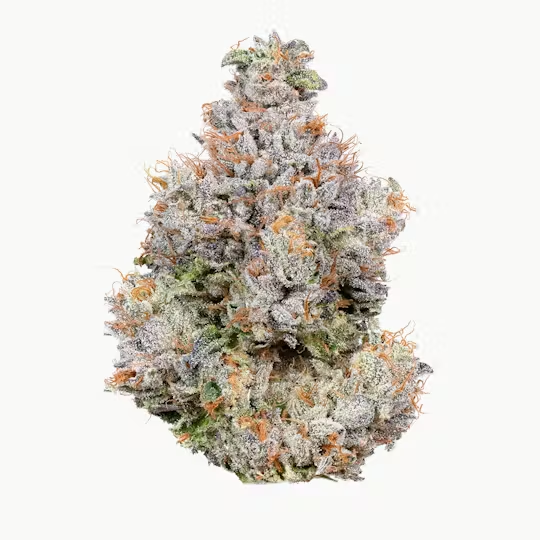
Big bud density and structure: cell expansion, resin production, and mechanical support
Bud size doesn't define quality. Large buds come from aggressive growth and expansion, but performance comes from resin production, density, and how well the structure holds together. At a glance, bigger buds tend to dominate the jar. They take up space, photograph well, and signal...
Read More
Popcorn buds explained: light, growth, and plant structure
Popcorn buds form because cannabis plants prioritize light, hormones, and energy at the top of the canopy. The upper canopy wins the competition for resources, while lower branches get outpaced, receiving less light, less energy, and less development. This limits growth and produces smaller, less...
Read MoreThe information contained in this site is provided for informational purposes only, and should not be construed as medical or legal advice.