
Alex Yeager
Alex Yeager is a California-born cannabis writer who learned the plant before the modern cannabis industry took shape. Raised on the Monterey Peninsula with roots in the pre-helicopter grow days of Big Sur, he’s spent more than a decade covering strains, science, and cannabis politics with a practiced skepticism for hype and official stories. When he’s not making pottery or riding trails, he’s still chasing the same thing — what’s real, what works, and what doesn’t survive scrutiny.
211 Contributions
Showing page 16 of 22
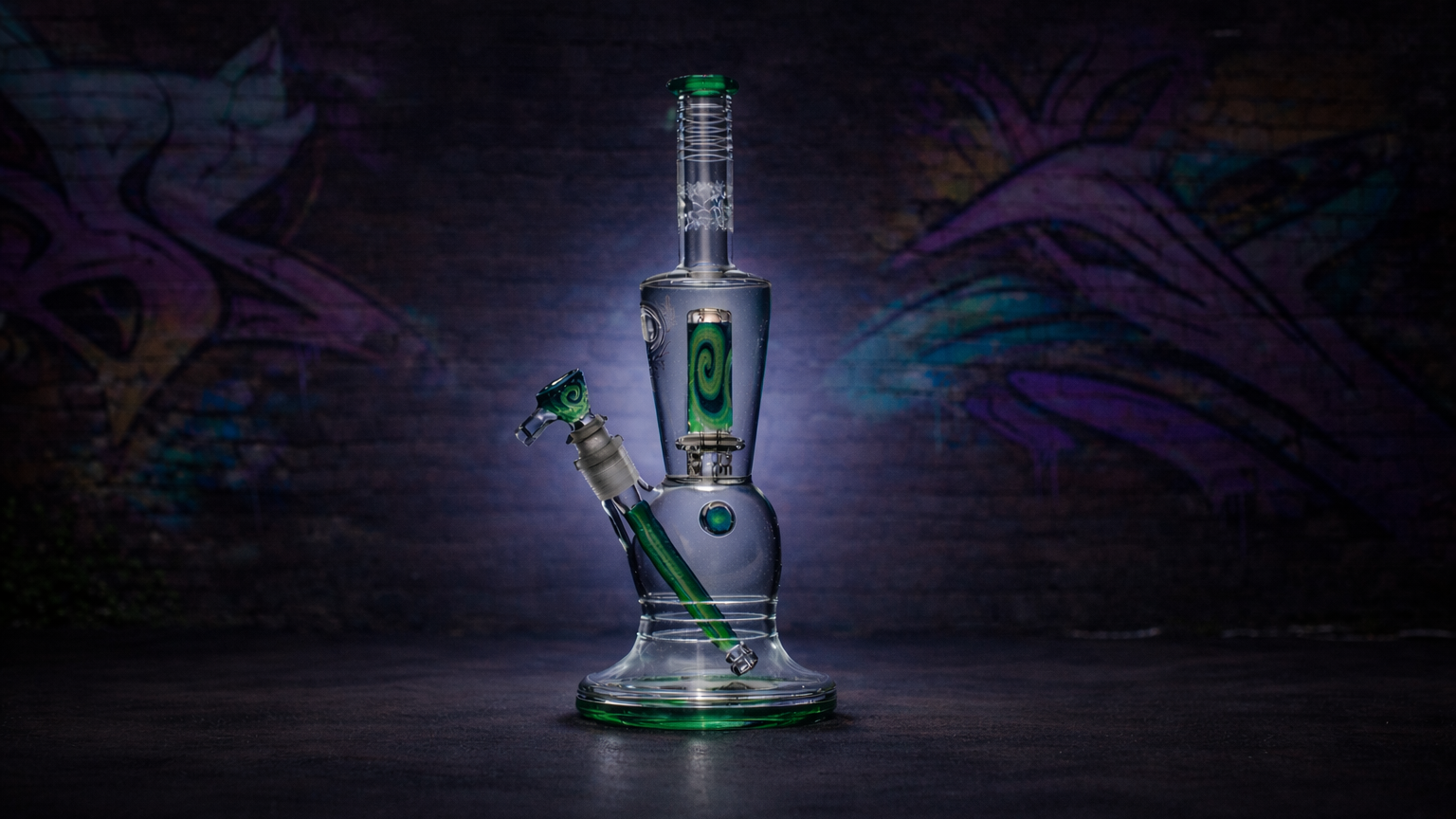
Best bong for beginners and experienced smokers: what actually matters?
The best bongs prioritize smooth airflow, clean flavor, and consistent hits without overcomplicating the experience. For beginners, that usually means a smaller, straightforward piece with basic water filtration that gets the job done right. Flashy designs don't fix bad airflow. What actually matters is how...
Read More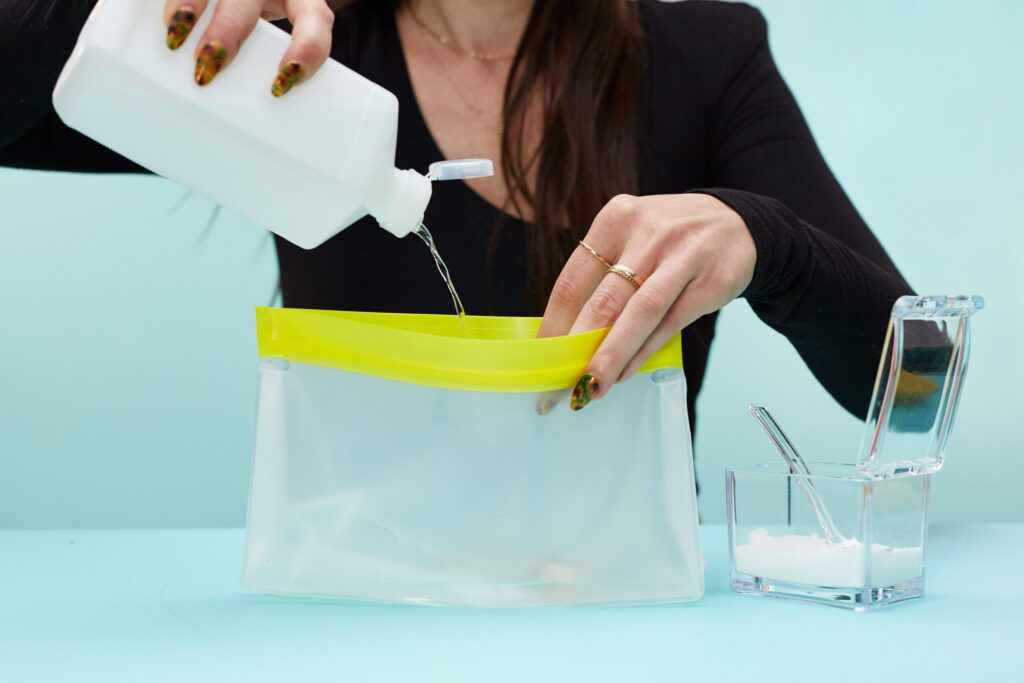
Bong cleaning 101: the best methods for removing resin and buildup
To clean a bong, rinse it with warm water, add isopropyl alcohol and coarse salt, then shake to remove resin buildup before rinsing thoroughly. If your bong tastes off or hits feel harsh, it's dirty. Cleaning it is simple: rinse with warm water, add isopropyl...
Read More
How electric dab rigs work: batteries, heating, and temperature control
Electric dab rigs (e-rigs) use a battery-powered heating system to vaporize cannabis concentrates at controlled temperatures, eliminating the need for a torch. Dabbing used to require a torch, precise timing, and a bit of practice. Electric dab rigs remove that variable. Instead of manually heating...
Read More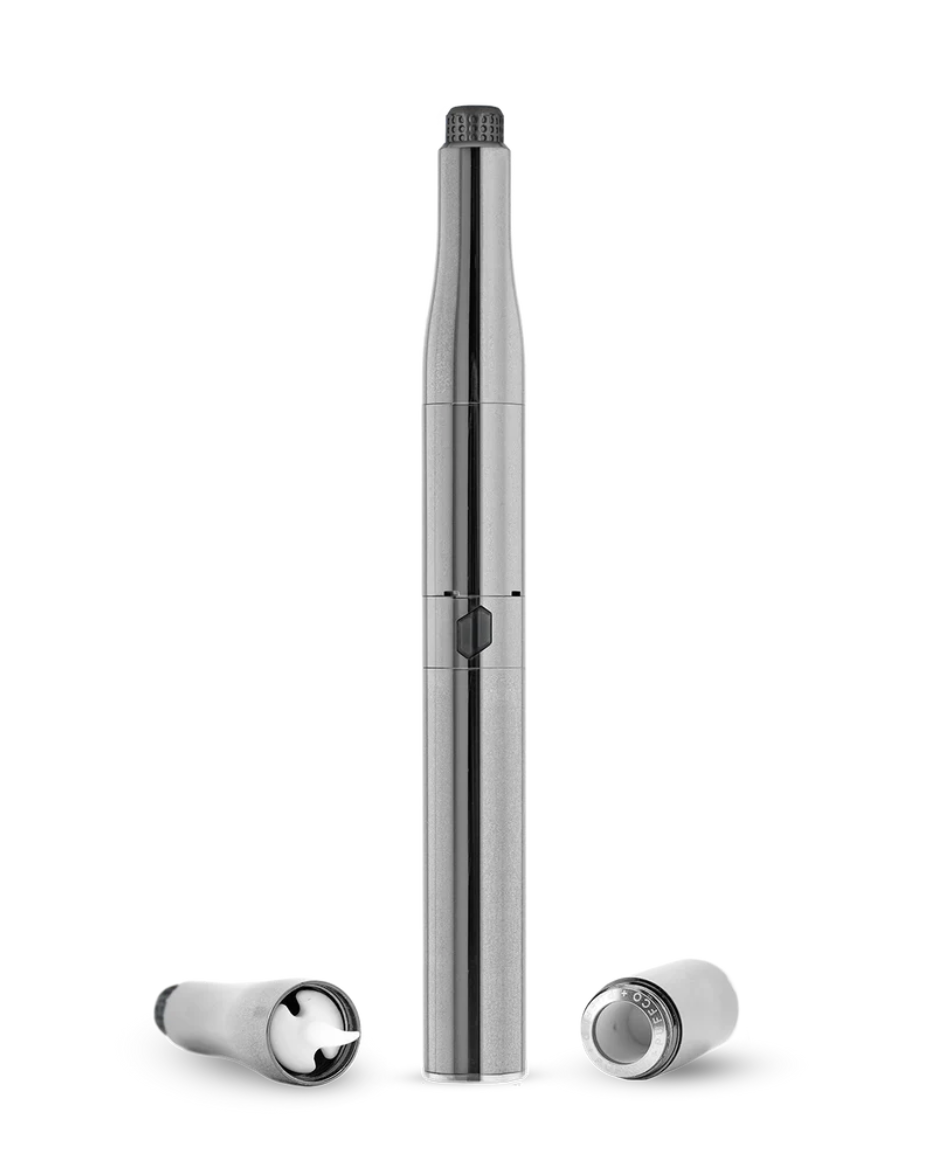
Dab pen vs dab rig: what's the difference?
Dab pens and dab rigs are built to do the same job — turn cannabis concentrates into vapor—but they get there in very different ways. A dab pen is compact, electronic, and designed for convenience. A traditional dab rig uses a torch and relies on...
Read More
Best dab rig for beginners: what to look for
Dabbing might sound complicated at first, but the idea is simple: instead of smoking flower, you're vaporizing cannabis concentrates for a more flavorful and potent hit. It delivers stronger effects, richer flavor, and a more controlled experience. Temperature plays a major role in how a...
Read More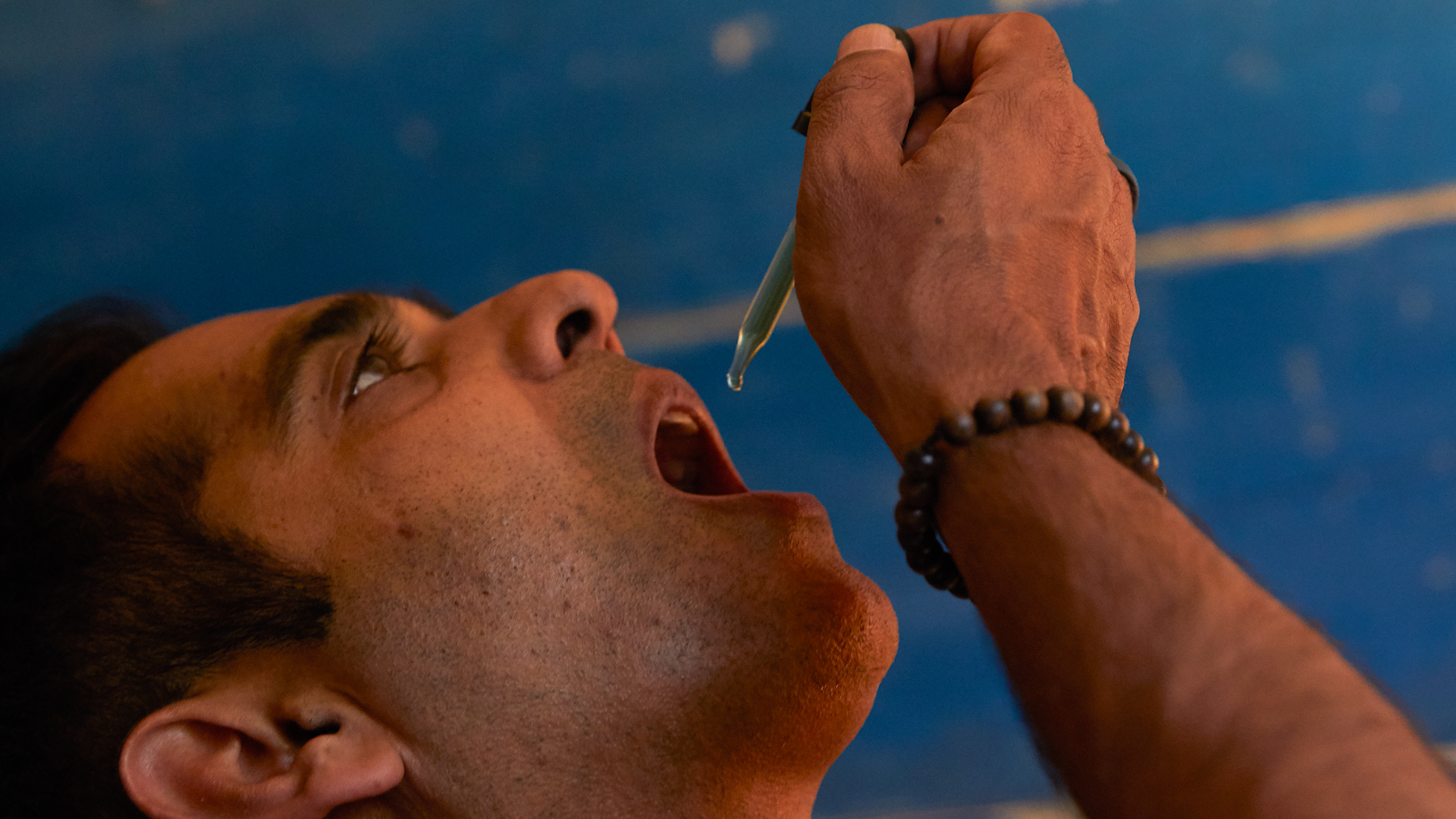
Microdosing edibles: how small doses of THC work
Not every edible experience needs to be intense. For many people, the goal is something lighter, a subtle shift in mood, a bit more focus, or a calmer baseline without feeling too high. Instead of taking a full dose, microdosing means using a small amount...
Read More
Cannabis edibles demystified: how THC infused foods deliver long-lasting effects
Cannabis edibles demystified Edibles don't kick in right away — and when they do, they tend to last much longer than smoking or vaping. You might take a small dose, feel nothing for a while, and then suddenly notice stronger effects. When THC is digested,...
Read More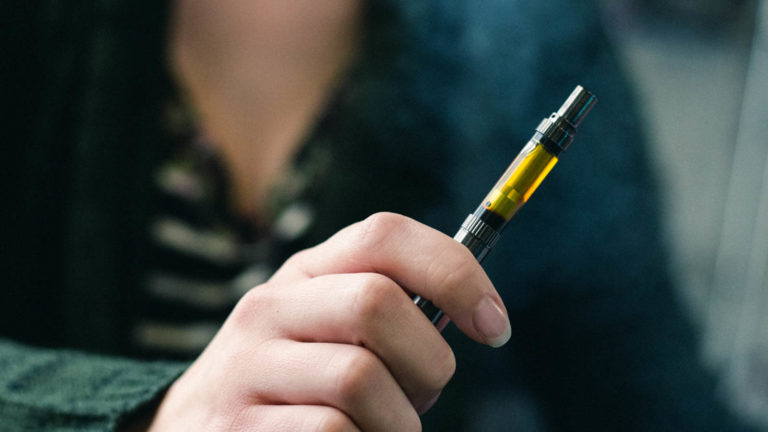
Understanding THC vape technology
Two THC vapes can use the same oil — and still feel completely different. One hits smooth and flavorful. The other burns hot, clogs halfway through, or delivers uneven pulls that never quite land. That difference isn't random. It comes down to how the device...
Read More
Disposable vapes vs. vape cartridges: understanding the differences in cannabis vape technology
Disposable vapes and vape cartridges may look similar, but they're built differently — and that difference shows up in how they perform, how long they last, and how much control you have. When comparing disposable vapes vs vape cartridges, the differences come down to design,...
Read More
How to read a COA before you buy: interpreting cannabinoid percentages and terpene data
A cannabis COA can look like a wall of numbers — but it's actually one of the most useful tools you have as a buyer once you know what to look for. That document, the Certificate of Analysis (COA), shows what's actually in a cannabis...
Read MoreThe information contained in this site is provided for informational purposes only, and should not be construed as medical or legal advice.