Cannabis contaminants are not always visible, and they can enter products long before the flower or concentrate reaches the shelf. Pesticides, microbes, heavy metals, residual solvents, and poor storage conditions can all reshape product quality, safety, and trust in the legal market.

Image lightbox

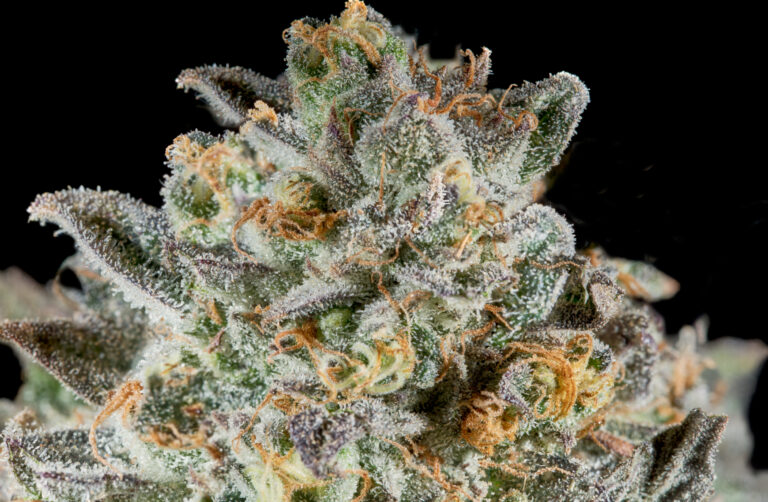
Most contamination problems do not look dramatic. Flower can still smell fresh, concentrates can still appear clean, and vape carts can still function normally. That is what makes contaminants difficult to identify without laboratory testing.
Cannabis is especially susceptible because it can absorb compounds from soil, irrigation water, fertilizers, extraction equipment, packaging materials, and storage environments throughout its lifecycle.
That is why contaminant testing plays such an important role in regulated markets. Testing helps verify whether products remained free of unwanted substances from cultivation through sale.
How cannabis absorbs contaminants
Cannabis continuously pulls water and nutrients upward through its root system while growing. If unwanted compounds exist in the environment, the plant can absorb those too.
Heavy metals are one of the clearest examples. Contaminated soil or irrigation water may contain lead, cadmium, arsenic, or mercury, and small amounts can slowly accumulate inside plant tissue throughout the growth cycle.
The same thing can happen with pesticide residue and other environmental contaminants.
This becomes even more important once the flower gets turned into concentrates because extraction intensifies cannabinoids and terpenes alongside whatever contaminants survived cultivation.
A small contamination issue in flower can become much more concentrated inside a vape oil or dab extract later.
Pesticides and cannabis safety
Cannabis cultivation creates ideal conditions for mold pressure, fungal outbreaks, mites, aphids, and other crop problems. For years, some growers relied heavily on pesticides before regulated testing systems fully matured.
The problem is that not every pesticide behaves safely once heated and inhaled. Some compounds leave residue behind even after harvest, especially when products were heavily treated during flowering.
Concentrates create another layer of concern because extraction processes can intensify whatever residues remain on the plant material itself. That is why modern cannabis testing panels screen for specific pesticide compounds individually instead of simply labeling products “clean.”
A complete pesticide panel should show exactly which compounds were tested, what the measured results were, and whether they stayed below legal action limits.
Without those details, the word “tested” does not tell consumers very much.
Microbial contamination after harvest
Microbial contamination starts with moisture problems. Warm, humid cultivation environments create ideal conditions for mold, yeast, fungi, and bacteria if environmental controls slip out of range.
Even after harvest, microbes can continue developing when flower gets stored improperly or retains too much internal moisture during curing. That is why drying and curing matter so much.
Poorly dried flower can trap moisture deep inside dense bud structure, allowing microbial growth to continue quietly during packaging and distribution. Consumers may not always see obvious mold immediately either.
Sometimes contamination may coincide with musty aromas, unusual texture changes, harsh smoke, or off-flavors, though laboratory testing remains the only reliable way to confirm it.
This is why microbial testing focuses on organism-specific screening instead of relying on appearance alone. The lab is checking for contamination the eye cannot reliably catch.
Heavy metals in cannabis products
Heavy metals enter cannabis through contaminated soil, irrigation systems, fertilizers, processing equipment, or poorly manufactured hardware.
Unlike freshness problems or terpene degradation, heavy metals do not simply disappear over time. Once present, they can remain through extraction and refinement.
This becomes especially important for vape products because metals may also enter through low-quality cartridge hardware or poorly coated internal components.
That is why regulated testing panels specifically screen for lead, cadmium, arsenic, and mercury individually. The contamination risk can vary dramatically depending on cultivation practices, extraction equipment, manufacturing quality, and environmental controls throughout production.
A clean-looking product does not automatically mean chemically clean.
Residual solvents in concentrates

Image lightbox

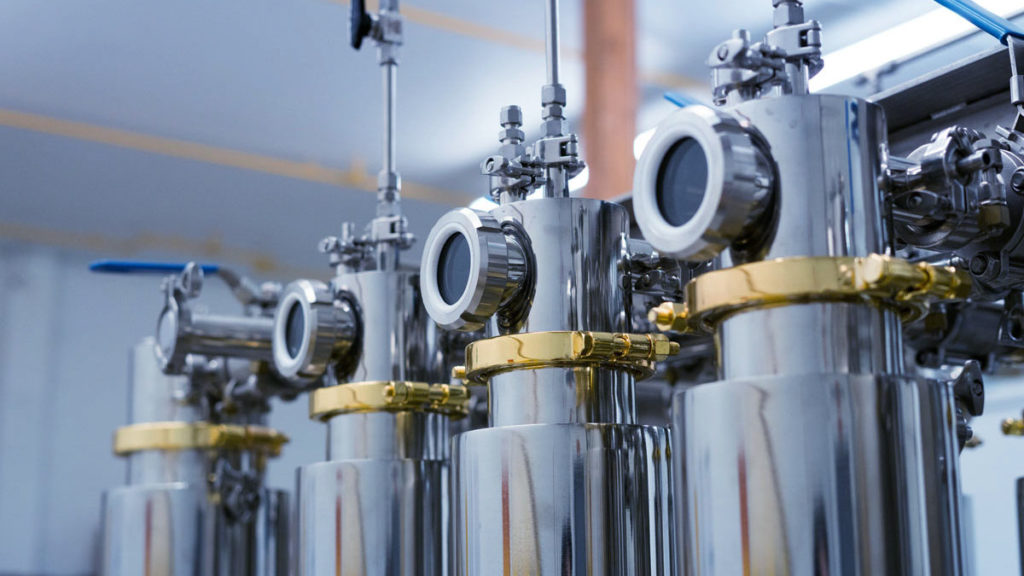
Extraction solvents are not automatically dangerous.
The important question is whether residual solvent remains trapped inside the finished product afterward.
Hydrocarbon extraction methods using butane or propane can produce extremely flavorful concentrates when the process stays controlled properly.
But the oil still needs careful purging and refinement after extraction finishes.
If the process gets rushed or poorly managed, small amounts of solvent may remain inside the concentrate itself.
That is why residual solvent testing exists. The lab verifies whether compounds from the extraction process stayed within acceptable limits before the product reaches consumers.
A concentrate can smell amazing and still fail solvent testing. Flavor alone does not confirm refinement quality.
Contamination risks after testing
A clean COA does not freeze a product in perfect condition forever. Packaging, storage, transportation, and handling still affect the product afterward.
Broken seals, leaking jars, excessive heat exposure, oxygen exposure, and poor storage environments can all reshape product quality over time. That shows up first through terpene loss, oxidation, stale aroma, texture changes, or consistency drift.
But damaged packaging can also increase contamination risk by exposing products to moisture, environmental microbes, surface contact, or airborne debris during handling. That is why experienced consumers pay attention to the condition of the container itself.
A sloppy seal or leaking jar tells a story about how the product was handled after laboratory testing finished.
Reading a cannabis COA

Image lightbox

A lot of cannabis packaging sounds reassuring.
Words like “clean,” “premium,” “pure,” or “lab tested” look good on labels but do not explain what was actually screened or verified.
The Certificate of Analysis is what actually matters.
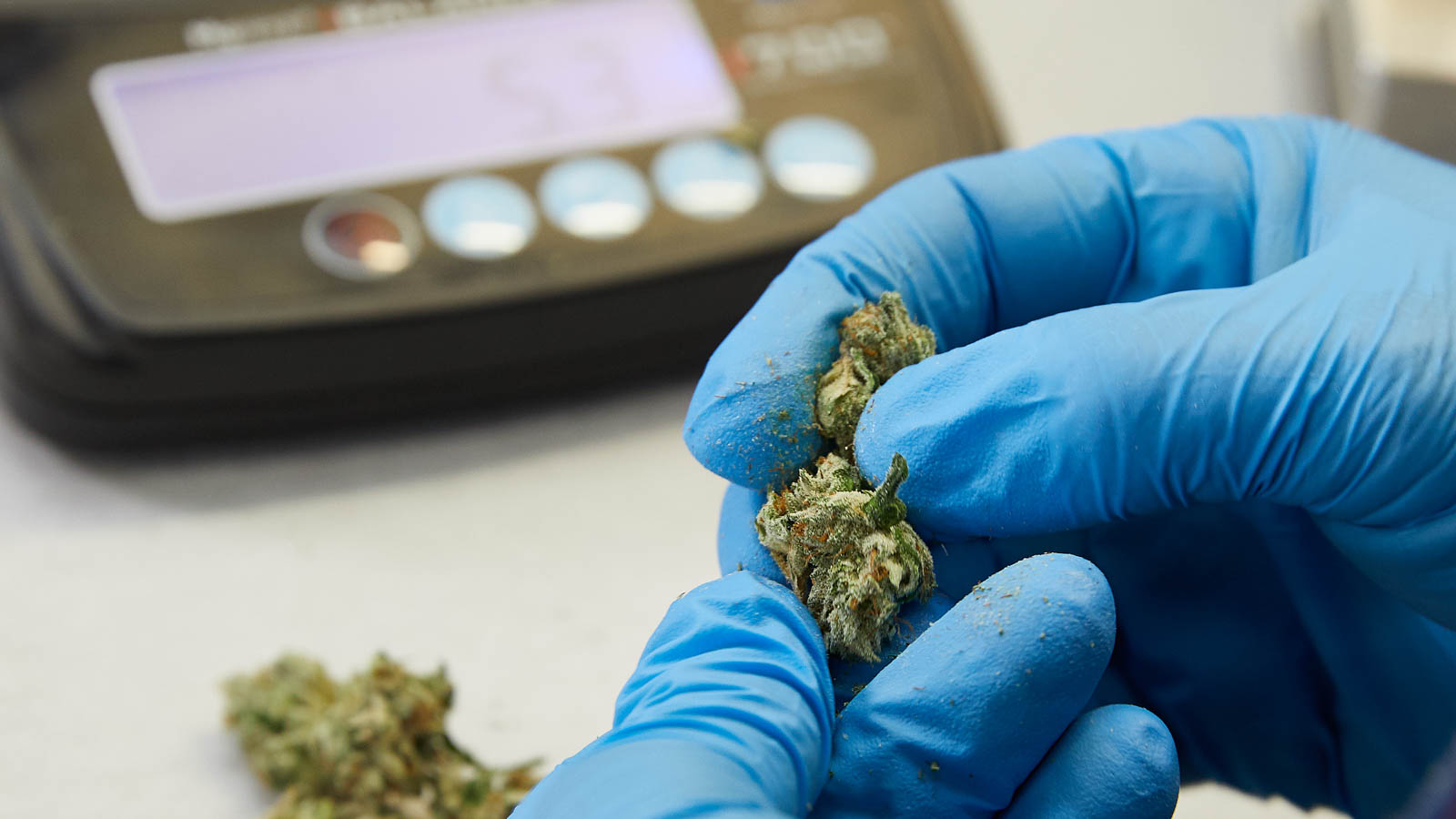
A proper COA ties a specific batch number to potency results, pesticide screening, heavy metals testing, microbial analysis, and residual solvent panels when applicable.
That documentation creates traceability. Without it, consumers are mostly relying on branding language and trust.
Experienced shoppers increasingly check batch IDs, testing dates, lab names, and contaminant panels directly instead of assuming every legal product went through identical screening standards.
How batch matching verifies test results
One of the biggest consumer mistakes is checking a random COA online without confirming it matches the exact batch in hand.
A COA only matters if the identifiers line up correctly. The batch number printed on the package should match the batch ID, lot number, or production code listed on the laboratory report itself.
If those numbers do not match, the testing report may belong to a completely different production run. That breaks the verification chain immediately.
Real traceability depends on direct matching between the physical product, the production batch, and the testing documentation connected to it.
Without that chain, “tested” becomes much harder to verify confidently.
The role of contaminant testing in regulated markets
Cannabis products move through a long production chain before reaching consumers.
Cultivation, drying, extraction, manufacturing, packaging, distribution, and retail handling all create potential contamination points.
Testing systems help create accountability across that entire process.
Once contaminants become measurable and traceable, regulators and consumers gain a way to verify whether products stayed within safety standards before reaching shelves.
That visibility is one of the biggest differences between regulated cannabis markets and completely unverified supply chains.
The bottom line

Most cannabis contaminants cannot be identified simply by looking at the product.
A flower jar can still smell loud while carrying pesticide residue. A vape cart can look clean while containing heavy metals from poor hardware manufacturing. A concentrate can taste flavorful while still failing residual solvent testing.
That is why verification matters so much.
COAs create traceability. Batch matching confirms authenticity. Contaminant panels show what the lab actually screened. Packaging condition helps reveal how the product was handled after testing finished.
Once consumers understand how contaminants enter cannabis products, it becomes much easier to interpret lab reports, evaluate packaging claims, and spot whether a product actually looks accountable instead of simply marketed well.
Find lab-tested flower, concentrates, vape carts, and trusted dispensaries near you on Weedmaps.