Bud size doesn't define quality. Large buds come from aggressive growth and expansion, but performance comes from resin production, density, and how well the structure holds together.
 Photo by: Gina Coleman/Weedmaps
Image lightbox

At a glance, bigger buds tend to dominate the jar. They take up space, photograph well, and signal yield, but that visual impact can be misleading. What you're seeing is external structure, not how the flower is built internally or how it will perform once it's broken down and smoked.
Large buds grab attention. Dense, resin-loaded buds actually deliver.
Large buds look impressive — but they don't guarantee performance
Size sells the bag. It doesn't guarantee what's inside it.
Bud development depends on how the plant allocates energy, expands, and supports that growth. When everything lines up, large buds can perform. When it doesn't, size is just presentation.
Structure and resin decide whether a nug smokes clean or falls flat.
What determines bud size

Image lightbox

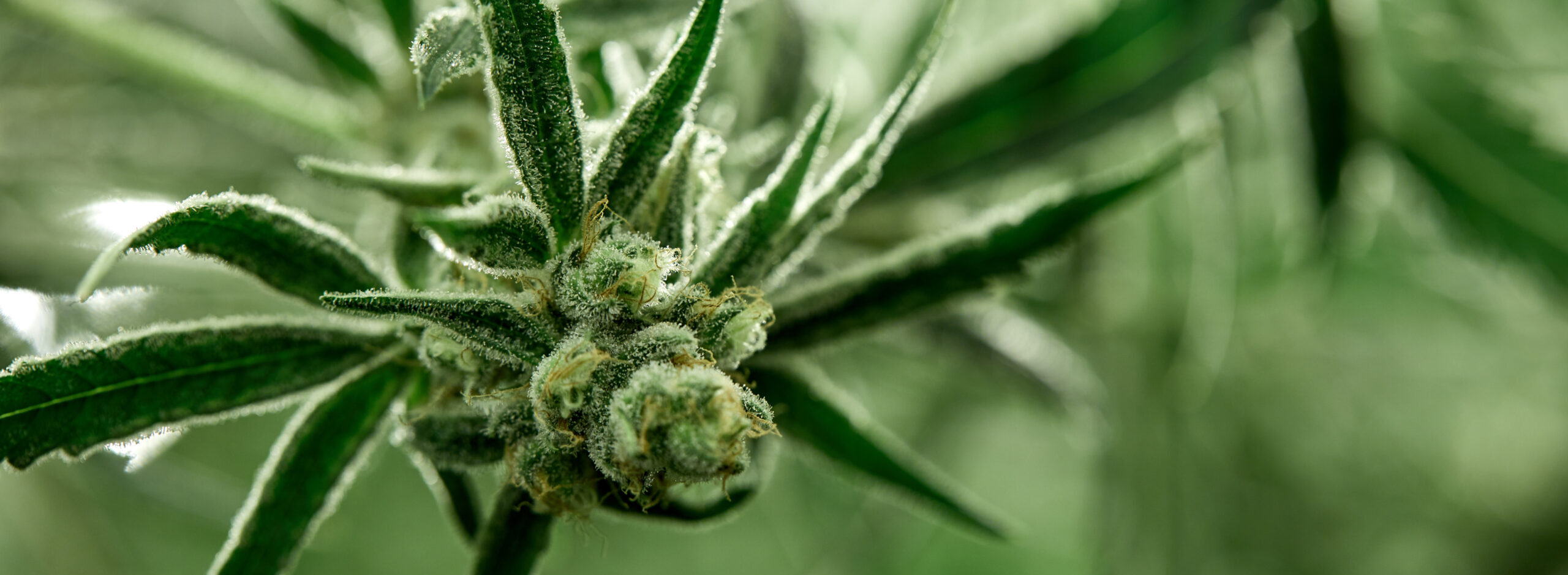
Bud size comes down to genetics and how the plant is grown.
Some cultivars are bred to stack weight, but how they're grown decides whether that weight actually means anything. High light intensity, nutrient availability, and aggressive feeding push that growth further.
Large buds form when expansion outpaces restraint. That creates volume—but not necessarily density, resin, or performance.
Cell expansion and bud formation
Bud growth is largely driven by cell expansion. Cells take on water and nutrients, increasing volume quickly. When that expansion runs ahead of structural development, you get large but loose buds.
Airy buds aren't just “big” — they're underdeveloped. Poor light, weak stacking, or genetics can leave too much space in the flower's structure.
Density comes from tight formation and proper stacking, not sheer size.
Mechanical support and structural integrity
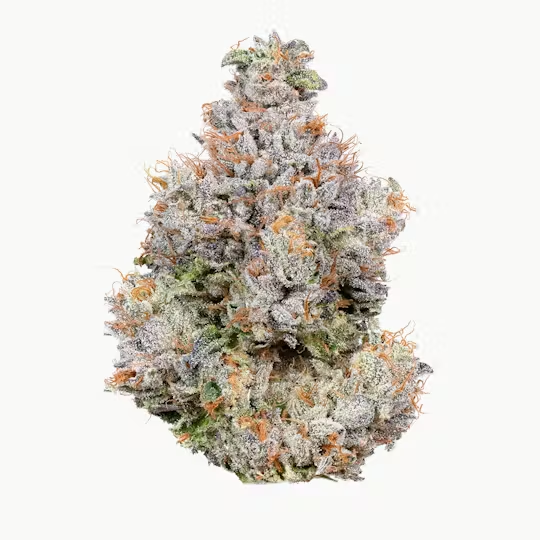
Structure determines whether a bud holds or collapses. As buds grow, internal support has to keep up. Strong structure produces tight, compact flower that holds shape and burns evenly. Weak structure produces loose buds that feel light, break apart easily, and burn uneven.
Same size buds, completely different experience.
Resin production and trichome density

Image lightbox

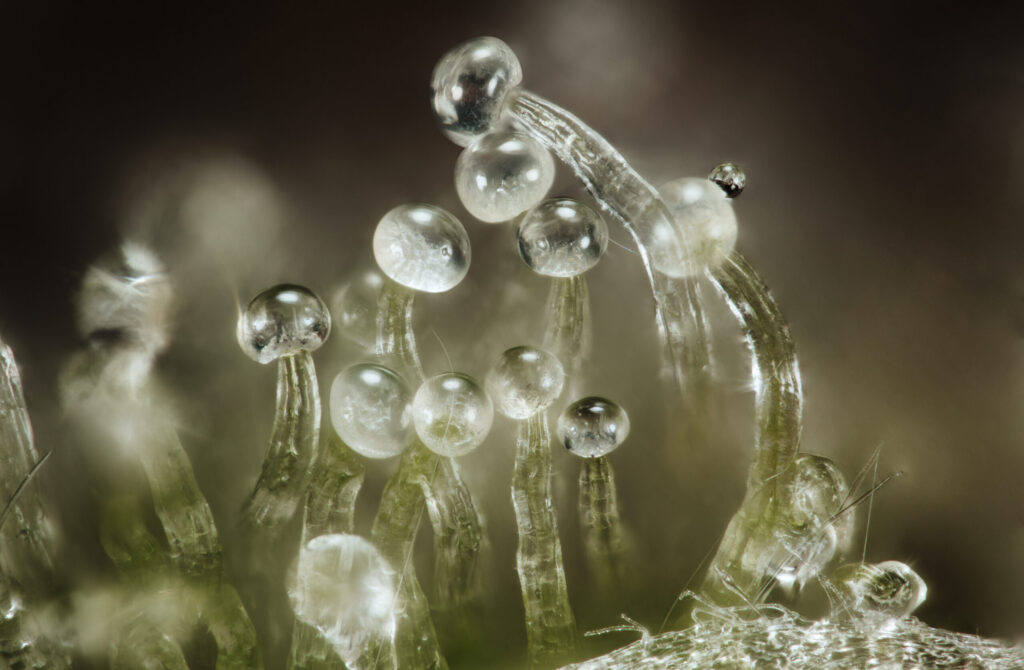
Resin is where the value is. Trichomes carry cannabinoids and terpenes. Their density determines how hard the flower hits and how much flavor it holds.
Big buds with weak resin coverage feel flat. Smaller buds with heavy trichome coverage hit harder and taste cleaner.
Resin production responds to genetics, strong light, and controlled environmental stress—not just plant size.
Density vs visual size
Density controls performance.
Dense buds:
- Burn evenly
- Retain moisture
- Preserve terpene content
Loose, oversized buds:
- Burn fast and uneven
- Dry out quickly
- Lose aroma and flavor
Looks fill the jar. Density carries the session.
The role of growing conditions

Image lightbox

Growing conditions decide whether size translates into quality. Strong light supports both density and resin production. Balanced nutrients control growth instead of letting it run wild.
Poor conditions can still produce large colas — but they're loose, underdeveloped, and typically have low resin content.
Growth can push size, but only dialed conditions lock in density and resin.
Why bigger buds are overrated
Retail rewards what looks good, not what performs best.
Large colas signal yield and visual appeal, which makes them easier to sell. That size bias creates the assumption that bigger buds are stronger.
There's no direct relationship between size and potency — just a strong bias toward what looks impressive.
How to evaluate bud quality beyond size
Quality shows up in structure and resin.
Look for:
- Dense trichome coverage
- Firm, compact structure
- Strong, defined aroma
- Even, controlled burn
These signals tell you how the flower was grown—and how it's going to perform.
Big buds vs quality: what actually matters

Bud size reflects growth patterns, not quality. Cell expansion creates volume, but density, resin, and structure determine quality. Big buds can look great and still burn hot, taste flat, and hit weak.
Dense, resin-rich flower wins every time. Evaluate structure and resin, not size.
Find high-quality cannabis flower near you on Weedmaps.