Infused blunts push potency higher by layering concentrates into flower, but that added intensity changes how the blunt burns, pulls, and holds up over time. When they're rolled right, they hit harder and last longer. When they're not, the burn turns uneven, and the session falls off fast.
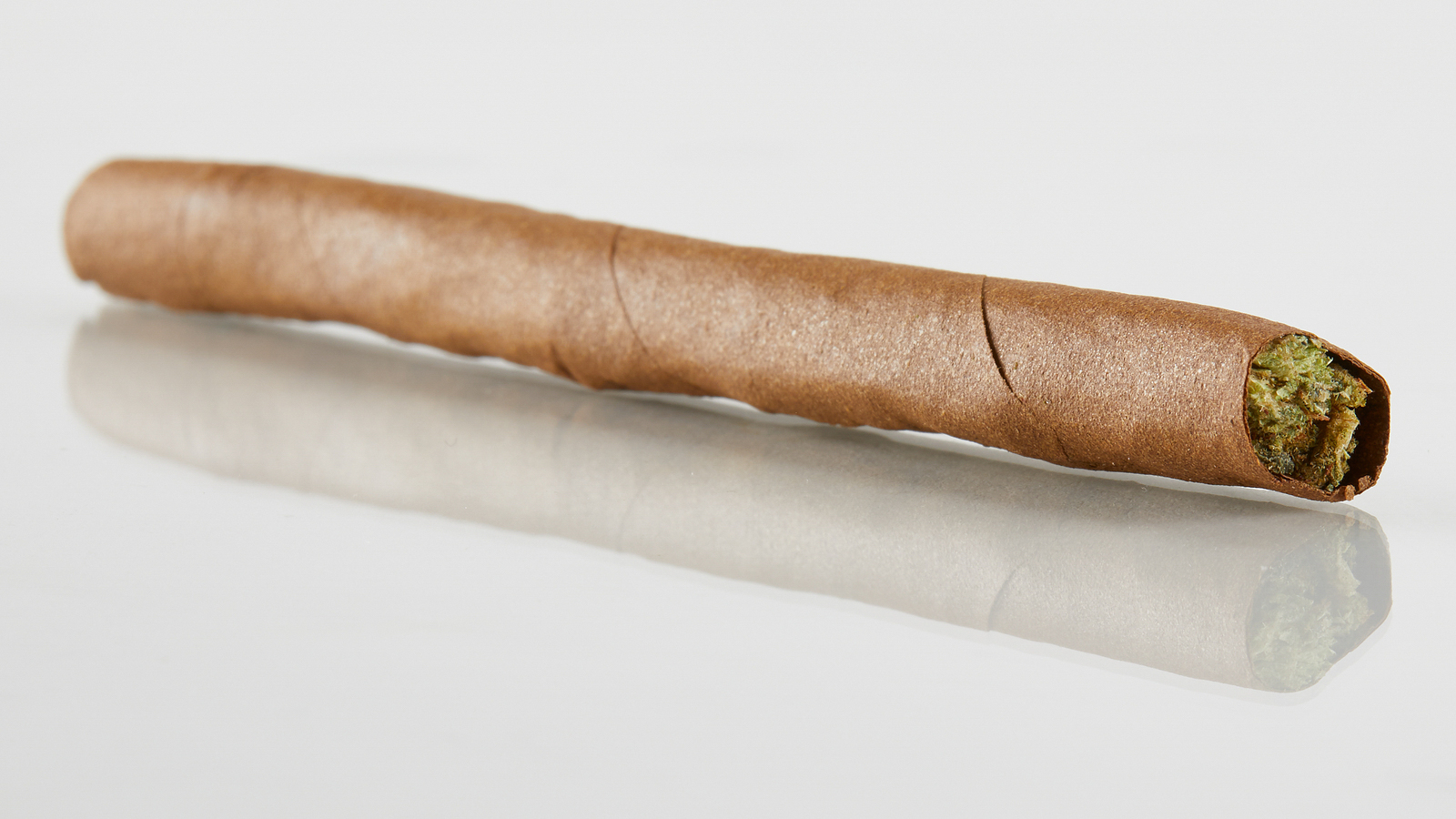 Photo by: Gina Coleman/Weedmaps
Image lightbox

Adding concentrates increases cannabinoid concentration and extends burn time, but it also changes airflow and combustion behavior. This creates a different experience from standard blunts — stronger, longer, and less predictable.
The tradeoff isn't potency versus consistency — it's execution.
What makes a blunt “infused”

Image lightbox

Infused blunts layer concentrates into flower to push potency beyond what flower alone can deliver.
They typically include:
- Ground cannabis flower
- Concentrates like oil, distillate, hash, or kief
These materials are mixed into the fill or applied to the wrap. How evenly the infusion is distributed determines how the blunt burns.
Potency: what actually changes
Infusion increases cannabinoid density by introducing concentrated resin into the flower.
You're not smoking more, you're getting more cannabinoids per pull. That's where the heavier effects come from.
When the infusion is uneven, potency shifts throughout the blunt. Some sections hit harder than others. When it's well distributed, the experience holds steady from start to finish.
Burn time and session length
Infused blunts can burn longer, but often burn less evenly because concentrates increase material density and slow combustion.
Heavier, resin-rich sections restrict oxygen and burn more slowly, while drier areas move faster. This creates an uneven burn rate across the blunt.
Longer burn time comes from increased density and oil content, not the imbalance itself.
Airflow and draw consistency

Image lightbox

Draw comes down to pack density and wrap integrity.
Overpacked sections restrict airflow and make the blunt harder to pull. Loose sections burn faster and pull lighter. If the wrap isn't tight or evenly packed, airflow shifts throughout the session.
Infusion can amplify these issues when it's uneven, but the root problem is still how the blunt is built.
Burn consistency and canoeing

Image lightbox

Canoeing happens when combustion rates are uneven across the surface. Concentrate-heavy areas burn slower due to reduced oxygen flow. Flower-dominant sections burn faster, pulling the burn line off track.
This isn't just a lighting issue—it's a material distribution issue. If the blunt isn't built evenly, it won't burn evenly.
Flavor and smoke quality
Infusion changes how flavor shows up across the session. Concentrates and flower don't burn at the same rate, which shifts flavor during the session. Some hits pull clean, others feel heavier or less defined.
When heat runs uneven or too hot, terpene expression drops off. When it's balanced, flavor holds.
Cost vs performance
Infused blunts cost more because you're stacking form factors — flower plus concentrate.
The value comes from higher potency and longer sessions. The tradeoff is that performance depends entirely on how well the blunt is made.
Sometimes that tradeoff is intentional. Other times, it's just poor execution.
When infused blunts are worth it

Image lightbox

Infused blunts are worth it when intensity is the priority.
They deliver stronger effects per pull, extend session length, and work well in group settings where higher potency offsets shared consumption.
They are rolled for impact, not control.
When standard blunts are the better option
Standard blunts perform better when consistency matters. Uniform material creates stable airflow, predictable combustion, and consistent flavor from start to finish.
They deliver a more controlled and repeatable experience.
Infused blunts: strength vs consistency

More potency doesn't guarantee a better session; it just raises the stakes. Infused blunts deliver higher potency and longer sessions by increasing cannabinoid density and slowing combustion.
That same structure disrupts airflow and creates uneven burn patterns, which reduces consistency. They are built for intensity, not precision — and that tradeoff defines how they perform.
Find pre-rolls and top-shelf cannabis products at dispensaries near you on Weedmaps