Rolling paper type, filter design, grind consistency, and packing density determine how a pre-roll burns, pulls, and tastes. When these elements are aligned, the result is an even burn and smooth draw. When they're not, expect canoeing, tight airflow, and harsh smoke.
 Photo by: Gina Coleman/Weedmaps
Image lightbox

Most bad pre-rolls don't fail because of the flower— they fail because the build is off.
Two pre-rolls can run the same material and smoke completely differently depending on how they're constructed. Paper, filter, grind, and packed flower control airflow, combustion rate, and overall consistency. When those variables drift, performance breaks fast.
Why quality joint construction matters
A pre-roll is a sealed system. Once it's packed and twisted, there's no correcting airflow or density.
That makes construction the deciding factor. Paper, filter, grind, and flower all work together to determine how the joint burns and pulls from the first hit to the last.
Rolling paper types and burn rate
Paper thickness and material directly control combustion speed.
Thin papers generally burn slower and more evenly, allowing the flower to combust at a controlled rate and preserve terpene expression.
Thicker papers tend to burn hotter and faster, which can mute flavor and create harsher smoke.
Material matters just as much as thickness. Rice papers burn light and slow, hemp papers offer more structure, and lower-quality wood pulp papers can burn unevenly if the fiber isn't consistent.
Gum line quality also plays a role—uneven adhesive can create side burns that lead to canoeing.
How paper affects airflow
 Photo by: Gina Coleman/Weedmaps
Image lightbox

Paper structure influences how air moves through the joint.
More porous papers allow airflow through the paper itself, increasing combustion speed and reducing draw resistance. Less porous papers force airflow through the packed material instead.
Balanced airflow depends on paper that supports combustion without overpowering the draw. When airflow becomes uneven, one side burns faster, leading to canoeing.
Filter design and airflow control
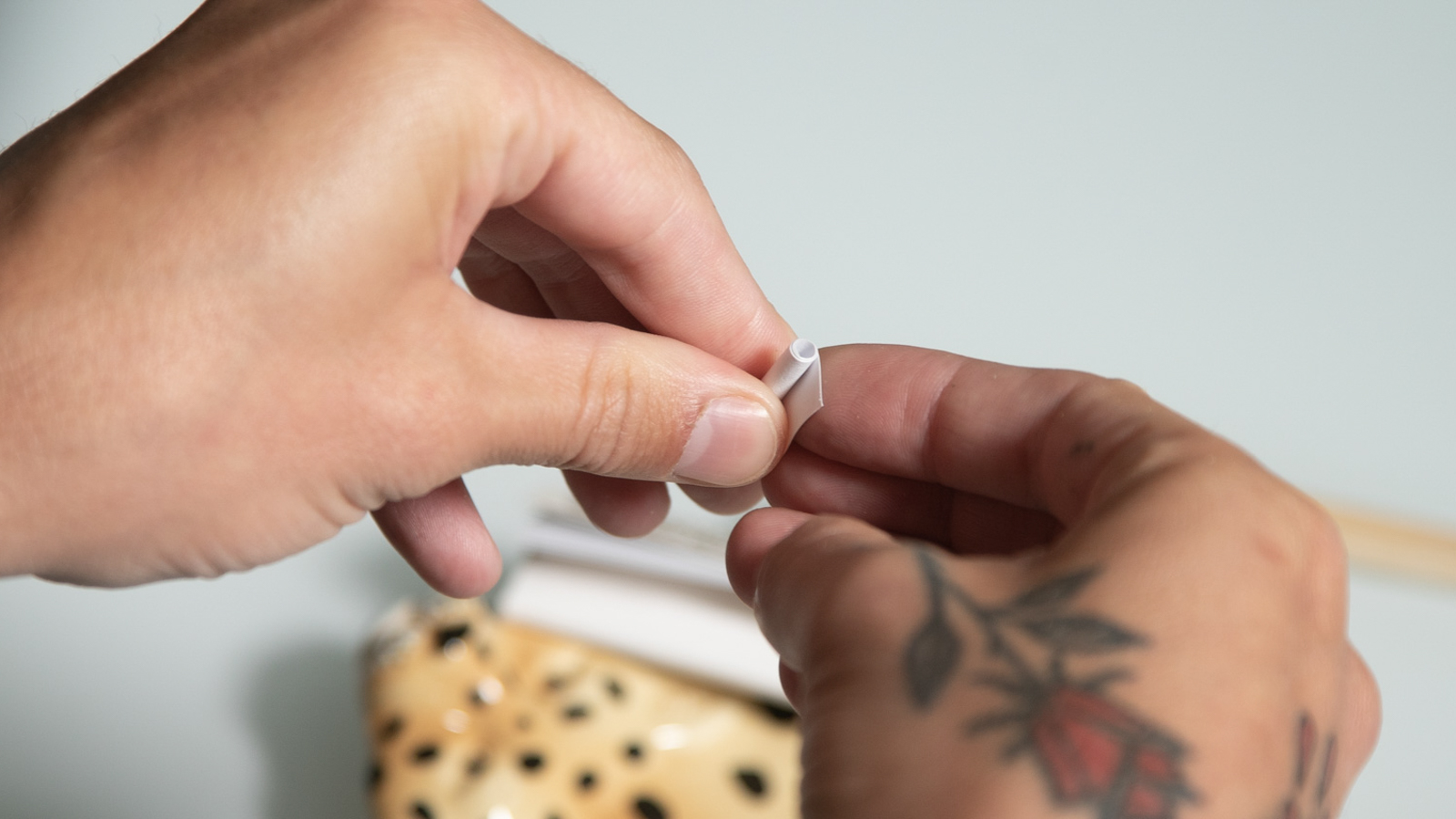
The filter (or crutch) stabilizes airflow and maintains structure.
A well-designed filter keeps the airway open and prevents collapse at the mouthpiece, allowing consistent airflow throughout the session.
Loose or poorly shaped filters create resistance and disrupt the pull.
Filter style matters. W-fold and spiral filters maintain a stable airway, while loosely rolled tips can collapse or shift during use.
Filter tightness and structure determine how smoothly air moves from end to end.
Filter design and burn consistency
Filters also influence how the joint burns.
An unstable filter shifts airflow, which leads to uneven combustion—one of the main drivers of canoeing.
A properly structured filter anchors the joint and supports even packing density, helping maintain a consistent burn line.
Packing density and internal structure
 Photo by: Gina Coleman/Weedmaps
Image lightbox

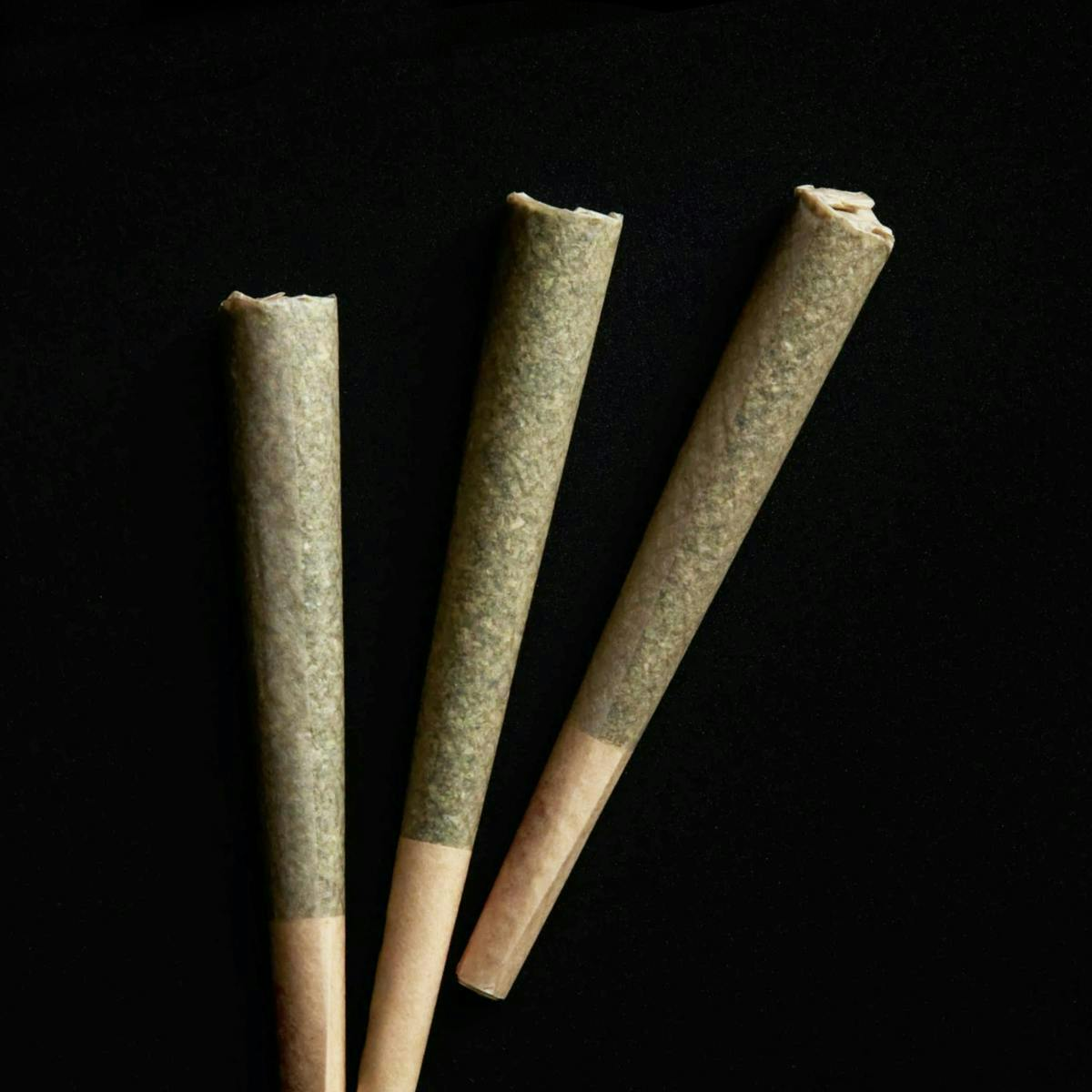
Packing density controls how air moves through the material.
Overpacked sections restrict airflow and burn slowly. Loose sections allow too much airflow and burn faster, creating hot spots and uneven burn patterns.
Consistent density from tip to filter produces steady airflow and uniform combustion.
Grind consistency is just as important. Fine, even grind packs uniformly, while chunky or stem-heavy material creates air pockets that disrupt burn and airflow.
Pre-roll machines that distribute material unevenly often introduce these inconsistencies.
Why pre-rolls canoe
Canoeing happens when one side of the joint burns faster than the other.
This usually comes from uneven packing, inconsistent airflow, or poor paper performance. When air flows unevenly, combustion follows that path, causing one side to advance ahead of the other.
Cone-shaped pre-rolls can exaggerate this if density isn't consistent from tip to base.
Lighting technique matters, but most canoeing issues start with construction flaws—not the person holding the lighter.
Flavor and smoke quality
Construction affects more than just burn—it shapes flavor.
Uneven combustion overheats sections of the joint, burning off terpenes and creating harsher smoke. Proper airflow and controlled burn rate preserve flavor and produce a smoother inhale.
Paper, filter, and density all influence how clean the smoke tastes.
What to look for in a high-quality pre-roll
Strong construction shows up immediately in performance:
- Thin, even-burning paper
- Stable, well-formed filter
- Consistent packing density
- Smooth, unrestricted draw
If it pulls tight, burns uneven, or needs constant relighting, the issue is almost always in the build—not the flower.
The bottom line

Pre-roll quality comes down to construction.
Paper controls burn rate. Filters stabilize airflow. Packing density and grind consistency determine how evenly the joint combusts.
When these elements align, the result is a smooth draw and even burn. When they don't, performance falls apart quickly.
Find pre-rolls, rolling papers, and cannabis products near you on Weedmaps.