Grape strains
All strains








































There's a moment every cannabis consumer recognizes: you crack a jar, and instead of skunk or gas, you get hit with something unmistakably sweet — grape soda, grape candy, maybe even a hint of fruit punch. That's when you know you're in grape strain territory.
5 popular grape strains, crushing it
1. Granddaddy Purple
The blueprint that defined grape strains
This strain took shape in the early 2000s when Bay Area breeder Ken Estes crossed Purple Urkle with Big Bud, locking in deep purple coloration and a sweet, grape-forward terpene profile that would go on to define the category. That pairing didn't just create a standout cultivar — it set the reference point for what grape cannabis would become.
The aroma delivers grape sweetness layered with earthy undertones and subtle berry notes. Myrcene dominates the terpene profile, providing both the fruit depth and the body effects users describe. The combination reads as dessert-leaning without being artificial — grape soda meets earthy depth.
Users describe the experience as body-forward and unhurried, with physical tension easing early and mental pace slowing as sessions stretch longer. Reviews mention shoulders dropping, breathing deepening, and thoughts quieting into a comfortable, meditative rhythm. Many consumers say it's better suited for evening use, especially when seeking deep relaxation without immediate knockout.
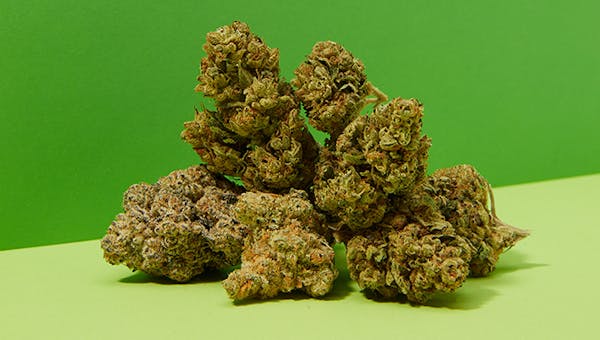
Look for dense buds with striking purple coloration and heavy trichome coverage. More than a popular strain, Granddaddy Purple cemented purple buds and dessert-leaning terpenes as permanent fixtures in cannabis culture.
2. Purple Punch
Dessert first, responsibilities later
This strain emerged as grape genetics fully entered dessert territory, bred from a cross of Granddaddy Purple and Larry OG, and is commonly attributed to Supernova Gardens before broader West Coast refinement. The lineage combines GDP's grape sweetness with Larry OG's potency and structure, creating a profile that leans heavily into dessert character.
The aroma reads unmistakably sweet — grape soda, blueberry, and soft vanilla pastry notes blend into a dense, sugary profile. Myrcene and linalool drive the fruit and floral character, while caryophyllene adds subtle spice, preventing the sweetness from becoming one-dimensional.
Consumers describe the experience as slow-building and body-led, with physical relaxation deepening steadily while mental urgency fades into the background. Reviews mention a gentle euphoric onset followed by increasingly heavy body effects that favor stillness over activity. Many users say it's closely associated with late evenings, low demands, and sessions where stillness feels inevitable.
Look for dense, colorful buds with heavy resin production and sweet, pastry-forward aromas. This represents grape strains at their most dessert-focused.
3. Grape Ape
When the flavor does all the talking
This indica-dominant hybrid bred from Mendocino Purps, Skunk, and an Afghani landrace is widely credited to Apothecary Genetics in California. The lineage is straightforward and purposeful — each parent contributes to the grape expression without unnecessary complexity.
The aroma lands squarely on sweet grape and berry, often supported by earthy undertones that recall grape candy anchored by classic indica depth. Myrcene provides the fruit character, while caryophyllene and pinene add earthy, spicy grounding. The combination reads as direct and unapologetic — grape first, everything else secondary.
Users describe the experience as grounding and body-heavy, with physical calm taking precedence while the headspace stays soft rather than foggy. Reviews mention deep muscle relaxation paired with a slowed mental pace where thoughts quiet and urgency fades. Many consumers say it's better suited for evening use or late-night sessions.
Look for dense buds with purple coloring and sweet, candy-forward aromas. Grape Ape endures not through novelty, but through consistency — delivering one of the most explicit grape expressions in cannabis.
4. Forbidden Fruit
Grape goes on vacation
This indica-dominant hybrid is commonly traced to a Cherry Pie x Tangie cross developed in the Santa Clara area. The lineage creates a fruit-forward profile without being heavy — Cherry Pie contributes berry depth, while Tangie adds bright citrus that lifts the entire experience.
The aroma pushes the grape into brighter territory, mixing tropical fruit, citrus peel, and pine rather than leaning toward dark or syrupy notes. Myrcene and limonene drive the fruit and citrus character, while pinene adds forest-like freshness. The combination reads as playful rather than weighty — grape influence without dessert gravity.
Consumers describe an opening phase marked by mood lift and light mental buoyancy, followed by a relaxed body state that stays inviting rather than heavy. Reviews mention gentle euphoria paired with physical comfort that doesn't demand stillness. Many users say it's versatile enough for afternoon or early evening use.
Look for colorful buds with vibrant pistils and sweet, tropical aromas. Forbidden Fruit stands apart by proving that grape-adjacent profiles can feel playful rather than weighty.
5. Purple Urkle
Old-school and unapologetically heavy
This classic indica-dominant cultivar is rooted in Northern California's '90s purple scene, known for its dense violet buds and deep grape-and-berry flavor layered with earthy, skunky undertones. The genetics trace back to Mendocino Purps and potentially to Purple Thai, creating a profile that prioritizes impact over approachability.
The aroma balances grape and berry sweetness with earthy, skunky depth. Myrcene dominates the terpene profile, contributing to both the fruit character and the heavy body effects users describe. The combination reads as traditional rather than modern — grape-forward but grounded in classic indica character.
Users describe the experience as physically dominant — reviews mention muscle tension dropping quickly, momentum slowing dramatically, and mental stimulation receding in favor of stillness. Many consumers say it's better reserved for late evening or bedtime rather than functional use.
Look for dense buds with deep purple coloring and heavy resin production. Purple Urkle remains a cornerstone not for balance or versatility, but for establishing grape flavor as something deliberately heavy and uncompromising.
What to look for when shopping
Prioritize aroma over appearance — purple buds don't guarantee grape flavor, and green buds can still deliver authentic dark-fruit character. Check terpene listings for myrcene-forward profiles with supporting caryophyllene and pinene, as these combinations more reliably produce grape-leaning aromas. Confirm expected effects rather than relying solely on indica or sativa labels, and ask about phenotype or batch variation with modern hybrids, as consistency can fluctuate. Read reviews or get budtender insight to verify authentic grape character and balance rather than vague fruitiness.
Grape strains history
These cultivars aren't defined by hype or potency alone. They earn their reputation through a shared sensory experience: dark-fruit aroma, dessert-leaning flavor, and effects that often drift toward the slower, softer side of the spectrum. The popularity of grape strains largely stems from West Coast purple genetics shaped by Afghan landraces and Southeast Asian lines like Purple Thai. These influences converged most visibly in Purple Urkle, which later became a foundational parent of Granddaddy Purple. In the early 2000s, Bay Area breeder Ken Estes crossed Purple Urkle with Big Bud to stabilize GDP, a cultivar known for dense flowers, reliable purple coloration, and distinctly grape-leaning aroma. GDP's commercial success helped establish grape flavor as a recognizable and marketable cannabis profile, influencing breeding trends throughout the 2000s and 2010s.
The best grape strains lean on myrcene-forward terpene structures. Present at moderate to high levels, myrcene delivers the earthy, musky foundation that supports ripe-fruit character. Caryophyllene adds subtle spice and depth beneath the sweetness, while pinene introduces light herbal notes that keep richer flavors from becoming one-dimensional. Some cultivars also feature linalool for soft floral touches or trace amounts of limonene that brighten the profile without drowning out the fruit. Look for these terpene combinations if you want authentic grape character.
Frequently asked questions
No. Grape strains are a flavor-defined grouping rather than a formal genetic classification. They're united by myrcene-forward terpene structures that create dark-fruit aromas — whether that's fresh grapes, grape soda, or grape candy depends on the specific cultivar, phenotype, and growing conditions. This means grape strains can come from diverse genetic backgrounds and express different effects while still sharing that signature fruit character.
Many are indica-leaning, but not all. Flavor does not determine effect profile. The vast majority of grape strains are indica-dominant due to their Afghani and Purple Thai landrace heritage, with most falling between 60% and 90% indica. Purple Haze is a notable exception, offering sativa-dominant effects with grape flavor. Check the specific strain's indica/sativa ratio and review user feedback to understand how that particular cultivar tends to feel.
Many do, though intensity varies by cultivar, phenotype, and growing conditions. Authentic grape strains genuinely taste like grapes — some resemble fresh Concord grapes, others taste like grape juice or grape soda, and some have more complex, wine-like notes. The grape flavor is typically more pronounced in the aroma than the actual smoke or vapor, and growing conditions significantly impact how much grape character develops.
They're commonly associated with relaxation, evening use, and flavor-focused sessions, particularly for consumers who prefer sweet, dessert-style cannabis. Reviews frequently describe them as ideal for winding down at the end of the day, often noting a heavy, soothing body feel paired with a slower, more relaxed mental pace. Some users also report appetite stimulation and a general sense of well-being that pairs well with low-key activities. The combination of rich flavor and deeply relaxing effects is one reason grape strains remain a favorite among people seeking a more tranquil cannabis experience.