Rose strains
All strains















What are rose strains?
Rose strains are cannabis varieties characterized by delicate floral notes that evoke the aromatic elegance of fresh roses. These sophisticated strains deliver flavor profiles that combine sweet, perfume-like qualities with subtle earthiness and hints of berry or spice. The distinctive rose character primarily stems from the terpene geraniol, which creates an authentic rose-petal aroma, along with linalool for floral sweetness and myrcene for earthy depth, resulting in complex floral aromatics reminiscent of rose petals, rose water, or a rose garden in bloom.
Beyond their luxurious taste, these strains are commonly reported to provide balanced effects ranging from calming relaxation to gentle euphoria, making them versatile options for various occasions.
Brief history
The rose flavor profile in cannabis represents one of the more sophisticated breeding achievements in modern cultivation. While cannabis naturally produces floral terpenes, achieving authentic rose character requires careful selection of genetics rich in linalool and geraniol — the same terpenes found in actual roses. Early examples of floral cannabis often came from crosses involving landrace Afghan and Kush varieties known for their spicy, perfume-like qualities. As breeding became more sophisticated in the 2010s, breeders and growers began intentionally selecting for rose characteristics, often crossing strains with lavender or floral notes with sweet, berry-forward genetics. Strains like Pink Rozay emerged as examples of intentional rose breeding, typically combining Lemonnade with Rozay genetics to emphasize floral sweetness.
Today's rose strains represent a niche but growing segment of the market, appealing to connoisseurs who seek refined, wine-like complexity in their weed strains rather than straightforward fruit or gas profiles.
Rose strain flavors and terpenes
Rose strains deliver an elegant flavor experience that balances delicate floral notes with complementary sweetness and earthiness. The inhale typically brings soft, perfume-like rose character—sometimes reminiscent of rose water or Turkish delight—while the exhale often reveals layers of berry, spice, or subtle cream that add depth to the floral profile without overwhelming it.
The distinctive rose flavor comes from specific terpene combinations:
Geraniol: The primary terpene responsible for authentic rose character, providing rose petal and geranium notes with subtle fruitiness, geraniol delivers the distinctive rose character that defines these sophisticated strains.
Linalool: Contributing floral, lavender-like sweetness with rose characteristics, linalool creates additional perfume-like quality and is often associated with calming, stress-relieving effects.
Myrcene: Contributing earthy, musky undertones that ground the floral sweetness, myrcene adds depth and complexity while reportedly promoting relaxation.
Caryophyllene: Offering spicy, peppery notes that complement the floral profile, caryophyllene prevents excessive sweetness while providing potential anti-inflammatory benefits.
Limonene: Adding subtle citrus brightness that enhances the floral character, limonene lifts the rose notes and is often associated with mood elevation.
Rose strain effects
Users commonly report a range of balanced effects from rose strains:
Gentle relaxation: Calming physical effects that ease tension without heavy sedation.
Mood enhancement: Uplifted spirits and emotional balance that promote a positive outlook.
Stress relief: Soothing mental effects that help quiet anxious thoughts and worry.
Romantic ambiance: The elegant flavor and balanced effects make rose strains popular for intimate occasions.
Sensory appreciation: Enhanced ability to notice subtle flavors, scents, and textures in the environment.
Balanced experience: Neither too energizing nor too sedating, suitable for various times of day.
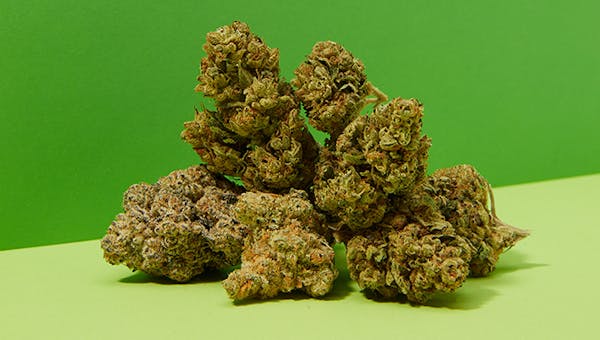
What do rose strains look like
While flavor is paramount, rose strains often share certain visual characteristics:
Pink and purple hues: Many display rosy, magenta, or lavender coloring that complements their floral profile.
Bright pistils: Orange, pink, or red hairs that enhance the flower-like appearance.
Moderate to heavy trichome coverage: Frosty appearance with visible crystal production.
Medium bud density: Typically hybrid structure with good compactness.
Elegant visual appeal: Well-formed flowers with aesthetic qualities matching their refined flavor.
Top rose strains to try
Pink Rozay: This indica-dominant hybrid delivers authentic rose and wine-like flavors with sweet berry undertones. Users frequently describe deeply relaxing effects combined with gentle euphoria, making it ideal for evening unwinding or romantic occasions. The sophisticated floral profile lives up to its elegant name, offering an alternative to more common fruit or dessert strains.
Rose Runtz: This balanced hybrid combines the candy-sweet genetics of Runtz with distinctive floral rose notes, creating an unexpectedly sophisticated flavor profile. Users report a smooth, uplifting high that gradually settles into full-body relaxation without heavy sedation. The effects strike an ideal middle ground—social and creative enough for daytime activities, while mellowing enough for evening enjoyment. Its creamy, fruity base, rounded out with delicate rose undertones, makes it a standout for those seeking something both potent and sophisticated.
Rose Bud: A classic sativa-dominant hybrid known for its subtle rose-petal aroma mixed with earthy, spicy notes. This strain delivers clear-headed, energizing effects that enhance focus and creativity, making it popular for productive daytime use. Users appreciate its smooth smoke and the gentle cerebral buzz that doesn't overwhelm—perfect for maintaining functionality while elevating mood. Despite its delicate name, Rose Bud packs respectable potency with a loyal following among those who prefer traditional, no-frills cannabis experiences with a floral twist.
How to shop for rose strains
Smell for floral notes: Quality rose strains should have obvious perfume-like, floral aroma — if it smells purely fruity or gassy, the rose character may be absent.
Check the terpene profile: Look for detectable geraniol and high linalool content, as these terpenes create authentic rose characteristics.
Read detailed reviews: Rose is a subtle flavor — check Weedmaps reviews specifically mentioning floral or rose notes to confirm authentic profiles.
Consider "Pink" genetics: Many rose strains include "Pink" in their names, indicating potential for floral characteristics.
Ask budtenders for recommendations: Rose strains are less common than fruit varieties, so expert guidance at your local dispensary helps identify true floral options.
Expect sophistication over intensity: Rose flavors are typically elegant and nuanced rather than bold and obvious.
Frequently asked questions
Some of the most popular rose strains include:
Pink Rozay is widely considered to deliver the most authentic rose flavor, with perfume-like floral notes reminiscent of rose petals and rose water. The strain was specifically bred to emphasize floral characteristics, making it the closest cannabis comes to capturing true rose essence. For pronounced rose character, look for strains with "Pink" or "Rose" in their names and detectable geraniol plus high linalool content.
Yes, authentic rose strains genuinely deliver floral flavors reminiscent of roses, though the intensity varies by phenotype and growing conditions. The best examples capture the delicate, perfume-like quality of rose petals without tasting artificial. However, rose is a subtle, sophisticated flavor—it won't be as obvious or bold as fruit strains like strawberry or mango. The experience is more like rose water or Turkish delight than smelling fresh roses directly.
Many users report that rose strains provide relaxation, often attributed to their high linalool content, which is known for its calming and stress-relieving properties. The same terpene that creates rose's floral character also promotes relaxation without heavy sedation. Smokers note that rose strains provide gentle, balanced effects ideal for unwinding after stressful days or creating peaceful, romantic atmospheres without overwhelming couch-lock.
Rose strains are less common because the floral terpene profile requires specific genetics and careful cultivation to express properly. Most consumers gravitate toward pronounced fruit flavors, such as berry or citrus, making rose a niche market. Additionally, achieving authentic rose character without it tasting artificial or perfume-like requires breeding expertise. The sophistication of rose strains appeals to connoisseurs seeking wine- and floral-like complexity rather than straightforward sweetness.