Sleepy strains
All strains




































What are sleepy strains?
Sleepy strains are cannabis strains known for their sedating effects that may help users wind down, relax, and transition into restful sleep. These indica strains typically deliver heavy body relaxation, mental calm, and drowsiness, making them best suited for nighttime use, combating insomnia, and managing conditions that interfere with sleep quality. Users commonly report feeling physically heavy, mentally quiet, and naturally drowsy as effects progress, with many finding themselves ready for bed within an hour or two of consumption.
Note: While some users turn to sleepy strains for occasional relaxation before bed, cannabis shouldn’t replace professional care for chronic insomnia or clinical sleep disorders.
Frequently asked questions
The connection between cannabis and sleep dates back centuries, though modern breeding for nighttime-focused strains began in the 1970s-80s when growers introduced Afghani and Hindu Kush landrace genetics into Western programs. These indica-dominant strains naturally express deep physical relaxation, making them popular for nighttime use.
Northern Lights, developed in the Pacific Northwest during the 1980s, became one of the first widely available strains linked to strong physical calm, while Granddaddy Purple emerged as a 1990s evening staple alongside modern varieties like Gelato.
As medical cannabis programs expanded in the 2000s, breeders produced more indica-leaning hybrids with myrcene-rich terpene profiles for stronger nighttime effects. The 2010s saw concentrates and edibles become widely available, offering more potent end-of-day options.
Today, sleepy strains represent one of the most requested effect categories in dispensaries, evolving from simple 'strong indicas' into a broader range of genetics for nighttime relaxation.
Sleepy strains are often associated with sedating effects that many users attribute to the combined influence (entourage effect) of cannabinoids and terpenes rather than a single compound alone.
Cannabinoids in sleepy strains typically include THC (tetrahydrocannabinol), which, in higher doses, many consumers describe as relaxing or physically heavy, along with CBN (cannabinol), a breakdown product of THC that some users associate with sedative properties like a mellow mood or drowsy feel. While research on CBN’s sedating properties remains limited, its presence in aged flower is often mentioned in accounts of heavier nighttime experiences. Some sleepy strains also contain moderate CBD (cannabidiol) levels — these CBD strains can offer calming properties, though high-THC, myrcene-rich varieties remain the most commonly chosen for nighttime use.
The terpene profile is equally essential for sleep-inducing effects:
Myrcene: Often abundant in evening-leaning cultivars, myrcene is commonly associated with heavier body sensations, as indicated by consumer feedback. While research is ongoing, many users link higher myrcene levels to a more sedating experience.
Caryophyllene: Present in many relaxing strains, caryophyllene interacts with the body’s endocannabinoid system and is often described as contributing to a grounded, stress-easing feel, though scientific evidence about sedation is still developing.
Linalool: Found in lavender, linalool appears in many sleepy strains and is reportedly associated with enhanced calming effects and anxiety reduction. This terpene is explicitly associated with sedation and relaxation in aromatherapy contexts.
Terpinolene: While less common in indica-dominant strains, small amounts may contribute to a mellow overall profile. Humulene and other minor terpenes also appear in some nighttime strains.
Deep relaxation: A heavy, calming sensation that spreads throughout the body and eases physical tension
Drowsiness: A natural, gentle pull toward sleep that makes it easier to drift off peacefully
Mental quieting: Racing thoughts slow down, creating a tranquil headspace ideal for rest
Body heaviness: A weighted, couch-lock feeling that encourages stillness and comfort
Pain and discomfort relief: Physical aches and discomfort fade, allowing for more restful sleep
Stress and anxiety reduction: Worries dissolve as the mind and body prepare for restorative rest
Sleepy strains typically display visual characteristics common to indica-dominant genetics, though appearance alone doesn't determine effects:
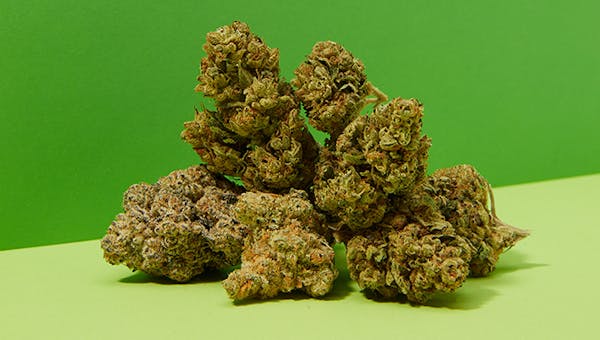
Dense bud structure with compact, chunky formations that feel heavy and solid
Dark to medium green coloration, often with purple, burgundy, or deep violet hues from anthocyanins (particularly in strains like Granddaddy Purple)
Orange to dark amber pistils, creating warm contrasts against darker green or purple backgrounds
Heavy trichome coverage, producing a frosty appearance that may suggest high potency
Tight bud density — sleepy strains typically produce compact nugs that resist compression, typical of indica-leaning hybrids.
Sticky, resinous texture with pungent, earthy, or sweet aroma, familiar in high-terpene flower
Granddaddy Purple: This indica delivers powerful, full-body relaxation with sweet grape and berry flavors, and many users report a heavy, soothing experience that helps them unwind in the evening.
Northern Lights: One of the earliest sleepy strains offers pure indica effects with a heavy body high and earthy, sweet flavors. Many consumers describe it as deeply relaxing, with some noting a calmer and quieter mindset as the experience unfolds.
Watermelon: This fruity indica combines sweet watermelon flavors with deeply sedating effects, which many reviews describe as delivering the heavy body relaxation and mental calm needed for quality sleep without overwhelming potency.
Look for indica dominance: Sleepy effects correlate strongly with indica-dominant hybrid genetics (70%+ indica) — check strain classifications to ensure you're getting sedating varieties. Avoid sativa strains, which typically provide energizing effects that interfere with sleep rather than promoting it.
Check terpene profiles: High myrcene levels (above 0.5%) are the strongest predictor of sedating effects. Strains rich in myrcene, linalool, or caryophyllene are frequently associated with heavier, evening-friendly effects, based on consumer reports. Ask budtenders to show you their terpene profiles or lab results.
Consider THC levels: For sleep support, moderate to high THC strains (18-28%) typically work best, though individuals with lower tolerance may find 15-20% sufficient.
Read effect descriptions: Look for terms like "sedating," "couch-lock," "heavy," and "drowsy" in strain descriptions, rather than "energizing," "uplifting," or "cerebral," which indicate daytime varieties.
Check user reviews: Weedmaps reviews mentioning sleep and insomnia relief help identify the best cannabis strains for nighttime use based on real-world experiences.
Ask about freshness: Slightly aged cannabis develops higher CBN content through THC degradation, which some users associate with enhanced sedating effects — some consumers specifically seek "well-cured" flower for sleep.
There’s no single “sleepiest” strain — effects vary based on individual tolerance and body chemistry, with different strains producing varying levels of sedation for different users. However, certain strains appear frequently in user reports about heavier, more sedating experiences:
Northern Lights is commonly described as one of the more sedating strains available, with many users reporting deep physical relaxation and a noticeably drowsy, end-of-day feel. Its reputation for myrcene-rich terpene profiles often contributes to its association with nighttime use.
Granddaddy Purple rivals Northern Lights for its sleep-inducing power and is another frequently cited option, with consumers often noting its heavy body effects and a calm, quiet mindset that many people prefer for evening unwinding.
Kosher Kush and various OG Kush varieties also appear in conversations about deeply relaxing strains, with users describing a weighty, slow-down sensation that makes a bedtime setting more appealing.
For smoking or vaping sleepy strains, many users consume 30-60 minutes before they want to fall asleep, as effects begin within minutes but peak relaxation typically occurs 30-45 minutes after consumption, though timing varies by individual.
For edibles with sleep-inducing effects, consume them 60-90 minutes before bedtime since edibles take longer to kick in but deliver more prolonged, body-focused sedation. Start your bedtime routine (such as changing into pajamas, brushing your teeth, and turning off screens) right after consuming, so you're in bed when peak drowsiness hits.
Many users find that combining cannabis consumption with other sleep hygiene practices — cool room temperature, darkness, comfortable bedding — enhances the sleep-promoting effects. If you wake up groggy, you may be consuming too close to bedtime or using too high a dose.
Many users report that sleepy strains help with insomnia symptoms, particularly difficulty falling asleep and racing thoughts that interfere with restful sleep. Indica-dominant strains high in myrcene and THC may reduce the time it takes to fall asleep and may help some users stay asleep longer through the night, according to user reports. However, cannabis affects sleep architecture in complex ways.
For example, while it may help you fall asleep faster and feel more rested initially, regular use can suppress REM sleep and lead to tolerance, meaning you need increasingly higher doses for the same effect. Some users experience rebound insomnia when stopping regular cannabis use for sleep.
For occasional insomnia or situational sleep difficulties, sleepy strains can be effective aids. For chronic insomnia, it's essential to consult healthcare providers about comprehensive treatment approaches rather than relying solely on cannabis, and to use sleep-promoting strains strategically rather than every night to avoid tolerance buildup.