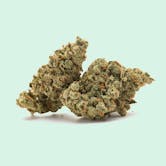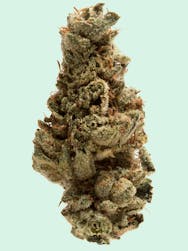
Grape Gas
- Grape (46% of reported flavors)
- Diesel (30% of reported flavors)
- Earthy (24% of reported flavors)
Grape Gas runs on different genetics depending on who's filling the tank. At least three genetically distinct cultivars or producer versions carry the name, each running its own octane. Same name at the pump, different fuel under the hood.
Origin 1: True Canna Genetics created the original documented Grape Gas by crossing Purple Halitosis #4 with The Truth. This balanced hybrid runs heavy on spicy citrus, grape, earth, sour berries, and diesel. Reviewers commonly describe a relaxed, happy, and giggly experience.
Origin 2: THC Design sells a separate Grape Gas listed as Cherry Pie crossed with Grape Stomper. That pairing matches the basic parentage behind Grape Pie but leaves Jet Fuel Gelato out of the equation, separating it from Compound Genetics' version. The company describes earthy diesel and herbs followed by sweet grape and cherry.
Origin 3: Compound Genetics created Grape Gasoline, often shortened to Grape Gas, by crossing Grape Pie with Jet Fuel Gelato. This is the candy-fuel version most people picture when they hear the name: sweet grape lollipop up front with enough kerosene on the back end to cut through the sugar. Reports often describe an early euphoric lift that eases into a warm, relaxed finish.
Same name, different gas tank. Check the breeder or cultivator before assuming the lineage, potency, or terpene profile carries from one Grape Gas product to the next.