Mango strains
All strains







































What are mango strains?
Mango strains are cannabis varieties characterized by sweet, tropical fruit flavors and aromas reminiscent of ripe mangoes. This distinctive profile comes from terpenes like myrcene, terpinolene, ocimene, and caryophyllene that create juicy, fruity notes with hints of citrus and tropical sweetness.
Beyond flavor, mango strains gained attention for a popular theory that consuming fresh mangoes before cannabis use intensifies effects due to mango's high myrcene content. These strains typically deliver balanced, euphoric effects that pair mental uplift with physical relaxation, making them popular for daytime and afternoon use.
Frequently asked questions
The mango flavor profile in cannabis originates from tropical landrace strains from India, Southeast Asia, and Africa, which naturally express myrcene-heavy terpene profiles, creating mango-like aromas. Breeders began selecting for tropical fruit characteristics in the 1970s-80s, with early examples like Mango emerging.
The lineage expanded significantly in the 1990s-2000s when Dutch seed company KC Brains developed the Mango strain by crossing KC 33 with Afghani genetics, stabilizing the flavor for worldwide cultivation. During this period, the mango-myrcene connection became popular in cannabis culture, with consumers eating mangoes before smoking to potentially enhance their high. By the 2010s, breeders were crossing mango strains with Kush, Haze, and OG varieties to create hybrids like Mango Kush and Mango Haze.
Mango remains one of the most sought-after fruit profiles, prized for its sweet tropical character and versatility.
Mango cannabis strains offer a tropical flavor experience characterized by sweet, juicy mango notes, complemented by layers of citrus, tropical fruit, and subtle earthiness. The inhale typically brings ripe, mango-forward sweetness reminiscent of fresh fruit or mango juice, while the exhale often reveals hints of pineapple, citrusy lemon, or light herbal undertones that add complexity to the tropical profile.
The mango flavor comes from specific terpene combinations:
Myrcene: The dominant terpene in mango strains, myrcene creates the signature tropical fruit aroma and contributes earthy, musky notes alongside the sweet mango character. High myrcene levels are often associated with heavier, more “lush” flavor.
Terpinolene: Adding bright, fresh fruit notes with hints of pine and herbs, terpinolene contributes to the complex tropical profile and is commonly described as giving certain mango strains their airy, vibrant lift.
Caryophyllene: Providing spicy, peppery undertones, caryophyllene balances the sweetness with subtle depth and anchors the fruit profile with a warm, resinous edge.
Limonene: Contributing citrus brightness, limonene enhances the tropical fruit character with lemony accents and helps keep the profile crisp rather than overly sweet.
Ocimene: A secondary tropical contributor, ocimene brings green, slightly sweet tropical notes and appears in specific phenotypes of Mango Haze and other fruit-driven hybrids. When paired with terpinolene, ocimene helps amplify the “fresh-cut mango” quality that defines many modern mango strains.
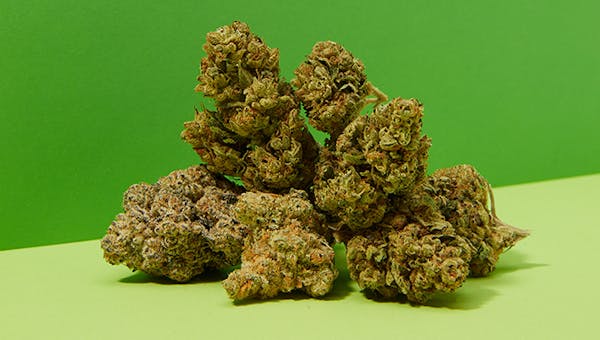
Mango strains typically display several visual characteristics that help identify them:
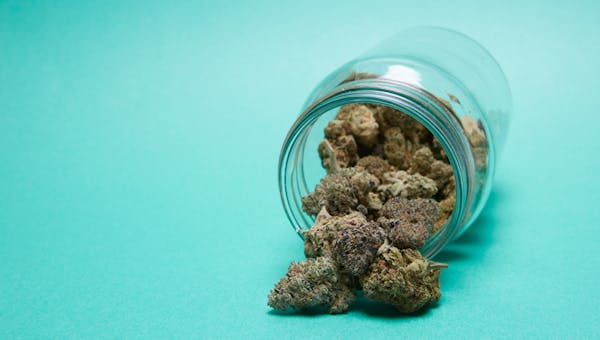
Medium to large bud structure with rounded, chunky formations rather than elongated spear-shaped colas
Bright to medium green coloration with occasional golden or yellowish hues that align with tropical-fruit-leaning genetics
Orange to amber pistils that create warm color contrasts against green and golden tones
Dense trichome coverage produces a frosty, resin-rich appearance, characterized by ripe, visible glands
Medium bud density — substantial without being rock-hard, falling between indica compactness and sativa airiness
Sticky, resinous texture with a sweet, fruity aroma noticeable even before breaking buds apart
Some phenotypes may exhibit subtle purple or pink hues in cooler growing conditions during late flowering
Green Crack: This energizing sativa-dominant strain with THC levels typically ranging from 18-24% delivers sweet mango and tropical fruit flavors with citrus undertones, providing focused, uplifting effects perfect for daytime productivity and creative activities.
Mango Kush: This indica-dominant hybrid combines sweet mango and banana flavors with earthy kush undertones, providing relaxing body effects and gentle mental calm, making it ideal for unwinding in the evening.
Mango: The strain that defined the category delivers authentic, sweet mango flavor with balanced hybrid effects combining gentle euphoria and relaxation suitable for any time of day.
Smell for tropical fruit: Quality mango strains should have an unmistakable sweet, fruity aroma. If it smells more earthy or skunky than tropical, the mango profile may be subtle or absent.
Check the terpene profile: Look for high myrcene content (above 0.5%) combined with terpinolene or limonene for authentic mango flavor and a fuller tropical expression.
Consider the balance: Mango strains range from energizing sativas, such as Green Crack, to relaxing indicas — choose based on your desired effects and intended use time.
Read user reviews: Check Weedmaps reviews and visit local dispensaries to confirm the strain delivers genuine mango taste rather than generic fruitiness.
Look for freshness: Terpenes degrade over time, so fresher flower will deliver a more pronounced mango aroma and flavor — ask budtenders about harvest dates when possible.
The original Mango strain from KC Brains is widely regarded as having the most authentic and intense mango flavor in cannabis. This strain was specifically bred to maximize tropical fruit characteristics, delivering sweet mango notes that closely resemble fresh fruit with minimal interference from earthy or skunky cannabis flavors.
Mango Kush offers similarly pronounced mango sweetness with added kush earthiness, while Mango Haze combines strong mango character with bright, uplifting haze effects.
For the purest mango experience, stick with strains that have "Mango" directly in the name and high myrcene content.
The theory that eating mangoes intensifies cannabis effects has become popular in cannabis culture, based on the fact that mangoes contain high levels of myrcene — the same terpene abundant in many cannabis strains. The idea suggests that consuming mango 30-45 minutes before cannabis use floods your system with myrcene, which may help cannabinoids cross the blood-brain barrier more easily, potentially creating stronger, longer-lasting effects. However, scientific evidence supporting this claim is limited and largely anecdotal.
While myrcene does appear in both mangoes and cannabis, peer-reviewed research hasn't confirmed that eating mango fruit significantly affects cannabis experiences. Many users report subjective differences, but these could result from placebo effects or individual variation rather than a proven synergy with myrcene.
Mango strains span the full spectrum from sativa-dominant to indica-dominant, with no single classification defining the category. The mango flavor profile isn't tied to specific genetics, like those of grape or diesel strains — instead, it appears across diverse lineages wherever breeders have selected for tropical fruit terpenes.
For example, Mango Kush is an indica strain, while Green Crack leans heavily sativa. When shopping for mango strains, always check the indica-sativa ratio to match your desired effects rather than assuming all mango varieties will deliver similar experiences.