Lavender strains
All strains







































What are lavender strains?
Lavender strains are cannabis strains characterized by floral, herbal aromas reminiscent of lavender flowers, often accompanied by sweet, earthy undertones and hints of citrus or spice. These strains deliver a distinctive sensory experience that combines the calming, aromatic qualities of lavender with the complex terpene profiles that make cannabis so versatile. The lavender character originates from terpenes such as linalool, myrcene, and caryophyllene, which create the soothing, spa-like qualities that many consumers seek. Lavender strains typically lean toward indica or hybrid varieties, offering relaxing effects that are ideal for stress relief, sleep support, and unwinding after a long day.
Whether you're drawn to the nostalgic scent of lavender fields or seeking the therapeutic properties associated with this classic herb, these strains provide some of the most aromatic and calming experiences in cannabis.
Brief history
The lavender flavor profile in cannabis has its roots in classic indica genetics, particularly Afghan and Kush varieties, which are known for their floral and herbal characteristics. The most famous lavender strain, simply called Lavender (also known as Lavender Kush), emerged in California in the early 2000s when growers at Soma Seeds combined Afghan Hawaiian, Super Skunk, and Big Skunk Korean genetics. The strain gained international recognition at the 2005 High Times Cannabis Cup, establishing lavender as a legitimate and desirable flavor category. As the cannabis market expanded, breeders began crossing lavender genetics with modern cultivars to create and grow lavender variety offspring. Strains like Purple Lavender and Lavender Jones emerged, each offering distinct takes on the aromatic experience.
Today's lavender weed strains represent a boutique segment that appeals to consumers seeking sophisticated, calming flavors that evoke aromatherapy and natural wellness, rather than fruit or dessert profiles.
Lavender strain flavors and terpenes
Lavender strains offer a distinctive aromatic experience that captures the essence of the herb. The inhale typically delivers primary floral lavender notes — sometimes reminiscent of fresh lavender buds, other times more like dried lavender sachets or lavender essential oil—while the exhale often reveals layers of earth, spice, or subtle citrus that add complexity to the herbal profile.
The lavender flavor comes from specific terpene combinations:
Linalool: The signature terpene in lavender strains, linalool creates the distinctive floral, slightly sweet aroma that defines the lavender experience.
Myrcene: Providing earthy, musky undertones that ground the floral notes and add depth to the overall herbal character.
Caryophyllene: Contributing spicy, peppery notes with hints of clove, this terpene adds warmth and complexity to the profile.
Pinene: Offering fresh, herbal notes with hints of rosemary and pine, pinene balances the floral sweetness with bright, uplifting accents.
Terpinolene: Adding lilac and herb garden nuances, terpinolene contributes to the complex floral bouquet that makes lavender strains so distinctive.
Lavender strain effects
Users commonly report a range of calming effects from lavender strains:
Deep relaxation: Pronounced physical ease with tingly sensations that melt tension throughout the body, creating full-body comfort.
Stress relief: Significant reduction in mental worry and anxiety.
Sleep support: Sedative properties that naturally transition into restful sleep.
Mental calm: Quieting of racing thoughts and mental chatter.
Pain relief: Effective management of chronic pain, headaches, and inflammation.
Mood stabilization: Gentle emotional balance without heavy sedation during initial effects.
What do lavender strains look like
While aroma is paramount, lavender strains often share specific visual characteristics:
Purple and violet hues: Many phenotypes display lavender-colored leaves and calyxes that complement the aromatic profile.
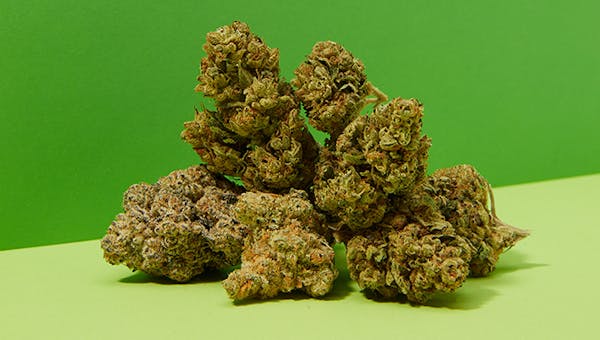
Dense, resinous buds: Indica-dominant structure with tight node spacing, dense buds, and heavy trichome production.
Silvery frost: Generous trichome coverage creating a crystalline, shimmering appearance.
Deep green base color: Rich forest green foundation contrasting with purple accents.
Orange to rust pistils: Vibrant hair coloring adding visual warmth.
Top lavender strains to try
Lavender Kush: The definitive lavender-flavored variety. This indica-dominant hybrid (17-21% THC) lives up to its name, with pronounced floral lavender aromas complemented by earthy, herbal undertones and subtle spice notes. Users consistently report deeply relaxing effects that wash over both body and mind, making it a popular choice for evening unwinding or addressing tension and sleeplessness. The strain's calming properties pair beautifully with its aromatic profile, creating a soothing sensory experience. Consumers appreciate how Lavender Kush delivers tranquil, stress-melting effects without overwhelming sedation, allowing for peaceful contemplation before transitioning into restful sleep.
Super Silver Haze: A legendary sativa-dominant strain, delivers energizing and uplifting effects with complex flavors that include subtle lavender notes, mixed with citrus and spice. While not a pure lavender variety, certain phenotypes express beautiful floral characteristics that appeal to lavender enthusiasts seeking more cerebral effects. Consumers report that the long-lasting euphoria and creative stimulation make it ideal for daytime use.
Purple Haze: This classic sativa-leaning hybrid combines sweet berry and earthy flavors with delicate floral lavender undertones. Users frequently describe creativity-enhancing effects paired with gentle body relaxation. The strain's historical significance as a 1960s counterculture icon adds appeal, while its balanced effects suit afternoon or early evening consumption when you want mental stimulation with calming aromatics.
Zkittlez: This award-winning indica-dominant hybrid delivers fruity candy flavors with surprising lavender herbal notes in specific phenotypes. Users note that the deeply relaxing effects, combined with mood elevation, make it popular for evening use. While primarily known for its fruit-forward profile, specific cuts express beautiful floral characteristics that satisfy lavender fans who also appreciate sweet, dessert-like complexity.
How to shop for lavender strains
Smell for floral herbal notes: Quality lavender strains should have an obvious lavender smell — if it smells generic or purely earthy, the lavender character may be minimal.
Check for linalool content: Look for lab results showing linalool as a primary terpene, ideally above 0.5% for authentic lavender character.
Read strain lineage: Strains descended from Lavender, Lavender Kush, or Afghan genetics typically deliver more pronounced floral profiles.
Look for purple coloration: While not required, purple hues often indicate the genetics and growing conditions that produce lavender aromatics.
Ask about effects profile: Most lavender strains lean towards indica or hybrid, so confirm the effects match your desired experience.
Read user reviews: Check Weedmaps online strain reviews or dispensary feedback specifically mentioning lavender aroma to confirm authentic floral character rather than generic earthiness.
Frequently asked questions
Some of the most popular lavender strains include:
The original Lavender strain (also known as Lavender Kush) remains the definitive lavender-flavored variety, boasting an authentic floral and herbal aroma that closely resembles the scent of actual lavender flowers. This Soma Seeds creation set the standard for lavender cannabis, winning the High Times Cannabis Cup in 2005, and continues to deliver the most pronounced lavender characteristics. For maximum lavender intensity, look for strains with "Lavender" in their name that are descended from the original genetics and have a high linalool content (ideally above 0.5%, with exceptional examples reaching 1% or higher).
Yes, authentic lavender strains genuinely smell like lavender flowers, although the intensity and specific character vary depending on genetics, growing conditions, and curing methods. The best examples capture the floral, slightly sweet, herbal aroma of fresh or dried lavender without smelling artificial or perfume-like. Well-cultivated lavender strains offer aromatic qualities that closely resemble the scent of actual lavender, rather than generic floral scents. The experience can range from subtle lavender undertones to a dominant floral character, depending on the specific strain and phenotype.
Research and consumer reports suggest lavender strains excel at managing anxiety and promoting sleep due to their high linalool content, which has demonstrated anxiolytic and sedative properties in studies. The terpene linalool is the same compound found in lavender essential oil, which has been used in aromatherapy for centuries. Combined with indica-dominant effects, lavender strains offer both the psychological comfort of familiar aromas and the physical relaxation many seek for quality rest. Many users report lavender varieties as their preferred nighttime strains specifically for anxiety relief and sleep support.
Lavender strains typically deliver indica-dominant or balanced hybrid effects characterized by deep physical relaxation, mental calm, and stress relief. Most varieties promote sedation and are best suited for evening or nighttime use; however, some hybrids offer more balanced effects, making them suitable for afternoon consumption. Users commonly report pain relief, mood stabilization, and a general sense of wellness that mirrors the therapeutic associations with lavender aromatherapy.