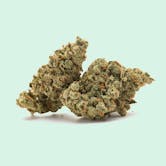
Purple Haze
- Grape (38% of reported flavors)
- Blueberry (37% of reported flavors)
- Sweet (25% of reported flavors)
Purple Haze is an old-school Haze name with more history than pedigree paperwork. The historical version traces back to the California Haze scene of the late 1960s and 1970s, where purple expressions appeared among the Original Haze population. Sam the Skunkman later described Purple Haze as Original Haze with Colombian bloodlines, placing it inside the early Haze family rather than treating it as a neatly documented modern cross.
The name arrived during the same psychedelic era as Jimi Hendrix's 1967 song and purple LSD circulating under the Purple Haze name, giving an already violet-leaning cultivar a nickname almost custom-built for the counterculture. Deep green flowers can flash purple and violet, with a heavy coat of trichomes giving the buds their classic frosted appearance.
Today's Purple Haze isn't genetically uniform. A widely circulated version is described as Haze crossed with Purple Thai, while the historical Purple Original Haze story points to a purple, Colombian-influenced expression from the older Haze population. Decades of breeding and name reuse have left both versions circulating under the Purple Haze banner.
Word around the shop is that Purple Haze tends to come on bright and cerebral, with an energetic, euphoric lift that can turn creative and social before easing into a lighter relaxed finish. Grape, blueberry, sweet herbs, earth, and spice commonly show up in the flavor profile, but the heady old-school Haze character remains the main event.
The plant’s flowers are distinguished by fluffy nugs and dark purple color. A patient breeder will nurture the strain to her fullest potential in 16-20 weeks when grown indoors. When flowering, this lady unleashes a bouquet of earthy, sweet aromas.