Diesel strains
All strains






































What are diesel strains?
Diesel strains are cannabis strains characterized by a strong, fuel-like scent often compared to gasoline or other sharp chemical aromas. While terpenes like caryophyllene, limonene, and myrcene help shape the unique, acrid edge of the profile, the true diesel scent comes from trace volatile sulfur compounds (thiols) that create the unmistakable gas-like punch. The diesel profile became iconic with Sour Diesel in the 1990s and has since defined an entire category of cultivars that users often describe as energizing and cerebral.
Frequently asked questions
The diesel strain lineage traces back to early 1990s New York, where Sour Diesel (also called Sour D or ECSD) emerged from disputed genetics — most likely Chemdawg '91 crossed with Super Skunk, though some claim it's simply a Chemdawg phenotype.
Sour Diesel's explosive popularity throughout the late '90s and early 2000s established diesel as a premium flavor profile, leading breeders to intentionally select for fuel-forward terpenes and create hybrids like Headband, Fire OG, and NYC Diesel. By the 2010s, diesel strains had spread globally, with breeders incorporating the profile into OG Kush crosses and modern hybrids.
Today, diesel remains one of cannabis's most recognizable flavor categories, prized for its intense aroma and energizing effects.
Diesel strains offer a complex flavor experience that transcends simple fuel notes. The inhale typically brings sharp, pungent flavors with skunky undertones mixed with citrus brightness and subtle earthiness. The exhale often reveals layers of lemon, pine, or spice that help balance its unique profile with more approachable herbal and fruity undertones.
The diesel profile comes from specific terpene combinations:
Caryophyllene: This spicy, peppery terpene creates the sharp, fuel-like punch that defines diesel strains.
Limonene: Adding bright citrusy notes, limonene balances diesel harshness with lemony sweetness.
Myrcene: Providing earthy, musky undertones, myrcene rounds out the profile with herbal depth.
Pinene: Contributing fresh pine and herbal notes, pinene adds complexity.
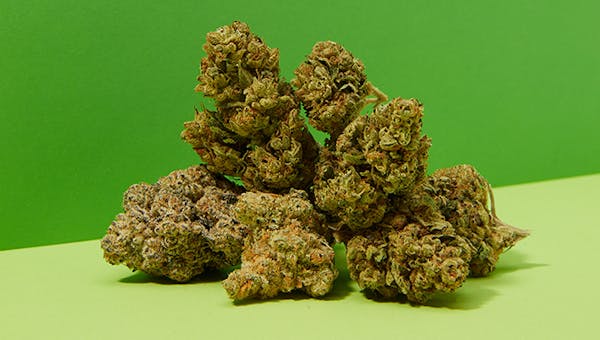
Diesel strains typically display several recognizable visual characteristics that help identify them:
Medium to large bud structure with elongated, conical-shaped colas rather than round, dense nuggets
Bright to medium green coloration, often with lime, olive, or forest green hues
Vibrant orange to rust-colored pistils that stand out dramatically against the green backgrounds
Heavy trichome coverage creating a frosty, crystalline appearance with prominent resin glands
Looser, more airy bud density compared to indica-dominant strains, with visible gaps between individual calyxes
Strong aromatic presence even before breaking buds apart—the fuel smell is unmistakable
Sticky, resinous texture that leaves fingers coated after handling due to high trichome density
Sour Diesel: The definitive sativa-dominant hybrid with THC levels typically ranging from 20-25% that established the diesel category. Sour Diesel delivers piercing fuel and citrus aromatics with a fast-moving, cerebral lift that many consumers describe as ideal for daytime focus and creative momentum.
Headband: A cross of Sour Diesel and OG Kush, Headband delivers fuel-forward aromatics softened by earthy OG notes, with users reporting a steady, clear-headed mental buzz and a warm, creeping body sensation.
East Coast Sour Diesel (ECSD): Considered the loudest and most terpene-rich expression of Sour Diesel, ECSD is widely believed to descend from Chemdog 91 × Super Skunk. This cut intensifies everything people associate with Sour D — sharper fuel volatility, heavier skunk, and a distinctly electric headspace that separates it from softer modern interpretations.
NYC Diesel: A classic fuel-leaning hybrid, NYC Diesel (Sour Diesel × (Afghani × Hawaiian)) delivers a smoother, citrus-bright twist on the diesel profile. Reviewers describe its aroma as a blend of sharp gas, ruby-grapefruit zest, and soft tropical sweetness.
Smell before buying: Quality diesel strains should have a noticeable pungent, fuel-like aroma — if it smells more earthy or sweet than gassy, the diesel profile may be subtle or absent.
Check the terpene profile: Look for high caryophyllene content (above 0.5%) combined with limonene and myrcene for authentic diesel flavor and balanced effects.
Verify genetics: True diesel strains typically descend from Sour Diesel, Chemdog, or OG Kush lineages — check strain descriptions for these parent genetics.
Consider effect timing: Most diesel strains are sativa-dominant with energizing effects, making them better suited for daytime use, although some diesel-OG hybrids, like Fire OG, offer evening relaxation.
Read user reviews: Check Weedmaps reviews and consult with your local dispensary staff to confirm that the strain delivers a genuine diesel taste and the desired effects.
Ask about freshness: Diesel terpenes are volatile and fade with age — fresher flower will have a more pronounced fuel aroma and flavor.
Check the THC content: Diesel strains typically range from 18-26% THC, so choose based on your tolerance and desired intensity.
Chemdog is often cited as having the most intense, pure diesel aroma in cannabis. This legendary strain predates Sour Diesel and delivers a sharp, fuel-forward profile with minimal sweetness or fruit notes to soften the impact. Chemdog's diesel profile is so pronounced that many users describe it as smelling like spilled gasoline or industrial solvents — the purest expression of what makes diesel strains distinctive.
Sour Diesel offers similarly intense fuel flavors but adds more bright citrus and skunk, while Chemdog remains the benchmark for raw diesel intensity.
Diesel strains are predominantly sativa-dominant, with the original Sour Diesel generally regarded as a mostly sativa cultivar rather than a true hybrid. This sativa influence aligns with the energizing, cerebral qualities many users associate with diesel genetics — described as promoting mental stimulation, creativity, euphoria, and social momentum. However, many modern diesel hybrids incorporate indica genetics through crosses with OG Kush, Cookies, or Chemdog lines, creating balanced or indica-leaning options, such as GMO Cookies and Headband.
When shopping for diesel strains, consider the indica-sativa ratio to match your desired effects — pure diesel genetics tend to skew towards daytime energy and uplifting effects, while diesel-indica hybrids offer a heavier sense of relaxation.
Diesel strains develop their fuel-like aroma from a concentrated mix of terpenes — caryophyllene, myrcene, and limonene — alongside trace volatile sulfur compounds (thiols) that add a sharper, sulfur-leaning edge. This combination creates the petroleum-like scent people associate with gasoline, even though it’s entirely plant-derived.
Some growers note that mild stress during flowering can enhance the production of these aromatic compounds, making the diesel character even more pronounced. The result is a naturally bold, unmistakable profile that has become one of the most recognizable signatures in the modern cannabis industry.