Vape pens don't clog randomly. Oil thickens, vapor cools, and residue starts stacking inside the cartridge until airflow chokes off.
 Photo by: Gina Coleman/Weedmaps
Image lightbox

Most people notice it when the draw gets tight or the hit drops off. By that point, the blockage is already forming —usually near the mouthpiece, where vapor cools fastest and turns back into liquid.
What's happening comes down to how the oil moves, cools, and settles inside the cartridge.
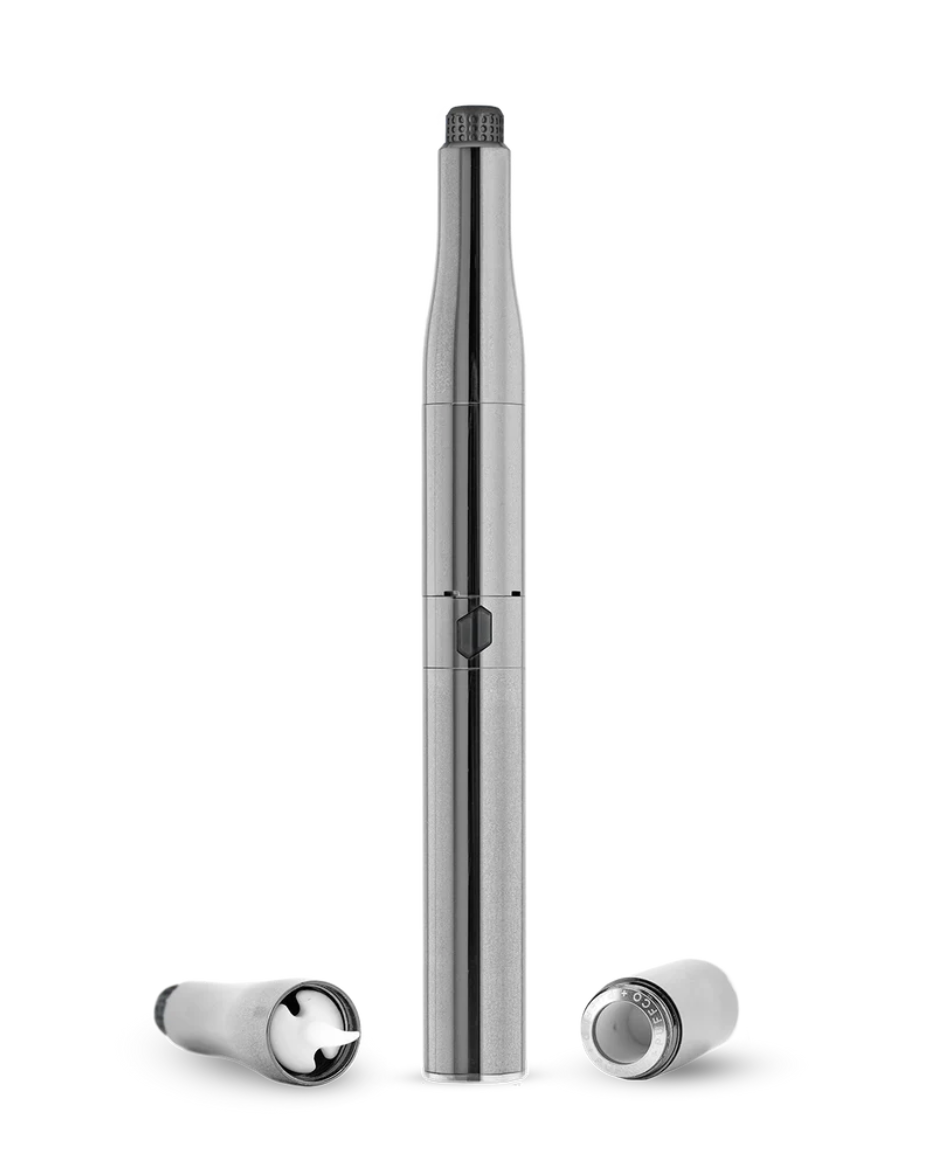
Inside the cartridge: where clogs actually form
Clogging starts inside the cartridge, but it doesn't stay evenly distributed. Most buildup collects along the airflow path, especially near the top of the cart and inside the mouthpiece.
That buildup shapes what you feel when you inhale—tight draw, delayed vapor, or complete blockage.
How airflow gets restricted
Inside a cart, air moves through a narrow channel from the chamber to the mouthpiece. That space stays open when it's clear.
As residue builds along that channel, airflow gets forced through a smaller and smaller opening. Instead of moving cleanly, air has to push through partially blocked space, which makes the draw feel tight or uneven.
Viscosity (oil thickness)
Oil thickness controls how easily it moves.
At lower temperatures, all vape oils thicken. On the first pull, that thicker oil can get pulled into the airflow channel and linger there instead of flowing back into the chamber.
That's why cold starts often feel clogged or slow; movement is restricted before the system fully warms up.
Condensation
Some vapor cools before it leaves the device.
When that vapor hits cooler surfaces — especially near the mouthpiece — it condenses back into liquid and sticks. Each pull adds another thin layer in the same place.
Over time, that reclaimed oil builds up fastest at the top of the cart, narrowing the airway where airflow matters most.
Heat cycles
Each session heats and cools the same material.
Heat loosens oil and residue, letting it shift slightly. As the cart cools, that material settles back into the airflow path. Repeated cycles slowly pack more material into the same restricted space.
That's how minor buildup turns into a full blockage over time.
Usage patterns
Pulling harder increases pressure and pulls more oil into the airflow channel instead of clearing it. What feels like a fix usually makes the clog worse.
Back-to-back hits keep the system warm, which allows more vapor and residue to stay suspended inside the cartridge instead of clearing out. Each pull leaves more behind.
Oil types

Image lightbox

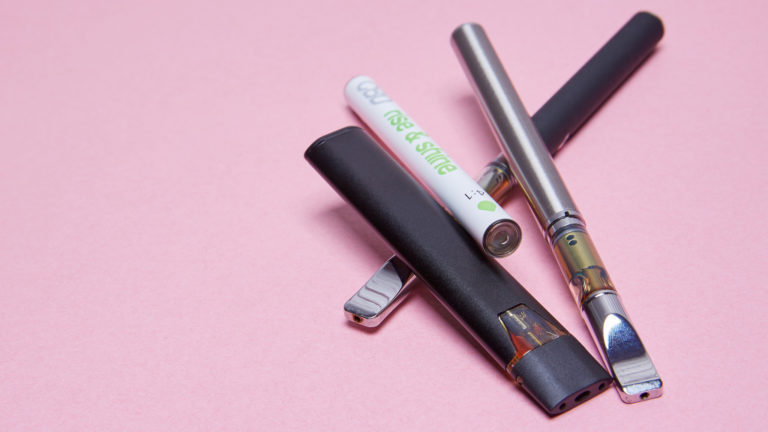
The type of oil changes how it behaves inside the cartridge.
More refined oils like distillate tend to flow more easily when warm but can thicken quickly at rest, especially in cooler conditions. Terpene-rich extracts like live resin often stay mobile longer but still condense and collect along the airflow path as vapor cools.
Regardless of formulation, all vape oils can thicken, condense, and contribute to buildup under the right conditions.
How to prevent and fix clogs
Warm the cart before pulling. A short preheat or a couple light primer puffs help loosen thickened oil before it gets pulled into the airflow path.
Use slow, steady draws. Pulling harder increases pressure and pushes more oil into the airway instead of clearing it.
Store carts upright at room temperature. Keeping the mouthpiece up reduces the chance of oil settling into the airflow channel, especially in cooler conditions.
If it's already clogged: Gently warm the cart and take light pulls to reopen airflow — forcing it usually makes the blockage worse.
Why vape pens clog over time

Most clogs don't start deep in the cartridge, they form near the mouthpiece, where vapor cools and turns back into liquid fastest.
Once the buildup starts, every pull adds to it. Pulling harder doesn't clear the airway—it pulls more oil into it.
Clogs aren't random. They're the result of heat, pressure, and repeated use working against a narrow airflow path.Find vape carts that stay consistent from start to finish, available for pickup or delivery near you on Weedmaps.