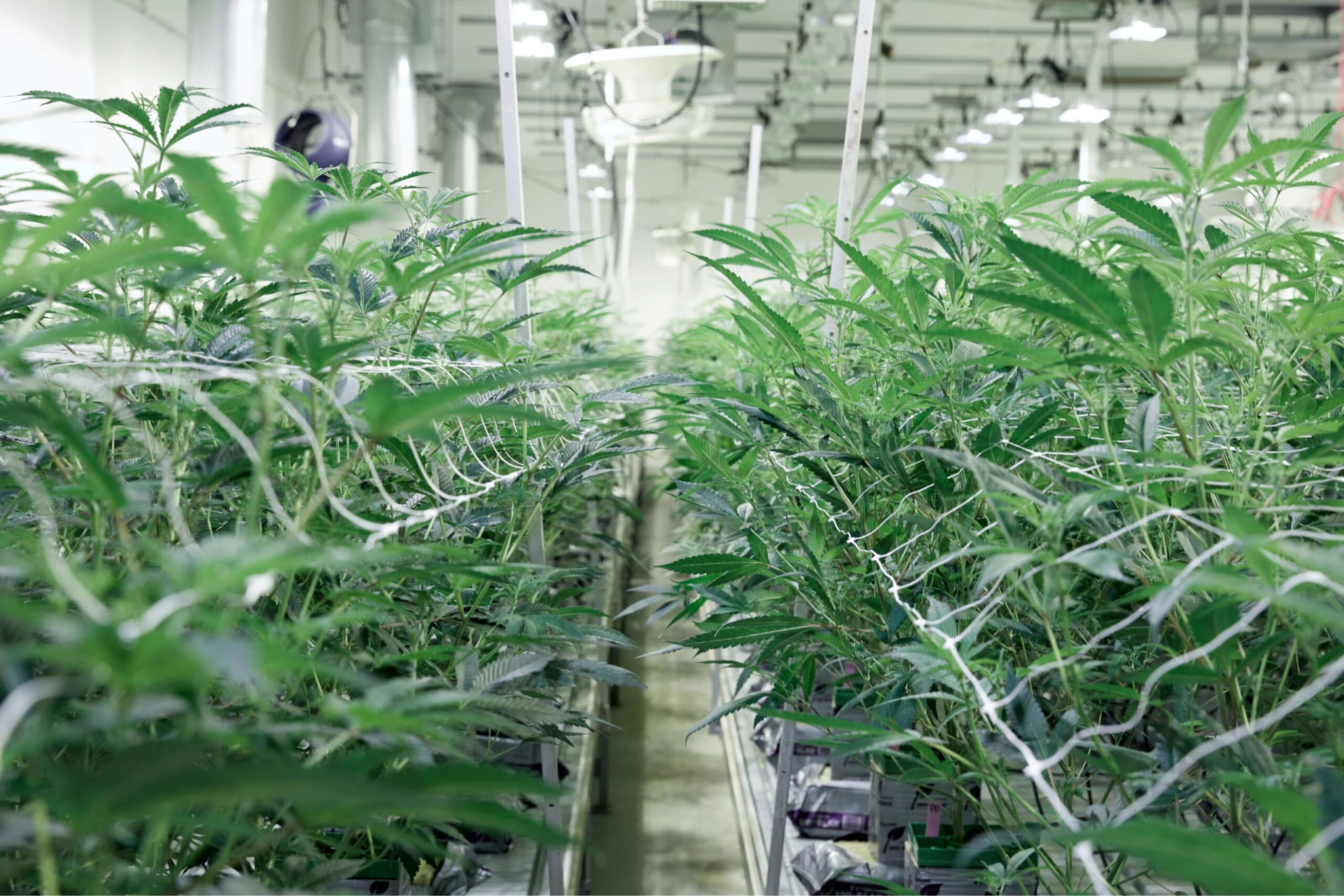
Choosing unfeminized (regular) seeds means planning around the reality that roughly half your plants may turn out male, and that affects every part of your grow.

Image lightbox

You will need more space than your final female count suggests, more time before flipping to flower, and more flexibility in your canopy plan because the males you remove never contribute to your final yield.
Feminized seeds sidestep most of that uncertainty, but unfeminized seeds still matter when growers want genetic diversity, pheno-hunting potential, or breeding stock.
Space planning when half might be male
With unfeminized seeds, space planning is less about how many seedlings you can start and more about how many female plants you can realistically finish without overcrowding.
Pick your female target first
With unfeminized seeds, growers often start more plants than their intended female count because some plants will eventually be removed as males. That changes how you think about canopy planning from the beginning.
The most common mistake is sizing a tent around the intended finishers instead of the peak number of plants carried during early growth. Until sex is confirmed, every plant still needs light, water, nutrients, and floor space.
A useful way to avoid surprises is to separate the grow plan into two numbers:
- Starters: every seed that sprouts
- Keepers: the intended female count
That distinction makes it easier to budget pots, medium, and canopy space without overcommitting the setup.
If the space only comfortably supports the keeper count, temporary overflow planning becomes part of the process until sex traits become clear.
Reserve a quarantine lane for suspected males
Set aside a dedicated quarantine space for plants you suspect may be male, even before you are completely certain. That buffer prevents questionable plants from occupying prime canopy space and reduces the chance you miss the removal window.
In unfeminized runs, sex identification usually happens during pre-flower, so every plant stays in rotation through early growth. Treat that period like triage: keep your strongest plants in the main canopy and move uncertain plants out of the center as soon as they become questionable.
A quarantine lane does not require a second tent. It can be a separate corner, shelf, or room, as long as it stays physically distinct and easy to monitor.
Time planning for sexing before flower locks in
 Photo by: Gina Coleman/Weedmaps
Image lightbox

With unfeminized seeds, timing matters. You need enough runway to identify sex traits, confirm what you are seeing, and remove males before pollen becomes a risk.
Preflower checkpoints in weeks three to four
Many growers begin spotting preflowers around weeks three to four after germination. Male preflowers may appear as small, smooth pollen sacs during that window, while female traits often develop later.
Early inspections are usually about identifying obvious males rather than confirming every female immediately. Because sex traits do not always appear all at once, it helps to inspect plants regularly and re-check uncertain cases before reorganizing your canopy.
Build in tent time before you switch to 12-12
Give yourself enough time to identify sex before switching to a 12-12 flowering cycle. Flipping too early compresses your decision window and increases the risk of discovering males after you have already committed canopy space and training time to them.
With unfeminized seeds, preflower is part of the planning process. Male plants can begin releasing pollen within several weeks of the flip, which makes early identification and removal especially important during the transition into flower.
If you are not intentionally breeding, remove confirmed males before pollen release becomes possible. Waiting for absolute certainty usually carries more risk than removing a likely male slightly early.
Yield and efficiency: feminized seeds win
 Photo by: Gina Coleman/Weedmaps
Image lightbox

Feminized seeds are usually the more efficient choice when your goal is a full canopy and predictable output, especially in a single fixed grow space. With fewer male removals, growers are more likely to keep the plants they trained from the start and finish with a more even canopy.
They also reduce variability between runs. Less reshuffling during veg usually means steadier planning around space, timing, and expected yield.
Regular seeds can still be the right choice for breeding work, pheno hunting, or preserving genetic diversity, but they require more flexibility and a greater tolerance for uncertainty.
Turn the tradeoffs into a plan

Thinking about buying unfeminized seeds? Remember that the decision affects more than genetics. It also changes how you plan your space, timeline, and canopy.
Because some plants will turn out male, you may start more plants than you ultimately keep. Once sex traits begin appearing around weeks three to four, removals can change your spacing, veg time, and final yield expectations.
Ready to find your genetics? Shop seeds for pickup or delivery online and browse options from breeders near you.