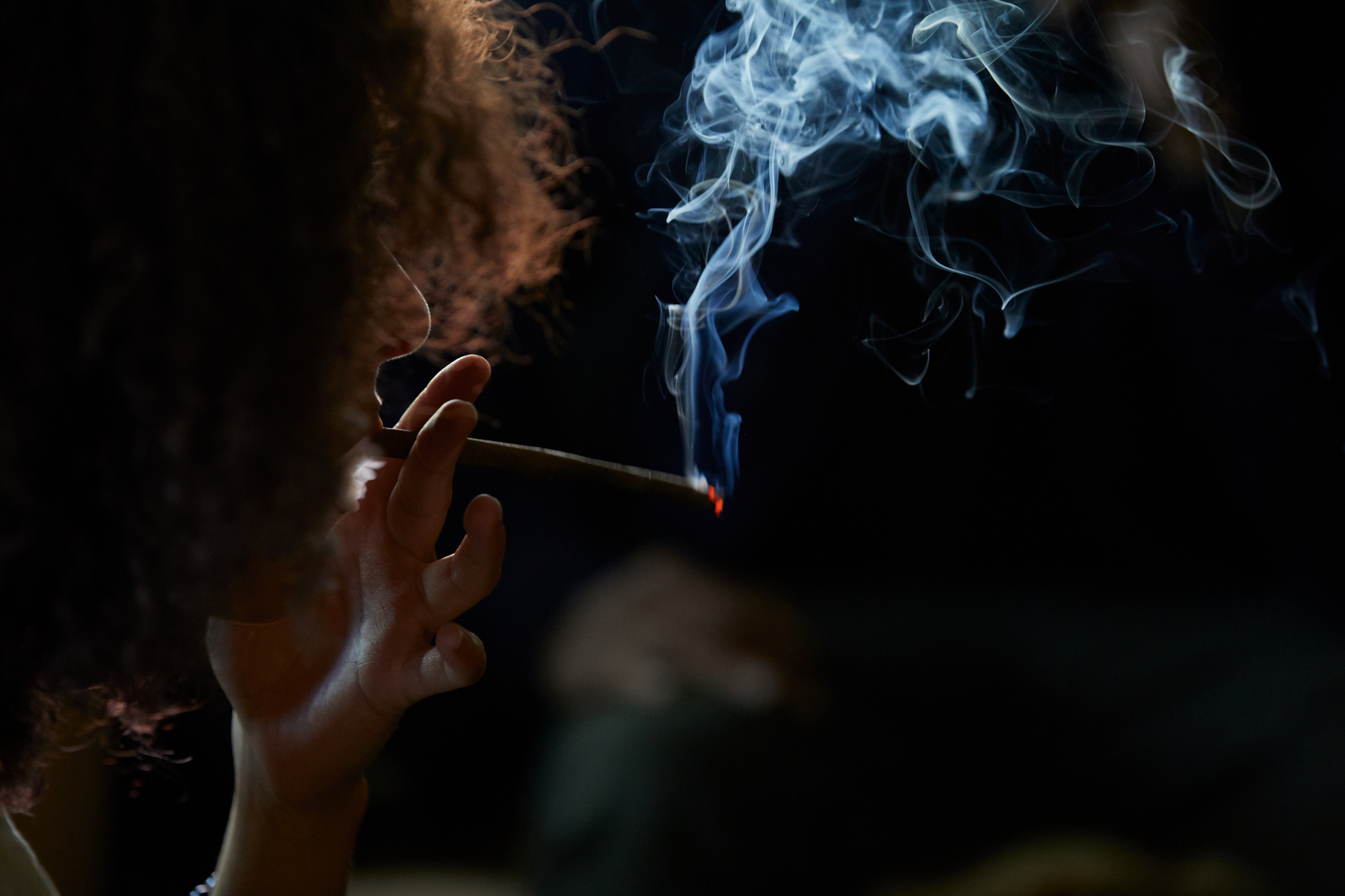
Joint canoeing starts before the first ash falls. Uneven airflow, moisture differences, loose packing, or bad lighting can make one side burn faster long before the cherry fully stabilizes.

Image lightbox

Most uneven burns begin in the first few pulls, before the cherry fully stabilizes. One side gets slightly more oxygen, slightly less resistance, or slightly drier flower, and the burn immediately starts favoring that edge.
Once that imbalance begins, the cherry keeps following the easiest combustion path instead of correcting itself naturally.
Canoeing usually gets worse the harder people try to fix it.
Aggressive pulls feed more oxygen into the fastest-burning side. Constant relights create hotter sections along the paper. Squeezing the joint too hard can shift airflow again and create an entirely new weak spot halfway through the session.
Most canoeing starts in the opening pull, then spends the rest of the session running to the roach.
The real fix is understanding what caused the imbalance before the burn fully runs away.
What canoeing actually means inside a joint

Image lightbox

A properly burning joint creates a relatively even combustion ring around the cherry.
Canoeing happens when one section burns faster than the rest of the circumference. That faster side keeps pulling ahead because combustion itself creates more airflow and heat around the advancing edge.
Once the burn line tilts, the imbalance compounds quickly.
The side burning faster gets:
- More oxygen exposure
- Higher sustained temperature
- Less resistance from surrounding material
Meanwhile, the slower side struggles to stay caught up because heat distribution across the cherry becomes uneven.
Canoeing ruins more joints than bad weed, weak rolling skills, or windy patios combined. The difference is most people blame the joint instead of the combustion imbalance that started ten seconds after lighting it.
The important thing is that joints reveal the problem early if you know what to look for.
A cherry climbing aggressively along one edge points toward airflow imbalance or loose packing. A glowing center with pale outer edges points toward density mismatch where the middle burns faster than the paper edge surrounding it.
The shape of the burn line is basically a diagnostic readout for everything happening inside the roll.
Why airflow imbalance creates runaway burns
Airflow controls combustion speed.
The side of the joint drawing more oxygen will almost always burn hotter and faster than the side experiencing more resistance. Even tiny airflow differences inside the roll can create a noticeable canoe within the first minute of smoking.
One common cause is an internal air channel.
If part of the flower pack settles unevenly, a hollow lane can form inside the joint. Heat and airflow naturally rush through that lower-resistance path, so the cherry keeps feeding the same side repeatedly instead of burning evenly across the tip.
Paper seams can contribute too.
If the seam consistently sits facing upward during the first few pulls, it can behave like a miniature airflow lane that feeds extra oxygen along one edge. The effect becomes stronger while the cherry is still stabilizing because combustion is highly directional early in the session.
Slowly rotating the joint during the first several pulls helps redistribute heat and airflow before one edge gains a permanent advantage.
How grind consistency changes burn behavior

Image lightbox

Flower particle size changes how heat spreads through the roll.
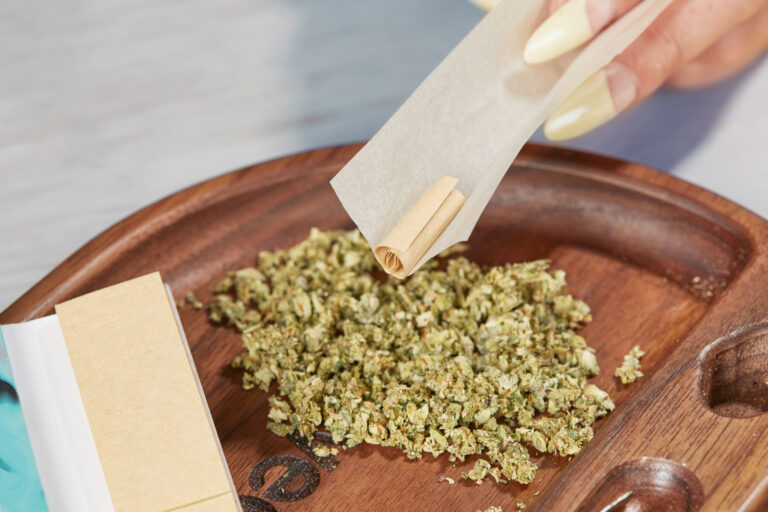
When a joint contains a mix of fine powder and larger chunks, those materials combust at different speeds. Finer particles ignite faster because they expose more surface area to heat and airflow, while chunkier material burns slower and restricts airflow more heavily.
That mismatch creates uneven combustion pressure inside the joint.
One side may contain more finely ground material and suddenly start running hotter while the opposite side struggles to stay lit consistently. Once the faster side establishes a hotter cherry, the imbalance keeps growing.
That's why consistency matters more than ultra-fine grinding.
A uniform medium grind burns more evenly because airflow resistance stays relatively stable across the entire width of the roll instead of shifting constantly between dense chunks and powdery pockets.
Why rolling pressure affects canoeing
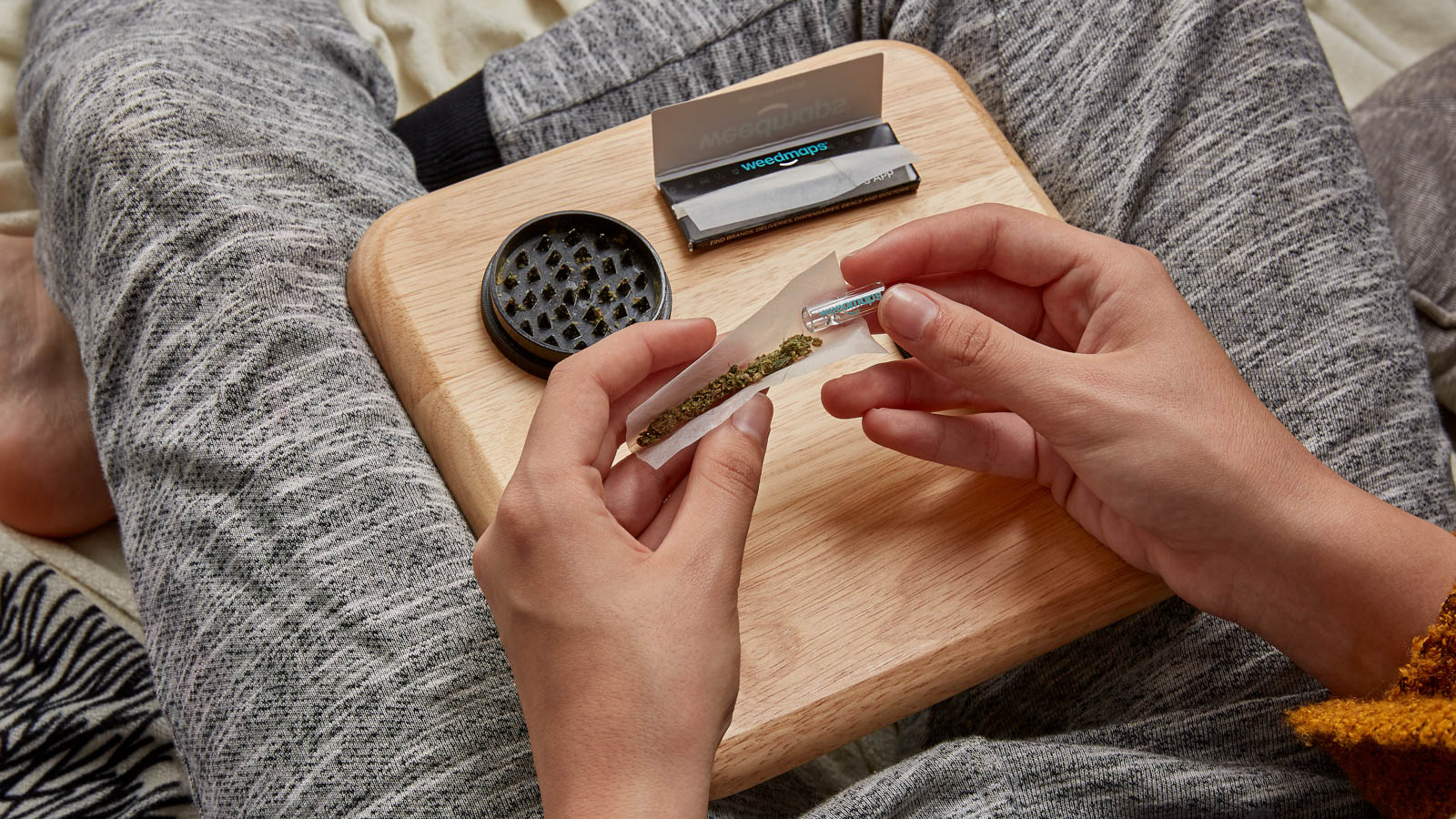
Uneven rolling pressure creates uneven density.
If one side of the joint gets compressed tighter during rolling, the opposite side pulls more air and burns faster. That looser section effectively becomes the low-resistance lane the cherry naturally wants to follow.
This happens near the seam or tip.
Small pressure differences created during the final tuck can quietly shape airflow patterns before the joint is even lit. Once combustion starts, those tiny differences become amplified by heat and oxygen flow.
Joints that feel uneven during a dry pull usually canoe quickly after ignition because the airflow imbalance already exists before the flame touches the paper.
It needs relatively even resistance from side to side so the cherry receives balanced airflow during combustion.
Why lighting mistakes start canoeing early

Image lightbox

A lot of canoeing problems begin during ignition itself.
If one section of the tip catches significantly faster than the rest, the cherry starts tilted from the beginning. Once one edge establishes a hotter burn front, the combustion path keeps favoring that side throughout the session.
Center-lighting creates this problem constantly.
When people drive the flame directly into the middle of the joint, the center ignites aggressively while the outer rim lags behind. Heat then races outward unevenly instead of establishing a balanced combustion ring across the circumference.
A better approach is gradually toasting the rim while rotating the joint.
That creates a more even ignition front before the first full inhale. Once the cherry forms evenly, the joint becomes much more stable during normal pulls.
The first few draws matter too.
Hard pulls during ignition spike airflow dramatically before the cherry fully stabilizes. Gentle pulls allow the burn front to widen evenly instead of immediately climbing one side.
The first ten seconds decide whether the joint burns clean or spends the rest of the session trying to self-destruct.
Why moisture differences create uneven burns
Flower does not always dry evenly across the entire roll.
One section may contain slightly wetter flower while another side burns drier and hotter. The drier material combusts faster, so the cherry keeps advancing unevenly while the wetter side lags behind.
Ash texture reveals this quickly.
The faster-burning side creates lighter, softer ash because combustion stays hotter and cleaner there. The slower side may leave darker, denser ash because moisture is still resisting combustion underneath the cherry.
That's why canoeing can still happen even in a perfectly rolled joint.
The structure may be fine while the moisture balance inside the flower itself remains uneven.
Humidity swings before rolling can make this worse too. Flower that dries unevenly inside jars or grinders develops subtle combustion inconsistencies long before the joint gets built.
How one bad pull can ruin the whole joint

Before the cherry fully stabilizes, the burn front is still deciding which path to follow. A spike in airflow during those first few seconds tips the balance — one edge runs hotter, the combustion line tilts, and the joint spends the rest of the session chasing that original mistake down to the roach.
That's what makes canoeing different from most smoking problems. It doesn't compound slowly. It locks in fast and gets worse every pull after.
Find flower, pre-rolls, rolling papers, and smoking gear near you on Weedmaps.