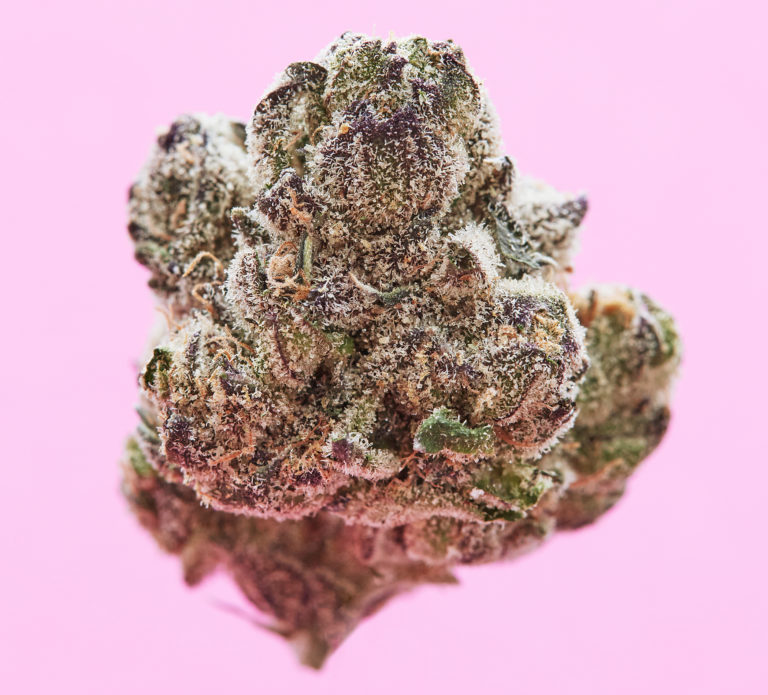
As cannabis ages, oxygen, light, and heat gradually reshape its chemistry. THC breaks down into compounds like CBN while terpenes evaporate, changing the flower's potency, aroma, and overall effect profile over time.

Image lightbox

That shift happens slowly enough that most people never notice the chemistry changing in real time. They just notice the result: older flower feels different.
Sometimes the aroma fades first. Sometimes the effects feel flatter, heavier, or less expressive than they did when the flower was fresh. Those changes are not random. They are the result of ongoing chemical reactions happening inside the plant long after harvest.
THC is not the final stage of the cannabinoid lifecycle
Cannabinoids keep changing long after harvest. Inside freshly harvested flower, THC exists mostly in its acidic precursor form, THCA. Once heat enters the process through drying, vaporization, or combustion, THCA converts into THC through decarboxylation.
That conversion is often treated like the end of the cannabinoid lifecycle, but it is really the beginning of another stage.
THC is not chemically stable forever. After it forms, it continues reacting to the surrounding environment over time. Exposure to oxygen, light, heat, and age gradually reshapes the cannabinoid profile, causing THC to break down into other compounds as the flower continues aging.
Those chemical changes happen slowly, but they never fully stop. Even sealed flower keeps evolving after harvest as cannabinoids continue responding to the environment around them.
What turns THC into CBN
The main process that turns THC into CBN is oxidation.
Oxidation happens when oxygen molecules interact directly with THC. As oxygen contacts the molecule, it strips away electrons, destabilizing THC's structure and causing it to reorganize into new compounds.
One of the main compounds created through that process is cannabinol, or CBN.
That's why aging flower is not just “losing THC.” The THC is chemically changing. Over time, more oxygen exposure gives more THC molecules the chance to react, break down, and convert into CBN and other oxidized byproducts.
Oxygen starts the process, but light and heat dramatically accelerate it.
How light and heat speed degradation up

Image lightbox

UV light breaks molecular bonds
Light, especially ultraviolet light, accelerates THC degradation by breaking molecular bonds inside cannabinoids directly. Once those bonds become unstable, degradation reactions happen much faster.
That's why flower stored near windows, inside clear jars, or under constant indoor lighting tends to lose freshness more quickly than flower kept in dark environments. Even indirect light exposure slowly speeds the process up over time.
Heat speeds every reaction up
Heat works differently than light, but the result is similar: faster degradation.
Higher temperatures increase molecular activity inside the flower, which speeds up nearly every chemical reaction happening at the same time. Cannabinoids degrade faster, volatile compounds evaporate more quickly, and the overall profile changes sooner.
Stable temperatures matter more than most people realize. Flower stored in warm or fluctuating environments ages significantly faster than flower kept in a consistently cool space.
Storage only slows the process
Flower keeps changing after harvest, but proper cannabis storage slows those changes down significantly.
A few environmental factors matter more than anything else:
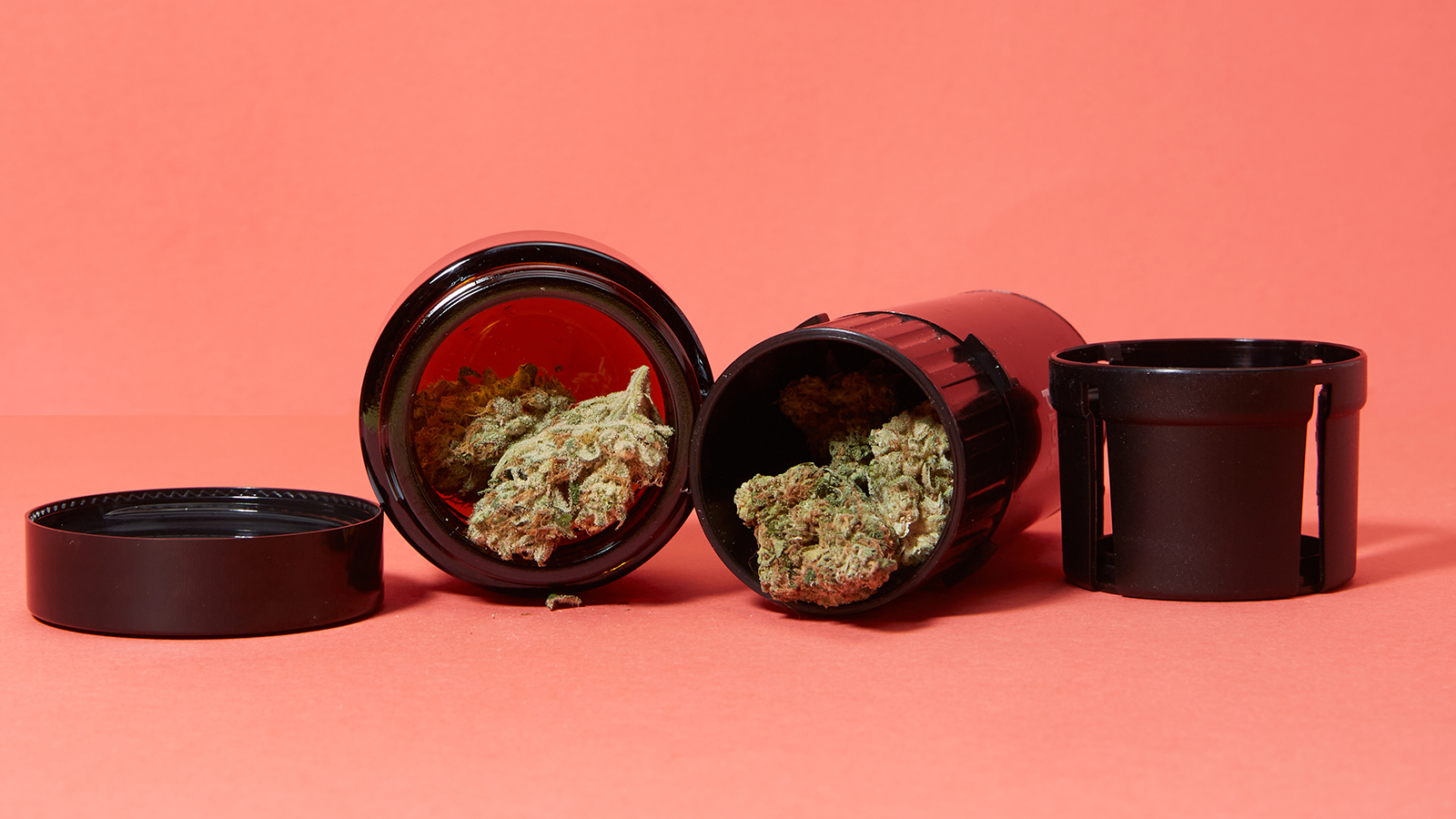
- Oxygen: Airtight containers, especially glass jars with tight seals, help slow oxidation by limiting air exposure. Less oxygen means the flower ages more slowly over time.
- Light: Dark storage spaces and opaque containers help protect cannabinoids and terpenes from unnecessary UV exposure, especially during long-term storage.
- Heat: Cool, stable temperatures preserve flower far better than warm rooms or spaces with constant temperature swings. Even small fluctuations gradually speed degradation up.
Good storage does not stop aging completely, but it gives cannabinoids and terpenes much longer before the profile starts changing noticeably.
Fresh flower fades fast. Cannabis chemistry keeps evolving

Cannabis does not freeze in time after harvest. Oxygen, heat, and light keep working on the flower long after it leaves the curing room, slowly reshaping cannabinoids, muting terpene expression, and changing how the experience feels over time.
That's why older flower feels different from fresh flower. The chemistry itself has changed.
Fresh flowers don't wait. Find today's drops, compare terpene profiles, harvest dates, and shop smoking deals for pickup or delivery online.