 Photo by: Gina Coleman/Weedmaps
Image lightbox

A cannabis COA can look like a wall of numbers — but it's actually one of the most useful tools you have as a buyer once you know what to look for.
That document, the Certificate of Analysis (COA), shows what's actually in a cannabis product beyond the label. It breaks down potency, terpene content, and safety testing using verified lab data instead of marketing claims.
At first glance, it's dense. Percentages, unfamiliar terms, multiple sections. But once you understand how to read it, a COA becomes a quick way to compare products, verify quality, and spot differences that aren't obvious on the package.
The value isn't in the numbers themselves — it's in knowing which ones matter and how to interpret them.
Once that clicks, you're not guessing anymore. You're reading the product the same way the lab does.
What a COA actually shows
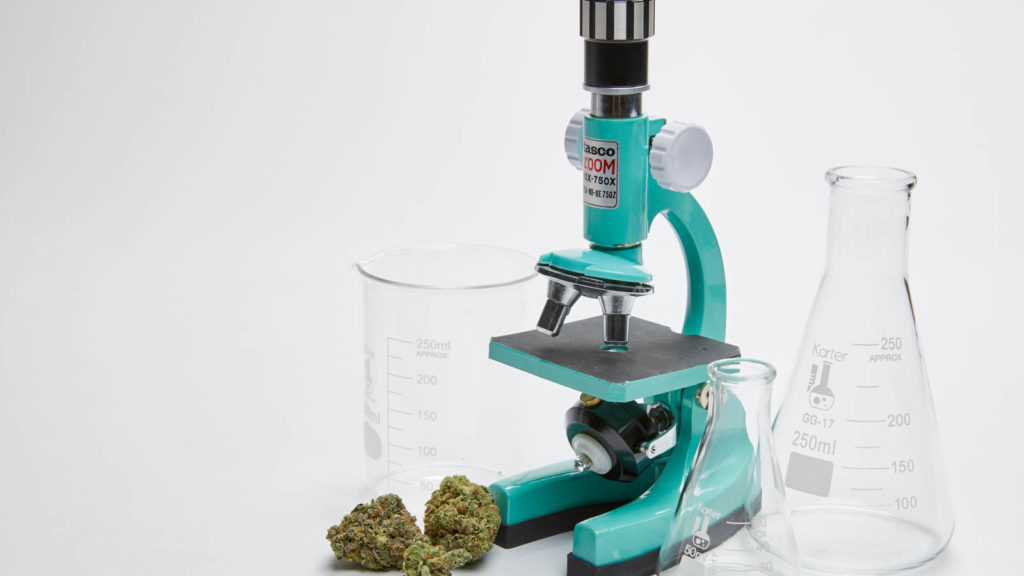
A COA is a third-party lab report that breaks down exactly what's in a cannabis product — from cannabinoids and terpenes to contaminants and batch data.
- Cannabinoid content (THC, THCA, CBD, etc.)
- Terpene profile
- Testing results for contaminants (pesticides, heavy metals, solvents)
- Batch and testing information
For most consumers, the most useful sections are cannabinoids and terpenes. These give you a clear snapshot of potency and overall composition.
A COA verifies that what's being sold matches what's actually in the product.

Image lightbox

How labs measure cannabinoid potency
Most labs use high-performance liquid chromatography (HPLC) to measure cannabinoids. This method allows them to detect compounds like THCA and delta-9 THC separately without applying heat.
That distinction matters because cannabis naturally contains more THCA than THC before it's consumed.
Lab results usually show:
- THCA percentage
- Delta-9 THC percentage
- Other cannabinoids (CBD, CBG, etc.)
These values reflect the product in its current state, not after it's been heated.
What THC %, THCA %, and total THC mean
COAs list both THCA and THC, and that's where a lot of confusion starts.
THCA is the precursor to THC. When heat is applied, it converts into THC through decarboxylation. To estimate total potential THC, labs use a standard formula:
Total THC = (THCA × 0.877) + THC
The 0.877 factor accounts for the molecular weight lost during conversion.
In practical terms:
- THCA shows potential THC
- THC shows what's already active
- Total THC estimates maximum potency after heating
How to read terpene data
Terpenes are aromatic compounds that contribute to a product's flavor, aroma, and overall profile.
A COA may list:
Along with their percentages.
Higher terpene content can indicate a more aromatic product, while the specific mix helps explain differences between strains or batches.
How to use a COA to compare products
A COA becomes most useful when comparing products side by side.
Instead of focusing only on THC percentage, look at:
- Total THC for overall potency
- Cannabinoid balance (THC vs CBD vs minor cannabinoids)
- Terpene content for flavor and quality
- Consistency across batches
Two products with similar THC percentages can still differ in composition. A COA helps you see those differences clearly and make more informed decisions.
How to spot green and red flags in a COA

Image lightbox

Not all COAs reflect the same level of product quality — and some tell you a lot more than others. Once you know what to look for, it becomes easier to identify well-tested products.
Signs of a high-quality COA include:
- Clear cannabinoid and terpene breakdowns
- Recent testing dates
- Batch numbers that match the product listing
- Consistent results across similar batches
Red flags to watch for:
- Missing terpene data
- Outdated test results
- Large gaps between labeled potency and lab results
- Incomplete or hard-to-read reports
A reliable COA should feel transparent and easy to verify.
Why COAs matter when buying cannabis
A COA gives you information that packaging and product descriptions often leave out.
Two products may advertise similar THC percentages but differ in:
- Total cannabinoid content
- Terpene composition
- Overall consistency
Without a COA, those differences aren't visible.
For consumers, this means a COA is one of the most useful tools for moving beyond marketing claims and evaluating products based on verified data.
The bottom line

A COA turns complex lab data into something practical. It shows what's in a cannabis product, how potent it is, and how consistent it may be from batch to batch. Understanding cannabinoid percentages helps you estimate potency, while terpene data adds context around flavor and product quality.
Once you know how to read a COA, you can compare products more confidently and make decisions based on verified information instead of guesswork.
Order cannabis products for pickup or delivery from a dispensary near you on Weedmaps.