Shatter became a concentrate benchmark because it makes quality visible. When it is made and stored well, shatter is clear, glassy, stable, and easy to portion. But visual clarity is only one signal. Texture, color, aroma, potency, storage, and lab testing all matter.

Image lightbox

But shatter gives shoppers something useful before the first dab: a way to inspect the product. You can see whether it looks translucent. You can check whether it snaps cleanly. You can compare what the product looks like with what the certificate of analysis says.
That combination is why shatter earned its place in concentrate culture. It is simple, strong, and surprisingly readable once you know what to look for.
What is shatter?
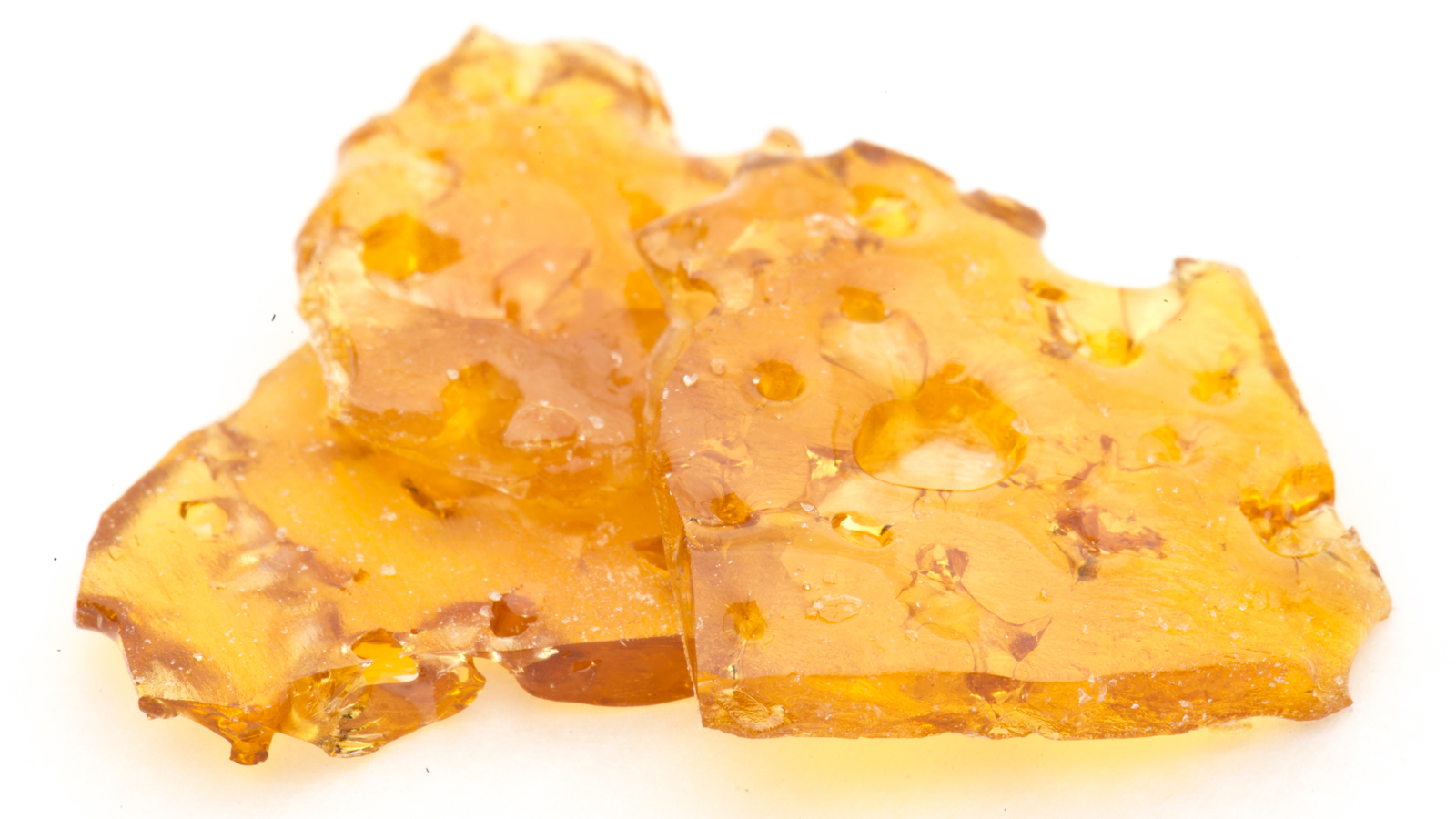
Shatter is a cannabis concentrate known for its thin, hard, glass-like texture. It breaks or “shatters” when handled at room temperature, which is where the name comes from.
Most shatter is made through hydrocarbon extraction, using solvents like butane or propane to separate cannabinoids and terpenes from cannabis plant material. After extraction, the concentrate is purged to remove residual solvents and stabilize the final texture.
The result is typically a translucent sheet or shard with a golden, amber, or honey-like color.
Compared with softer concentrates like wax, budder, or badder, shatter has less moisture and a more rigid structure. That makes it easier to store, easier to break into small pieces, and easier to inspect visually.
Its reputation comes from that combination: high potency, shelf stability, and a clean appearance that gives consumers quick clues about how it was made.
Why clarity became the benchmark
Shatter's clarity is not just for looks.
A clear or translucent piece of shatter suggests a cleaner extraction and purge. When plant waxes, excess lipids, trapped gas, moisture, or residual solvent interfere with the structure, the concentrate can look cloudy, dark, or uneven.
That is one reason clarity has long been associated with quality in shatter. A glassy, consistent appearance indicates careful processing, while excessive cloudiness, streaking, or visible instability can raise questions about how the concentrate was produced and handled.
Color matters too, but it is easy to overread. Light gold, honey, and amber tones can all be normal. Dark brown or greenish tones may suggest older material, plant contamination, excessive heat, or rough processing.
Appearance alone cannot tell the whole story. A beautiful slab can still have problems, and a less attractive one can still be perfectly acceptable. Clarity is simply one signal among many.
Think of it as part of the overall picture. The COA, cannabinoid profile, residual solvent results, and batch information tell you far more than appearance ever can.
Texture tells you how stable it is

Image lightbox

Good shatter should feel firm and brittle at room temperature. It should snap cleanly with a dab tool rather than bend, stretch, or pull like taffy.
That clean break is part of what made shatter famous. It signals a stable texture with low residual moisture and a properly finished consistency.
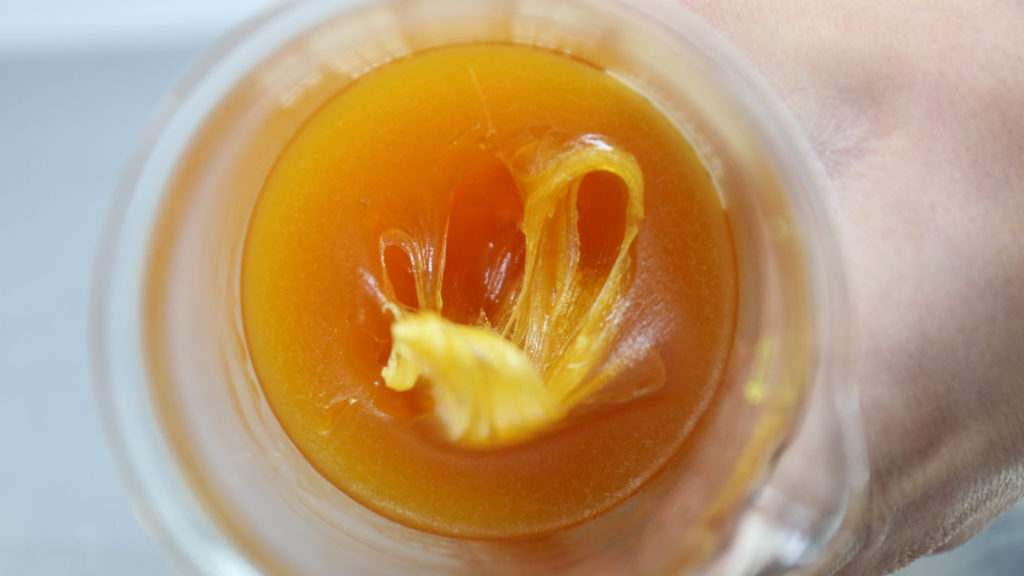
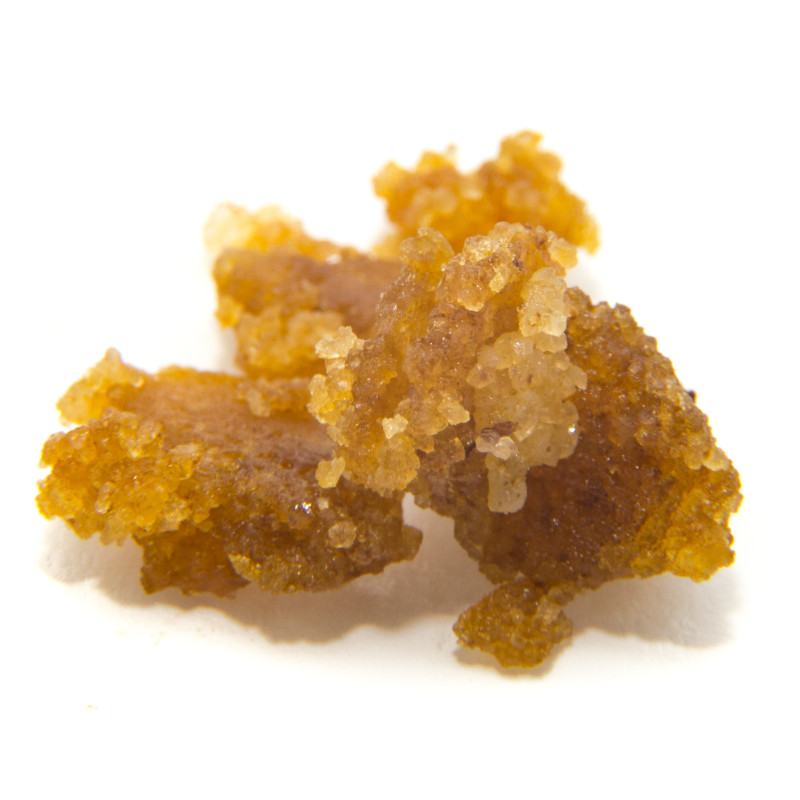
If shatter becomes soft, sticky, cloudy, or waxy, it may have been exposed to heat, humidity, air, or rough storage. This texture shift is sometimes called “sugaring” or “waxing,” depending on how the concentrate changes.
That does not always mean the product is unsafe. Concentrates can change texture over time, especially when terpenes, moisture, and temperature interact. But it does mean the product is no longer showing the classic shatter structure.
Texture is especially useful when buying from a licensed retailer. If a product is marketed as shatter but looks closer to pull-and-snap, wax, or crumble, ask how it was stored and whether the COA matches the current batch.
Shatter should look like shatter for a reason.
Potency is part of the appeal
Shatter is much more potent than flower.
Shatter products test around 60–80% THC, though exact potency varies by batch, cultivar, extraction method, and post-processing. That is one reason a very small amount can feel strong, especially for people who are new to concentrates.
This is where shatter's clean, breakable texture helps. You can portion it more precisely than many softer concentrates.
A rice grain-sized piece is a common starting reference for newer dab consumers. It may look tiny, but concentrates are dense. Flower tolerance does not always translate neatly to shatter tolerance.
Users often report that dabs feel fast because inhaled cannabinoids can take effect quickly. That speed can be useful for understanding your dose, but it also makes overdoing it easier if you take more too soon.
The smart move is simple: start with a small piece, wait, and see how your body responds before adding more.
How shatter compares with other concentrates

Image lightbox

Shatter is not automatically better than wax, budder, badder, crumble, live resin, rosin, or sauce. It is different.
Its main advantage is stability. The hard texture makes it easier to break, store, and dose in small pieces. It also tends to hold its shape better than softer concentrates when stored correctly.
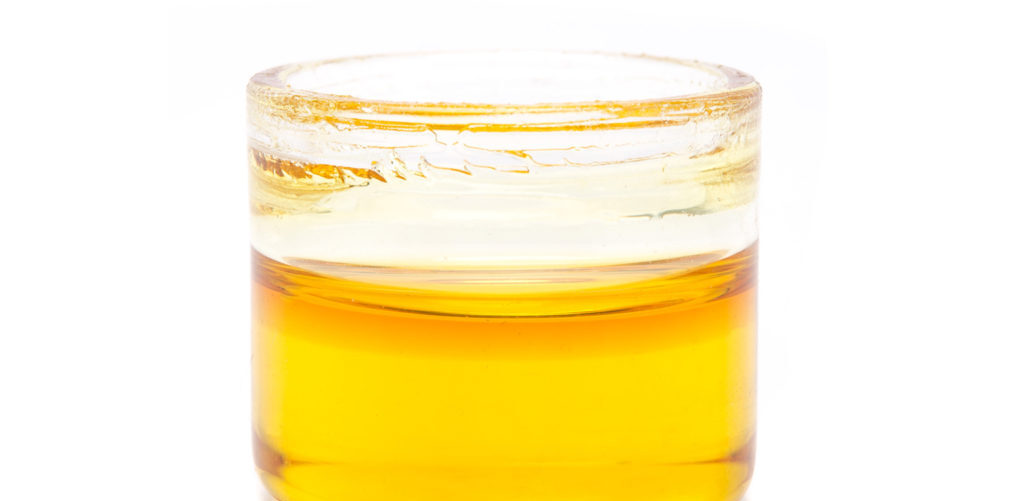
Softer concentrates often offer a different experience. Budder and badder can be easier to scoop. Live resin may preserve more volatile terpenes from fresh-frozen cannabis. Rosin appeals to shoppers looking for solventless concentrates.
Shatter's appeal is more classic: potency, clarity, consistency, and shelf life.
That is why it became a benchmark. It gives consumers a clear idea of what a clean concentrate should look like, even if they later prefer other textures.
For many shoppers, shatter is the “reference point” concentrate. Once you understand it, other extract types become easier to compare.
How to store shatter
Shatter needs protection from heat, light, air, and moisture.
Heat can soften it. Light and oxygen can degrade cannabinoids and terpenes over time. Moisture can affect texture and stability. Poor storage can turn clean, glassy shatter into sticky, cloudy concentrate that is harder to handle.
Keep shatter in an airtight container and store it somewhere cool, dark, and dry. Glass or concentrate-safe silicone can work, depending on short-term or longer-term storage needs. Avoid leaving it in a hot car, near a window, or under bright retail-style lighting at home.
If you refrigerate it, let the container come back toward room temperature before opening. Opening cold concentrate too quickly can introduce condensation, and condensation is not your friend.
Good storage helps shatter keep the traits that made you buy it: clarity, snap, potency, and flavor.
The qualities that made shatter famous

Shatter became a benchmark because it is easy to visually inspect, easy to portion, and very potent.
Clarity can signal clean processing. A crisp snap can signal stable texture. A current COA can confirm what your eyes cannot. Together, those details make shatter one of the most readable concentrates on the shelf.
Shop by the full picture: clarity, color, texture, potency, storage, and lab testing.
Explore more on Weedmaps to compare concentrates, browse dispensary menus, and find delivery services near you.