Cannabis concentrates do not stop changing after processing ends. Oxygen, heat, light, and agitation continue reshaping cannabinoids and terpenes inside the jar, which is why concentrates can darken, dry out, or lose flavor over time.
 Photo by: Gina Coleman/Weedmaps
Image lightbox

Concentrates can look perfect on day one and feel completely different a week later.
The flavor gets flatter. The texture changes. The color darkens around the edges. Sometimes the effects even feel heavier or duller despite the extract still testing strong for THC. That shift is usually not random.
Cannabis concentrates remain chemically active after processing finishes. Once oxygen, heat, light, and air exposure enter the equation, cannabinoids and terpenes keep reacting inside the jar long after the extract looks “done.”
That's why post-process stability matters so much.
The extract is still evolving after packaging, and small storage mistakes can quietly reshape the entire profile over time.
Once you understand what oxidation and environmental exposure actually do inside concentrates, the changes stop feeling mysterious and start looking predictable.
Why concentrates keep changing after processing

Image lightbox

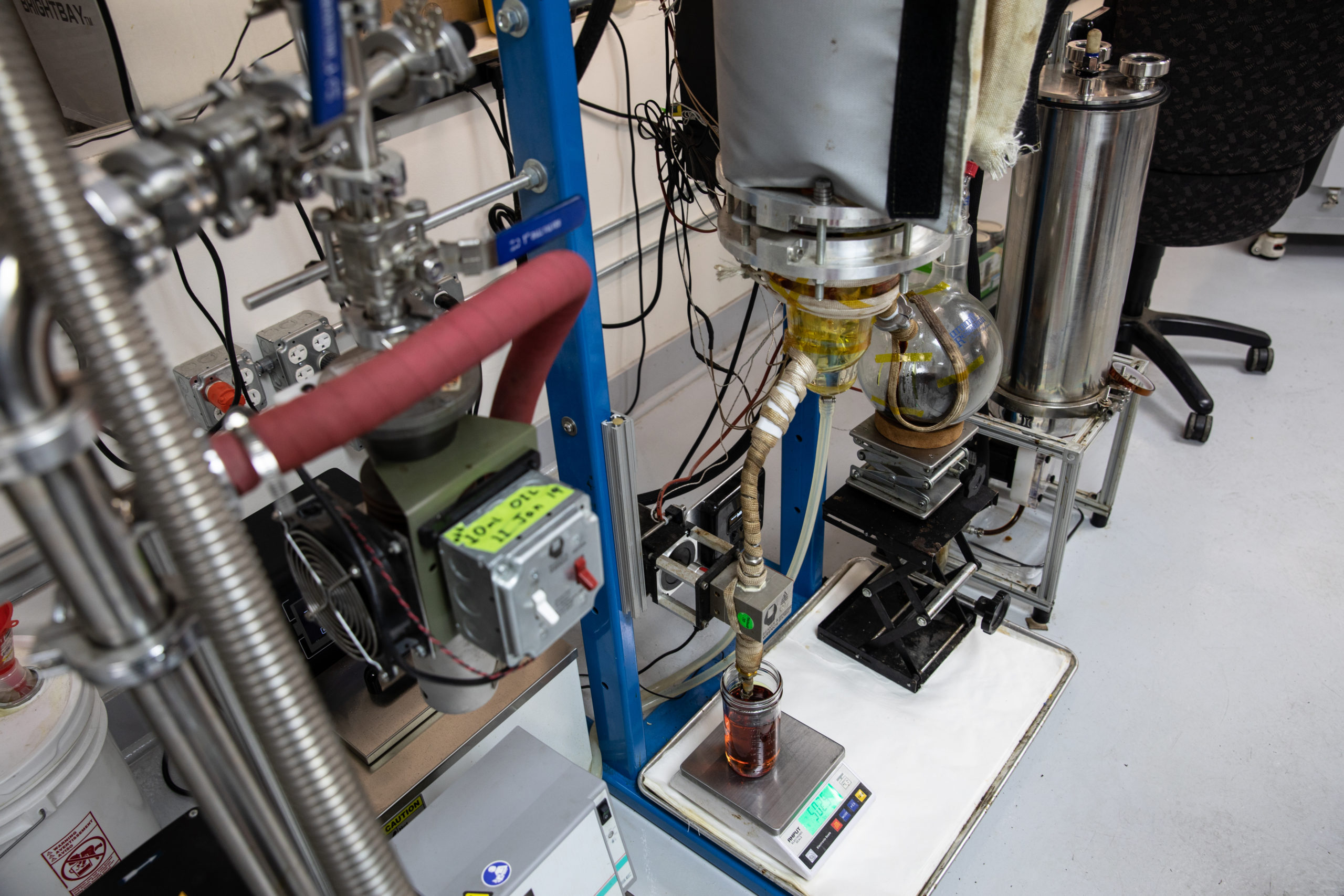
Processing does not freeze cannabis chemistry permanently.
Cannabinoids, terpenes, waxes, and residual compounds inside concentrates continue reacting to their environment after extraction. Oxygen exposure, temperature swings, and light all influence how stable those compounds remain over time.
Oxidation is the biggest driver.
Once oxygen reaches the extract surface, cannabinoids begin slowly degrading while volatile terpenes start evaporating or chemically transforming. Those reactions gradually change the aroma, texture, color, and overall experience of the concentrate.
That's why two jars from the same batch can age differently depending on how they were stored after processing.
The chemistry keeps moving.
Why THC slowly shifts toward CBN
One of the most important oxidation pathways involves THC gradually degrading into CBN over time.
As oxygen exposure continues, THC molecules become less chemically stable and slowly reorganize into different compounds. CBN is one of the most recognizable degradation products in aging cannabis concentrates.
That shift can noticeably change how the extract feels.
A concentrate that once felt sharper, brighter, or more mentally stimulating may start feeling heavier or flatter as cannabinoid ratios evolve during storage. The THC content may still appear relatively high overall, but the balance underneath the profile has changed.
This is why older concentrates sometimes feel different even when the visual appearance has not changed dramatically yet.
The cannabinoid chemistry has already started drifting.
Why terpene loss changes flavor so quickly
Terpenes are even more fragile than cannabinoids.
Many terpene compounds evaporate or oxidize relatively easily once exposed to warmth, oxygen, and repeated airflow. That means flavor degradation often starts before obvious texture or potency changes appear.
You notice it fast in the aroma.
Bright citrus notes start disappearing. Sharp pine or gas-heavy profiles become softer and duller. The extract loses some of the strain-specific character that originally defined the experience.
This matters because terpenes influence more than smell alone.
As the terpene profile collapses, the concentrate often feels less expressive and less nuanced overall, even when THC levels remain relatively strong on paper.
That's why a concentrate can still look decent visually while already tasting noticeably “tired.”
Why oxidation usually starts at the surface

Image lightbox

Oxidation begins where oxygen contact is highest.
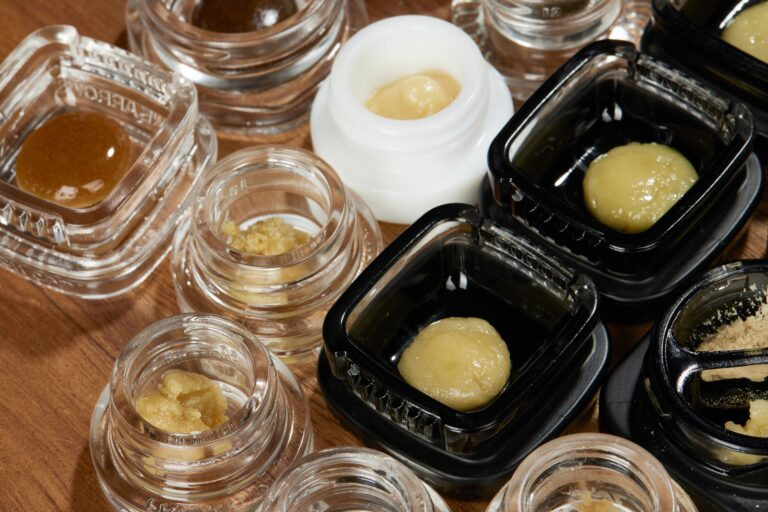
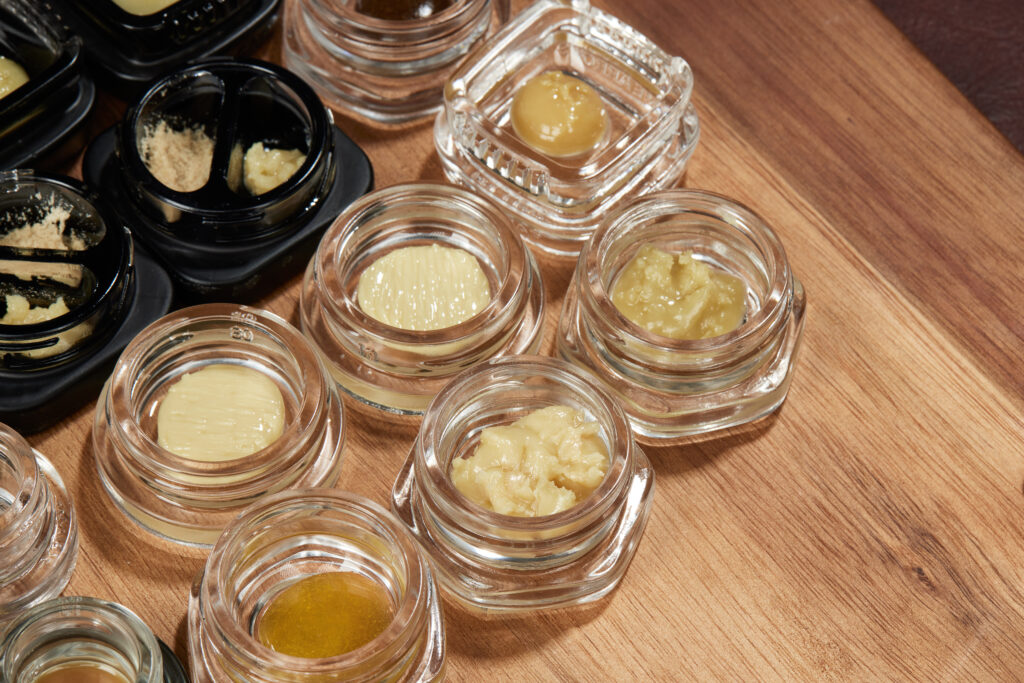
Inside a jar, that usually means the surface layer sitting closest to the air pocket above the extract. As oxygen exposure continues, the top layer often darkens first while the deeper material remains lighter temporarily.
This is why concentrates frequently develop amber discoloration near the top. The extract is reacting unevenly because oxygen exposure itself is uneven.
Repeatedly opening the container accelerates the process because fresh oxygen enters the headspace every time the jar gets uncapped.
That's why concentrates stored in partially empty jars usually degrade faster than tightly filled containers.
Why trapped heat keeps degradation running
Residual heat speeds almost every degradation reaction happening inside a concentrate.
If an extract gets sealed while still warm, the trapped heat inside the jar continues driving oxidation and terpene evaporation long after processing ends.
This becomes especially noticeable with larger jars or denser textures.
The outside of the container may feel cool while the center mass remains significantly warmer underneath. That lingering heat pushes volatile terpenes into the headspace and accelerates chemical breakdown inside the extract itself.
You usually see the results as faster darkening, weaker aroma, stickier texture, and less stable consistency over time. The chemistry never fully settled before storage began.
Why light exposure damages concentrates so fast
Light exposure destabilizes cannabinoids surprisingly quickly.
UV light breaks molecular bonds inside cannabinoids and terpenes, accelerating oxidation and degrading the aromatic profile at the same time. This is especially aggressive in terpene-rich concentrates where many volatile compounds already sit close to evaporation thresholds.
The damage usually starts at exposed surfaces first.
That's why concentrates left under bright display lighting or near windows often develop darker top layers and flatter aroma faster than concentrates stored in dark environments.
Heat compounds the problem further.
As concentrates warm under light exposure, reaction speed increases simultaneously, accelerating both oxidation and terpene loss together.
Why headspace matters more than most people realize
The empty space above the extract acts like a reservoir of oxidation potential.
More headspace means more oxygen available to react with cannabinoids and terpenes over time. Every open-close cycle refreshes that oxygen supply again. That's why small amounts of concentrate stored in oversized jars often degrade noticeably faster.
The extract keeps sitting beneath a large pocket of reactive air. You can often see the effect visually.
Darkened fill lines, oxidized surface rings, and aroma loss usually begin closest to the air-exposed upper layers while deeper material remains more stable temporarily. The jar itself quietly shapes the aging process.
Why stable storage slows degradation dramatically

Image lightbox

Good storage does not stop degradation completely. It slows the reactions responsible for it.
Cool temperatures reduce molecular activity. Darkness limits UV-driven breakdown. Airtight seals reduce oxygen exposure and help preserve volatile terpenes longer.
Stability matters too. Repeated hot-cold cycling creates expansion and contraction inside containers, which can gradually pull outside air through imperfect seals and repeatedly refresh oxygen exposure inside the jar.
That's why consistent storage conditions usually outperform extreme storage conditions that fluctuate constantly.
Moderate, dark, sealed, and stable is usually the safest long-term environment for concentrates.
Why lab results help reveal oxidation over time
Oxidation becomes easier to track when you compare lab data (COA) over time.
As concentrates age, THC percentages may gradually decline while CBN levels slowly increase. At the same time, terpene percentages often shrink as volatile compounds evaporate or degrade.
Those changes create measurable fingerprints.
That's why comparing cannabinoid and terpene panels across batches can reveal stability shifts that are harder to spot visually alone.
A concentrate with unusually elevated CBN or dramatically lower terpene totals may have experienced more oxidation or age-related degradation than expected.
The chemistry tells the story even before appearance fully catches up.
The bottom line: good concentrates have a shelf life

Cannabis concentrates do not become chemically stable once processing finishes. Oxygen, heat, light, agitation, and headspace exposure continue reshaping cannabinoids and terpenes long after the extract reaches the jar.
Over time, those reactions can darken color, flatten aroma, shift effects, and destabilize texture. That's why concentrate stability comes down to controlling environmental exposure after processing instead of assuming the chemistry has stopped.
Cool temperatures, dark storage, minimal oxygen exposure, and careful handling all slow the reactions that push concentrates from fresh toward fractured.
Find live resin, rosin, and lab-tested concentrates near you on Weedmaps.