 Photo by: Gina Coleman/Weedmaps
Image lightbox

Terpenes in cannabis concentrates are aromatic compounds that shape flavor, aroma, and the overall experience of a product. In concentrates, these compounds can become more pronounced, influencing how a product tastes, smells, and feels, often as much as or more than THC percentage alone.
In other words, that citrus, pine, or floral note you notice in a concentrate isn't random. It comes from specific terpenes that survived the extraction process. The way those terpenes are preserved or lost can dramatically affect the final product.
If you're shopping for concentrates, understanding terpene content can help you look beyond potency and evaluate overall quality.
On Weedmaps, you can compare concentrate listings from verified dispensaries, making it easier to assess terpene preservation before you buy.
If you want the deeper breakdown on how terpenes interact with cannabinoids, what percentages signal quality, and which extraction methods protect flavor best, keep reading.
How Terpenes Function in Cannabis Concentrates
Terpenes in cannabis concentrates behave differently than they do in flower because the extraction process changes how these volatile compounds are preserved and delivered. In flower, terpenes are housed within the plant's trichomes and protected by natural plant material.
During extraction, those protective structures are removed, which means terpenes are either carefully retained or partially lost depending on the method used.
Heat, pressure, and solvents all affect terpene stability.
Some compounds evaporate at relatively low temperatures, while others oxidize quickly when exposed to air. As a result, two concentrates made from the same strain can end up with noticeably different aroma and flavor profiles based on how they were processed.
In concentrates, terpene concentration is higher relative to flower. That increased concentration can make flavor more pronounced and may influence how the overall experience feels.
How the entourage effect works in concentrates

Image lightbox

The entourage effect refers to the way cannabinoids and terpenes interact within the body's endocannabinoid system. Rather than acting independently, these compounds may influence one another's activity.
Because concentrates contain higher cannabinoid levels than flower, the relative balance between cannabinoids and terpenes becomes more noticeable. Small differences in terpene composition can shift how a product is experienced, even when THC percentages are similar.
Common terpene and cannabinoid pairings often discussed include:
- Myrcene + THC: Users often describe heavier, more relaxing experiences when myrcene levels are higher
- Limonene + CBD: Commonly associated with uplifted or brighter experiences
- Pinene + THC: Sometimes reported to feel more clear-headed compared to terpene-light products
- Linalool + CBD: Frequently described as calming
It's important to note that effects are subjective and vary by individual. Genetics, tolerance, dose, and consumption method all play a role in how a concentrate feels.
Why Terpenes Matter More in Concentrates Than Flower
Terpenes can feel more pronounced in concentrates than in flower because the product is more chemically dense. When cannabinoids and terpenes are concentrated into a smaller volume, flavor and aroma compounds are delivered in a more direct way during vaporization or dabbing.
Unlike flower, concentrates contain little to no plant material. That means there's less organic matter buffering the aromatic compounds. As a result, terpene expression can seem sharper, cleaner, or more intense depending on how the product was extracted and stored.
Concentration amplifies both quality and flaws
Because concentrates are highly refined, small differences in terpene preservation become easier to notice. If volatile compounds were degraded during extraction, the aroma may feel muted or overly sharp. If they were carefully retained, the flavor profile is often described by users as fuller and more expressive.
For example, a concentrate containing 2% limonene may present a stronger citrus aroma than flower with the same percentage, simply because the terpene is being delivered in a more concentrated format. At the same time, any residual harshness from poor processing can also become more noticeable.
In short, concentration reduces margin for error.
THC percentage isn't everything
It's common to compare concentrates by THC percentage alone. However, terpene content and diversity also shape how a product is experienced.
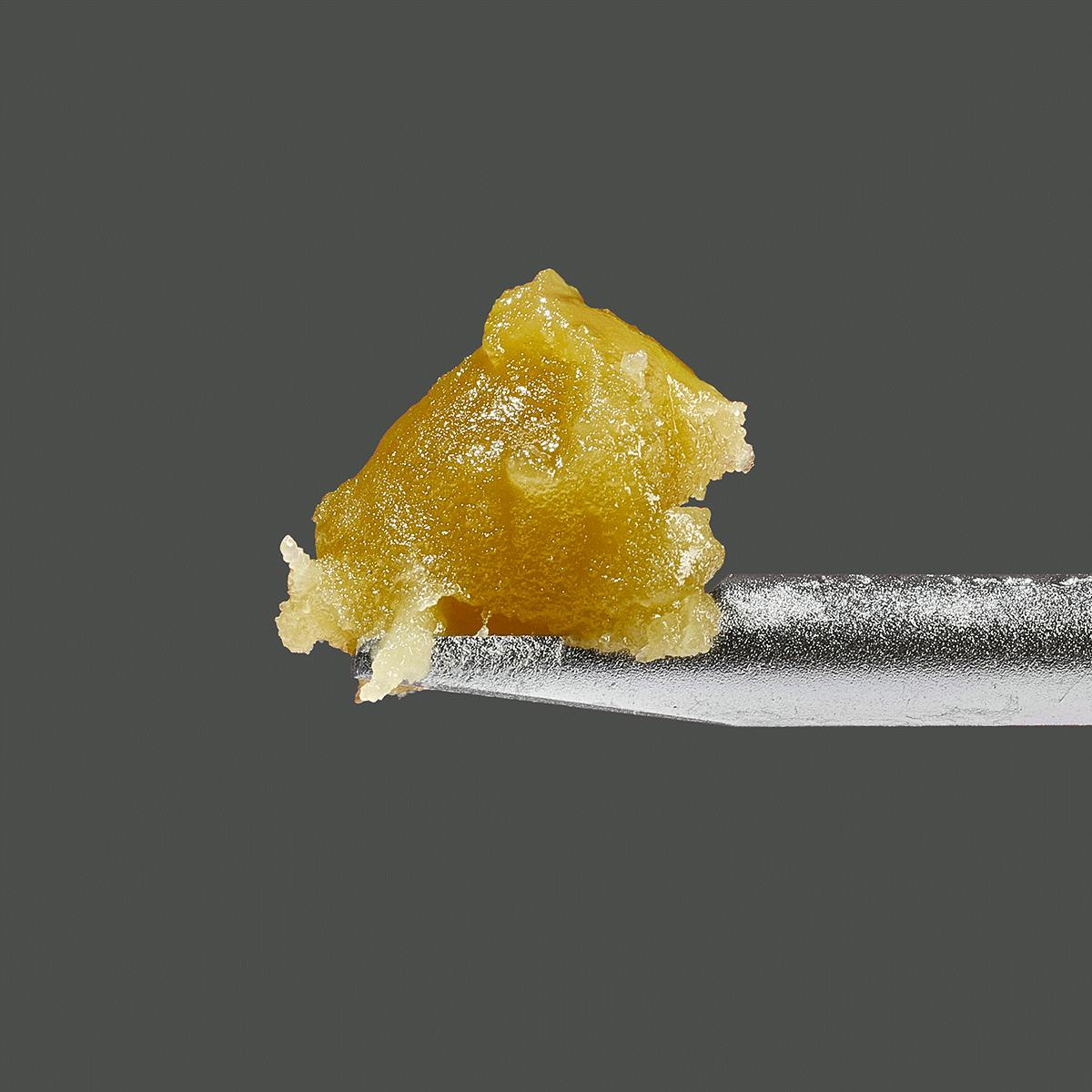
For example, many consumers report that live resin, which is made from fresh frozen cannabis and tends to retain more of the plant's original terpene profile, feels more complex than terpene-light distillate products. Distillate often undergoes processing steps that remove most native terpenes, which may later be reintroduced.
That doesn't make one format universally better than another, but it does mean that cannabinoid percentage tells only part of the story.
Quick quality check when shopping
If you're evaluating terpene preservation, consider:
- Aroma clarity. Does it smell vibrant or flat?
- Transparency about extraction method
- Whether terpenes are naturally retained or reintroduced
- Proper storage, since heat and air degrade volatile compounds
Understanding these factors makes it easier to look beyond potency and assess overall concentrate quality.
Most important terpenes to look for
 Photo by: Gina Coleman/Weedmaps
Image lightbox

When reviewing lab results for terpenes in cannabis concentrates, it helps to understand both aroma contribution and how consumers commonly describe the experience associated with certain compounds.
Keep in mind that terpene percentages vary by strain, extraction method, and storage conditions. Effects are subjective and influenced by dose, tolerance, and cannabinoid balance. Ranges listed below reflect commonly reported figures in published lab data and may not represent all products or cultivars.
Myrcene (often 0.3–1.5%)
Myrcene is commonly associated with earthy, musky, or herbal aromas. Higher myrcene levels are frequently described as contributing to heavier or more relaxing experiences, especially when paired with THC.
Limonene (often 0.2–1.2%)
Limonene produces citrus-forward aromas. Many associate limonene-rich products with brighter or more uplifting experiences. Because limonene is relatively volatile, careful extraction and storage help preserve its presence.
Pinene (often 0.1–0.8%)
Pinene contributes pine or forest-like aromas. Pinene-forward concentrates are sometimes described as feeling clearer or more alert compared to terpene-light products.
Linalool (often 0.1–0.6%)
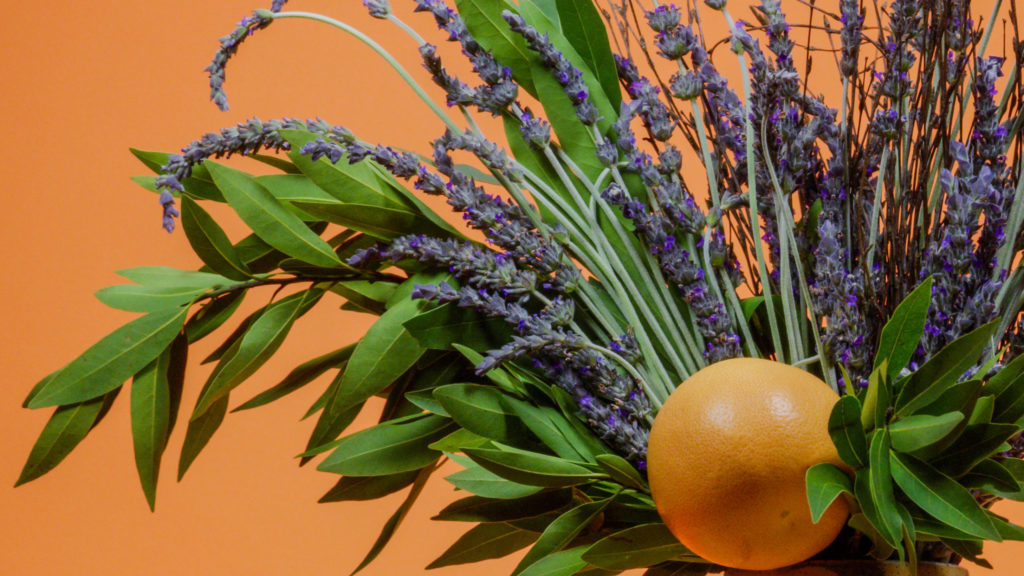
Linalool produces floral or lavender-like notes. It is commonly discussed in relation to calming sensory experiences and is considered more delicate during processing.
Why terpene diversity matters
Rather than focusing on a single dominant terpene, many look for a broader profile. A concentrate containing multiple measurable terpenes may offer a more layered aroma and flavor experience compared to products dominated by one compound.
However, terpene count alone does not determine quality. Extraction method, input material, freshness, and storage conditions all influence how those compounds ultimately present.
Discover Quality Concentrates on Weedmaps

When you're ready to compare options, look beyond THC percentage. Check terpene content, extraction method, and whether the product was made from fresh-frozen flower or cured material. Those details usually tell you more about flavor and overall experience.
You can browse our concentrate marketplace to compare listings from licensed dispensaries, review lab results when available, and see how others describe aroma and taste. It's an easy way to apply what you've learned and shop a little smarter.