CO2 extraction uses pressure and temperature to transform carbon dioxide into an efficient extraction medium that separates cannabinoids and terpenes from cannabis. Small changes in extraction settings can significantly affect an oil's flavor, texture, purity, and consistency.

Image lightbox

CO2 extraction has a weird reputation in cannabis.
Some consumers treat it like the "clean" option, while others assume it automatically produces flavorless oil. Neither view really captures what's happening inside the extraction system.
CO2 extraction is essentially pressure-controlled chemistry. Operators adjust pressure and temperature to change how carbon dioxide behaves, allowing it to selectively pull cannabinoids, terpenes, and other compounds from flower.
Those extraction settings have a major impact on the final oil. Small adjustments can influence terpene retention, flavor intensity, viscosity, texture, and overall consistency long before the oil reaches a vape cart or tincture bottle.
That's why two CO2 oils made from similar flower can still deliver noticeably different experiences. The extraction parameters leave fingerprints on the final chemistry.
How supercritical CO2 makes extraction possible
Under normal conditions, carbon dioxide exists as a gas.
When pressure and temperature rise beyond specific thresholds, CO2 enters a supercritical state. In this phase, it behaves like both a gas and a liquid. It flows through cannabis biomass like a gas while dissolving cannabinoids, terpenes, and other compounds like a liquid.
That combination is what makes CO2 extraction possible.
The gas-like properties allow CO2 to penetrate densely packed plant material efficiently. The liquid-like properties allow it to dissolve and carry target compounds through the extraction system.
Once CO2 reaches a supercritical state, pressure and temperature become process controls rather than operating conditions. Pressure influences how much material CO2 can dissolve, while temperature influences how compounds behave during extraction and separation.
The extractor controls which parts of the plant's chemistry move through the system and which are left behind.
Pressure determines what enters the oil
Pressure controls what CO2 can dissolve and carry through the extraction system.
At higher pressures, CO2 dissolves heavier compounds more readily, including cannabinoids, waxes, lipids, and dense resin fractions. At lower-density operating conditions, CO2 generally favors lighter and more volatile compounds, including many terpene fractions..
This creates one of the central tradeoffs in CO2 extraction: cannabinoids and terpenes do not thrive under identical conditions.
Pushing for maximum cannabinoid recovery can increase the amount of waxes, lipids, and other plant compounds that enter the extract while reducing terpene retention. Prioritizing terpene preservation can protect aroma and flavor but leave some cannabinoids behind.
For that reason, extraction teams adjust pressure, flow rates, and separator settings throughout the process rather than relying on a single extraction recipe. The goal is not to extract everything, but to extract the right compounds in the right proportions.
Terpene retention shapes flavor
Terpenes are more sensitive than cannabinoids during extraction.
Many terpene compounds can evaporate, oxidize, or degrade under conditions that leave cannabinoids largely intact. As a result, preserving aroma and flavor compounds often requires a different approach than maximizing cannabinoid recovery.
An oil can test high in cannabinoids while losing much of the flavor and aroma that defined the original flower. Terpene retention helps determine how much of that character survives the extraction process.
For extraction teams, preserving terpene content is one of the biggest challenges in producing flavorful, strain-specific CO2 oils.
Separators shape texture, clarity, and composition

Image lightbox

CO2 extraction does not produce a single uniform stream of oil.
Once cannabinoids, terpenes, waxes, and other compounds dissolve into the CO2, they move through a series of separator chambers designed to collect different fractions of the extract. As pressure drops throughout the system, heavier compounds separate first while lighter compounds continue moving downstream.
This fractionation process helps determine what ends up in the final oil.
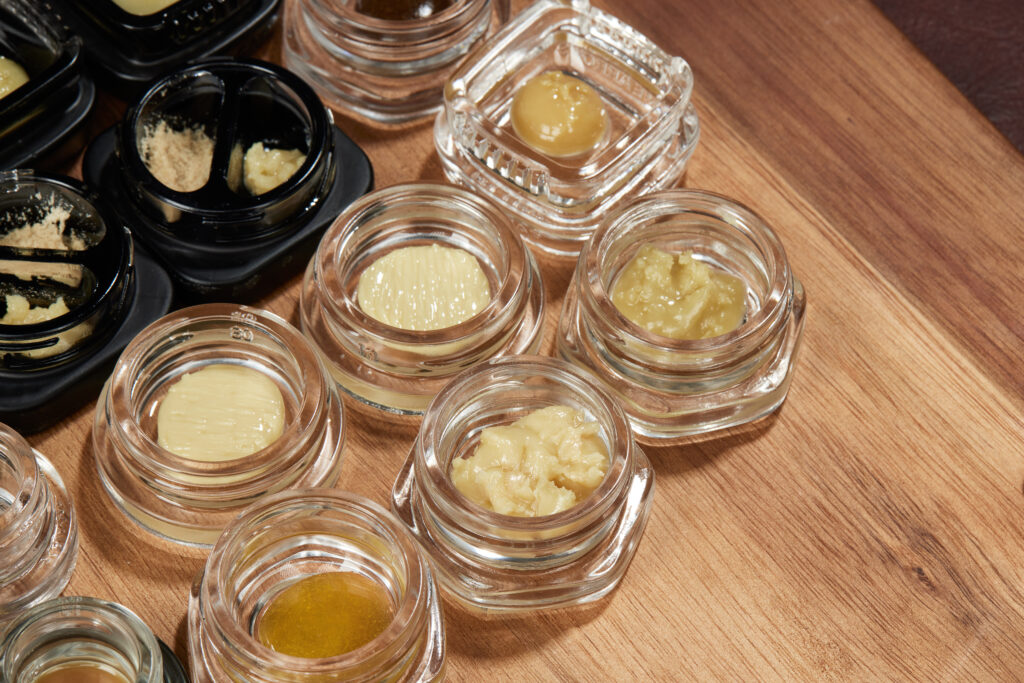
Fractions that contain more waxes, lipids, and heavier plant compounds can produce darker, denser extracts. Fractions with fewer of those materials produce lighter-colored oils with different terpene concentrations, flow characteristics, and refinement requirements.
Because separator chambers influence which compounds stay together and which get separated, they play a major role in shaping oil clarity, viscosity, color, and overall composition long before the extract reaches a cartridge, tincture, or formulation tank.
Viscosity affects more than texture
Not all CO2 oils flow the same way.
The mix of cannabinoids, terpenes, waxes, and other plant compounds influences how thick or fluid an oil becomes after extraction. Some formulations remain light and mobile, while others settle into denser, more viscous textures.
That difference affects more than appearance. Viscosity plays a major role in vape performance, influencing how efficiently oil moves through a cartridge, reaches the heating element, and vaporizes during use.
When two CO2 vape carts feel noticeably different despite using the same extraction method, viscosity is part of the explanation.
Consistency begins with the starting material
Even the most controlled extraction process depends on the quality and uniformity of the biomass going into it.
Moisture content, particle size, plant density, and overall flower quality all influence how CO2 moves through the material and which compounds become available for extraction.
Moisture is especially important. Excess water can interfere with extraction efficiency, alter terpene retention, and make batch-to-batch results harder to reproduce.
This is why commercial extraction facilities place as much emphasis on biomass preparation as extraction itself. Standardized inputs make standardized outputs possible.
The bottom line

Every stage of production contributes to the final extract, from biomass preparation and extraction parameters to separation and refinement.
Pressure becomes part of the final product. The chemistry of the oil reflects the decisions made throughout the extraction process.
That is why two CO2 oils can share the same extraction method and still deliver very different results.
Explore CO2 vape carts, cannabis oils, and concentrates available for pickup or delivery.