A perfect dab comes down to heat control, timing, and airflow. Get those right, and you'll get smoother vapor, better flavor, and a more efficient hit.
 Photo by: Gina Coleman/Weedmaps
Image lightbox

Dab rigs and dab pens have become one of the most popular ways to consume cannabis concentrates, but getting it right takes more than just heating a banger and dropping in material. Small adjustments in heat, timing, and airflow can completely change how a dab feels and tastes.
The difference between a harsh hit and a smooth, flavorful one often comes down to technique.
Whether you're new to dabbing or looking to refine your approach, understanding how temperature, timing, and airflow work together will help you get more out of every session.
What makes a “perfect dab”?
The quality of a dab depends on how well temperature (315–450°F), timing, and technique work together.
A well-executed dab should feel smooth, taste clean, and fully vaporize the concentrate. Ideally, little to no residue should be left behind, signaling efficient vaporization without overheating.
When any of these elements are off, the result is either harsh and burnt or weak and inefficient.
Why temperature matters
Temperature directly controls how concentrates vaporize and how much flavor you retain.
Lower-temperature dabs (around 315–450°F) preserve terpenes and produce smoother, more flavorful vapor. Higher temperatures (450–600°F+) create more vapor but burn off volatile compounds more quickly, leading to harsher hits.
Most terpenes begin to degrade at higher temperatures, which is why excessive heat reduces both flavor and overall experience.
Quartz thickness
Quartz thickness affects how heat is retained and released during a dab.
Thicker quartz holds heat longer and cools more slowly, creating a more stable temperature window. Thinner quartz heats up quickly but loses heat faster, which makes timing more sensitive.
Understanding your banger's thickness helps you time your dab more consistently.
Timing: when to take the dab
Timing is what connects heat to performance. Even if you heat your banger correctly, applying the dab at the wrong moment changes the entire experience.
The heat-and-cool approach
A common method is to heat the banger and then allow it to cool briefly before applying the concentrate. This cooling period brings the surface down to a usable temperature.
Most flavorful dabs fall within the 315–450°F range. Below that, concentrates may not fully vaporize. Above it, terpenes degrade quickly and flavor drops off.
Cold start method
The cold start method reverses the traditional process. Instead of heating first, you place the concentrate into a cold banger and apply heat gradually.
This allows the concentrate to vaporize at lower temperatures, preserving terpenes and reducing the risk of overheating. It's one of the most reliable ways to prioritize flavor over intensity.
Visual cues to watch for
Over time, timing becomes more intuitive. Some common signs include:
- The surface is no longer glowing
- Heat distortion looks softer
- The banger holds warmth without intense radiating heat
These cues help you apply the dab at the right moment.
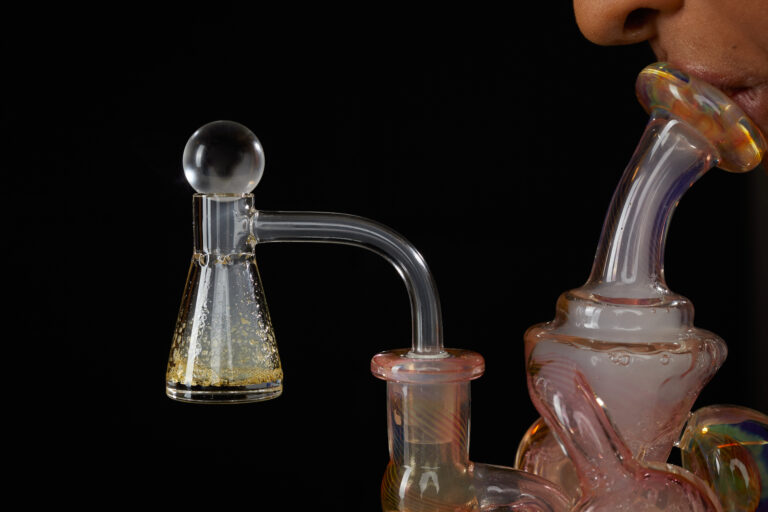
Technique: how to take a proper dab

Image lightbox

Once heat and timing are dialed in, technique determines how efficiently the concentrate is used.
Step-by-step guide
- Prepare your dab: Portion your concentrate ahead of time using a dab tool.
- Heat the banger evenly: Apply heat to the bottom and sides for consistent warming.
- Let it cool slightly: Give the surface time to settle before use.
- Apply the concentrate while inhaling: Place it gently inside while taking a slow, steady draw.
- Use a carb cap: Cover the banger to control airflow and improve vaporization.
- Continue inhaling slowly: Slower pulls help preserve flavor and maximize efficiency.
- Avoid aggressive reheating after the dab — this can burn residual material and degrade flavor.
The role of airflow and carb caps
Airflow plays a bigger role than many people expect.
Carb caps create a low-pressure environment inside the banger, which lowers the effective vaporization point of the concentrate. This allows for more complete vaporization at lower temperatures and improves both flavor and efficiency.
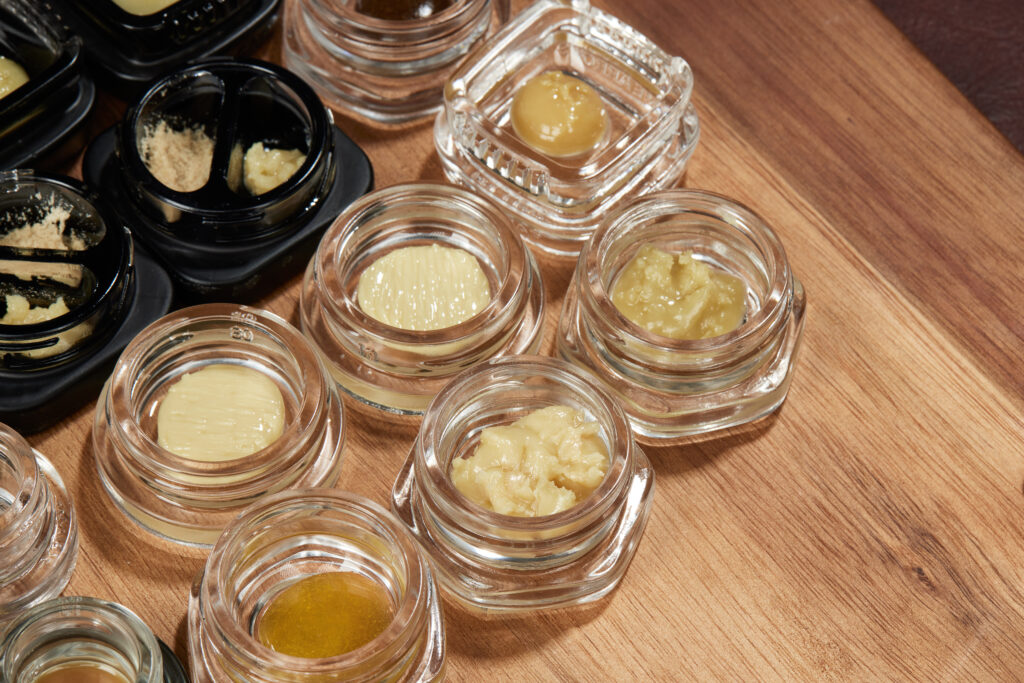
How concentrate type affects the experience

Image lightbox

Not all concentrates behave the same way when heated.
Terpene-rich concentrates
Products like live resin or rosin tend to perform best at lower heat levels, where flavor and aroma are preserved.
More stable concentrates
Forms like wax or shatter may require slightly more heat to fully activate, but still benefit from controlled timing.
Mixed or layered concentrates
Some products combine textures, requiring small adjustments in timing and technique for full vaporization.
Quick cleaning tip
After each dab, use a cotton swab to clean the surface while it's still warm (but not hot).
This maintains:
- Clean flavor
- Better airflow
- Longer-lasting equipment
Building consistency over time
The perfect dab is about consistency. As you gain experience, you'll start to:
- Recognize the right timing instinctively
- Adjust technique based on concentrate type
- Maintain smoother, more predictable sessions
The bottom line

Taking a good dab comes down to paying attention to heat, timing, and how you inhale. You don't need perfect precision, but small adjustments make a noticeable difference in flavor and smoothness.
Once you get a feel for the timing, the process becomes more consistent and easier to repeat.
Find cannabis concentrates and dabbing essentials at dispensaries near you on Weedmaps.