- Diesel (47% of reported flavors)
- Woody (27% of reported flavors)
- Earthy (27% of reported flavors)
Diesel is one of those old-school names that gets thrown around like everybody agrees on what it means. They don't. The strain is generally considered a sativa-leaning hybrid from the broader Diesel and Chemdog era, but its exact genetics and relationship to Chemdog 91 remain disputed. Some histories connect Diesel directly to Chemdog genetics, while others trace versions of the strain to Afghani and Mexican landrace ancestry. With decades of cuts, seed lines, and loose naming behind it, there isn't one clean family tree everyone agrees on.
What does travel well is the stink. Diesel is known for a sharp fuel-forward nose layered with citrus, earth, and skunky funk. Seedism's version pushes grapefruit and lemon especially hard, backed by fruity flavor and hashy undertones. Other cuts can lean deeper into sour gas, herbs, and earth, but subtle isn't really part of the Diesel vocabulary.
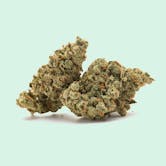
The buds typically run green and resinous with orange pistils and a solid dusting of trichomes. Reports tend to describe an energetic cerebral lift with an upbeat, social edge before a lighter body relaxation creeps in. It's more ignition than parking brake, which helps explain why Diesel genetics have been passed around, renamed, crossed, and argued over for decades.
Skilled growers can coax high yields out of a Diesel plant, which grows to tall heights and produces fluffy, long buds in a 70-day flowering cycle or in early October if grown outdoors in the Northern Hemisphere or in April if grown in the Southern Hemisphere. Diesel grows well either indoors or outdoors, and this strain is said to reach moderate heights but becomes more compact during the final phase of the flowering cycle.