Slurricane
- Earthy (40% of reported flavors)
- Citrus (30% of reported flavors)
- Diesel (30% of reported flavors)
Slurricane is a convincing argument for leaving your grinder at the friend’s house and making them deal with it.
In House Genetics crossed Do-Si-Dos with Purple Punch, producing a resin-heavy hybrid with ripe berry sweetness, dark grape, and earthy spice. Some cuts bring citrus or pine into the mix; others carry a little fuel. The fruit is prominent, but there’s enough underneath it to reward paying attention between hits.
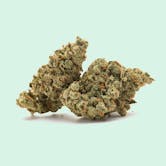
The flower can be striking: green calyxes, purple patches, orange pistils, and trichomes covering much of the surface. Structure varies from tightly packed buds to looser expressions. Slurricane has been selected extensively, so one impressive photo doesn’t represent the whole line.
Slurricane #7 is a recognizable example, known for sugary grape and berry notes with an herbal finish. Slurricane IX comes from further breeding within the family. Knowing the selection helps explain why one jar tastes mostly fruity while another brings more earth or gas, even with Slurricane on both labels.
Fans of this flower describe a euphoric start and relaxation that builds gradually rather than announcing itself all at once. Hunger and sleepiness are common companions. It’s easy to appreciate the flavor while the high is still developing, then discover you’re considerably more baked than your last self-assessment suggested. Slurricane has a way of making “this is pretty mellow” sound like a quote from earlier in the evening.
Slurricane is commonly listed at eight to ten weeks of indoor flowering, with a bushy growth habit and substantial lateral branching. Stretch, mature height, and finishing time vary between selections.
The dense flowers benefit from steady airflow and careful moisture management late in bloom. Branches may need support as the colas gain weight. Indoor and outdoor cultivation are both possible in suitable conditions, but yield estimates should come from the specific release rather than the strain name alone.
Purple coloration depends on genetic expression and growing conditions. Cooler nights can deepen pigmentation in capable plants; they won’t make every phenotype purple. Color also shouldn’t replace maturity indicators when judging harvest time.