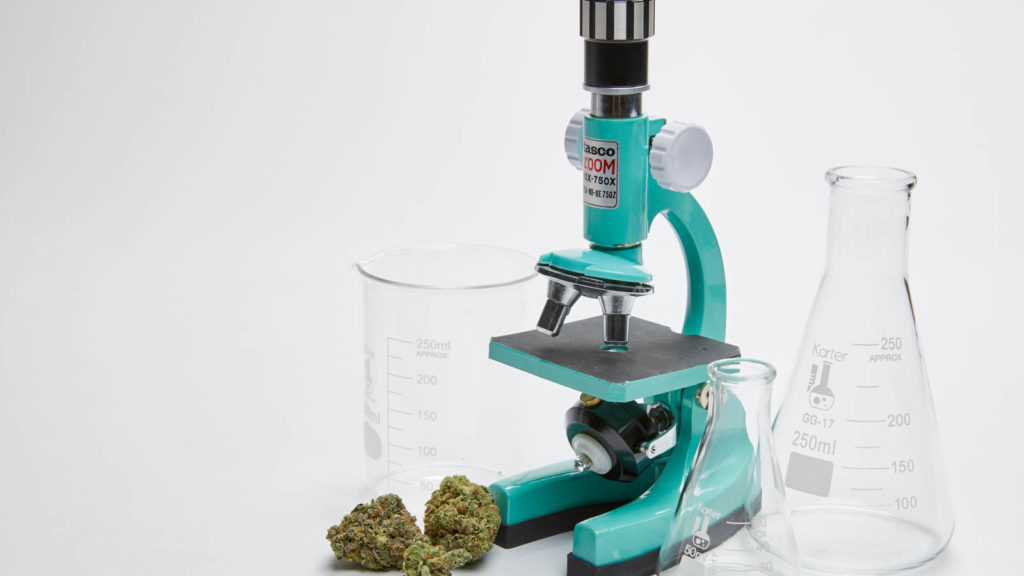
A terpene profile is the unique mix of aromatic compounds that gives a cannabis product its distinctive aroma, flavor, and character. Reading a terpene profile can help you understand how products differ beyond THC percentage alone.
 Photo by: Gina Coleman/Weedmaps
Image lightbox

Two cannabis products can have nearly identical THC percentages yet smell, taste, and feel surprisingly different. The reason comes down to their terpene profiles.
Every cannabis product contains its own combination of terpenes, creating a unique aromatic fingerprint that influences the experience. That's why a bright, citrus-forward flower can sit next to an earthy, fuel-forward cultivar, even when their potency looks similar on the label.
What a terpene profile tells you
A terpene profile is the mix of aromatic compounds that gives a cannabis product its distinctive aroma and flavor. It's one of the best tools for understanding why two products with similar THC percentages can smell, taste, and feel different.
A terpene profile includes the total terpene percentage, the dominant terpenes, the supporting terpenes, and the ratio between them. Together, they create a product's unique aromatic identity.
Think of it like a recipe. The ingredients matter, but so do their proportions. Two products can contain many of the same terpenes and still deliver completely different aroma profiles because each one combines those ingredients in a different way.
How terpene profiles create a product's unique identity

Image lightbox

Every cannabis product has its own terpene profile, and that profile shapes its identity. It's why one flower smells bright and citrusy, another leans earthy and peppery, and another delivers unmistakable fuel notes. Those aromas come from the unique combination of terpenes present in each product.
Some terpenes appear in cannabis more frequently than others:
- Myrcene: Earthy, musky, and herbal.
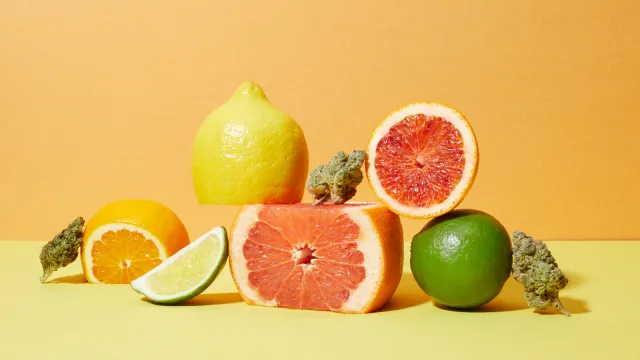
- Limonene: Bright citrus notes like lemon, orange, and grapefruit.
- Beta-caryophyllene: Peppery, spicy, and woody.
- Pinene: Fresh pine and forest-like aromas.
- Linalool: Soft floral notes with hints of lavender.
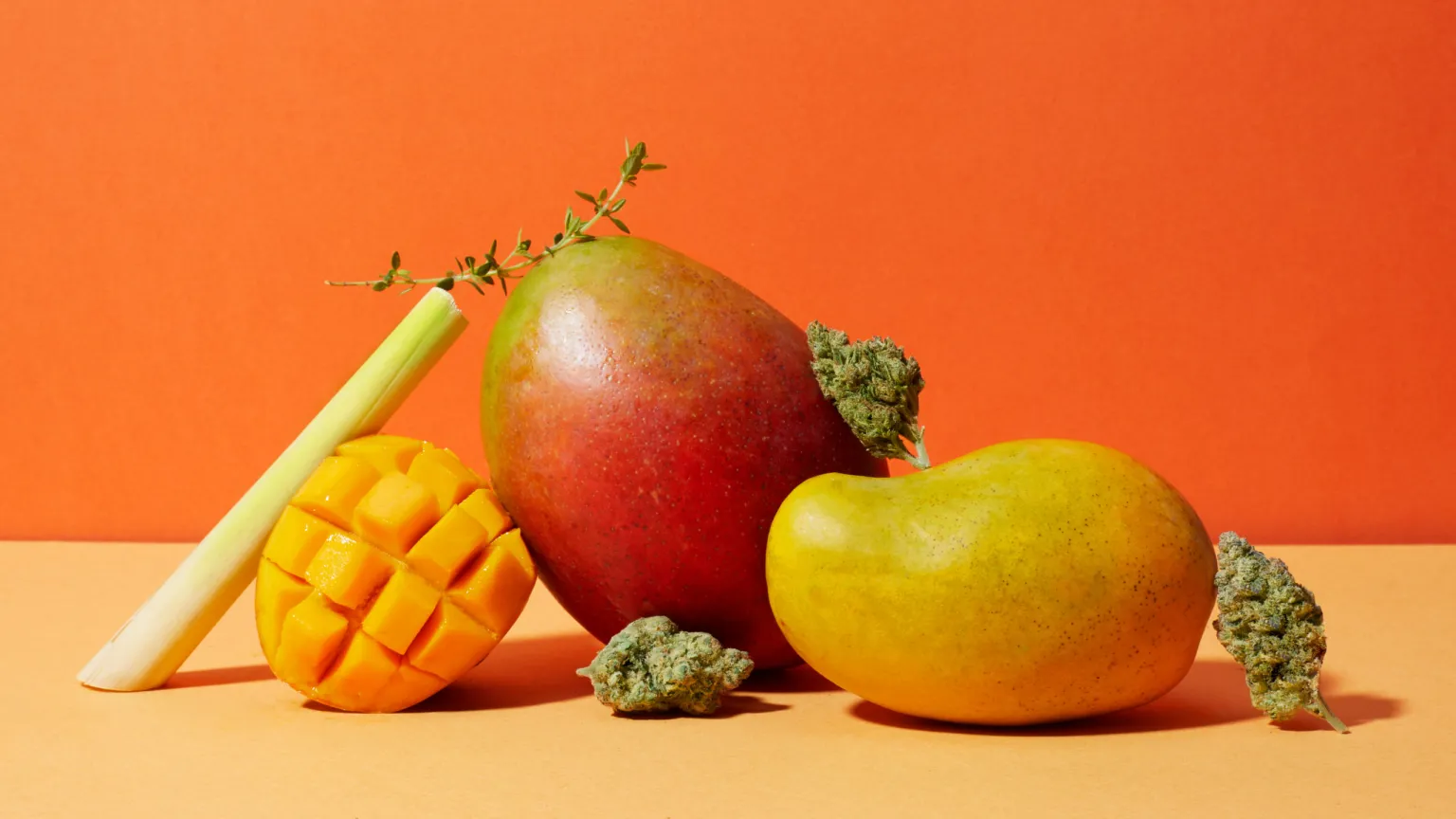
- Terpinolene: Herbal, floral, lightly fruity, or sweet.
The dominant terpene points the profile in a particular direction, while the supporting terpenes add depth and complexity. That's why two limonene-dominant products can smell completely different. One may lean toward citrus and pine, while another blends citrus with pepper, earth, or fuel. The difference comes from the balance between the terpenes rather than any single compound.
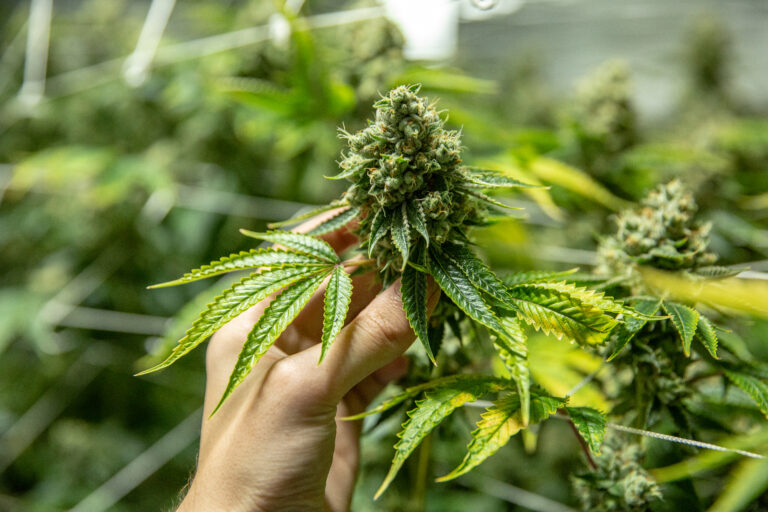
A terpene profile also reflects the journey the plant takes from seed to shelf. Genetics determine what a cultivar can produce, while phenotype, cultivation practices, harvest timing, curing, and storage influence how those terpenes are expressed. Even different batches of the same cultivar can develop slightly different terpene ratios, resulting in subtle changes in aroma and flavor.
Think of a terpene profile like a recipe. The ingredients matter, but the proportions determine the final result. Small changes in those proportions can create a noticeably different aroma profile, giving every cannabis product its own distinctive fingerprint.
Reading terpene percentages in context

Image lightbox

A terpene percentage tells you how much of a cannabis product is made up of terpenes. It offers a useful clue about aroma and flavor, but the number only makes sense when you consider the type of product you're looking at.
Flower commonly tests between 1% and 3% total terpenes, while concentrates can reach 5% or higher because the extraction process concentrates many of the plant's compounds. That doesn't automatically make concentrates more flavorful. Different product types preserve and express terpenes in different ways.
- Flower: Reflects the terpene profile as it developed on the plant, shaped by cultivation, harvest, curing, and storage.
- Live resin and live rosin: Made from fresh-frozen cannabis to preserve a larger share of the plant's original aroma and flavor.
- Cured resin: Produced from dried and cured flower, so the profile reflects both the cultivar and the curing process.
- Distillate: Refines cannabinoids first, with terpenes commonly added back to create the final flavor profile.
This is why identical terpene percentages don't always represent identical products. A live resin vape and a distillate vape may both list 5% total terpenes, but their aroma, flavor, and overall character can be very different.
Treat terpene percentage as one piece of the puzzle. Reading it alongside the full terpene profile, the product type, and the product's freshness gives you a much clearer picture of what to expect.
Freshness brings the terpene profile to life
A lab report captures a terpene profile at the time the product is tested. From that point on, exposure to oxygen, heat, light, and time gradually changes the aromatic compounds responsible for aroma and flavor.
That's why freshness matters. A product with an impressive terpene profile can still smell flat if it has been poorly stored or sitting on the shelf for too long. As terpenes oxidize and degrade, bright citrus, pine, fuel, and floral notes become less defined.
The lab results tell you what was measured. Freshness determines what you experience when you open the package.
How to read a terpene profile before buying
A terpene profile is most useful when you look at the whole picture rather than focusing on a single number. Here's a simple way to evaluate a product:
- Start with the product type. Flower, live resin, live rosin, cured resin, and distillate all express terpenes differently.
- Check the total terpene percentage. Use it as a guide to how terpene-rich the product may be, keeping the product format in mind.
- Read the top two or three terpenes together. Their combination offers a better indication of aroma and flavor than any single terpene alone.
- Look for harvest, packaging, or production dates. Fresh products are more likely to preserve the terpene profile shown on the label.
- Use THC as supporting information. THC can tell you about potency, but the terpene profile gives you a better understanding of a product's aroma, flavor, and overall character.
Reading the full terpene profile takes a little more time than comparing THC percentages, but it gives you a much clearer picture of what to expect before you buy.
The bottom line

A terpene profile is the flavor fingerprint of a cannabis product. It brings together the terpenes, their ratios, genetics, cultivation, processing, and freshness to create the aroma, flavor, and character that make every product unique.
Reading the full terpene profile gives you a much clearer picture than THC percentage alone. Once you know what to look for, you're better equipped to find products that match your personal preferences.
Ready to put that knowledge to use? Explore flower, concentrates, vape cartridges, and other products on Weedmaps to compare terpene profiles and find products available for pickup or delivery near you.