420 culture is shifting from quantity to quality, with consumers prioritizing terpene expression, solventless concentrates, and small-batch cannabis over high-THC products.

Image lightbox

420 used to be about how much you could smoke. For a growing part of the culture today, it's about how good it actually is.
Even as THC percentages still dominate menus, a growing segment of consumers is quietly shifting toward flavor, resin quality, and overall experience.
Today, many enthusiasts are approaching 420 with a more refined mindset. Instead of focusing on sheer volume, a growing segment of consumers is paying closer attention to flavor, terpene expression, and resin quality. The question is “What are we smoking?”
Welcome to what many in the industry are calling the connoisseur era of 420, a shift toward craftsmanship, small-batch production, and cannabis products designed to highlight the plant's most nuanced characteristics.
From big smoke sessions to curated experiences
In the early days of 420 gatherings, the goal was often simple: bring as much cannabis as possible and share it with everyone around.
The tradition had roots in underground cannabis culture, where access wasn't always guaranteed and sharing flower was part of the ritual. Large joints, blunts, and group sessions became symbolic of the day itself.
Legal markets, however, changed the landscape dramatically.
With regulated cultivation, advanced extraction methods, and a wave of innovative producers entering the space, cannabis products have become more diverse and more sophisticated than ever before.
In many sessions today, it's not uncommon to see people passing around labeled jars, comparing terpene profiles, and asking who grew or processed the material.
In other words, the culture has evolved from quantity to curation.
The rise of terpene hunting

Image lightbox

One of the biggest drivers behind this shift is the growing fascination with terpenes.
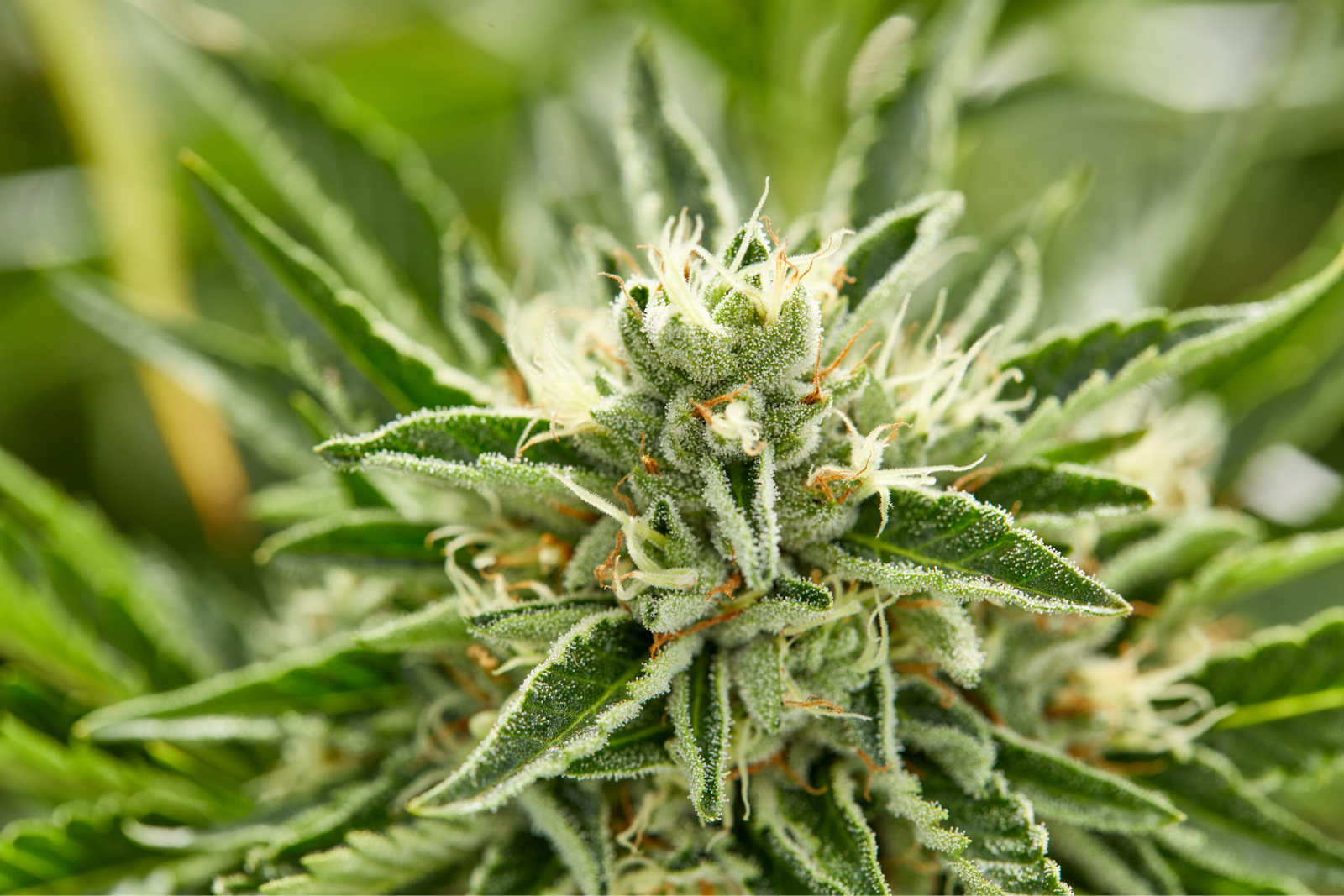
Terpenes are aromatic compounds that give cannabis its distinctive smell and flavor, from citrus and pine to gas, fruit, and spice. But they also shape the overall experience of a cultivar.
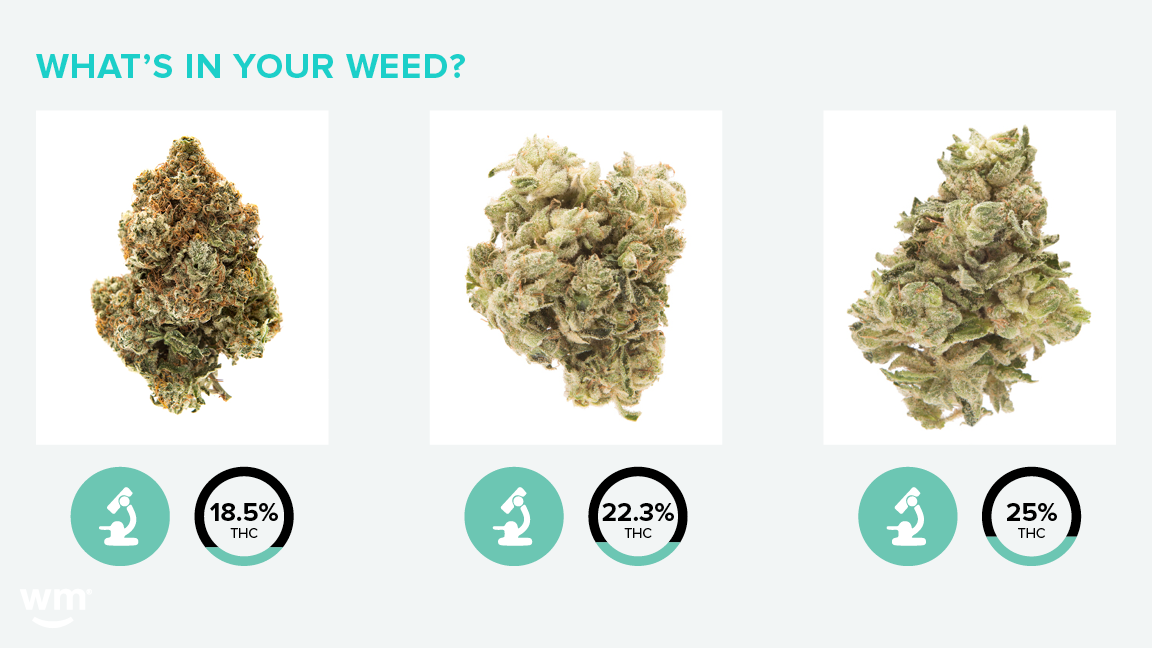
While THC percentages once dominated purchasing decisions. For many consumers, terpene expression has become a proxy for quality, often influencing purchasing decisions more than THC percentage alone.
Instead of chasing the highest THC numbers on a menu, terpene-focused consumers might look for cultivars known for bold aromatic traits, such as:
- Bright citrus notes
- Tropical fruit aromas
- Classic fuel or kush expressions
- Complex earthy and herbal profiles
For these enthusiasts, 420 becomes an opportunity to explore how different cultivars express themselves through flavor.
Genetics and Hype Strains
New genetics continue to generate excitement in the connoisseur market.
Examples such as Blue Zushi and Todd Venom have created significant buzz among growers, hashmakers, and enthusiasts because of their unique terpene profiles and extraction potential.
At the same time, another trend is emerging. Many breeders are revisiting older genetics and bringing classic terpene profiles back into the spotlight.
The conversation around resin quality
As cannabis culture has matured, so has the conversation around resin quality, particularly in concentrates. Because the quality of the input material ultimately sets the ceiling for any extract, regardless of how advanced the extraction method is.
Concentrates are cannabis products where cannabinoids and terpenes have been concentrated into forms like badder, sauce, or hash. While concentrates have existed for decades, modern extraction techniques have dramatically expanded what's possible.
Today's connoisseur consumers often pay attention to details like:
- The input material used (fresh frozen vs. cured flower)
- The extraction method
- How well the final product preserves terpenes
- The overall clarity and texture of the concentrate
Because the quality of the input material sets the ceiling for any extract.
Two formats frequently discussed among enthusiasts are live resin and live rosin.
Live resin uses fresh frozen cannabis and solvent-based extraction to preserve terpene expression at its peak.
Live rosin, by contrast, is produced without solvents, using heat and pressure on hash to retain flavor with minimal processing.
What used to be niche conversations are now part of everyday 420 culture, as more consumers focus on how concentrates are made, not just how strong they are.

Image lightbox

Solventless culture is having a moment
If there's one category that perfectly captures the connoisseur shift in cannabis, it's solventless concentrates.
Solventless products are made without the use of hydrocarbons like butane or propane. Instead, they rely on mechanical processes such as ice water agitation, pressure, and temperature to separate trichomes from the plant. Techniques like ice water hash, dry sift, and rosin pressing have become increasingly popular among both producers and consumers.
These methods often emphasize craftsmanship and attention to detail.
For example, ice water hash, sometimes called bubble hash, separates trichomes using ice, water, and filtration screens. The resulting resin can then be pressed into rosin or enjoyed in other forms depending on its quality.
Producers are also experimenting with newer techniques that aim to preserve as much terpene expression as possible.
Freeze-dried hash, for instance, helps maintain delicate terpene compounds during the drying process, leading to more aromatic final products.
Similarly, static dry sift is a technique that uses static electricity to refine sifted trichomes, removing plant contaminants and producing exceptionally pure resin.
These approaches highlight a broader trend within cannabis: quality is increasingly tied to process.
The rise of headie glass and modern dab tools
As concentrates have become more refined, the tools used to consume them have evolved alongside them.
In today's connoisseur circles, it's not uncommon to see carefully curated dab setups featuring custom heady glass rigs, directional carb caps, and highly specialized quartz. For many enthusiasts, these pieces are more than functional — they're collectible, often made by independent glass artists and traded within the community.
Quartz innovation has also reshaped how people approach dabbing. Designs like the terp slurper — a style of quartz nail engineered to improve airflow and heat distribution — have become a staple in modern setups. The goal isn't just to get vapor; it's to preserve flavor, control temperature, and experience the full terpene profile of a concentrate.
In that sense, consumption has become part of the craft. The setup, the technique, and the material all work together — turning what used to be a simple dab into something closer to a ritual.
Specialty formats are redefining what premium means
As craftsmanship becomes more central to cannabis culture, new specialty formats are emerging that push solventless production even further.
One example gaining attention is piattella, a cold-cured form of ice water hash that develops a smooth, butter-like consistency over time. The curing process can enhance aroma and texture, making it a favorite among hash enthusiasts.
While still relatively niche, products like piattella reflect how the industry is continuing to evolve.
Instead of simply producing stronger cannabis products, many producers are now focused on refining the sensory experience, flavor, aroma, texture, and overall expression of the plant.
For connoisseurs, these products turn 420 into something closer to a cannabis tasting culture, where different extraction styles and cultivars can be compared side by side.
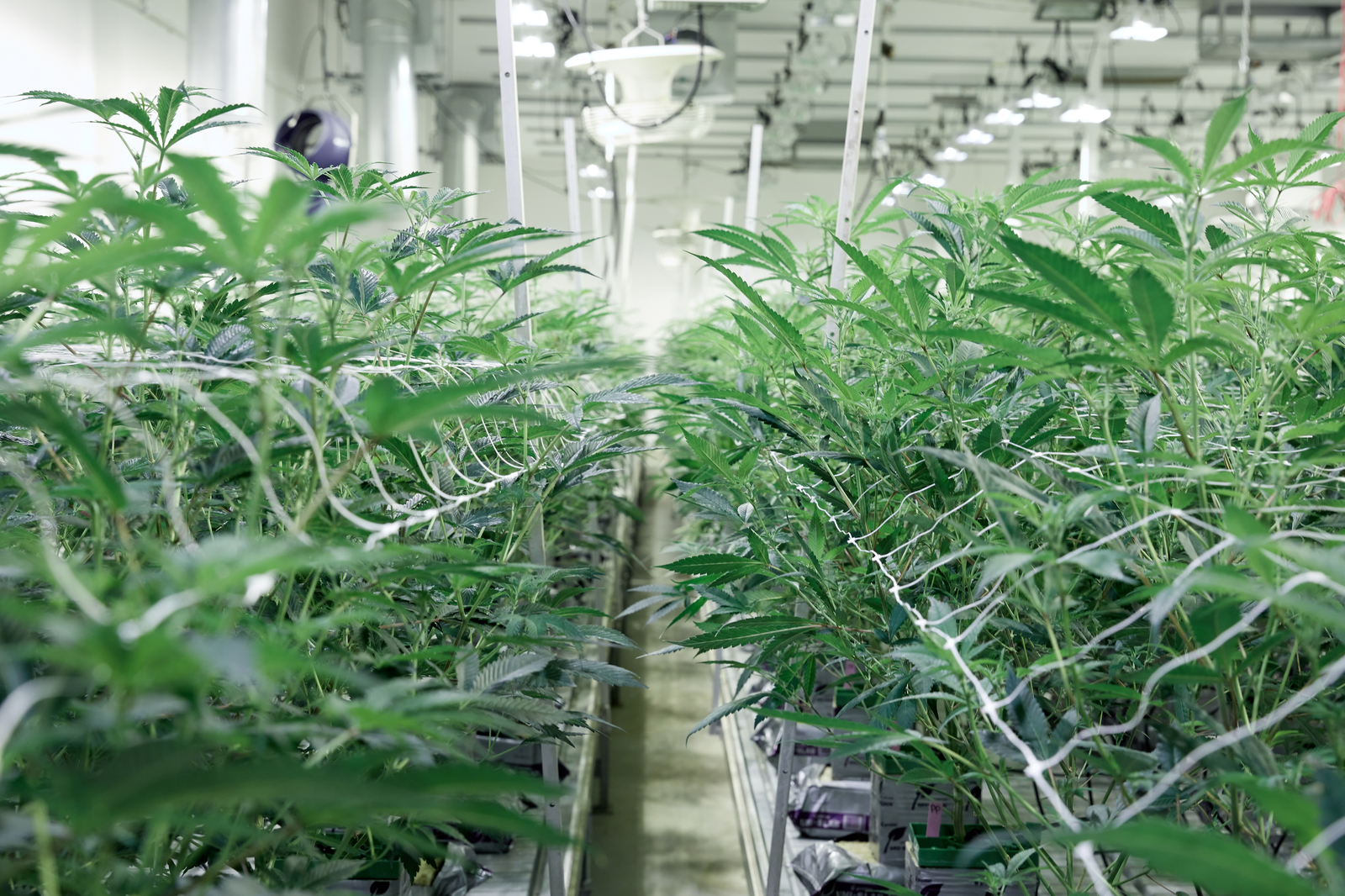
Small-batch production and craft cannabis
Another defining feature of the connoisseur era is the growing appreciation for small-batch cannabis.
Just as craft beer and specialty coffee developed communities around quality and production methods, cannabis is seeing a similar movement.
Small-scale cultivators and hash makers often prioritize quality over scale, focusing on:
- Carefully selected genetics
- Precise harvesting and curing techniques
- Limited production runs
- Meticulous handling of trichomes and resin
Because these products are often produced in smaller quantities, they can offer a level of attention to detail that large-scale operations sometimes struggle to match.
For many enthusiasts, 420 is the perfect moment to seek out these craft offerings, the cultivars or concentrates that reflect the skill and philosophy of the people who produced them.
You're also seeing this play out in how certain genetics capture attention almost overnight. Cultivars like Blue Zushi or Todd Venom aren't just popular because of potency — they're talked about because of how they smell, how they wash, and how they translate into concentrates.
Among growers and hashmakers, these strains generate buzz for their terpene intensity and extraction potential, meaning they can produce flavorful, high-yield resin when processed into rosin or hash. In a connoisseur-driven market, that matters just as much — if not more — than THC percentage.
Why flavor is shaping modern 420 culture

At its core, the connoisseur shift reflects a deeper understanding of what makes cannabis special.
Cannabis is a complex plant with hundreds of aromatic compounds and subtle chemical interactions that shape how people experience it. When consumers start exploring terpene expression, resin quality, and extraction craftsmanship, cannabis becomes less about potency and more about appreciation.
That's why many modern 420 celebrations now revolve around exploration, trying new cultivars, comparing concentrates, and discovering how different products highlight different aspects of the plant.
The tradition of gathering and sharing cannabis remains the same. But the focus has evolved.
Instead of asking how much is on the table, more consumers are asking a different question: what makes this one worth smoking?
Explore terpene-rich cannabis strains near you.