Butane extraction can produce some of the loudest, most terpene-rich concentrates available, but the final quality depends on how carefully the oil is purged, refined, and tested afterward. Processing decisions made after the run finishes are what set exceptional BHO apart from mediocre oil.

Image lightbox

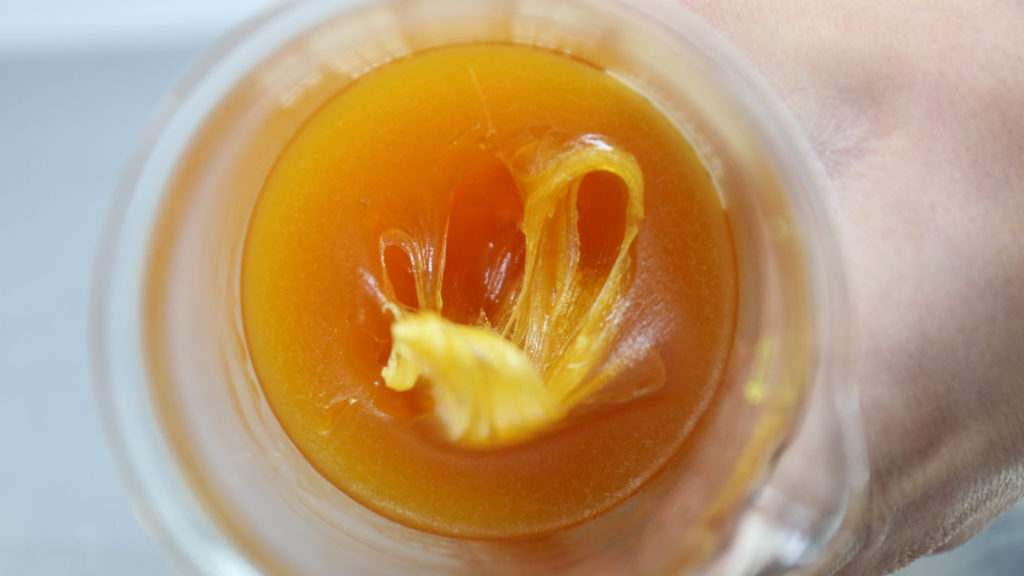
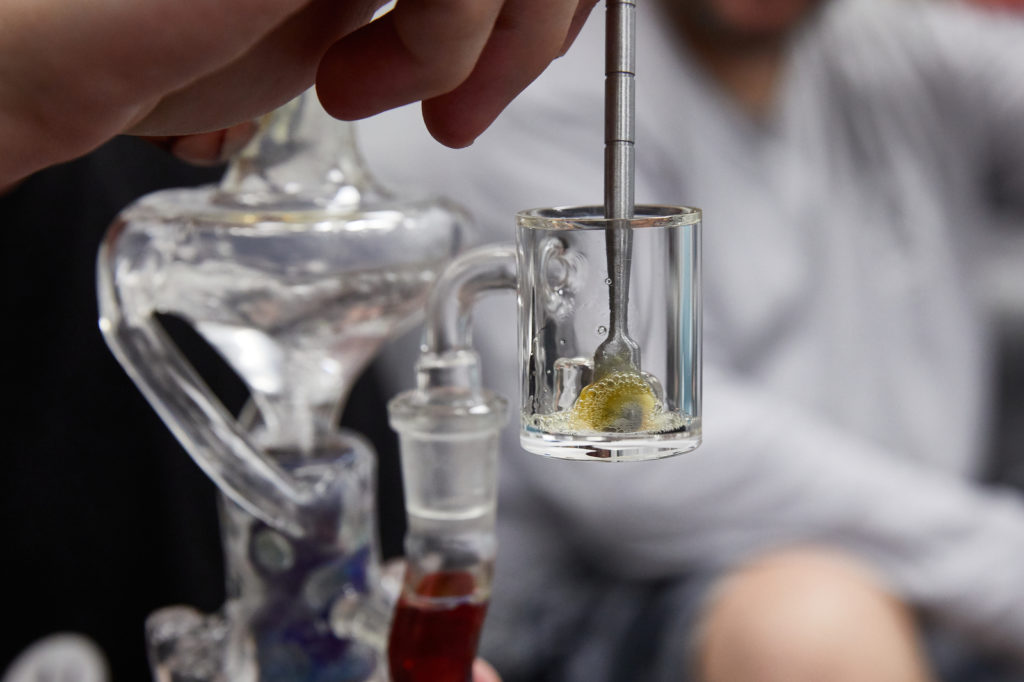
Big terp flavor. Heavy aroma. Wet, saucy textures. That super expressive dab that smacks your nose before the vapor even lands.
Butane is extremely efficient at pulling cannabinoids and aromatic compounds from cannabis. When the process is dialed in properly, the result can preserve a large amount of the plant's original flavor and resin character.
Extraction is the easy part. What happens in the purge, the refinement, and the lab is where quality actually gets decided.
What makes butane so effective
Butane became popular because it dissolves cannabinoids and terpenes extremely efficiently.
That efficiency is why hydrocarbon extraction became the foundation for live resin, sauce, badder, and the rest of the terpene-forward concentrate category. Pull rate is high, terpene recovery is strong, and the process scales.
The catch: the same efficiency that captures desirable compounds pulls unwanted plant material when conditions get too aggressive. Dialing that line is the actual skill in hydrocarbon extraction.
Yield and purity pull in opposite directions
Higher extraction yield does not automatically mean better concentrate. It's one of the most persistent misconceptions in the category.
Processors can push yield higher by adjusting contact time, temperature, solvent ratio, and extraction intensity. Pushing harder pulls more unwanted material too — waxes, lipids, heavier plant compounds that dirty the starting oil and create cleanup work downstream.
More cleanup means more terpene loss, more post-processing steps, and more opportunities to flatten the profile before the product ever hits a jar. Experienced extractors aren't chasing maximum output. They're managing the tradeoff between yield, separation quality, and what survives into the final concentrate.
Cold extraction helps preserve terpenes

Image lightbox

Terpenes are among the most fragile compounds in cannabis.
Lower extraction temperatures reduce terpene loss while limiting how much wax and unwanted plant material dissolves into the extract. Colder runs produce cleaner starting oil — and cleaner starting oil means less refinement standing between the extraction and the final flavor.
Extracts produced under colder conditions tend to retain more strain-specific character. Warmer runs typically need more cleanup, and that cleanup costs flavor. Temperature control isn't a finishing variable. It's the first decision that shapes the terpene profile.
Purging determines what stays behind
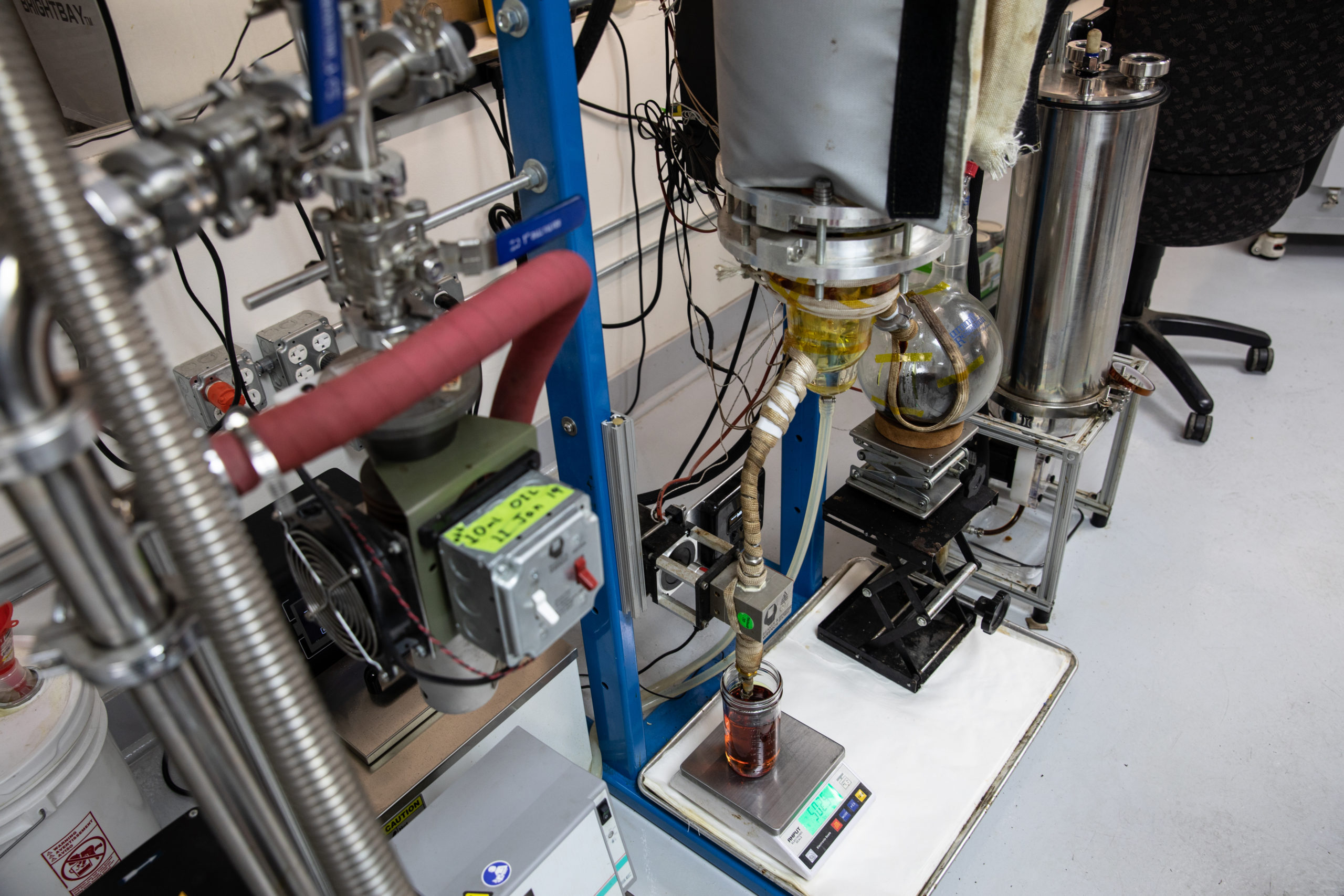
Extraction is only the beginning. After the run finishes, processors still need to remove the remaining butane from the oil through purging.
This is where a lot of concentrate quality gets decided. Purging uses heat, time, vacuum pressure, and surface area to help remaining solvents evaporate away from the concentrate safely.
The problem: terpenes and solvents are both volatile. The same conditions that drive out residual butane can strip flavor if the purge runs too hot or too long. Rush it and solvent stays trapped. Push too hard and the aroma flattens. That window is where dab quality gets made or lost.
Texture affects solvent removal
Texture isn't just aesthetics — it directly affects how efficiently solvent escapes the oil.
Thin films purge faster. Solvent molecules reach the surface and evaporate more easily. Thick concentrates trap solvent longer, and locking texture too early before the purge completes makes removal significantly harder afterward.
A concentrate can look clean and still carry residual solvent. Appearance is not a purge verification tool.
Testing verifies what appearance cannot
Color, clarity, and aroma give processors feedback — they don't confirm safety.
In regulated markets, concentrates are screened for residual solvents alongside potency, contaminants, and other safety markers. Those results confirm that butane, propane, or other hydrocarbon solvents fall below state-established limits before anything reaches a shelf.
Testing is the final checkpoint. Extraction determines what enters the oil. Purging determines what leaves. The lab confirms the finished concentrate is clean.
The run is just the beginning

Butane excels at capturing cannabinoids and terpenes. What the extractor does after the run — how they purge, refine, and verify — determines how much of that original character actually makes it into the jar.
Two BHO concentrates can start with similar flowers and finish completely differently, depending on every decision made between extraction and packaging. The run pulls the resin. Purging, refinement, and testing determine what survives.
Explore lab-tested live resin, sauce, badder, and other concentrates near you for pickup or delivery.