
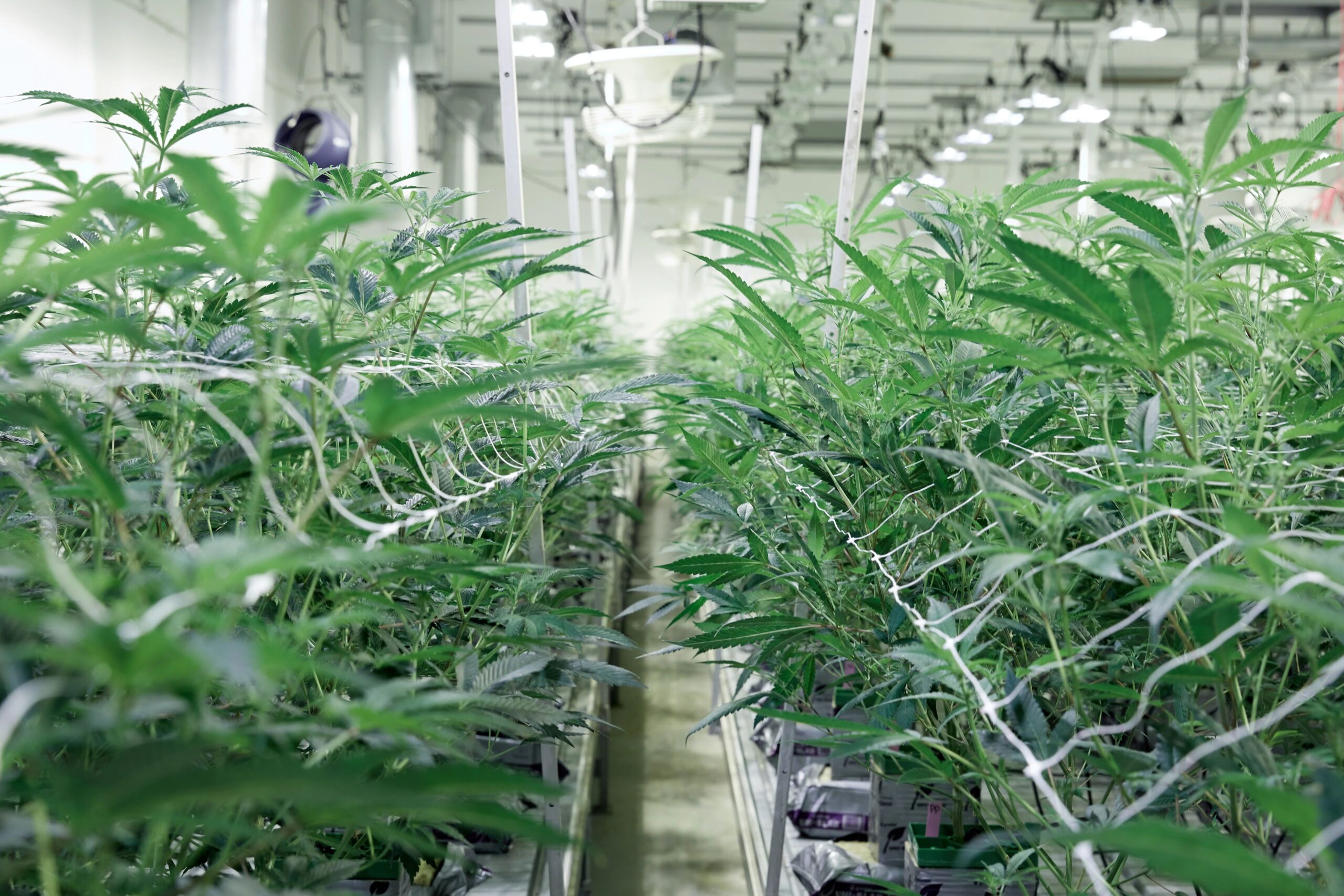
Heavy metals do not suddenly appear in cannabis at the end of production. They move through the entire chain, from soil and irrigation water to roots, flower tissue, extraction equipment, and finished products.

Image lightbox

People usually imagine contamination as one big mistake. A dirty batch. A bad processor. Some sketchy piece of equipment nobody cleaned properly.
But heavy metal contamination works differently.
Most of the time, the metals were already moving through the system long before the flower reached a jar or vape cart. Lead, cadmium, arsenic, and mercury can enter through soil, irrigation water, fertilizers, salts, or processing equipment, then quietly follow the plant through cultivation and manufacturing.
That's why heavy metals testing matters so much in this space.
The problem is not just whether contaminants exist somewhere in the environment. The real issue is whether those metals become bioavailable, move into the plant, survive processing, and end up inside the final product people actually consume.
Once you understand how that chain works, failed lab results stop looking random. The contamination had a route the entire time.
Heavy metals enter cannabis at the root zone

Image lightbox

The contamination chain almost always starts before the plant even enters flower.
Cannabis grows in an environment full of dissolved minerals, nutrients, microbes, salts, and water movement. If heavy metals exist inside that environment in forms the plant can absorb, the roots may pull them in through the same transport systems used for essential nutrients.
That's the important mechanism. The plant is not “trying” to absorb lead or cadmium specifically. The metals move because some of them chemically resemble nutrient ions the roots already transport naturally.
This happens through soil contamination, irrigation water, fertilizers, compost inputs, and mineral-based amendments.
The higher the metal availability in the root zone, the greater the chance those elements begin moving into plant tissue over time.
Why soil and compost become contamination hotspots
Soil is one of the most common contamination entry points because it acts like a giant reservoir for whatever materials were already present before cultivation started.
That includes: industrial runoff, old pesticides, mining residue, contaminated compost feedstocks, municipal waste products, and naturally occurring trace metals in certain geological regions.
Compost can become especially tricky.
Organic inputs sound clean in theory, but compost concentrates whatever entered the original feedstock. If contaminated plant waste, manure, biosolids, or industrial material enters the compost stream, trace metals can remain behind after decomposition finishes.
Then the cannabis roots sit in that environment for months. That's why growers cannot evaluate soil quality based on appearance alone. Rich-looking living soil can still contain problematic heavy metal levels underneath the biology.
Why pH changes how much metal the plant absorbs
The presence of heavy metals alone does not fully determine risk. Bioavailability matters more.
Heavy metals become dangerous to plants when they stay dissolved in forms roots can actually absorb. That availability changes constantly based on pH and root-zone chemistry.
Lower pH increases metal solubility. As the root zone becomes more acidic, metals remain dissolved in ionic forms more easily, which increases the likelihood they move toward the root surface and enter uptake pathways.
Higher pH reduces mobility because some metals precipitate into less-soluble forms. That's why two grows can contain similar total metal levels while producing very different lab results later.
The chemistry around the roots decides how much of the contamination becomes biologically accessible.
Why irrigation water quietly increases contamination over time
Water creates repeated exposure. Even relatively low contamination levels can build over months because irrigation happens constantly throughout the cultivation cycle.
Well water, reclaimed water, aging infrastructure, and certain municipal systems may all carry trace heavy metals depending on the local source and plumbing conditions.
Then there's the pipe issue. Corroded fittings, galvanized plumbing, brass components, and aging irrigation systems can slowly release metals directly into the water stream itself.
Most growers never notice because the water still looks visually clean. But cannabis responds to dissolved chemistry, not appearance.
Small repeated exposure adds up surprisingly fast inside an active root zone.
Fertilizers and salts can carry hidden contaminants
Fertilizers are concentrated by design. That means any contaminants inside the raw ingredients become concentrated too.
Certain phosphate-heavy fertilizers, mined mineral products, low-cost salts, and industrial nutrient feedstocks can carry trace heavy metals depending on how the source material was processed originally.
This catches people off guard constantly. A product labeled “premium” or “organic” does not automatically mean contaminant-screened. Many fertilizer labels focus almost entirely on nutrient ratios while saying very little about trace contaminant testing.
At the same time, heavy feeding changes root-zone chemistry itself. As EC rises and ionic movement increases, metals already present in the medium may become more mobile and easier for roots to absorb.
So fertilizers can increase contamination in two different ways: by introducing metals directly and by changing the chemistry that controls uptake.
How heavy metals actually move into cannabis tissue

Image lightbox

Once metals become soluble near the roots, the plant's transport system takes over.
Roots absorb water and nutrients through specialized membrane transporters. Some heavy metals can slip into those pathways because their ionic structure resembles essential nutrients the plant already needs.
Then the metals move upward through the xylem, which acts like the plant's internal plumbing system.
Water movement drives the process. As the plant transpires, water gets pulled from the roots toward leaves and flowers. Anything dissolved inside that transport stream may move upward with it.
That includes contaminants.
Why flower becomes a contamination endpoint
Flower is not chemically isolated from the rest of the plant.
As buds develop, they become strong nutrient sinks that continuously pull water and dissolved compounds upward during growth. If heavy metals are already circulating through the vascular system, some portion may eventually reach developing flower tissue.
That is why contamination appears most clearly in final flower testing. The flower basically reflects the cumulative result of: root uptake, water chemistry, nutrient inputs, plant transport behavior, and environmental exposure across the entire cultivation cycle.
By the time the plant reaches harvest, the contamination chain has already been active for weeks or months.
Drying and trimming do not remove heavy metals

Image lightbox

This is one of the biggest misconceptions in cannabis processing. Drying does not “clean” contaminated flower.
Once metals enter plant tissue, they remain physically incorporated into the structure of the plant itself. Removing water weight during drying may actually make contamination levels appear more concentrated by percentage because the overall sample mass shrinks while the metals stay behind.
Trimming changes appearance, but doesn't help contaminants. A processor may remove sugar leaves or reshape the flower visually, but that does not reverse systemic contamination already present inside the bud structure.
That's why remediation becomes extremely difficult once contaminants enter the plant directly during cultivation. The real control point is preventing uptake earlier in the chain.
How processing equipment can introduce contamination later
Even clean flower can pick up contamination during manufacturing.
This happens through repeated contact with worn metal surfaces, corroded components, damaged coatings, cheap alloys, or abrasive mechanical systems used during trimming, grinding, extraction, or packaging.
Lead and chromium show up often in these situations because mechanical wear gradually sheds microscopic particles into the product stream. The higher the production volume, the more risk increases.
Flower rubbing repeatedly against worn trimmer blades, grinders, sifters, conveyors, or poorly maintained extraction hardware creates countless opportunities for tiny contamination events that accumulate over time. This is why some heavy metal failures trace back to processing rather than cultivation alone.
The contamination chain does not stop at harvest.
Why concentrates can amplify contamination risk
Extraction changes concentration.
If contaminants already exist inside the flower, some extraction processes may concentrate portions of those compounds alongside cannabinoids and terpenes. That becomes especially important with vape products and concentrates because consumers inhale highly concentrated material directly into the lungs.
This is one reason testing requirements for concentrates receive extra scrutiny.
The chemistry is denser. The exposure route is more direct. And small contamination problems can scale up quickly during processing. A flower batch sitting near the regulatory threshold can become much riskier once concentrated into oil.
How COAs can help protect you
Heavy metals are invisible. A product can smell incredible, test high in THC, and still fail contaminant screening underneath.
That is why certificates of analysis matter so much in regulated cannabis markets. A real COA helps verify whether the batch passed testing for: lead, cadmium, arsenic, mercury, residual solvents, pesticides, and microbial contamination.
The important part is transparency. Reliable operators track contamination risk through sourcing, cultivation, manufacturing, and batch testing instead of relying on aesthetics or branding alone.
Because honestly, the flower cannot visually tell you whether the chemistry underneath is clean. The lab data has to do that.
The bottom line

Heavy metal contamination rarely appears out of nowhere. Most failures trace back to a chain of environmental exposure that started earlier in cultivation through soil, irrigation water, fertilizers, salts, equipment wear, or manufacturing conditions.
Once metals become bioavailable, the plant can absorb and transport them all the way into finished flower and concentrates. That's why prevention matters more than cleanup. Once contaminants enter the plant itself, post-harvest processing does very little to reverse the chemistry already locked into the product.
The smartest move is understanding the chain before the COA ever comes back.
Find lab-tested flower, concentrates, and vape products near you for pick up or delivery.


