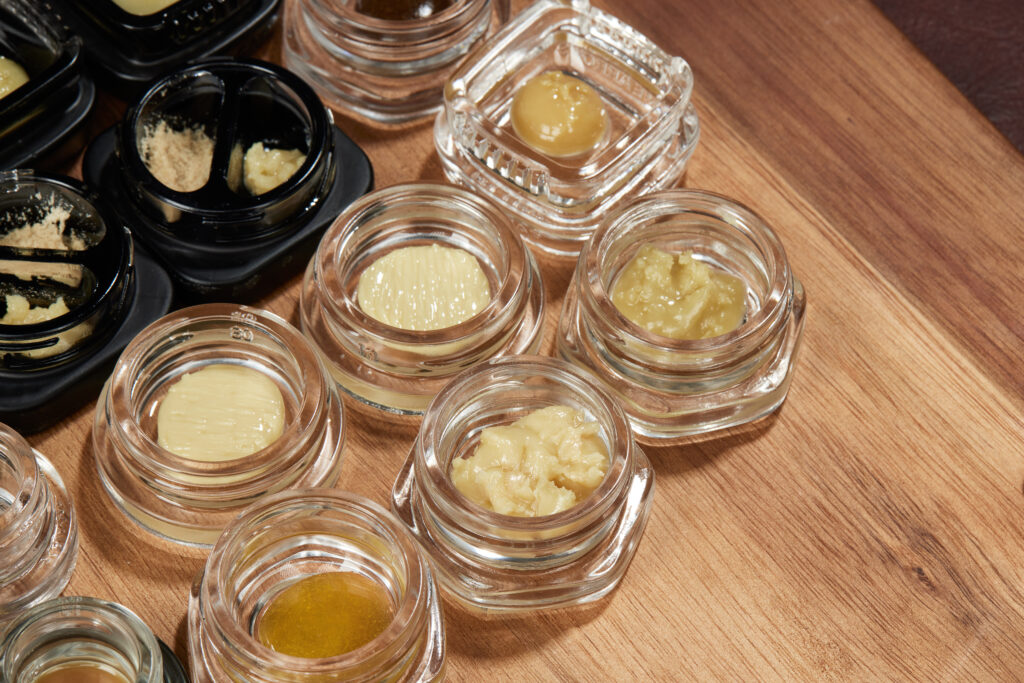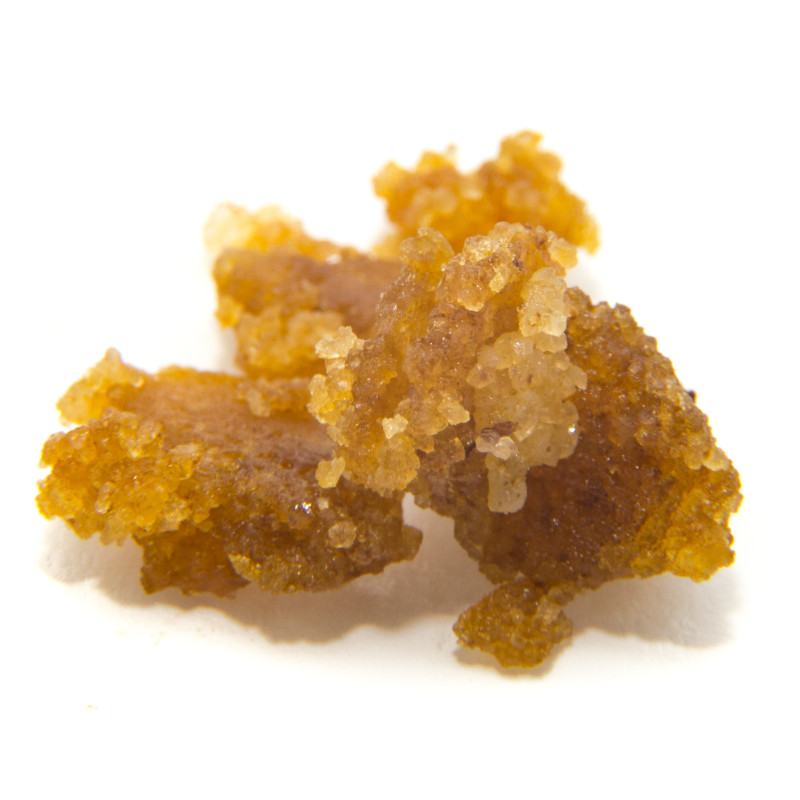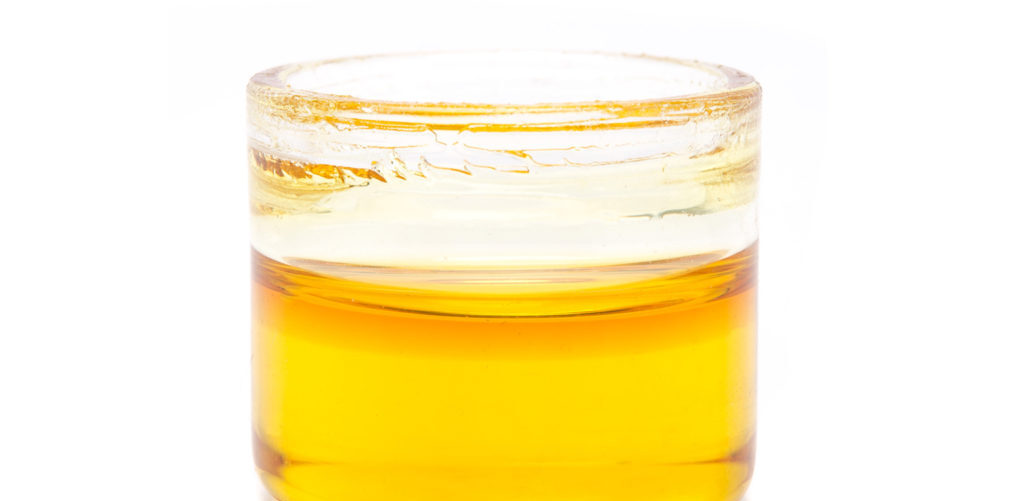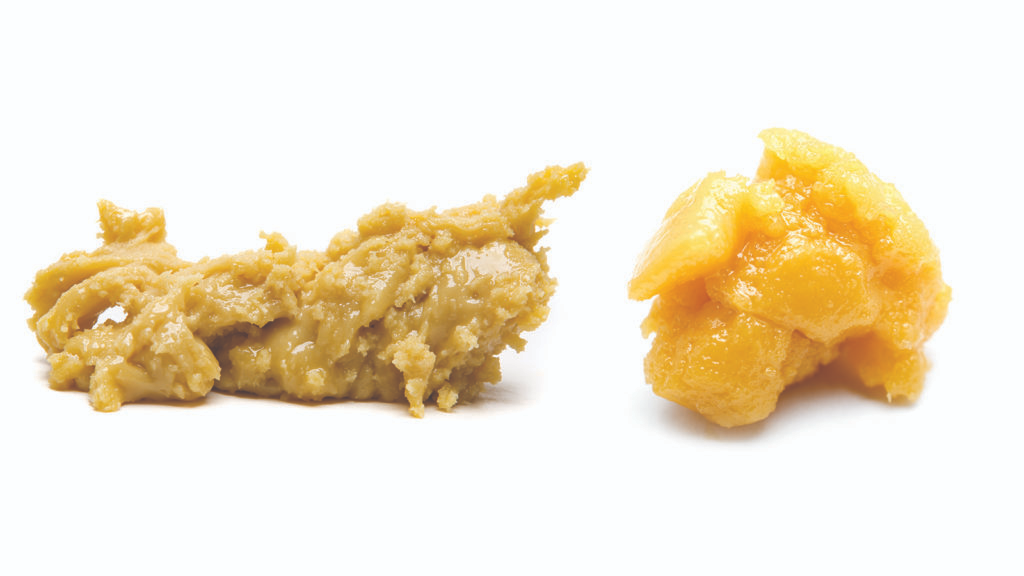
Badder and budder are both soft concentrates, but whipping, aeration, and terpene retention change how they spread, melt, and release flavor under heat. Even small texture differences can completely change the dab experience.
 Photo by: Gina Coleman/Weedmaps
Image lightbox

A lot of concentrates get grouped together as “soft wax,” but badder and budder are not exactly the same thing.
Sometimes the difference feels obvious the second you open the jar. One texture looks glossy, sticky, and almost fluffy. The other feels firmer, drier, and more structured on the tool.
Other times they look nearly identical until heat enters the picture.
Then suddenly one spreads aggressively across the banger while the other melts slower and stays more compact during the pull. That difference comes from texture mechanics, not marketing language.
Whipping, aeration, terpene content, moisture balance, and post-processing conditions all change how these concentrates behave once you actually dab them.
That means texture affects spreadability, melt timing, flavor release, vapor pacing, and how easy the concentrate feels to portion cleanly. So while badder and budder may start from similar extraction material, the final consistency changes the experience more than most people realize.
Why whipping changes texture in the first place
Whipping is one of the biggest reasons these concentrates separate into different texture categories.
During post-processing, agitation introduces air into the extract while redistributing cannabinoids, lipids, waxes, and terpenes throughout the concentrate itself. That changes the physical structure.
More aeration creates a softer, fluffier, more spreadable consistency because tiny air pockets interrupt the dense crystal structure inside the extract. The texture becomes lighter and easier to smear across a tool rather than snapping apart cleanly.
Less whipping creates a denser structure. That is why some budder textures feel firmer and more “set” compared to softer badder styles that stay creamy and tacky longer.
The concentrate is literally organizing itself differently at a physical level.
Why badder feels softer and stickier
Badder tends to hold onto more pliability because the texture stays semi-whipped and terpene-rich after processing. You notice this immediately on the dab tool.
The concentrate stretches slightly instead of crumbling. It spreads more easily, sticks to itself more cohesively, and stays workable even after sitting at room temperature for a while.
That softness changes melt behavior too.
Once heat hits the banger, badder liquefies quickly and spreads outward fast because the softer matrix already allows compounds to move more freely inside the texture itself. This creates faster terpene release, earlier flavor expression, and a more aroma-forward inhale.
That is why fresh badder feels louder during the first few seconds of a dab. The flavor arrives early because the terpene-rich surface reacts to heat immediately.
Why budder feels firmer and drier
Budder “sets up” more firmly because the structure stabilizes into a denser consistency after whipping and cooling.
Instead of stretching like badder, budder tends to break cleaner, hold shape better, and feel slightly drier on the surface. That changes how it handles.
A firmer budder scoops into more compact pieces without smearing heavily across the tool. Some consumers prefer this because it feels cleaner and easier to portion precisely without stringy residue getting left everywhere.
The melt changes too.
Budder transitions from solid to liquid more gradually than ultra-soft badder. Instead of instantly collapsing outward into a puddle, the texture softens in stages as heat spreads through the concentrate.
That slower collapse can create a steadier flavor release during lower-temp dabs.
Why aeration changes melt behavior
Air changes how heat moves through the concentrate. More aerated textures contain tiny gaps throughout the structure, which affects how quickly the extract softens and spreads once heated.
That is why highly whipped badder melts outward rapidly and releases aroma almost immediately.
The heat reaches more exposed surface area faster. Less-aerated budder behaves more densely, so the melt can feel slower and slightly more controlled before the concentrate fully liquefies.
Neither one is automatically better. They are just optimized differently. One emphasizes immediate terpene release and expressive flavor. The other leans toward controlled melt behavior and cleaner handling.
That distinction matters way more than the name itself.
Why terpene content changes texture stability
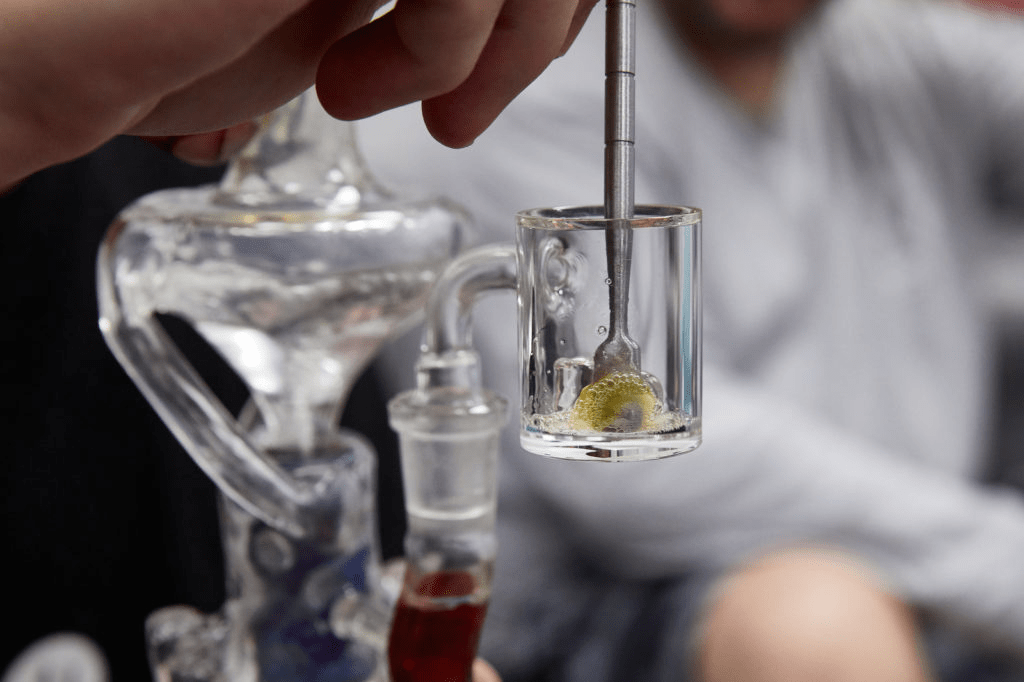
Image lightbox

Terpenes affect texture mechanically, not just aromatically.
Higher terpene content keeps concentrates softer and more pliable because terpenes behave partially like solvents inside the extract structure.
That is one reason terp-heavy badder stays wet-looking, tacky, and highly aromatic.
As terpenes evaporate through heat exposure, oxidation, or poor storage, the texture starts drying out too. The concentrate may become crumbly, crusted, or less spreadable over time. This is why older soft wax sometimes feels dramatically different than it did originally.
The chemistry underneath changed. Not just the flavor.
Why badder tastes louder initially
Badder releases flavor earlier because the softer texture spreads across the heated surface faster and exposes volatile terpenes immediately.
You especially notice this during lower-temp dabs. The inhale tends to feel brighter, louder, and more terpene-driven upfront because the aromatic compounds vaporize before the cannabinoids fully dominate the session.
That early flavor burst is a huge reason many people prefer badder for terp-heavy strains. The concentrate practically announces itself immediately once heat touches it.
But there is a tradeoff. Those same volatile compounds also disappear faster under excessive heat or poor storage conditions. A badly stored badder loses its advantage quickly because the terpene layer degrades first.
Why budder can feel more controlled during low-temp dabs
Budder's firmer texture can create a steadier melt curve during lower-temp sessions because the concentrate softens more gradually instead of instantly flooding the surface.
That slower melt changes the pacing of the dab. Instead of getting hit immediately with a huge terpene rush, the flavor may unfold more progressively throughout the inhale.
Some consumers prefer this because the session feels cleaner, calmer, and easier to control. Especially during smaller “sip-style” dabs where the goal is preserving flavor instead of chasing giant vapor production. Texture influences pacing more than people expect.
Why storage changes soft concentrates fast
Soft concentrates are extremely sensitive to oxygen, light, and temperature swings.
Because badder and budder contain volatile terpene fractions near the surface, poor storage conditions accelerate oxidation, drying, terpene loss, and texture collapse.
This appears first as darkening color, crusted edges, weaker aroma, or a dry top layer. The concentrate may still test high in THC while feeling noticeably flatter during the dab itself.
That is why freshness matters more than hype strain names. A fresh terpene-rich badder almost always outperforms an older concentrate relying only on potency numbers to sound impressive.
Why texture should match the kind of session you want
Most people eventually realize they prefer certain textures for certain moods or setups. If you want a big flavor release, terpene-heavy pulls, and expressive aroma immediately, softer badder fits better.
If you want cleaner handling, steadier melts, and more controlled low-temp sessions, firmer budder makes more sense.
The important part is understanding why the difference exists. Texture changes heat behavior, terpene timing, vapor pacing, and handling mechanics. Not just appearance.
The bottom line

Badder and budder may look similar on a dispensary menu, but small differences in whipping, aeration, terpene retention, and consistency completely change how they dab.
Badder stays softer, tackier, and more terpene-forward because the texture spreads quickly and releases aroma aggressively under heat. Budder tends to feel firmer, drier, and more controlled because the structure sets more densely during post-processing.
That changes how the concentrate loads, how it melts, how flavor arrives, and how the entire inhale feels.
Once you understand the mechanics behind the texture, choosing concentrates becomes way easier than simply chasing THC percentages or guessing based on appearance alone.
Find fresh badder, budder, and terpene-rich concentrates near you for pick up or delivery.