Texture determines everything from the first moment heat touches the nail — how fast a concentrate melts, when terpenes release, and whether the dab feels expressive or focused. Badder and diamonds aren't just different to look at. They land differently.

Image lightbox

Two concentrates made from the same starting material can produce completely different dab experiences.
One erupts with flavor the moment it touches heat. The other builds more gradually, trading terpene intensity for a cleaner, more focused vapor profile.
The difference often has less to do with THC and more to do with texture.
Consistency changes how concentrates melt, spread across heat, release terpenes, and deliver cannabinoids during the dab itself. Even when the starting material looks nearly identical on paper, the texture can completely reshape the experience once heat enters the equation.
That is why badder and crystal-heavy concentrates do not just look different in the jar. They behave differently on the nail.
Why texture changes the dab before you even inhale
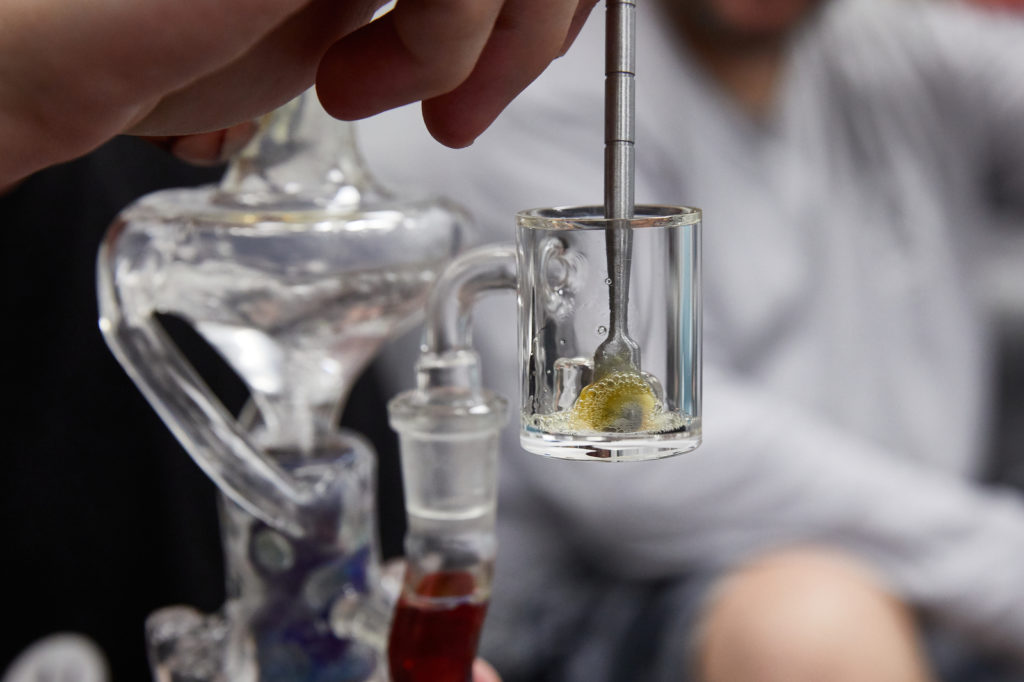
The moment heat touches the concentrate, texture starts controlling the session.
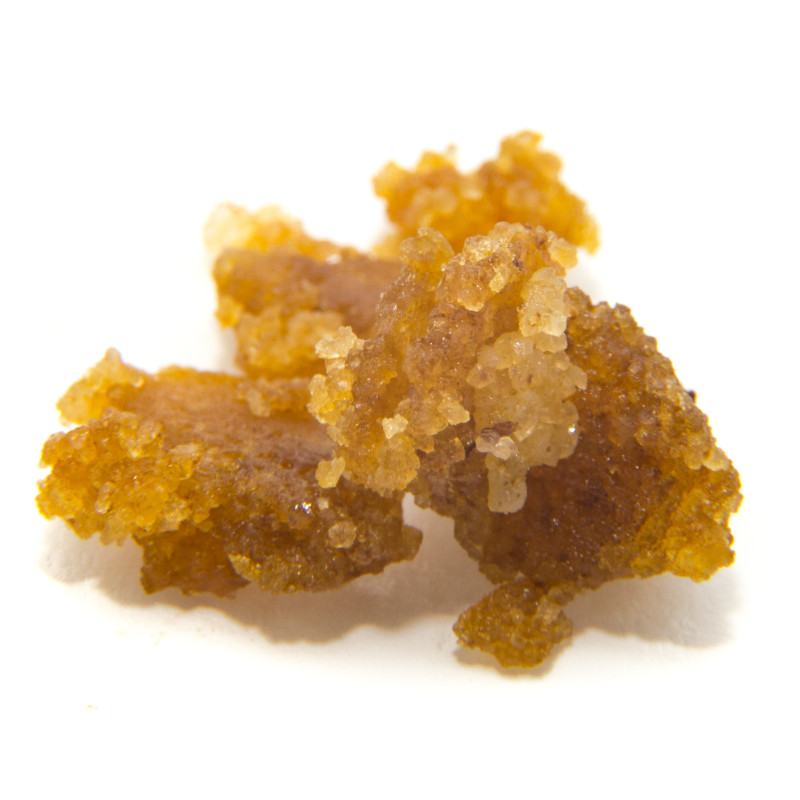
Hard crystalline concentrates resist melting at first contact. They need slightly more time to soften and liquefy, which causes vapor production to build more gradually during the beginning of the dab.
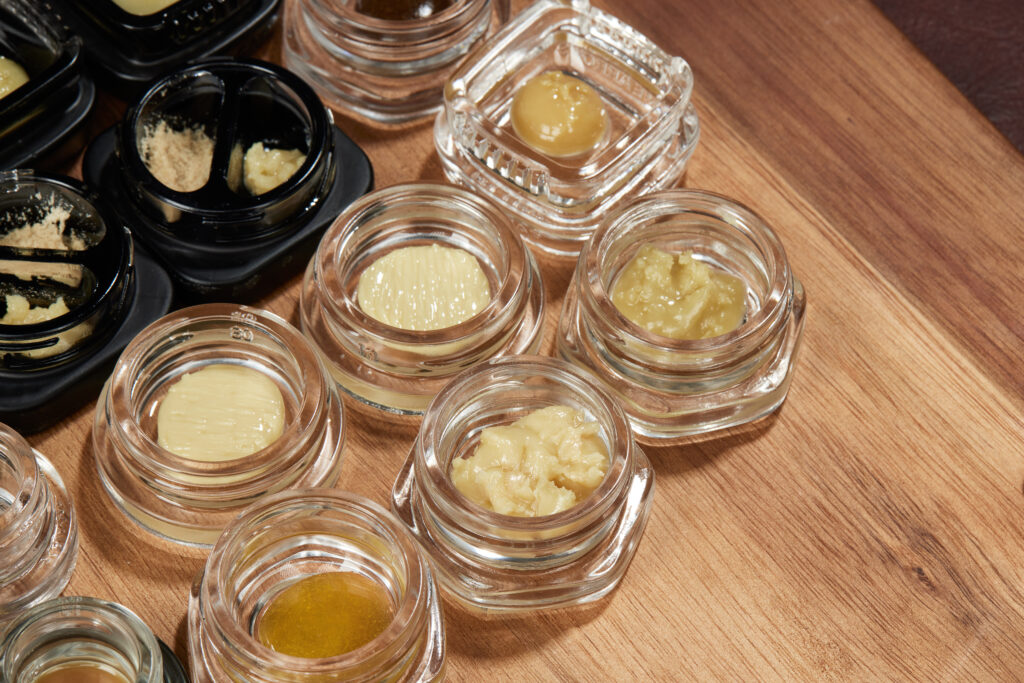
Badder behaves almost the opposite way. Its soft, whipped consistency collapses into the heated surface immediately, spreading faster and releasing terpenes earlier in the session.
Why badder tastes louder
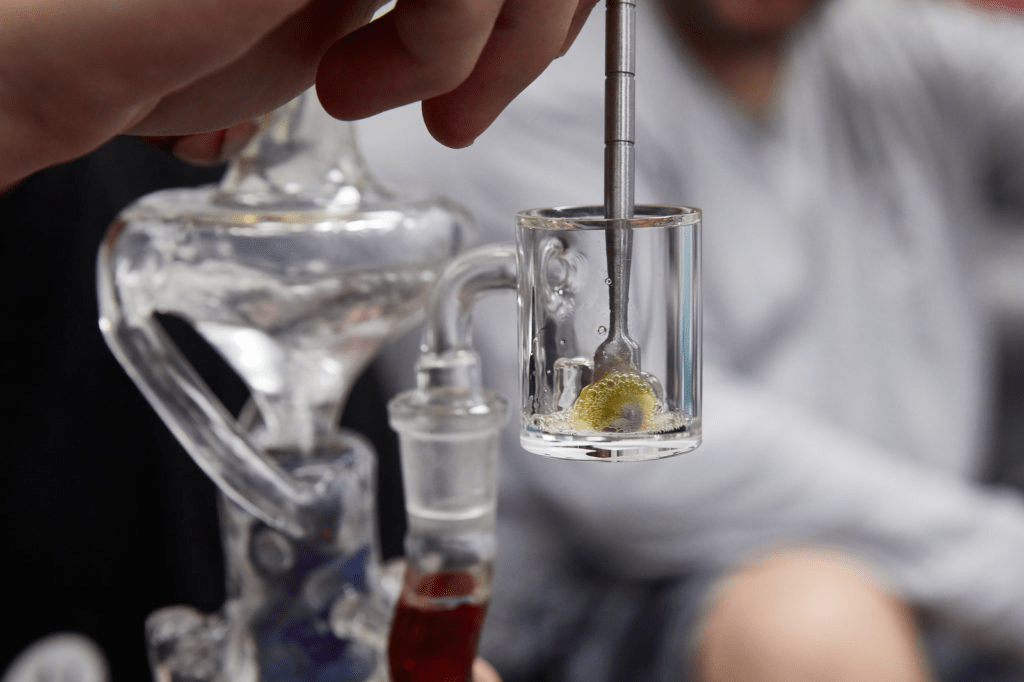 Photo by: Gina Coleman/Weedmaps
Image lightbox

Badder is built for terpene expression. The softer texture creates more exposed surface area, allowing volatile aroma compounds to release quickly once heat hits the concentrate.
That is why fresh badder often tastes louder, brighter, and more strain-specific during low-temp dabs.
You notice it especially with citrus-heavy, candy-forward, tropical, or gas-heavy terpene profiles. The flavor punches immediately instead of waiting for the puddle to fully melt first.
But there is a tradeoff. Those same volatile terpenes are also more vulnerable to heat, oxygen, and poor storage.
A terpene-rich badder can go from incredibly expressive to noticeably muted, surprisingly quick.
Where crystal-heavy concentrates gain an edge
Crystal-heavy concentrates often feel more focused and cannabinoid-forward because much of the terpene fraction is separated from the dense THCA crystal structure.
The vapor feels cleaner, steadier, and less flavor-dominant during the early part of the dab. A lot of consumers describe crystal-heavy dabs as sharper, more direct, or easier to predict from hit to hit.
Not necessarily stronger. Just more direct.
Instead of getting hit immediately with a huge terpene rush, the cannabinoids stay front and center while the flavor unfolds more gradually underneath.
That cleaner structure is one reason some people prefer diamonds or crystal-heavy extracts for repeatable dosing instead of flavor-chasing sessions.
Low temperatures magnify the difference
Lower temperatures exaggerate texture behavior.
At low temps, badder shines because the terpene layer survives longer before degrading under heat. The softer consistency melts easily and releases flavor without needing aggressive temperatures to activate the puddle fully.
That is why low-temp badder dabs often feel especially flavorful and terpene-forward.
Crystals need slightly more heat to fully open up because the dense structure melts more slowly. At very low temperatures, the dab can sometimes feel incomplete compared to softer concentrates.
Once the heat rises slightly, though, crystal-heavy concentrates become extremely clean and efficient. Different textures simply reward different temperature preferences.
Why dosing feels different between textures
Texture changes how concentrates portion onto the tool.
Crystals naturally break into defined pieces, which makes repeatable dab sizing easier. A small shard today looks pretty similar to a small shard tomorrow.
Badder behaves differently. It stretches, folds, smears, and sticks depending on temperature and terpene content. That flexibility makes small adjustments easier, but it also makes accidental oversized dabs much more common.
A scoop that looks tiny can suddenly melt into a much larger puddle once heat hits it. That physical difference changes how consumers portion concentrates, which can influence perceived consistency from session to session.
Crystals feel measured. Badder feels expressive. Even before the inhale starts.
Why freshness matters more with soft textures

Image lightbox

Soft concentrates are extremely sensitive to storage conditions. Heat, oxygen, and UV exposure slowly flatten terpenes and reshape the texture over time.
With badder, you start noticing weaker aroma, darker color, crusted edges, or dried-out texture surprisingly quickly if the jar is not stored properly.
The concentrate may still test high in THC while feeling noticeably flatter during the dab itself. That is why freshness matters so much with terp-heavy extracts.
A fresh jar with strong terpene retention often delivers a more satisfying experience than an older extract whose primary selling point is THC percentage.
Why overheating ruins each texture differently
Both textures hate excessive heat. They just fail differently.
Badder tends to burn through terpenes immediately once the temperature gets too aggressive. The flavor collapses fast, and the dab starts tasting scorched, bitter, or chemically flat.
Crystal-heavy concentrates can sometimes tolerate slightly higher temperatures before flavor degradation becomes obvious.
But once the heat gets too high, the vapor still turns rough, dry, and harsh. In both cases, reheating leftovers accelerates terpene loss and oxidation, producing a noticeably dirtier flavor. Repeated heat cycles accelerate oxidation and terpene degradation quickly.
That is why reheated dabs almost always taste dirtier than fresh pulls.
Why some concentrates feel stronger even at similar THC
A concentrate does not need higher THC to feel more intense. Texture changes vapor pacing, terpene timing, airflow behavior, and the overall sensory impact of the dab.
Badder feels louder because the flavor and vapor expansion arrive aggressively right away. That sensory intensity can create the perception of a stronger experience even when cannabinoid levels are nearly identical.
Crystal-heavy concentrates feel cleaner, steadier, and more controlled instead of explosive. That difference matters because consumers constantly confuse loud flavor with higher potency.
Why experienced dabbers stop shopping by THC alone
THC percentage reveals potency potential, but it says very little about flavor, terpene retention, melt behavior, or overall dab quality.
Two extracts with nearly identical potency can still feel completely different depending on texture, terpene retention, freshness, melt quality, and extraction style.
That is why experienced concentrate consumers pay closer attention to aroma, texture stability, melt behavior, and terpene preservation instead of chasing the biggest number on the label.
The bottom line

Hard crystals and soft badder may start from similar material, but they behave completely differently once heat enters the equation.
Badder melts fast, spreads aggressively, and releases terpenes early, which creates louder flavor and fuller vapor during low-temp dabs. Crystal-heavy concentrates melt more gradually, build vapor more steadily, and feel cleaner and more potency-forward throughout the session.
That changes flavor timing, vapor structure, dosing feel, melt behavior, and the overall vibe of the dab itself.
Once you understand how texture shapes the mechanics, shopping concentrates gets much easier than simply chasing THC percentages or hype strain names.
Find fresh badder, diamonds, and terpene-rich concentrates near you for pick up or delivery.