Joints typically preserve more terpene flavor than blunts because thin paper burns cooler and adds no tobacco compounds. Blunts burn slower but hotter, which can degrade volatile terpenes and alter smoke quality.
 Photo by: Gina Coleman/Weedmaps
Image lightbox

If flavor matters to you, the wrapper matters more than most comparisons admit. Both joints and blunts rely on combustion. But the material wrapped around your flower directly affects burn temperature, airflow, terpene survival, and what else ends up in the smoke stream.
How wrapper material changes combustion
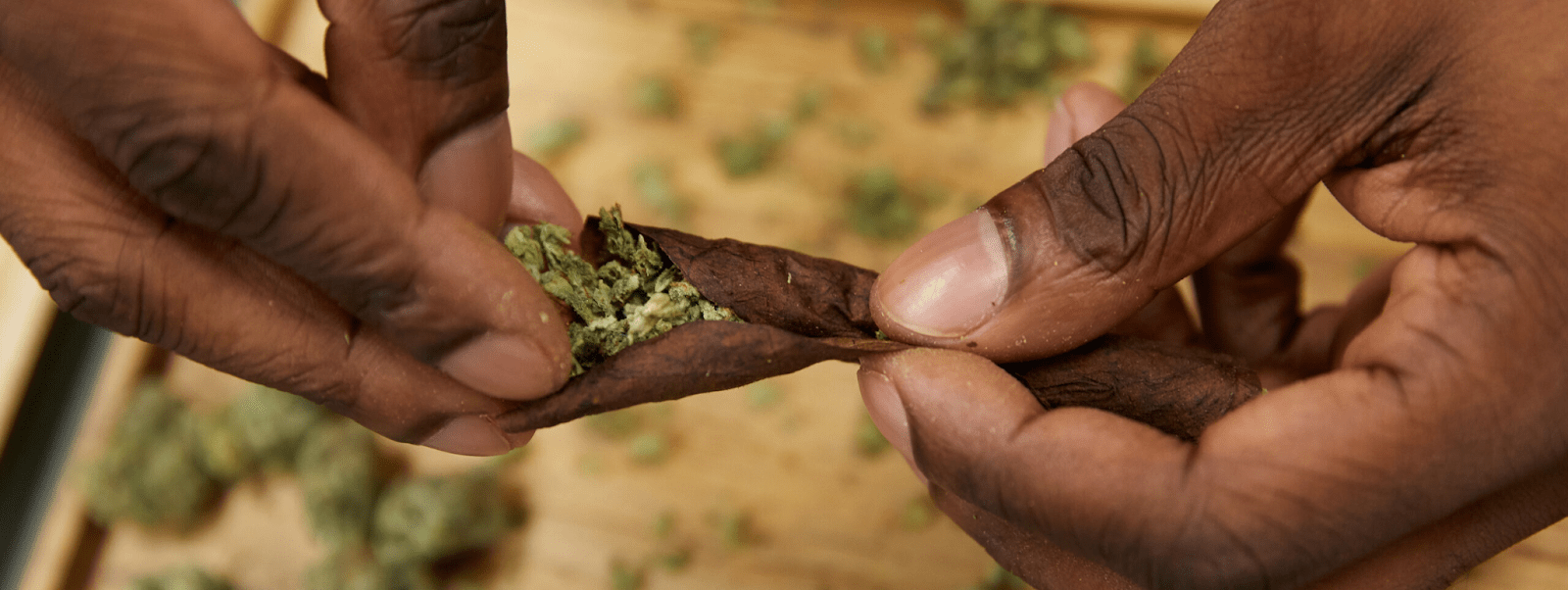
Image lightbox

Combustion temperature is the starting point. A lit cannabis tip can exceed 600°C during active draws. At those temperatures, cannabinoids activate, but volatile terpenes degrade rapidly. The wrapper influences how that heat behaves.
Thin rolling paper
Rolling papers are lightweight and designed to burn quickly and neutrally. Because the material itself combusts easily, it contributes less sustained heat to the burn zone.
That generally means:
- A slightly lower overall combustion intensity
- Less additional material burning alongside the cannabis
- Fewer competing flavor compounds
Paper acts more like a holder than an active flavor participant.
Tobacco leaf wraps
Blunt wraps are thicker and denser than paper. Tobacco requires sustained heat to burn evenly, which increases the thermal load around the flower.
That added heat can:
- Raise the average combustion temperature
- Prolong exposure of terpenes to destructive heat
- Introduce tobacco-derived compounds into the smoke
Blunts burn slower, but slower does not mean cooler. A longer session at elevated heat can degrade more volatile compounds over time.
Why terpenes are especially vulnerable
 Photo by: Photo by: Gina Coleman/Weedmaps
Image lightbox

Terpenes in cannabis are responsible for strain-specific aroma and flavor. They're also fragile. Many common monoterpenes, such as myrcene and limonene, begin volatilizing well below full combustion temperature. Some start degrading around 100–150°C. By the time the burn zone reaches peak heat, a significant portion of delicate top-note aromatics is already lost.
This creates a narrow window: You need enough heat to combust cannabinoids. But that same heat destroys the compounds that make the strain taste distinct.
Because rolling paper generally contributes less sustained heat than tobacco leaf, joints often allow slightly more terpene expression to survive the early draws.
It's not full preservation, it's relative preservation.
The first few puffs tell you everything
The clearest terpene expression usually appears in the first two or three draws. With a joint, those early puffs tend to feel brighter and more strain-accurate. The paper burns quickly and gets out of the way, allowing the cannabis profile to dominate.
With a blunt, the tobacco wrap adds its own flavor immediately. That added layer can mask subtle floral, citrus, or fruit notes, especially in terpene-forward cultivars. If you've ever smoked the same strain in both formats and noticed the blunt tasting heavier or more muted, that difference is structural.
Smoke quality: Beyond flavor
 Photo by: Gina Coleman/Weedmaps
Image lightbox

Flavor is only part of the equation. Smoke composition also changes.
Joint smoke
Joint smoke consists primarily of cannabis combustion byproducts and trace paper combustion. Modern hemp or rice papers are designed to burn with minimal interference, contributing little beyond structural support.
The result tends to feel:
- Lighter
- Crisper
- Less dense per draw
Blunt smoke
Blunts introduce tobacco leaf into the combustion process. Even if the cigar filler is removed, the wrap itself contains nicotine and tobacco compounds. When it burns, those compounds become part of the smoke stream.
This leads to:
- Denser smoke
- Heavier mouthfeel
- Additional combustion byproducts
Some consumers prefer that fuller texture. Others find it harsher, especially over longer sessions.
The nicotine factor
Nicotine exposure is a meaningful distinction.
Cigar wraps used for blunts contain measurable nicotine levels. That exposure persists even after the filler tobacco is removed. For consumers who intentionally avoid tobacco products, this is an important consideration. A blunt is not nicotine-free simply because it contains cannabis inside.
Joints rolled with paper contain no tobacco-derived nicotine. If “cleaner smoke” means avoiding tobacco compounds altogether, joints have a clear structural advantage.
Burn rate vs heat: A common misconception
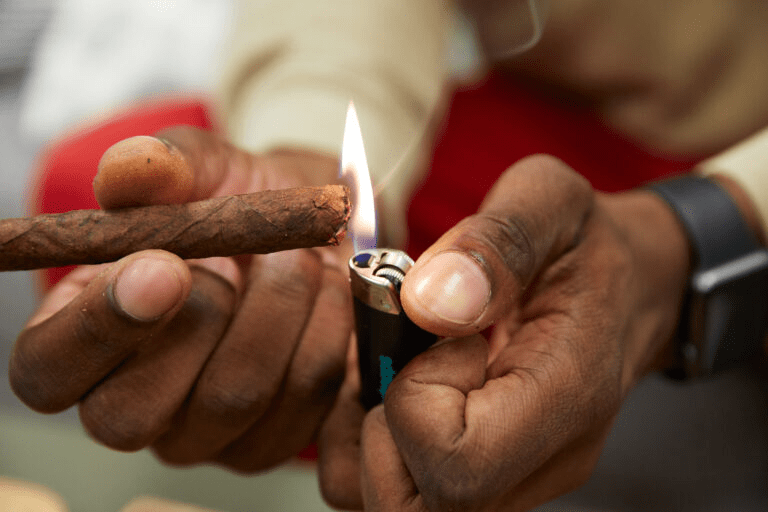
Image lightbox

Blunts burn slower than joints. That's true. But burn rate and combustion temperature are separate variables.
A blunt burns slowly because the wrap is thicker and denser, not because it burns cooler. In fact, the sustained combustion required to keep tobacco leaf lit can maintain elevated temperatures for longer stretches of time.
That prolonged heat exposure increases cumulative terpene degradation. A joint may burn faster, but the thinner paper contributes less sustained thermal intensity overall.
When the goal is terpene clarity, cooler and cleaner tends to outperform slower and heavier.
When a blunt still makes sense
Blunts aren't “wrong.” They simply optimize for different priorities.
Blunts often make more sense when:
- You want a slower group session
- Flavor precision isn't the top priority
- You prefer denser smoke texture
The cultural appeal of blunts is real, and many consumers enjoy the layered tobacco-cannabis profile intentionally. But if the question is strictly about terpene preservation and cleaner smoke composition, joints generally align better with those goals.

The bottom line
If you're chasing terpene clarity and a cleaner-tasting session, joints typically have the edge. Thin rolling papers contribute less sustained heat and no tobacco compounds. That gives volatile terpenes a slightly better chance of surviving combustion and reaching your palate intact.
Blunts burn longer and deliver denser smoke, but the tobacco wrap alters both flavor and chemical composition. The right choice depends on what you're optimizing for:
Flavor precision? Joint. Extended social burn? Blunt. Understanding the mechanics lets you decide intentionally.
Shop flower and pre-rolls for pickup or delivery from a dispensary near you on Weedmaps.