Image lightbox

Joint harshness comes from heat, particulate matter, and dry smoke. Slower draws, controlled lighting, mouth-to-lung inhalation, proper pacing, and simple filtration changes can significantly reduce throat irritation during a session.
When a joint feels harsh, it's usually because combustion temperature is running too high, smoke is moving too fast, or moisture balance is off. The fix isn't holding your breath or coughing harder. It's adjusting how the smoke is created and how it moves.
Here's what actually reduces irritation, mechanically, not mythically.
Why joints feel harsh in the first place
Three primary factors contribute to throat irritation:
- Thermal load (heat exposure)
- Particulate density
- Airway dehydration
The lit tip of a joint can exceed 800°F during active combustion. While smoke cools as it travels down the paper, aggressive draws increase oxygen flow and temporarily spike burn temperature. Hotter combustion creates hotter smoke and more combustion byproducts.
At the same time, smoke carries fine particles. Larger particles tend to impact and deposit in the mouth and throat first. Faster inhalation increases the force of that impact.
Finally, the smoke is dry. Each puff strips a thin layer of moisture from airway tissue. As tissue dries, sensitivity increases. That's why irritation tends to build across a session instead of appearing instantly.
Reducing harshness means reducing one or more of those three triggers.
Control temperature at ignition
How you light a joint sets the baseline burn temperature.
Instead of torching the entire tip at once, apply flame to one edge and rotate slowly. This encourages a smaller initial cherry rather than igniting the full face of the joint.
Why that matters:
- A smaller cherry generates less total heat
- Lower combustion intensity produces cooler smoke
- Even ignition reduces repeated relights (which spike temperature)
Full-face ignition creates a large, bright cherry immediately. Larger cherries radiate more heat down the rolling paper and into the surrounding flower. That excess heat translates directly into harsher smoke on the first few pulls.
A controlled, gradual light produces a more stable starting point.
Puff technique matters: how to make a joint less harsh

Image lightbox

Once lit, airflow becomes the dominant variable.
Slow draws reduce temperature spikes
Short, aggressive pulls introduce more oxygen into the combustion zone. More oxygen increases burn intensity and heat output. That produces hotter, denser smoke.
Instead, aim for a slow 3–5 second draw. You should feel steady resistance, not suction. Slower airflow keeps the cherry smaller and limits temperature escalation between pulls.
Mouth-to-lung cools smoke before it hits your throat
Direct-to-lung inhalation sends smoke straight from the joint into your lungs with minimal mixing.
Mouth-to-lung changes that pathway:
- Draw smoke into your mouth first
- Pause briefly
- Inhale gently with fresh air
That pause allows smoke to mix with cooler ambient air before traveling deeper. Even a small dilution lowers perceived heat significantly.
This technique alone often reduces coughing for people who experience irritation.
Pacing prevents cumulative heat buildup
Even perfect technique can become harsh if puffs are stacked too closely.
Every draw increases cherry temperature. Back-to-back pulls don't allow the combustion zone to stabilize.
Waiting roughly 15–30 seconds between puffs allows:
- Cherry size to shrink naturally
- Rolling paper to cool
- Airway tissue to rehydrate slightly
This is about letting visible heat intensity decrease before reintroducing airflow. If the cherry glows bright orange without you drawing on it, the joint is still running hot.
Let it settle.
Flower condition affects harshness

Image lightbox

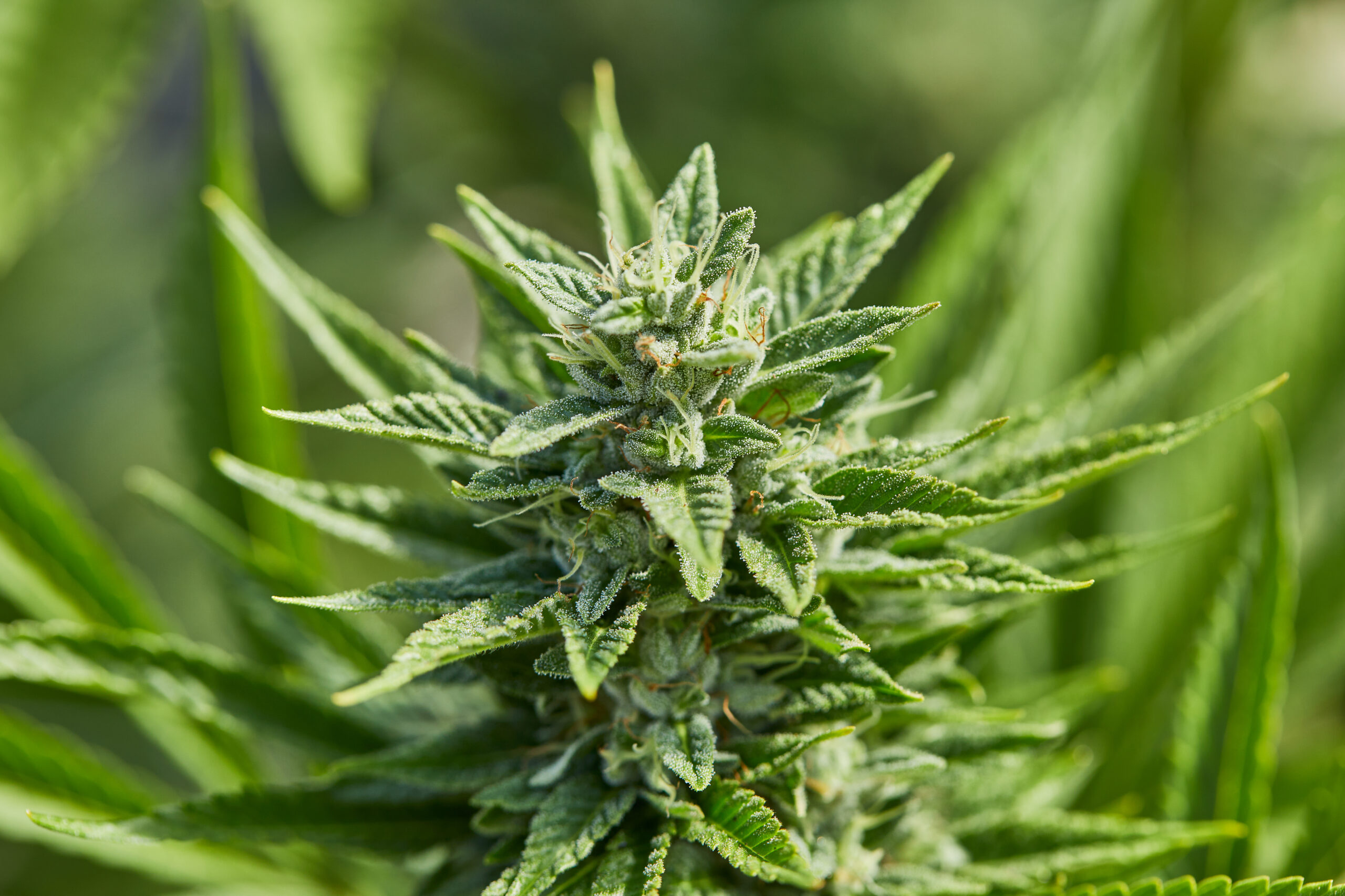
Dry flower burns faster and hotter. Excessively dry pre-rolls often produce sharper, more abrasive smoke because combustion accelerates.
Properly stored flower, typically kept around 58–62% relative humidity, maintains better moisture balance. That doesn't eliminate smoke irritation entirely, but it reduces rapid combustion and paper scorching.
If a joint feels unusually harsh, dryness may be contributing. Moisture balance influences burn speed, and burn speed influences temperature.
What filter tips actually do
A cardboard crutch is not a high-efficiency filter, but it does serve mechanical functions.
It:
- Blocks larger plant fragments and ash
- Stabilizes airflow
- Prevents loose debris from reaching your mouth
While fine smoke particles pass through, the removal of larger debris reduces scratchiness and immediate irritation.
A tightly rolled, structurally sound filter improves draw stability. If it collapses, airflow becomes inconsistent and can increase harshness.
When to consider additional filtration
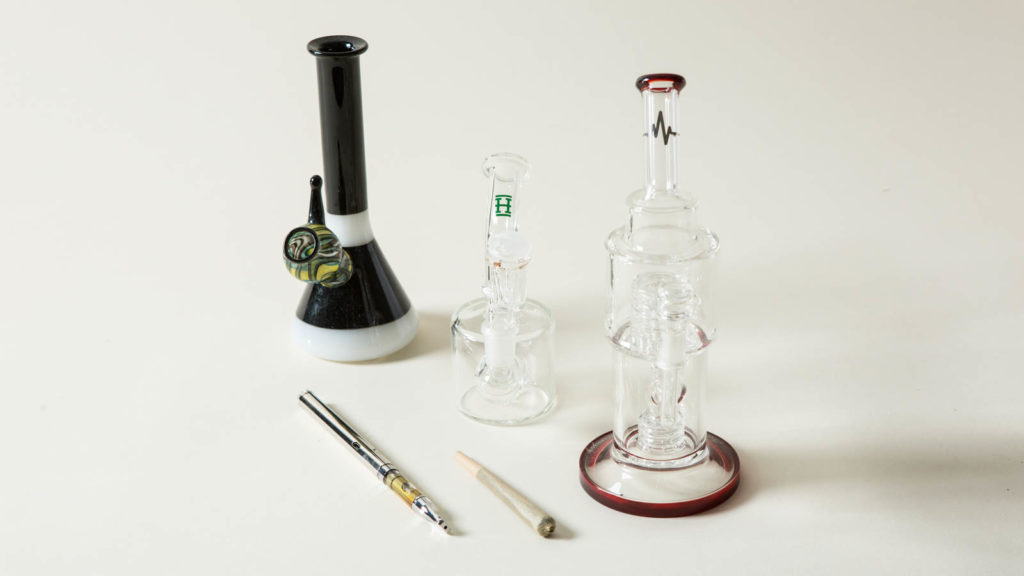
If technique adjustments still leave sessions uncomfortable, water filtration is the next variable to consider.
Passing smoke through water:
- Lowers temperature
- Removes some particulate matter
- Increases humidity of inhaled smoke
Water filtration does not eliminate all irritants, but it reduces thermal load significantly compared to dry combustion through paper alone.
For consumers sensitive to throat irritation, this mechanical cooling step can make a noticeable difference.
Recognizing when heat is the problem
Visual cues help.
If:
- The cherry becomes unusually large
- The paper darkens well ahead of the burn line
- Smoke feels sharply hot on the lips
The joint is running too hot. The solution is reducing airflow and allowing temperature to drop. Harshness is often a heat management issue more than a potency issue.
The bottom line

Joint harshness is driven by heat, particulate density, and moisture loss.
You can reduce irritation by:
- Lighting gradually
- Taking slower draws
- Using mouth-to-lung inhalation
- Spacing puffs
- Maintaining proper flower storage
- Adding filtration if needed
Small adjustments in airflow and pacing often make a bigger difference than switching strains or increasing tolerance. Smoke will never be identical to vapor in smoothness, but combustion doesn't have to feel punishing.Shop high-quality joints for pickup or delivery from a dispensary near you.