 Photo by: Gina Coleman/Weedmaps
Image lightbox

Different smoking methods determine how much THC and terpene flavor you actually inhale. Combustion temperature, airflow, and water filtration all affect cannabinoid delivery and taste. Here's how joints, pipes, and bongs compare.

Image lightbox

The strain matters. But how you smoke it matters just as much.
Two people can use the same flower and walk away describing completely different flavor and intensity. The difference is heat, airflow, and filtration.
Here's how common smoking methods change what reaches your lungs, and what gets destroyed along the way.
Why temperature controls flavor and potency
Cannabis compounds vaporize at specific temperatures. Combustion, however, exceeds most of them.
Terpene boiling points vs. combustion heat
Many common terpenes vaporize between 300–400°F (150–200°C):
- Myrcene: ~332°F (167°C)
- Limonene: ~349°F (176°C)
- Linalool: ~388°F (198°C)
Meanwhile, the burning tip of a joint or bowl can reach temperatures above 900°C.
That gap matters.
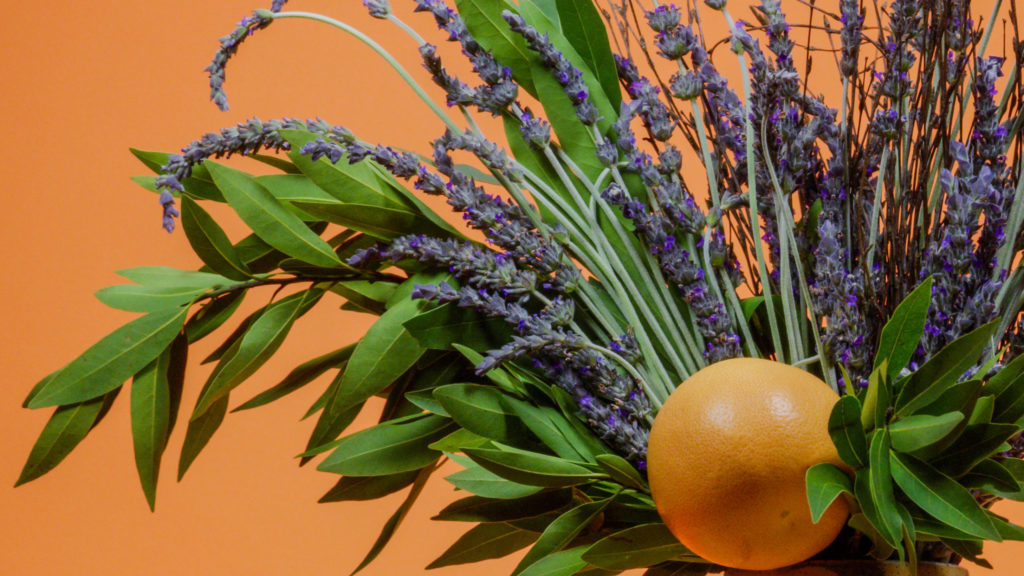
The compounds responsible for citrus, pine, floral, or sweet notes often vaporize just ahead of the flame. Once full combustion takes over, pyrolysis breaks down many delicate molecules before they can be inhaled.
You don't taste what burns. You taste what vaporizes before it does.
Cannabinoid loss during combustion
Combustion is inherently inefficient because it exposes cannabinoids to temperatures far above their optimal vaporization range. When the burning tip of a joint reaches too high temperatures, part of the THC cannabinoid is thermally degraded before it can aerosolize.
Another portion is carried away in sidestream smoke, the smoke that rises from a lit joint between puffs, meaning it never passes through the user's lungs. Additionally, incomplete inhalation and residual cannabinoids trapped in ash further reduce total delivery.
For these reasons, smoking efficiency varies widely depending on method and technique.
Exact percentages vary depending on method and technique, but delivery efficiency is always lower in combustion compared to controlled vaporization.
Joints and blunts: continuous combustion
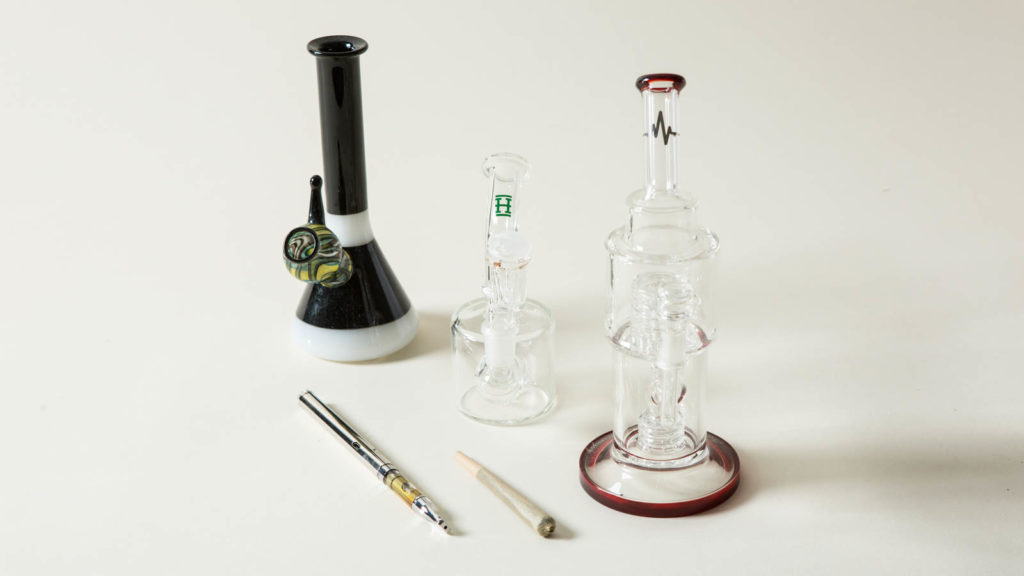
Joints and blunts are popular because they're simple and social. But they're the least controlled method.
Continuous burn = continuous loss
A joint burns whether you're inhaling or not.
That means:
- Terpenes evaporate between puffs
- THC is lost in sidestream smoke
- The cherry remains at high temperature
The aroma filling the room? That's flavor leaving the product.
Why the first hit tastes best
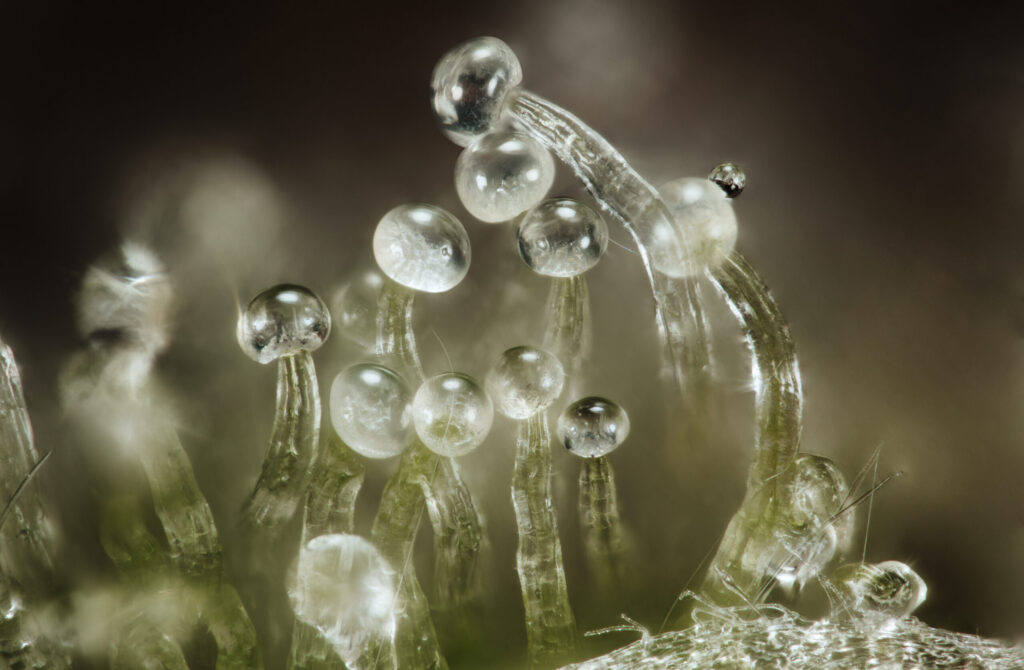
The outermost trichomes on fresh flower haven't been exposed to sustained heat yet.
The first draw:
- Releases intact terpenes
- Hits material that hasn't carbonized
By the third or fourth puff, smoke passes through resin-coated paper and partially combusted plant matter. Flavor flattens, and harshness increases.
Wrap material changes taste
- Thin hemp or rice papers interfere minimally
- Tobacco-based blunt wraps introduce their own dominant flavor
- Flavored wraps can mask subtle terpene notes entirely
If flavor is your priority, thinner and unflavored papers preserve more strain identity.
Glass pipes: direct, on-demand heat
Pipes eliminate continuous burn. Heat is applied only when you inhale.
That alone improves efficiency.
Bowl size affects delivery
Smaller bowls:
- Limit how much flower is exposed to flame
- Preserve unburned material
- Deliver more distinct first-hit flavor
Larger bowls create sustained high-temperature zones, increasing terpene destruction.
Corner-lighting preserves flavor
Instead of igniting the entire surface, lighting only one edge:
- Keeps part of the bowl fresh
- Reduces total heat exposure
- Extends flavor clarity across multiple hits
It's a small technique shift with noticeable results.
Clean glass matters
Resin buildup:
- Adds stale, bitter undertones
- Alters airflow
- Increases harshness
Regular cleaning restores neutral flavor. Glass is inert, residue is not.
Bongs and water pipes: smoother but filtered
Water pipes cool smoke before inhalation. That changes both feel and flavor.
What water actually removes
Water filtration:
- Catches ash and particulate matter
- Cools smoke rapidly
- Does not dissolve cannabinoids (they're not water-soluble)
However, rapid cooling can cause some volatile compounds to condense before inhalation.
When smoke passes through water, it cools rapidly. Cannabinoids themselves are not water-soluble, so they do not dissolve into the bong water in meaningful amounts. However, the temperature drop changes the physical behavior of the aerosol. Some volatile terpenes can condense back into liquid droplets or adhere to internal glass surfaces before inhalation.
The result is smoother smoke, but often slightly muted aromatic intensity. The loss is driven by condensation dynamics, not dissolution into water.
More percolation = more surface area = more opportunity for condensation and flavor loss.
If flavor is your priority, simpler single-chamber setups preserve more terpene character than multi-perc designs.
Airflow and draw speed matter more than most people think
Your inhale controls oxygen exposure.
- Slow, steady draws → lower peak combustion temperature
- Hard pulls → more oxygen → hotter cherry
Hotter combustion destroys more volatile compounds. The same flower can taste dramatically different depending on how aggressively you inhale.
Your technique is effectively a temperature dial.
Flower quality sets the ceiling
If you're evaluating smoking methods, start by sourcing terpene-rich, properly stored flower. The device can't elevate material that's already degraded.
High-terpene flower delivers better results across all methods. Low-terpene flower will taste muted regardless of device.
Look for:
- Clear aroma on opening
- Recent packaging dates
- Proper storage (airtight, cool, dark)
Terpenes degrade over time, especially with heat and light exposure.
Freshness affects every smoking method equally.
Which method delivers the most cannabinoids?

Image lightbox

No combustion method captures cannabinoids with perfect efficiency, but differences in heat control and idle burn create predictable patterns in delivery.
Combustion efficiency varies, but general patterns hold:
- Joints lose cannabinoids to sidestream smoke
- Pipes improve capture by eliminating idle burn
- Tube bongs may feel stronger due to larger inhalation volume
- Technique influences delivery more than device alone
No smoking method captures 100% of available THC. Heat loss and destruction are inherent to combustion.
If maximizing cannabinoid preservation is the primary goal, vaporization (not covered here in depth) typically offers greater control over temperature.
Flavor vs. intensity: choose your priority
If flavor is your focus:
- Use fresh, high-terpene flower
- Choose glass over wraps
- Keep bowls small
- Inhale gently
- Clean your device regularly
If intensity is your focus:
- Larger hits
- Greater airflow
- Larger bowls or water filtration
But intensity often comes at the expense of subtle flavor notes.
The bottom line
Different smoking methods change:
- Combustion temperature
- Oxygen exposure
- Terpene survival
- Cannabinoid delivery efficiency
Joints prioritize convenience. Pipes prioritize control. Bongs prioritize smoothness. And the best method depends on what you value most, flavor clarity or hit intensity.
Start with fresh, terpene-rich flower. Then choose the method that supports the experience you're after. Shop flower for pickup or delivery from a dispensary near you.