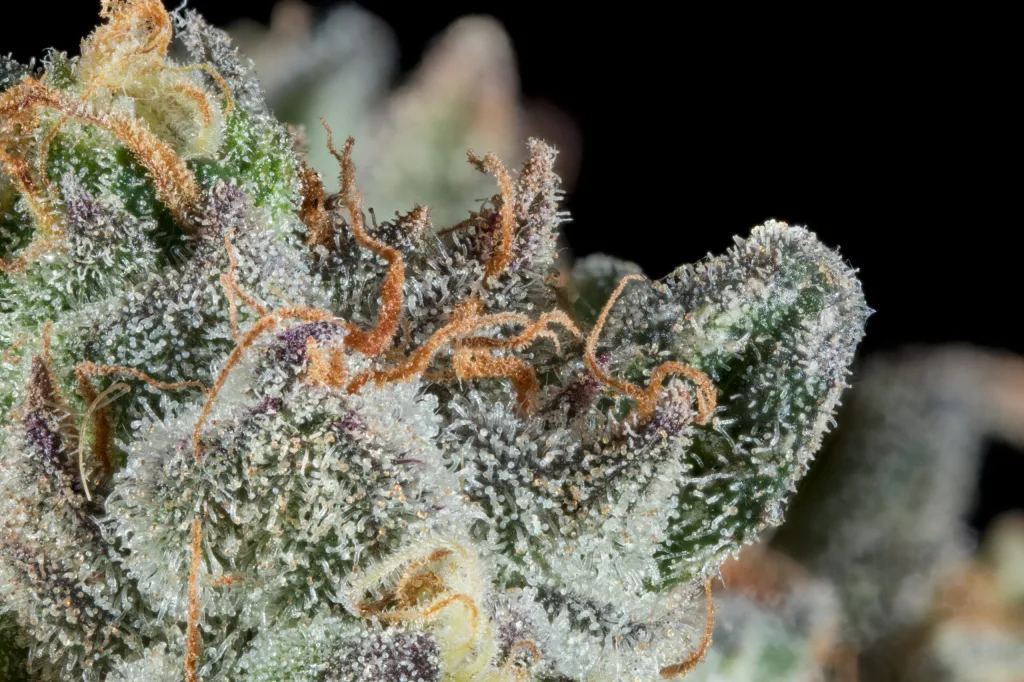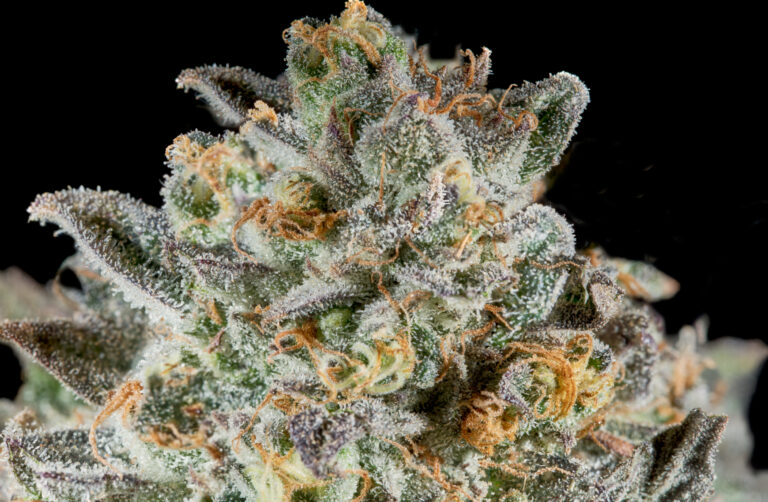
Orange hairs are cannabis stigmas, the pollen-catching tips of the female flower. Their shift from white to orange can reflect later development, but it does not reveal how much THC the bud contains.
 Photo by: Gina Coleman/Weedmaps
Image lightbox

Orange hairs give cannabis serious bag appeal, and shoppers have loaded that color with meaning. A bud threaded with copper pistils can look ripe, potent, and top shelf. The color proves none of it.
What those hairs can tell you is narrow. Genetics set the palette, and pollen, heat, stress, handling, and age can all push stigmas darker. If you want to judge flower, stop counting orange strands and start checking trichomes, aroma, cure, and lab results.
What are the orange hairs on weed?
Everyone calls them pistils. That works in the smoke circle, but botany gets more specific.
The pistil is the female flower's reproductive structure. It includes the ovary, style, and stigma. The visible hair is the stigma, the sticky pollen-catching tip that reaches out from the flower.
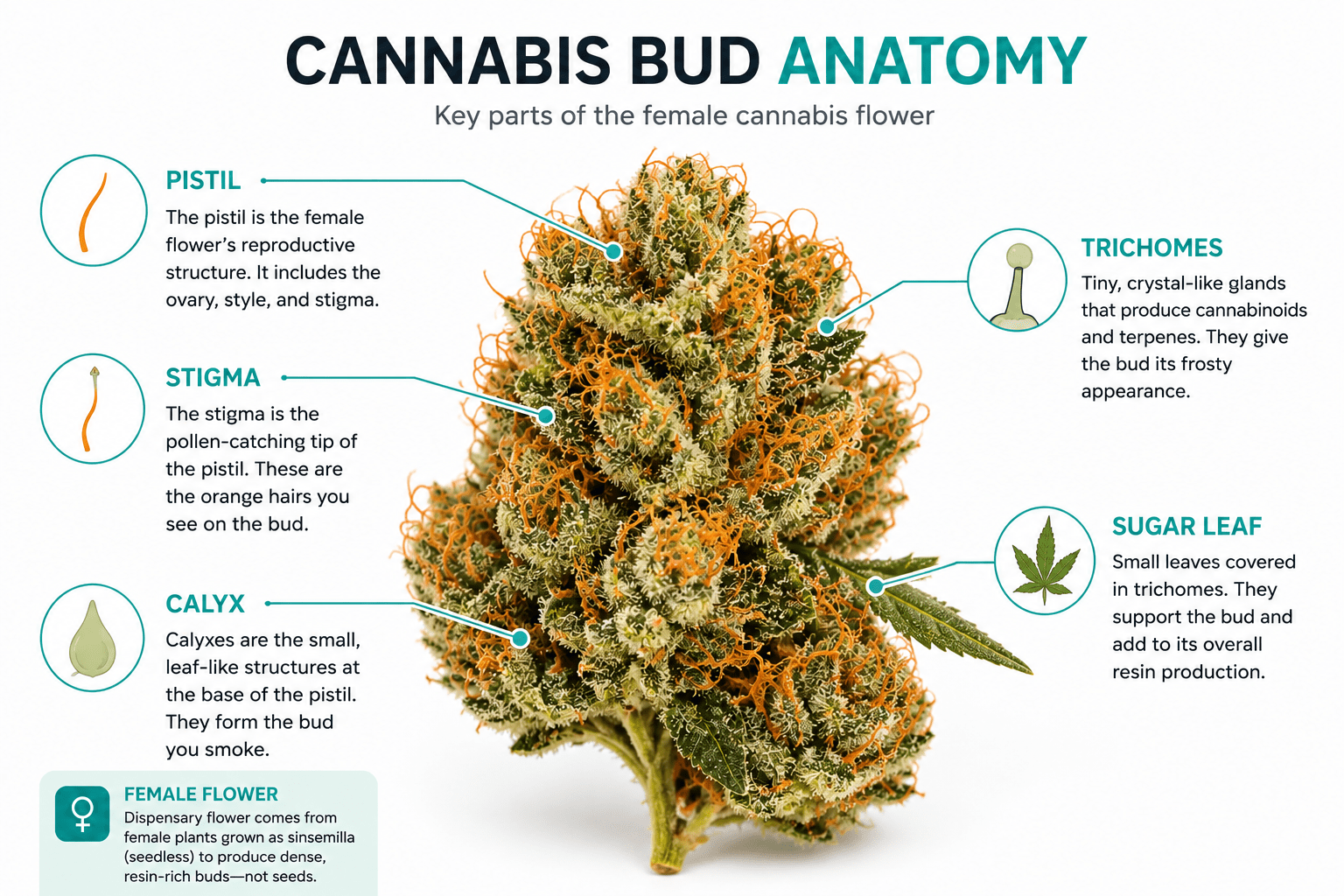
Image lightbox

Cannabis is typically dioecious, meaning male and female flowers grow on separate plants. The buds sold at dispensaries come from female cannabis flowers, and most commercial flower is grown as sinsemilla, or seedless cannabis. Growers block pollen from reaching the stigmas, so the ovules do not develop into seeds.
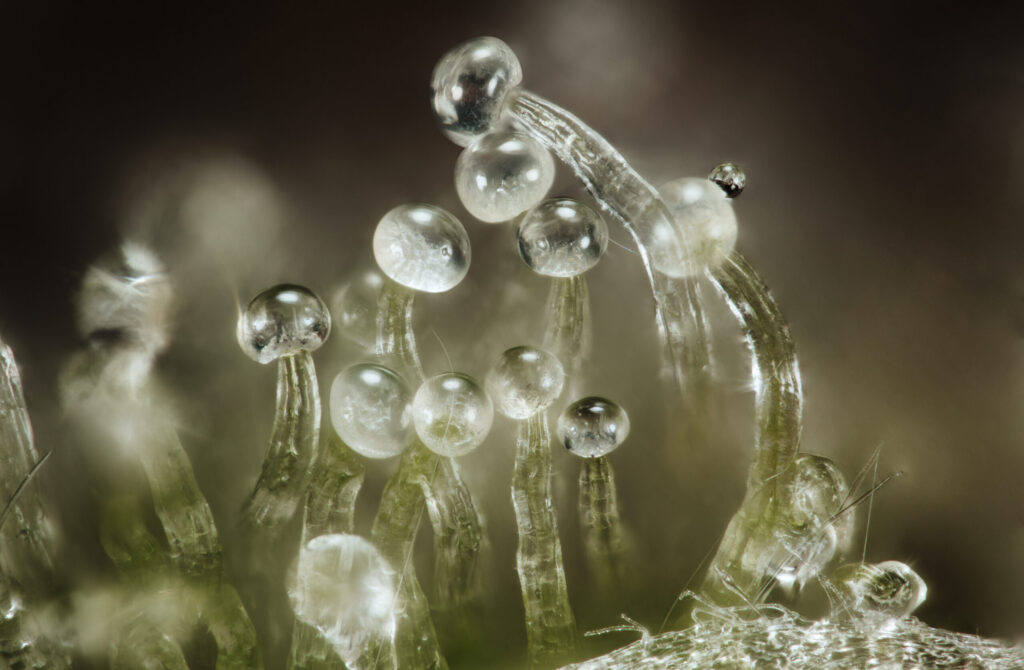
The resin comes from a different part of the flower. Glandular trichomes spread across the bracts and surrounding plant tissue, building the cannabinoids and terpenes that shape potency, aroma, and flavor. Pistils handle reproduction. Trichomes make the goods.
Why do the hairs turn orange?
Cannabis pistils don't stay the same color forever. They emerge pale white or cream early in flowering, then gradually shift through shades of orange, red, and eventually brown as the flower matures. The exact timing varies, but the color change is a normal part of the plant's development.
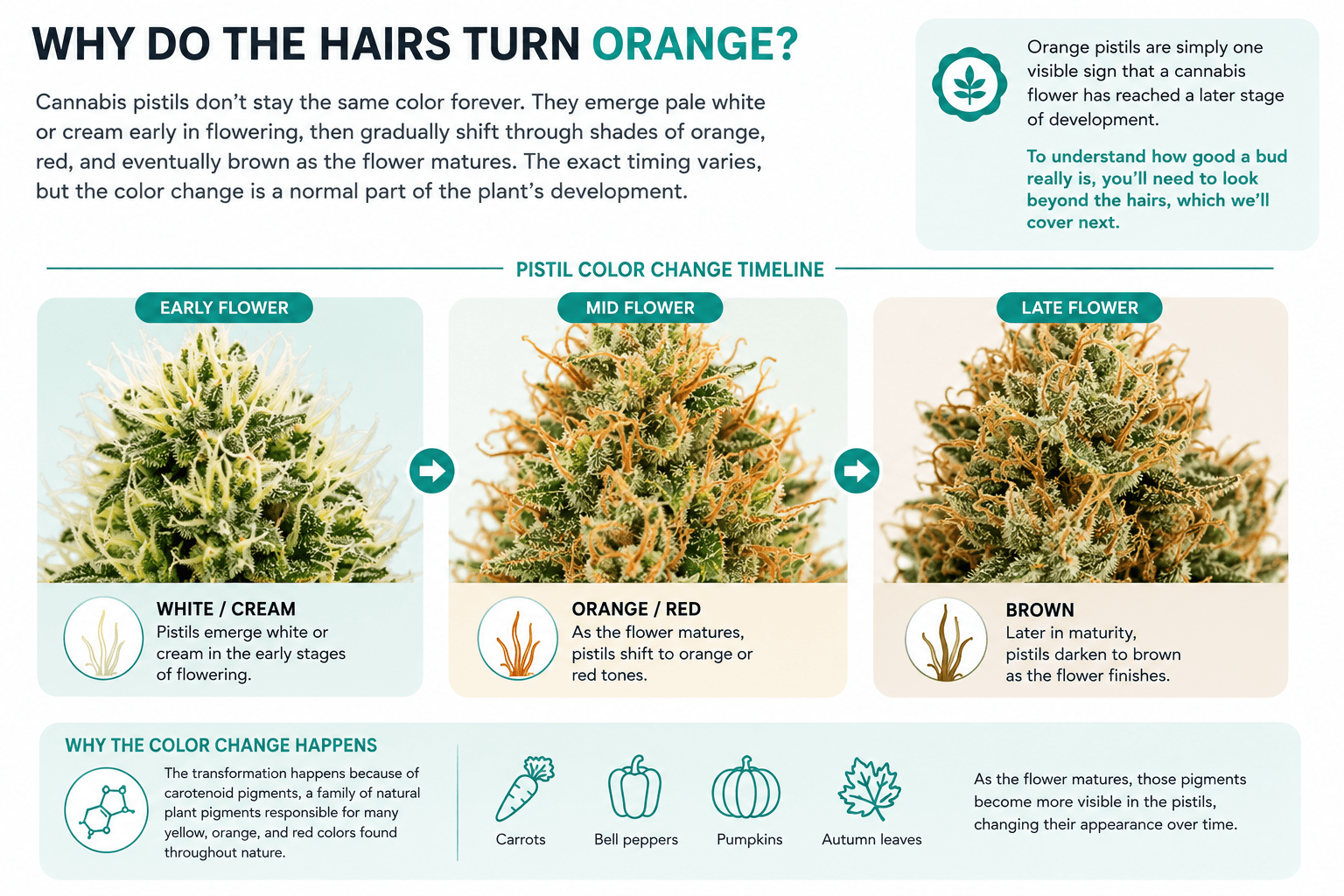
Image lightbox

Color does not run on a universal timer. One cultivar may throw bright orange hairs early, while another stays white deep into flowering. Genetics set the palette, and growing conditions help decide how vivid that palette becomes.
Here is where a popular explanation gets ahead of the evidence. Carotenoid pigments produce yellow and orange colors throughout the plant kingdom, and researchers have documented that chemistry in orange flowers such as tiger lilies. That study does not prove carotenoids cause orange cannabis stigmas. Peer-reviewed cannabis research has not nailed down the pigment mechanism cleanly enough to call that case closed.
Maturity is not the only trigger, either. Pollination, heat, physical contact, environmental stress, and damage can make stigmas darken, curl, or shrivel. Orange hairs can point toward later flower development, but they are not a foolproof harvest clock.
Do orange hairs mean the weed is stronger?
No. Full stop.
Pistils catch pollen. THC and other cannabinoids come from glandular trichomes, the resin glands frosting the flower. Those glands also produce and store many of the terpenes behind cannabis aroma and flavor.
THCA synthase, the enzyme that helps produce THCA, is expressed in glandular trichomes and functions in their storage cavities. That is the chemistry behind the frost, not the orange.
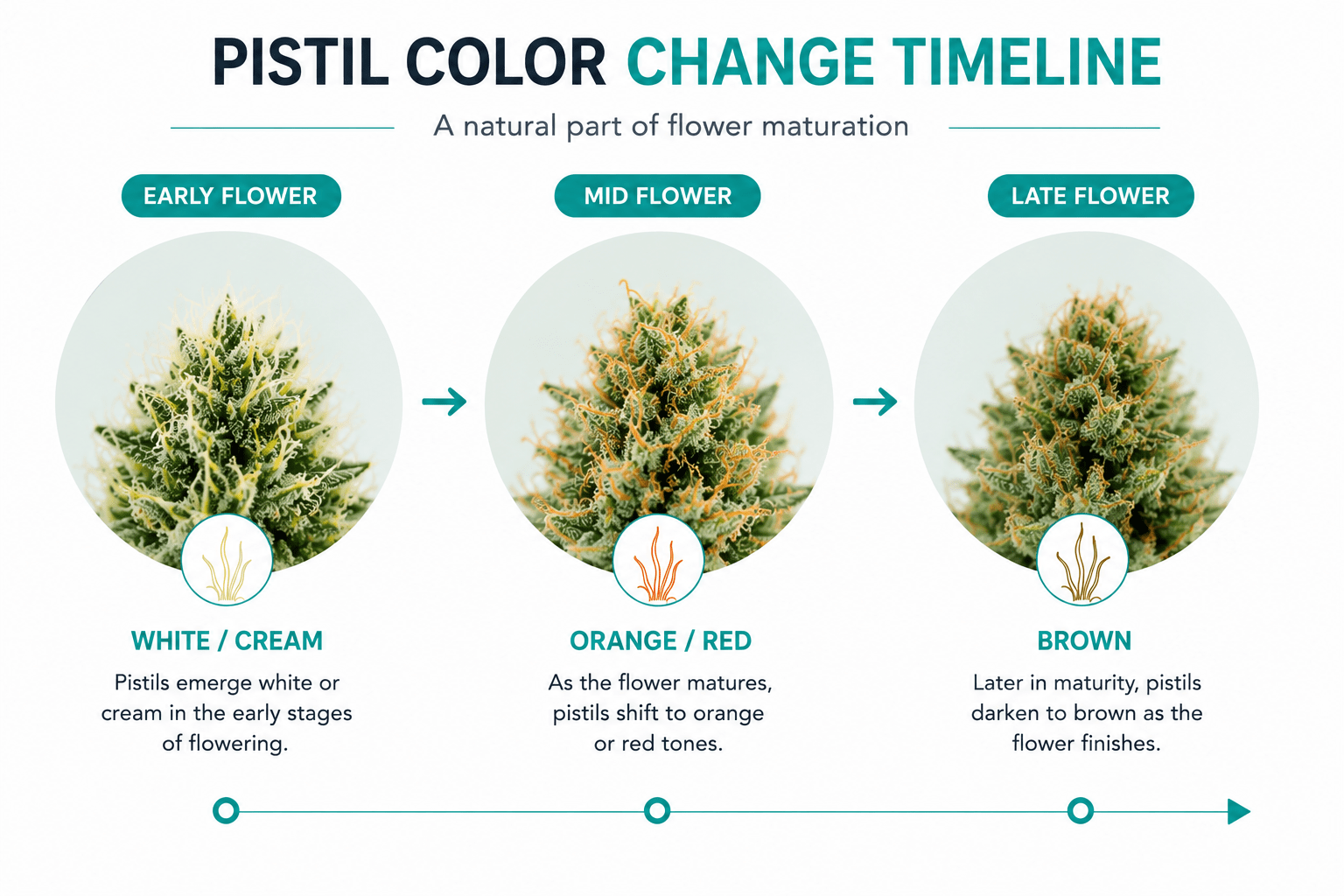
Image lightbox

Growers inspect trichome development when tracking harvest readiness. Testing laboratories measure cannabinoids when determining potency. Nobody serious counts orange hairs and calls it a THC test.
The myth survives because mature buds frequently show more orange, red, or brown stigmas than young flowers. But maturity and potency are different questions. A bud can be buried in orange hairs and test low. Another can show fewer orange hairs and hit like a truck.
For actual potency information, learn how to read a cannabis COA and check the product's cannabinoid profile.. When inspecting the flower, pay attention to the cannabis trichomes, not the pistil color.
Are orange hairs on weed good or bad?
Neither. They are normal.
Orange hairs tell you the flower developed stigmas and those stigmas changed color. They do not prove the bud is potent, flavorful, fresh, properly cured, or clean.
Strong flower can have pale pistils. Weak flower can be packed with orange. A camera-ready bud can still smoke flat, and an ugly nug can surprise you.

Image lightbox

Judge the full flower instead. Look for healthy trichome coverage, a distinct aroma, appropriate moisture, and a clean trim. Check the packaging date, cannabinoid panel, and contaminant results when they are available. Those details carry weight. Pistil color mostly carries looks.
Cultivators also inspect whether trichome heads are clear, cloudy, or amber when judging flower development. Even that is one clue, not a magic decoder ring. Quality comes from genetics, cultivation, harvest timing, drying, curing, storage, and testing working together.
Do dark orange hairs mean PGR weed?
No. Dark pistils are not a chemical test strip.
Some consumers treat dense buds with heavy orange or brown hairs as proof that plant growth regulators were used. The shortcut falls apart under scrutiny. Genetics, maturity, heat, handling, and cultivation choices can create the same look.
“PGR” is also a broad label. Plant growth regulators include natural plant hormones and synthetic compounds used to influence growth. The real concern is the use of unapproved substances and the residues they may leave behind, not the acronym by itself.
A study of California medical cannabis concentrates purchased between 2012 and 2013 detected paclobutrazol in 22.8% of the sampled concentrates. A separate smoking study tested contaminated plant material and found that some pesticide and paclobutrazol residues transferred into mainstream smoke, with recovery reaching as high as 69.5% under one test condition.
Those studies establish a legitimate residue concern. They do not establish a visual connection between paclobutrazol and orange pistils. You cannot confirm chemical exposure by eyeballing a nug.
Regulators do restrict specific growth regulators. Washington lists paclobutrazol and daminozide among the substances prohibited in cannabis production, while the EPA states that daminozide has no registered food uses.
The move is simple: buy from licensed retailers and check regulated testing information. Leave the pistil detective work to internet folklore.
What about orange weed strains?
Weed with orange hairs and “orange” cannabis strains are not the same category.
Female cannabis flowers develop stigmas regardless of what the strain is called. A cultivar with “orange” in its name may reference citrus aroma, orange flavor, bright coloration, genetics, or straight-up branding.
Vivid pistils can be part of a cultivar's signature look. They still do not predict THC content or how the flower will feel.
If citrus is what you're chasing, browse our guide to orange cannabis strains, where you can compare genetics, aromas, and user-reported experiences.
Frequently asked questions
What does orange hair mean on weed?
Orange hairs show that the flower's stigmas have changed color. That frequently happens as the flower develops, but pollen, heat, stress, handling, and damage can also darken them.
Should weed have orange hairs?
Yes. Mature cannabis flower commonly develops orange, red, or brown pistils over time. Younger flowers often have lighter-colored or white pistils, and both can be perfectly normal depending on the flower's stage of development.
Does more orange mean better weed?
No. More orange hairs don't mean a flower is stronger or higher quality. Potency comes from cannabinoids produced in the trichomes, while quality is better judged by factors such as aroma, trichome development, proper curing, and lab testing when available.
Why are my pistils turning orange?
Color change is commonly attributed to carotenoid pigments, though the exact mechanism in cannabis stigmas specifically hasn't been established in peer-reviewed research.
What are the orange things on my weed?
The orange strands on a cannabis bud are pistils, the female flower's reproductive parts. More specifically, the visible strands are the stigmas, which are the pollen-catching tips of each pistil.
The bottom line
Orange hairs are a normal part of a mature cannabis flower. They're the flower's pistils, and while they can tell you the bud has reached a later stage of development, they don't measure potency or overall quality.
When you're evaluating flower, look beyond the hairs. Aroma, healthy trichomes, a proper cure, and verified lab testing where it's available all provide a more complete picture of what you're buying. Most importantly, shop with licensed retailers that are transparent about their products and testing.
Ready to find quality cannabis near you? Find dispensaries near you on Weedmaps, or explore more cannabis education, strain information, and product guides to shop with confidence.