 Photo by: Gina Coleman/Weedmaps
Image lightbox

Somewhere along the way, cannabis got reduced to a scoreboard. If the number's higher, it must be better — right? That's the logic. But if you're shopping based on THC percentage alone, you're missing most of what actually determines quality. THC is only one compound in a much bigger chemical conversation. Treating it like the sole marker of quality ignores terpenes, minor cannabinoids, cultivation skill, curing discipline, and how the flower was handled before it ever hit a jar.
Plenty of seasoned consumers will tell you the same thing: a well-grown 20% strain with loud terpene expression can feel richer and more satisfying than a dry, 32% batch that smells like cardboard.
THC percentage looks scientific on a label. That doesn't mean it tells the whole story.
 Photo by: Gina Coleman/Weedmaps
Image lightbox

How THC became the default cannabis quality metric
When legal markets launched, regulators needed something measurable. THC was easy to test, easy to print, easy to sort. One number. Clean. Simple. Higher percentage? Stronger product. That comparison to alcohol proof stuck fast.
Menus started organizing by potency. And the pricing followed. Budtenders, often trained on compliance basics more than chemistry, defaulted to recommending the highest-testing flower because that's what customers were asking for.
The market adapted. Breeders chased high-THC genetics. Growers optimized for test results. Labs became gatekeepers of shelf appeal. And suddenly, the industry wasn't just growing great flower — it was growing elevated percentages.
The problem is, cannabis isn't vodka. It's chemistry layered on chemistry.
Why THC percentage doesn't reflect cannabis flower quality
THC matters. No one's arguing it doesn't. But potency alone doesn't predict experience. A strain's feel comes from compound interaction, preservation, and how well it was grown and cured — not just the headline percentage.
The result is a system where THC dominates purchasing decisions while the factors that actually shape cannabis experiences remain underemphasized.
What THC percentage doesn't capture:
- Terpene presence and balance — The compounds responsible for aroma, flavor, and how effects are perceived
- Minor cannabinoids — Compounds like CBG, CBN, and CBC that influence overall character
- Cultivation and post-harvest quality— How the plant was grown, harvested, and preserved
- Testing variability — Differences in sampling practices and lab methodology that can shift reported numbers
- THC degradation — THC declines with exposure to light, heat, and oxygen
That 30% printed on a label represents a small tested sample, not a promise about how the entire jar will perform weeks later.
The entourage effect and cannabis terpene profiles
 Photo by: Weedmaps
Image lightbox

Cannabinoids and terpenes don't operate in isolation. They interact — a relationship often described as the entourage effect.
That interaction is why two strains with similar THC percentages can feel completely different. When terpene content is robust and preserved, many consumers describe the experience as fuller, more dimensional, and less one-note.
That's also why legacy strains with “modest” THC levels still dominate conversations. They weren't bred to chase records. They were bred to feel right.
How cannabis lab testing creates misleading THC numbers
Lab testing cannabis is necessary. But it's not flawless.
THC percentage suggests precision, but it doesn't reflect how cannabis actually feels. Across many markets, standards vary by lab and by state. The same batch can return different THC results depending on methodology and sample selection.
What THC percentage doesn't account for:
- Sample selection bias — A small, carefully chosen portion of a larger harvest may not represent the whole batch
- Lab shopping — In competitive markets, producers sometimes gravitate toward labs known for reporting higher numbers
- Timing differences — THC degrades with exposure to light, air, and heat
- Reporting formulas — Some labels use total potential THC (THCa × 0.877 + delta-9 THC), while others highlight delta-9 alone
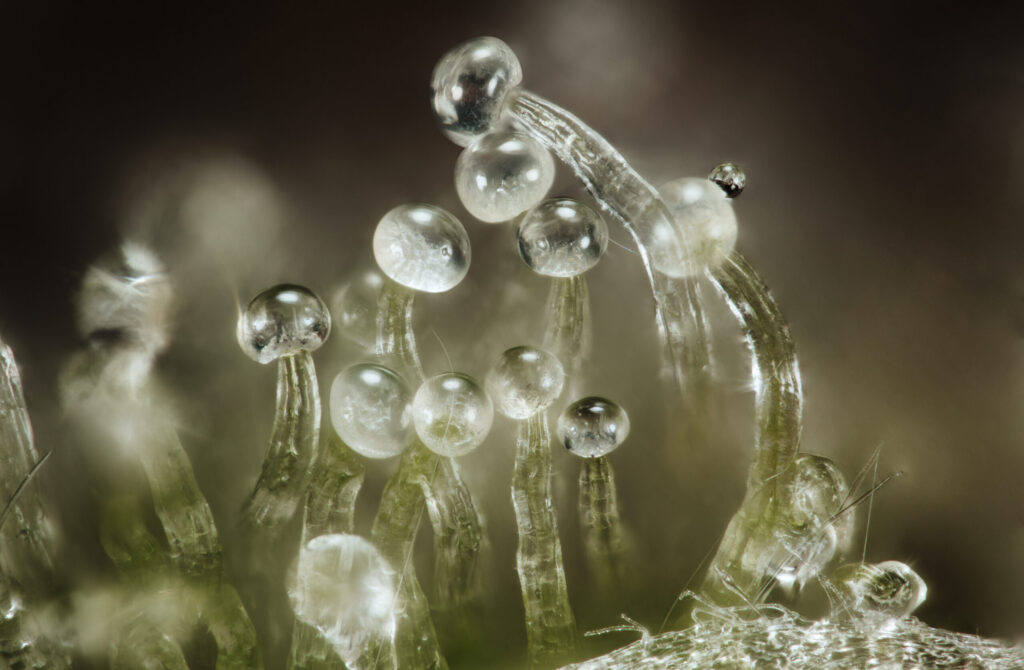
Put all of that together, and THC percentage starts to look less like a guarantee and more like a snapshot. Freshness, aroma, trichome integrity, and terpene data often tell you more about quality than a single potency figure ever will.
What actually shapes cannabis flower quality and effects
 Photo by: Gina Coleman/Weedmaps
Image lightbox

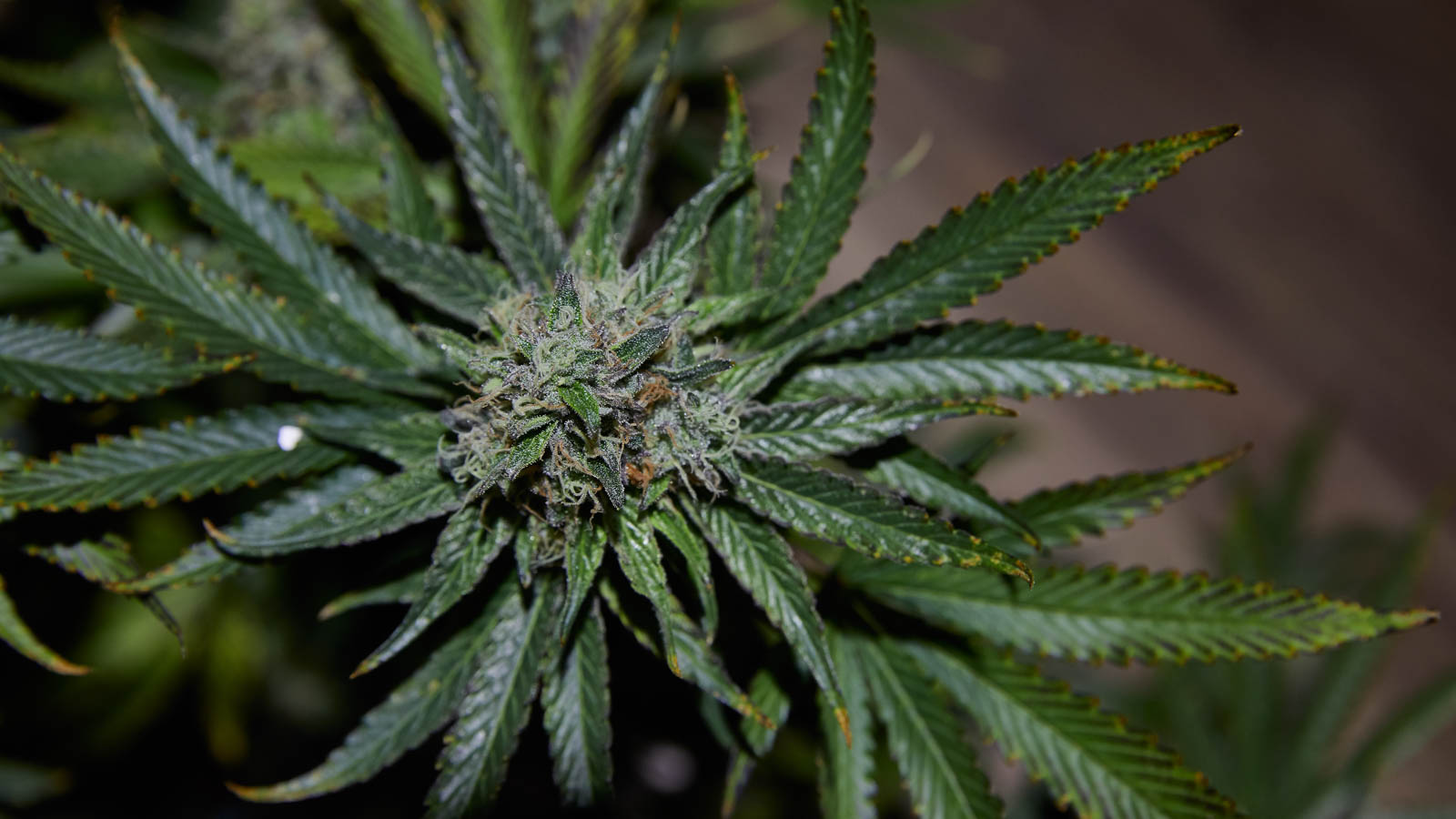
Good flower shows up in the details: It shows up in how it smells when you crack the seal. It shows up in how intact the trichomes look. It shows up in whether the cure feels intentional instead of rushed.
Terpene profiles influence the experience
Terpenes drive aroma and are commonly associated with certain perceived effect patterns. These associations reflect consumer-reported trends, not clinical claims:
- Myrcene (earthy, herbal) — commonly linked to heavier, more relaxing experiences
- Limonene (citrus) — often described as brighter or more uplifting
- Pinene (pine) — frequently associated with clarity and alertness
- Caryophyllene (pepper, spice) — interacts with CB2 receptors
As a general industry benchmark, flower testing above 2% total terpenes is often considered well-preserved. A Certificate of Analysis (COA) from reputable retailers provides this data — if you're willing to look beyond the THC line.
Cultivation practices matter
Quality doesn't happen by accident.
Indicators of careful cultivation include:
- Hand-trimmed flower, which preserves trichomes better than aggressive machine processing
- Small-batch production, allowing tighter oversight
- Extended curing periods, often four weeks or more
- Controlled environment growing, where consistency is deliberate
Shopping for cannabis quality over THC percentage
Treat THC like one stat on a much larger player card.
- User reviews can reveal consistent experience patterns across batches. Look for detailed descriptions — not just “strongest ever.”
- Terpene profiles provide context. Many consumers find that moderate-THC flower with strong terpene expression feels more layered and complete than higher-THC options that lack aromatic depth.
- Freshness might matter more than either. Packaging dates within a few months, proper airtight storage, and visible trichome preservation are often better predictors of quality than the highest number on the menu.
Bottom line

High-THC flower doesn't automatically earn premium status. Quality is shaped by terpene preservation, cultivation discipline, testing transparency, and freshness — not just how big the number looks on a sticker.
The best flower isn't always the loudest on paper. It's the one that was grown, handled, and preserved with intention.
Order flower and other cannabis products for pickup or delivery from a dispensary near you.