THCA diamonds are crystalline cannabis concentrates containing exceptionally high levels of tetrahydrocannabinolic acid. When dabbed, vaped, or smoked, heat converts the THCA into intoxicating THC.
 Photo by: Gina Coleman/Weedmaps
Image lightbox

THCA diamonds are crystalline formations made from nearly pure tetrahydrocannabinolic acid (THCA), the naturally occurring cannabinoid found in raw cannabis plants. These crystals can reach purity levels of up to 99% THCA, making them one of the highest-potency cannabis concentrates on the market today.
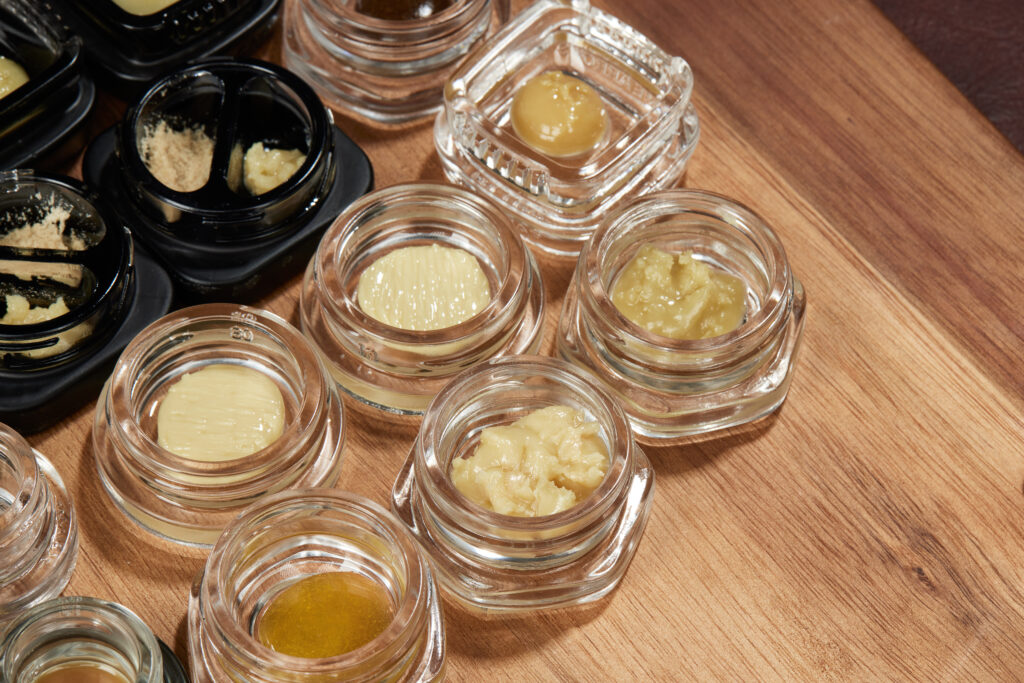
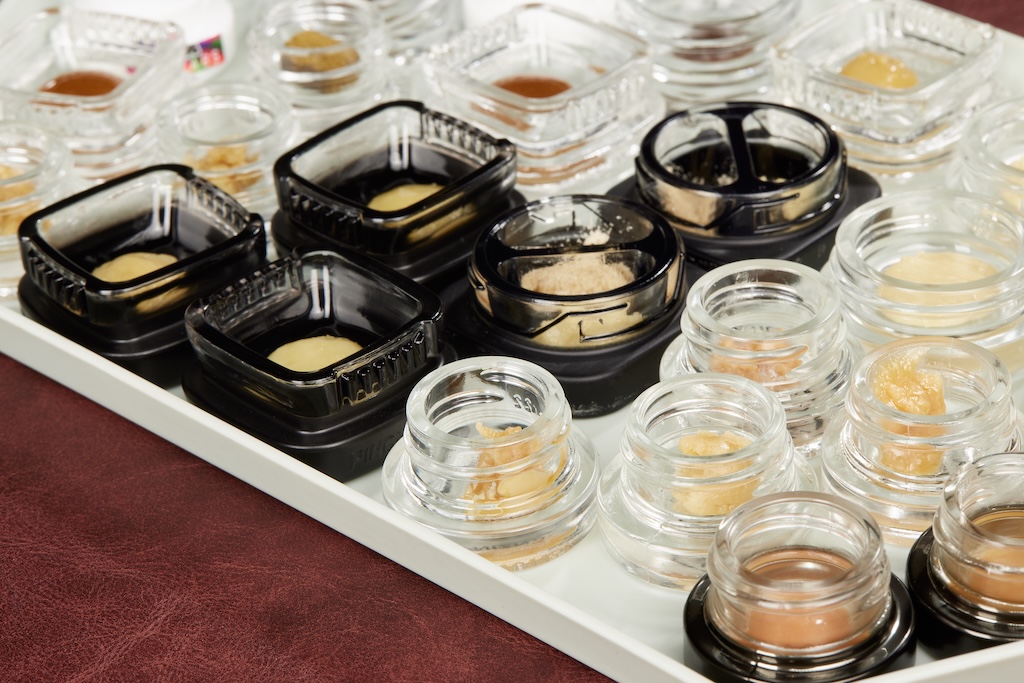
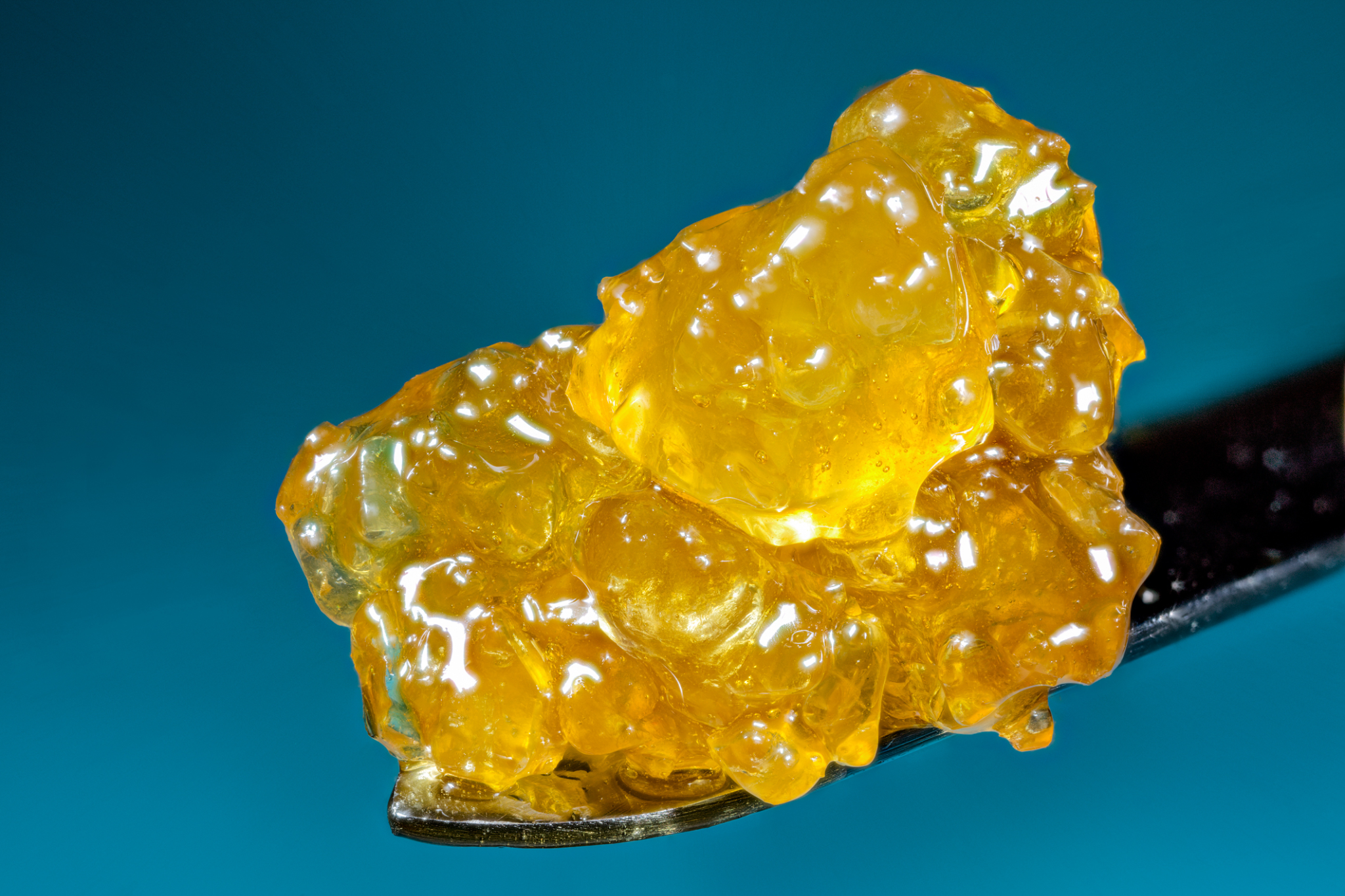
Unlike traditional cannabis flower or many other concentrates, THCA diamonds are intentionally refined to isolate THCA into solid crystal structures. They resemble small gemstones, coarse salt crystals, or shards of glass. Depending on the extraction and purification process, diamonds may appear clear, white, or slightly golden.
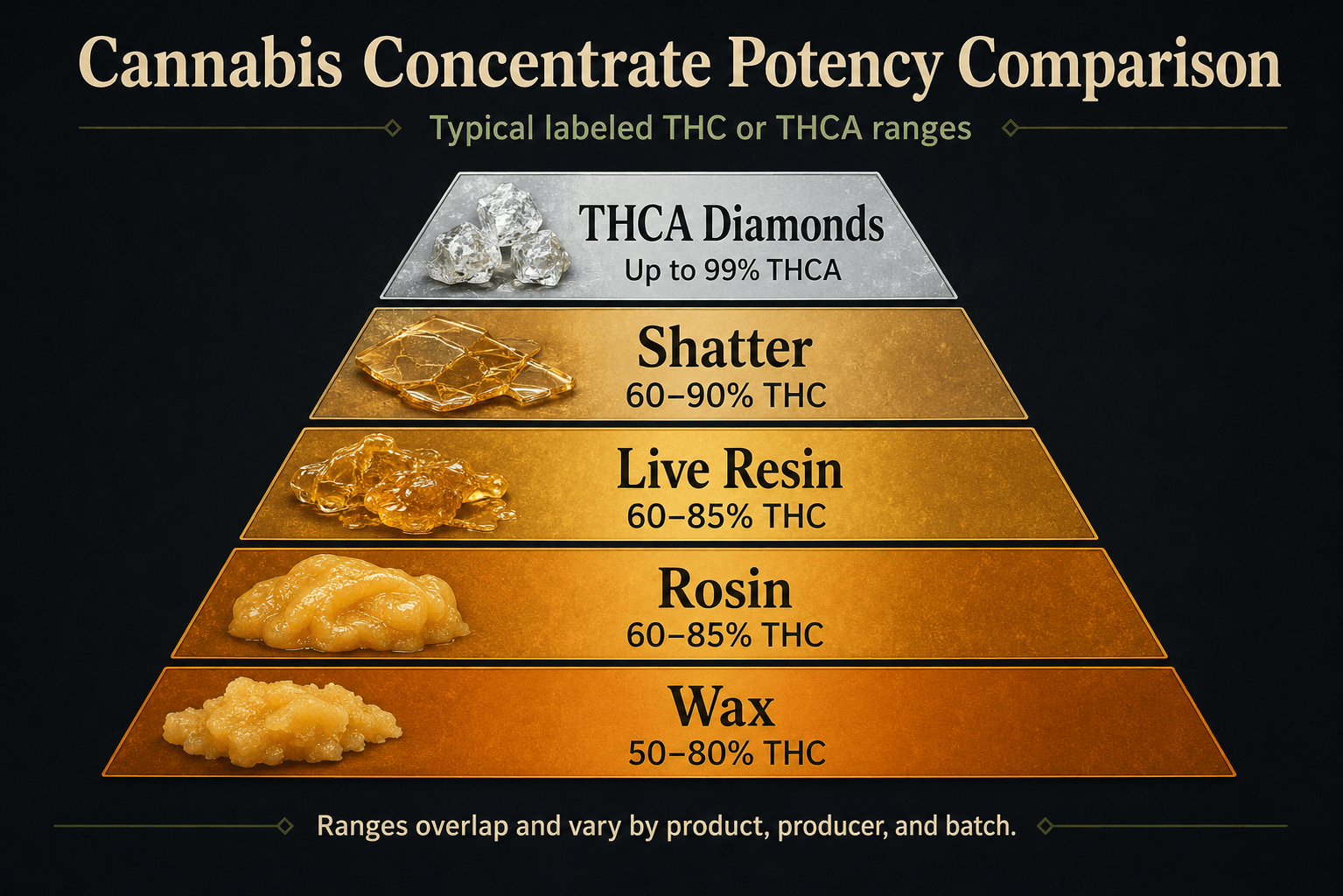
Image lightbox

THCA itself is different from THC. While THC is the cannabinoid responsible for cannabis's intoxicating effects, THCA is the non-intoxicating precursor cannabinoid found in raw cannabis. It becomes THC through decarboxylation, a process accelerated by heat that can also occur gradually during storage.
THCA is typically the predominant cannabinoid in raw, THC-dominant cannabis. That's why high-THC cannabis flower starts out rich in THCA before drying, curing, and eventually being heated.
Researchers are also studying THCA for properties beyond its role as a THC precursor. Preclinical research suggests THCA may have anti-inflammatory potential and may possess neuroprotective properties. However, research remains in the early stages, and these findings have not been confirmed through large-scale human clinical trials.
For consumers seeking maximum cannabinoid potency, THCA diamonds have become one of the most sought-after concentrate formats available.
THCA vs. THC: what's the difference?

Image lightbox

One of the biggest misconceptions about THCA diamonds is that they're already THC.
THCA (tetrahydrocannabinolic acid) and THC (tetrahydrocannabinol) are closely related cannabinoids, but they behave very differently inside the body. In its raw form, THCA is considered non-intoxicating because it doesn't effectively bind to CB1 receptors in the brain the way THC does.
That's where decarboxylation comes in.
When THCA is exposed to heat, it loses a carboxyl group (COOH) and converts into delta-9 THC. This transformation is what activates the cannabinoid's psychoactive effects. Whether you're dabbing diamonds, vaporizing them, or adding them to cannabis flower before smoking, heat is what turns THCA into THC.
Decarboxylation is a time-and-temperature-dependent process rather than a reaction that begins at one precise temperature. Higher temperatures generally accelerate the conversion of THCA into THC. Combustion and dabbing expose THCA to enough heat for conversion to occur rapidly, although the amount of THC ultimately inhaled varies considerably by method, device, temperature, and technique.
Because THCA is non-intoxicating in its raw, acidic form, eating raw THCA diamonds won't produce intoxicating effects. Unlike inhaling or dabbing diamonds, which heats the concentrate and converts THCA into THC, consuming raw diamonds leaves the THCA unchanged. The diamonds would need to be decarboxylated through heat before being added to food or another edible product to produce intoxicating effects.
For a deeper dive into the science on this concentrate format, check out our guide on how THCA converts to THC.
How are THCA diamonds made?

Image lightbox

THCA diamonds don't occur naturally in cannabis flower. They're created through a highly controlled extraction and crystallization process designed to isolate THCA from the rest of the plant's compounds.
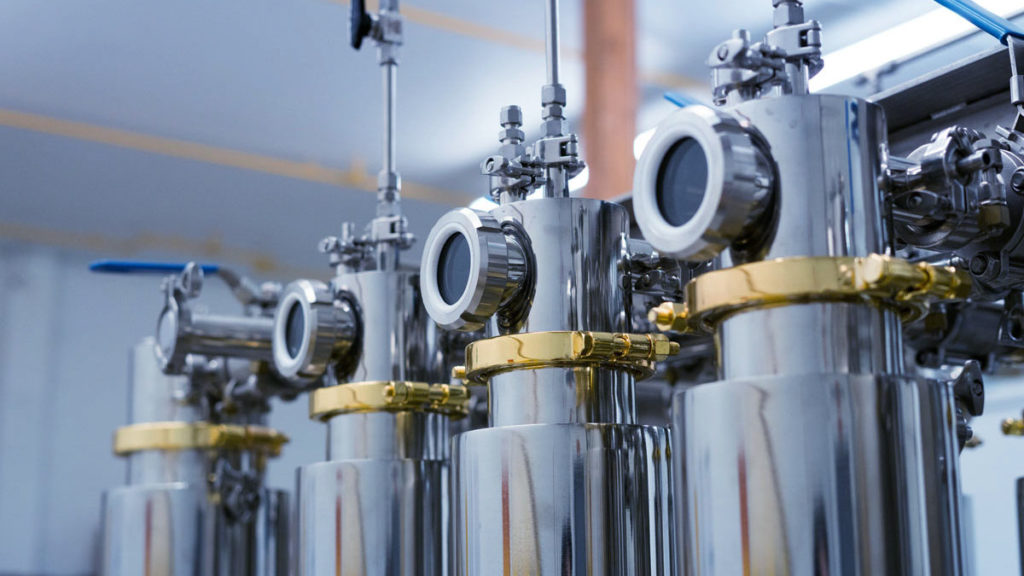
Commercial producers often begin with closed-loop hydrocarbon extraction systems, which use solvents such as butane, propane, or a blend of both to separate cannabinoids and terpenes from cannabis plant material.
One of the most common production methods is BHO (butane hash oil) extraction, which creates a cannabinoid-rich extract that can later be refined into diamonds.
After extraction, producers create a supersaturated solution that allows THCA molecules to slowly separate from the terpene-rich liquid and form crystals over time. This crystallization process is commonly referred to as diamond mining or jar tech.
Industry sources generally describe three primary production methods:
- Jar tech: Cannabis extract is sealed in a jar under controlled conditions and allowed to crystallize gradually.
- Diamond miner systems: Pressure-rated vessels provide producers with greater control over pressure, temperature, and crystal growth.
- Crash crystallization: Carefully controlled changes in temperature, pressure, or solvent concentration accelerate the separation and crystallization of THCA.
As crystals grow, they separate from the terpene-rich liquid layer called sauce or high-terpene extract (HTE). Some products are sold as pure diamonds, while others combine diamonds and sauce to create a more flavorful, full-spectrum experience.
Because hydrocarbon extraction involves highly flammable solvents and specialized pressure equipment, THCA diamond production should only be performed in licensed facilities using professional-grade closed-loop systems. Attempting to make diamonds at home can create serious fire and explosion risks.
How do you use THCA diamonds?

Image lightbox

Because THCA diamonds are highly concentrated, they're consumed differently than traditional cannabis flower.
The most common method is dabbing, which involves vaporizing a small amount of concentrate on a heated surface and inhaling the resulting vapor. Consumer and industry guidance commonly favors lower dabbing temperatures to preserve flavor and reduce harshness, while higher temperatures tend to produce larger vapor clouds at the expense of flavor. Actual surface temperatures can vary considerably by device.
Other common ways people use THCA diamonds include:
- Adding them to flower in a bowl or bong
- Sprinkling them into joints or pre-rolls
- Vaporizing them with compatible concentrate devices
- Decarboxylating them for homemade edibles
Because diamonds can contain very high concentrations of THCA, even a small amount may deliver a substantial dose once heated. Visual comparisons such as “a grain of rice” are unreliable because crystal size, shape, density, and potency vary. When possible, consumers should measure the amount rather than estimate it by appearance. Research-based dosing guidance for THCA diamonds specifically remains limited, but the general cannabis principle still applies: start with the smallest practical amount and wait to assess its effects before consuming more.
What do THCA diamonds feel like?
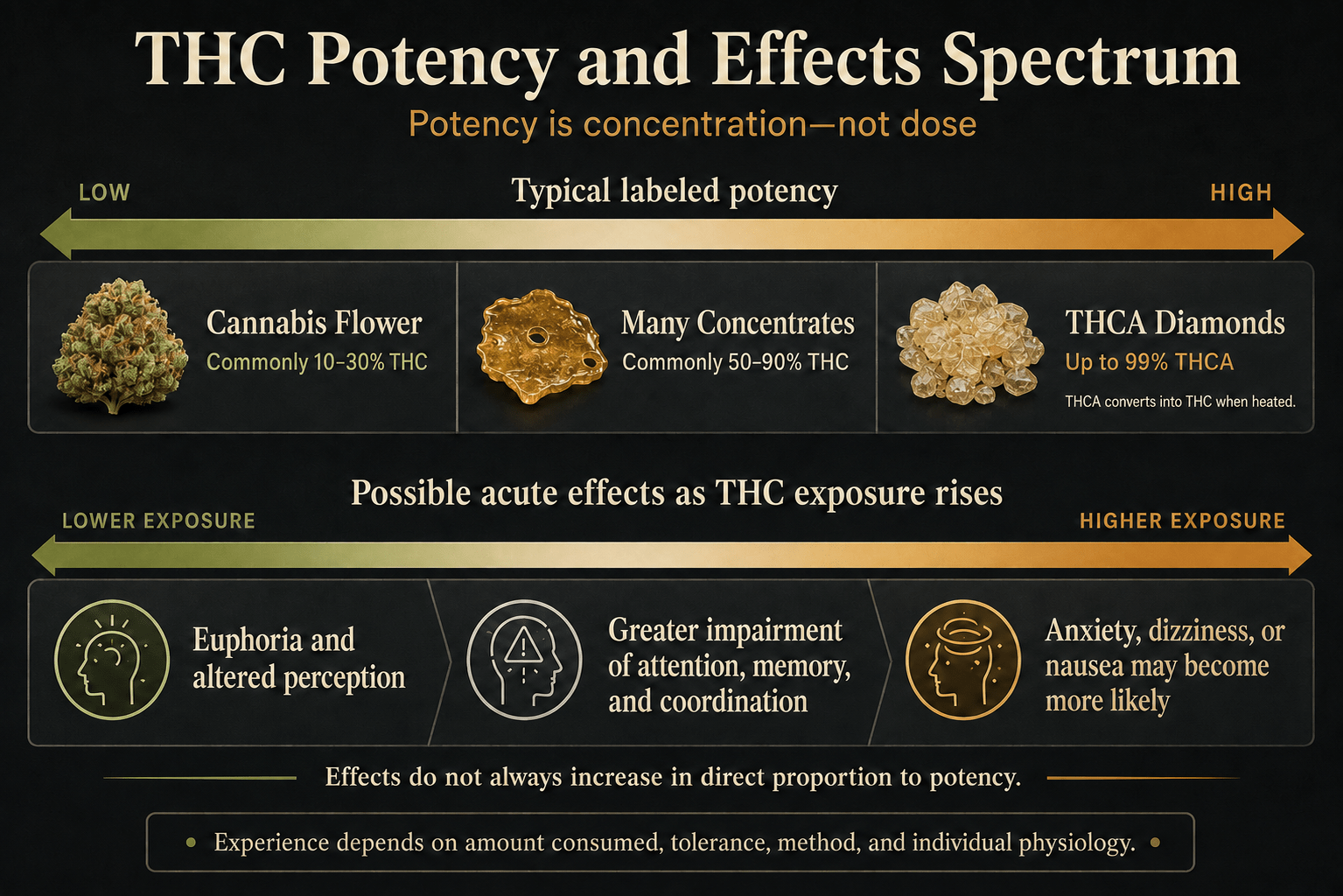
Image lightbox

THCA diamonds have earned a reputation for one simple reason: potency.
Because diamonds can contain up to 99% THCA before decarboxylation, the resulting THC levels are significantly higher than what's found in cannabis flower. Once heated, THCA converts into THC, producing the intoxicating effects consumers associate with cannabis.
Many consumers report experiencing:
- Rapid onset of effects
- Strong euphoria
- Elevated mood
- Intense cerebral effects
- Heightened sensory perception
- Deep physical relaxation
- Long-lasting potency compared to flower
The exact experience depends on dosage, tolerance, consumption method, individual physiology, and whether the diamonds are consumed alone or with terpene-rich sauce. These effects are not unique to diamonds, and a product's THCA percentage alone cannot predict how a particular person will respond.
A University of Colorado Boulder study found that concentrate users reached substantially higher blood THC levels than flower users but reported similar levels of subjective intoxication. However, the participants were regular cannabis consumers, so the results should not be interpreted as evidence that inexperienced consumers will find high-potency concentrates no more intense than flower.
The findings suggest that higher THC exposure does not always produce a proportional increase in perceived intoxication among experienced consumers. THCA diamonds can nevertheless produce intense and potentially uncomfortable effects, particularly for people with limited tolerance.
THCA diamonds vs. other cannabis concentrates
With so many cannabis concentrates available today, it's natural to wonder where THCA diamonds fit into the picture.
The biggest differentiator is purity.
While most concentrates contain a mixture of cannabinoids, terpenes, lipids, and other plant compounds, THCA diamonds are intentionally refined to isolate THCA into crystal form.
| Concentrate | THC/THCA Content | Texture | Key Characteristic |
| THCA Diamonds | Up to 99% THCA | Crystalline | Among the highest THCA concentrations |
| Live Resin | 60–85% THC | Saucy, sticky | High terpene content |
| Wax | 50–80% THC | Soft, waxy | Easy to handle |
| Shatter | 60–90% THC | Brittle glass-like sheet | Stable texture |
| Rosin | 60–85% THC | Sap-like | Solventless extraction |
THCA diamonds prioritize cannabinoid concentration and crystalline separation. Live resin emphasizes the preservation of volatile compounds from fresh-frozen cannabis, while rosin appeals to consumers looking for a concentrate produced without hydrocarbon solvents. Wax and shatter are differentiated primarily by their processing and resulting textures.
Many dispensaries also sell diamonds and sauce, which combines THCA crystals with terpene-rich extract. The composition, aroma, flavor, and potency of these products vary by producer and batch.
For consumers choosing between concentrates, the decision comes down to priorities:
- High THCA concentration → THCA diamonds
- Fresh-frozen extraction and terpene-rich formulations → live resin
- Production without hydrocarbon solvents → rosin
- Crystalline THCA combined with terpene-rich extract → diamonds and sauce
How to tell if THCA diamonds are high quality

Image lightbox

Not all THCA diamonds are created equal.
Learning how to evaluate quality can help consumers avoid poorly processed products and make more informed purchasing decisions.
Appearance
THCA diamonds commonly appear:
- Clear or translucent
- Bright white or lightly golden
- Well-formed and crystalline
- Free of excessive cloudiness
While slight color variation is normal, heavily discolored crystals can result from oxidation, remaining compounds, processing differences, or storage conditions, but color alone cannot establish purity or safety.
Aroma
Pure THCA diamonds contain very few terpenes and may have little aroma on their own. Diamonds sold with sauce should have a clean, strain-specific smell.
Consumers report avoiding products that smell:
- Musty
- Chemical-like
- Excessively solvent-forward
Texture
THCA diamonds are generally solid and crystalline, although texture can vary when they are sold with terpene sauce.
Lab testing
Perhaps the most important indicator of quality is a certificate of analysis (COA) from an accredited laboratory.
Lab reports can verify:
- THCA potency
- Total cannabinoid content
- Residual solvent testing
- Pesticide screening
- Heavy metal testing
- Microbial safety results
Because many THCA diamonds are produced through solvent-based extraction methods, third-party testing plays an especially important role in confirming product quality and consumer safety.
When shopping, purchasing from licensed dispensaries and reviewing available lab results remains one of the most reliable ways to evaluate concentrate quality.
Are THCA diamonds legal?

Image lightbox

The legality of THCA diamonds can be surprisingly complicated.
At the federal level, legal questions center on whether a product is derived from hemp or marijuana, as well as how regulators interpret THCA content versus total potential THC after decarboxylation.
Under the 2018 Farm Bill, hemp was defined as cannabis containing no more than 0.3% delta-9 THC by dry weight. Some manufacturers have used this distinction to market hemp-derived THCA products that remain below the delta-9 THC threshold before heating.
Congress amended the federal hemp definition in November 2025. Effective November 12, 2026, the amended definition is scheduled to apply a 0.3% total-THC limit that expressly includes THCA and additional restrictions on finished hemp-derived cannabinoid products. Unless the law changes before then, most intoxicating products currently marketed as hemp-derived THCA will no longer qualify as federally lawful hemp under the amended definition.
However, several states have moved to restrict or prohibit intoxicating hemp-derived cannabinoids, and legal interpretations continue to evolve. Regulatory agencies have also increasingly focused on total THC calculations, which account for the THC that could be produced after decarboxylation.
Because laws vary significantly by state and can change quickly, consumers should always verify local regulations before purchasing or possessing THCA diamonds.
If you're shopping through a licensed cannabis market, products sold in regulated dispensaries must comply with state-specific cannabis laws and testing requirements.
The bottom line: legal status depends on where you live and how the product is classified.
How should you store THCA diamonds?
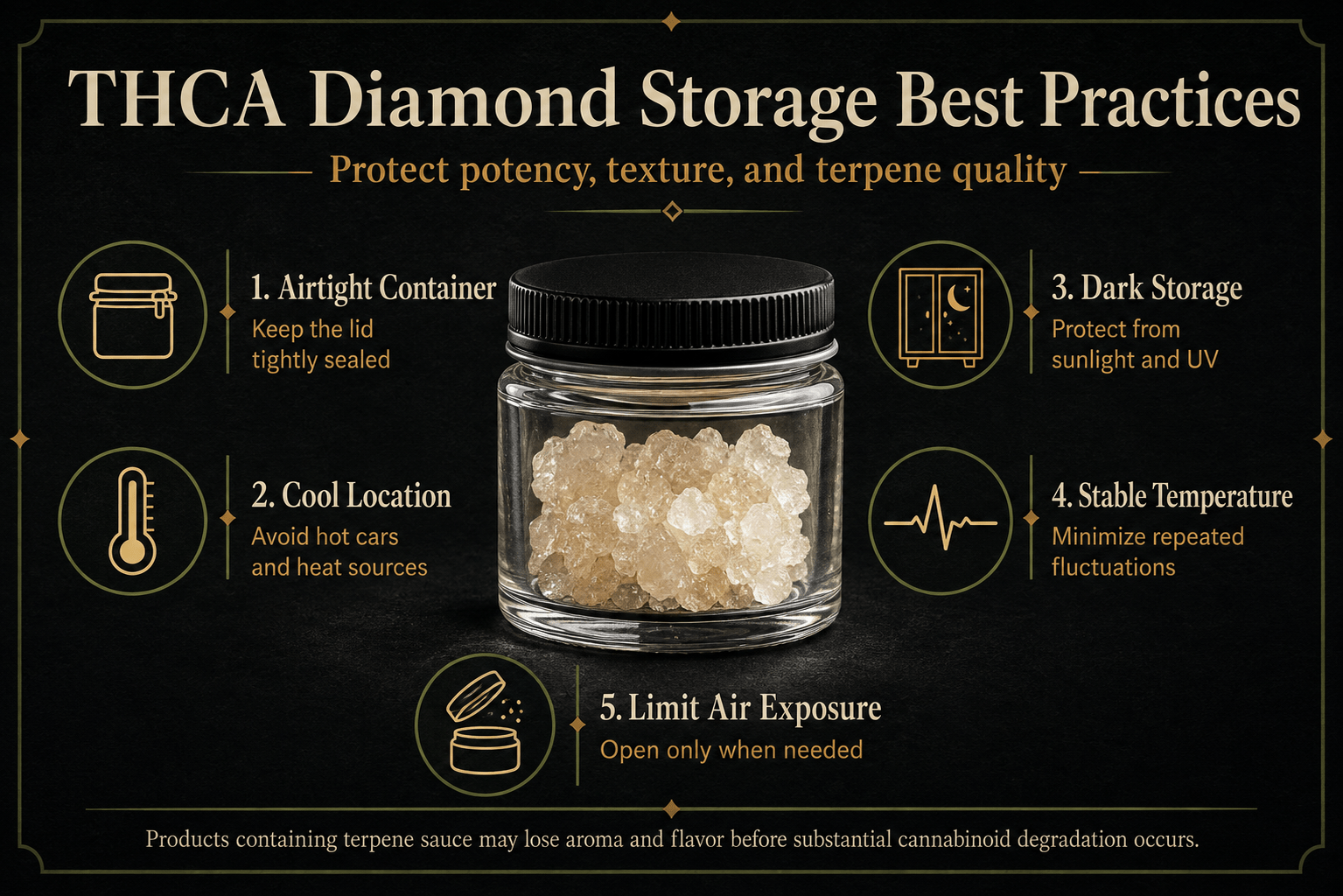
Image lightbox

Proper storage helps preserve potency, appearance, and overall product quality.
While THCA is relatively stable under appropriate conditions, exposure to heat, light, oxygen, and moisture can gradually accelerate degradation.
For best results:
- Store diamonds in an airtight container
- Keep them in a cool, dark place
- Avoid prolonged exposure to sunlight
- Minimize temperature fluctuations
- Keep containers tightly sealed when not in use
Glass concentrate jars are generally preferred because they're non-reactive and help maintain product integrity over time.
Consumers storing diamonds with terpene sauce may notice flavor changes before significant cannabinoid degradation occurs. That's because terpenes are more volatile than cannabinoids and degrade faster under unfavorable storage conditions.
Avoid leaving concentrates in hot cars, direct sunlight, or near heat-producing electronics. Excessive temperatures can alter texture, accelerate terpene loss, and reduce overall quality.
When stored properly, THCA diamonds can maintain their quality for extended periods, although flavor-rich products such as diamonds and sauce are best enjoyed sooner rather than later.
Frequently asked questions about THCA diamonds
Do THCA diamonds get you high?
Not by themselves. THCA is non-intoxicating in its raw form. However, when THCA diamonds are heated through dabbing, vaping, or smoking, THCA converts into THC, which produces intoxicating effects.
How strong are THCA diamonds?
THCA diamonds can reach purity levels of up to 99% THCA, making them among the most potent cannabis concentrates available. Once heated, they can deliver substantially higher cannabinoid concentrations than traditional flower.
What's the difference between THCA diamonds and live resin?
THCA diamonds focus on cannabinoid purity, while live resin prioritizes terpene preservation and flavor. Many products combine the two into diamonds and sauce, offering both potency and aroma.
Can you eat THCA diamonds?
You can, but raw THCA diamonds generally won't produce intoxicating effects because THCA has not been converted into THC. Decarboxylation is required before meaningful psychoactive effects occur.
Are THCA diamonds stronger than dabs?
THCA diamonds are a type of dab concentrate. Compared with many other concentrates, they contain higher cannabinoid purity levels, which is why they're considered one of the strongest concentrate formats available.
How much THCA diamond should a beginner use?
Because of their potency, beginners should start with the smallest amount they can reasonably measure and wait to assess the effects before consuming more. Individual tolerance, experience, and consumption method can all influence the experience.
Do THCA diamonds expire?
When stored properly in a cool, dark environment, THCA diamonds can remain stable for extended periods. However, products containing terpene sauce may experience flavor degradation before significant cannabinoid loss occurs.
Are THCA diamonds the same as THC crystals?
Not exactly. THCA diamonds are composed primarily of THCA. They become THC through decarboxylation, a process accelerated by heat that can also occur gradually over time.
Bottom line
THCA diamonds represent one of the purest and most potent cannabis concentrate formats available today. By isolating THCA into crystalline form, producers can create products that approach 99% cannabinoid purity while offering consumers a highly concentrated experience.
Whether you're interested in their potency, curious about how they're made, or comparing them with other concentrates, understanding how THCA diamonds work can help you make more informed decisions. And if you're exploring concentrates for the first time, remember that products this potent are best approached with a low dose and plenty of patience.
Ready to explore concentrates near you? Find licensed dispensaries and browse available products on Weedmaps.
Medical disclaimer: This page is for informational purposes only and not intended as medical advice. Please consult your physician before changing any medical treatment.