 Photo by: Gina Coleman/Weedmaps
Image lightbox

Infused cannabis flower is made by applying concentrates like distillate, live resin, or kief to cured buds or ground flower. The method used, coating, mixing, or spraying, affects potency consistency, burn quality, and overall experience.

Image lightbox

Infused flower looks simple: regular buds, but stronger.
In reality, how the concentrate is applied, and what type is used, determines whether the final product burns evenly, tests accurately, and delivers a consistent experience.
Not all infused flower is made the same way. And not all of it is made well.
Here's what's actually happening behind the scenes.
What “infused flower” actually means
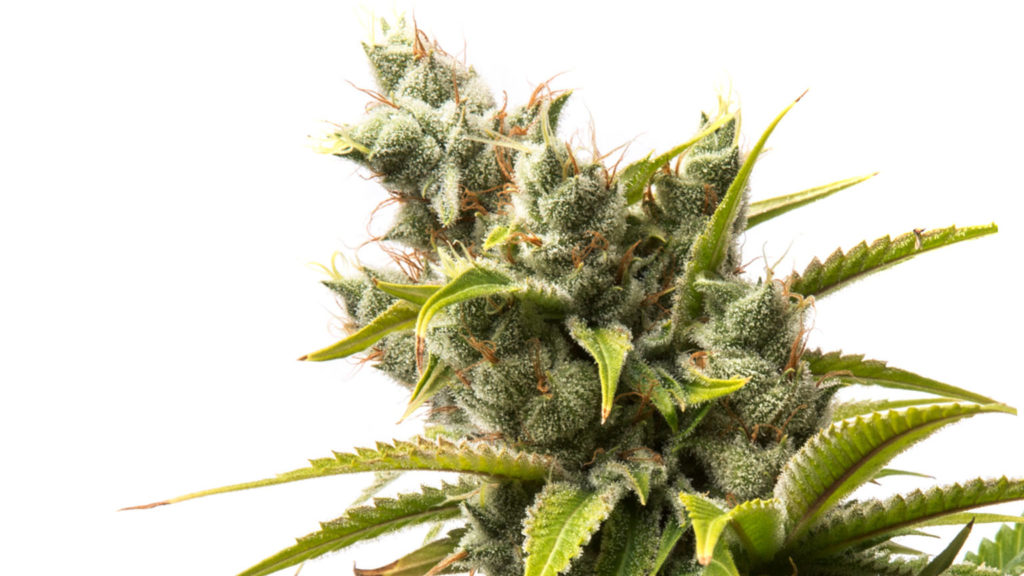
Infused flower is cured cannabis that has been enhanced with additional cannabinoids using concentrates.
That concentrate can be:
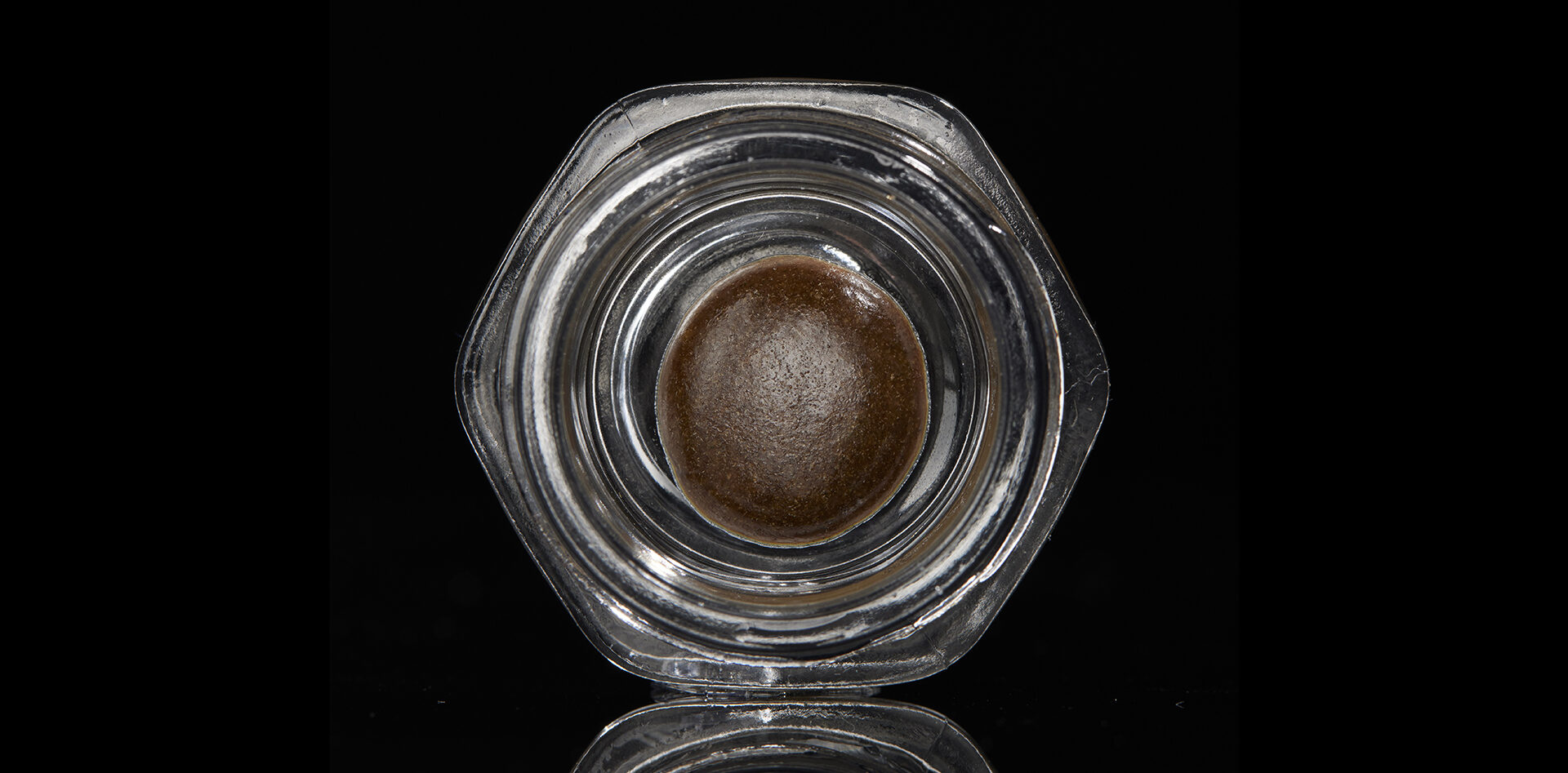
- Distillate (high-potency, low-terpene oil)
- Live resin (solvent extract made from fresh frozen cannabis)
- Live rosin (solventless concentrate pressed from ice water hash)
- Kief or dry sift (loose trichomes)
The goal is simple: increase total cannabinoid content and alter the experience.
But the way the concentrate is applied matters more than most people realize.
The three primary infusion methods

Image lightbox

There are three main ways producers apply concentrates to flower. Each creates a different consistency profile.
1. External coating (surface application)
This is the most visually recognizable method.
A layer of oil, often distillate because it's stable and high in THC, is applied to the outside of whole buds or pre-rolls. Kief may be added on top to create that frosted look.
Why this method is common:
- It's visually dramatic
- It requires minimal specialized equipment
- It increases lab-tested potency quickly
The tradeoff is distribution.
Because the concentrate sits on the surface, the first portion burned may deliver a heavier cannabinoid load than the middle or end. Potency can feel front-loaded rather than evenly sustained.
It looks premium, but doesn't always burn evenly.
2. Internal mixing (ground flower infusion)
In this method, concentrate is blended directly into ground flower before rolling or packaging.
This produces a more uniform cannabinoid distribution because the oil is dispersed throughout the material rather than sitting on the exterior.
When done properly, this method:
- Improves potency consistency from first draw to last
- Reduces “hot spots”
- Supports more stable lab testing results
The challenge is achieving true homogeneity. Concentrates are sticky. Without proper mixing systems, oil can clump instead of dispersing.
When you see infused pre-rolls that burn evenly with consistent potency, internal mixing was likely involved.
3. Spray or atomized application
Spray systems atomize concentrate into a fine mist applied to tumbling flower.
This balances scalability with improved distribution. It's common in mid- to large-scale production.
The technical risk lies in temperature.
Atomizing oil often requires slight heating to reduce viscosity. Excess heat can:
- Volatilize terpenes
- Shift aroma profile
- Reduce flavor complexity
If spray temperatures climb too high, terpene degradation begins before the product ever reaches the shelf.
Done correctly, spray application produces uniform coverage without heavy clumping.
Done poorly, it sacrifices flavor for throughput.
Why distillate dominates infused flower
Even though some consumers associate live resin or live rosin with higher quality, distillate is still the most common infusion oil.
Why?
Because it's:
- Highly potent (often 80–95%+ THC)
- Viscous and stable
- Neutral in flavor
- Cost-efficient at scale
Distillate's lower terpene content actually makes it easier to work with. It doesn't overpower the base flower's aroma.
Live resin or live rosin infusion tends to be more expensive and more terpene-sensitive during application.
Higher-end infused products sometimes advertise specific concentrate types. But most mass-market infused flower relies on distillate for stability and cost control.
The role of kief in infused flower
Kief, loose trichomes sifted from flower, is often added after oil application.
It serves two purposes:
- Increases cannabinoid content further
- Creates visual appeal
Because kief is dry and granular, it adheres easily to oil-coated surfaces.
However, kief does not automatically mean higher quality.
There's a difference between:
- Grinder-collected kief (lower grade, more plant material)
- High-grade dry sift (cleaner trichome separation)
Quality depends on input material, not just the word “kief” on the label.
What affects potency consistency
Two infused pre-rolls can test at the same total THC percentage but perform differently in practice.
Why?
Because consistency depends on:
- Distribution method
- Base flower moisture level
- Oil viscosity during application
- Mixing time and technique
- Batch homogenization before lab sampling
If concentrate pools in certain areas, lab testing may not reflect real-world burn behavior.
Uniform dispersion is the difference between reliable and unpredictable experiences.
How base flower quality changes everything
Infusion doesn't fix poor flower.
If the base material is:
- Overly dry
- Poorly cured
- Low in terpene expression
Adding concentrate increases potency, but doesn't restore aroma or smoothness.
Moisture content also matters. Flower that's too dry won't bind oil properly. Too moist, and oil won't adhere evenly.
High-quality infused products start with high-quality cured flower.
Concentrate enhances. It doesn't rescue.
Burn behavior: what to look for
Consumers can often spot infusion quality by how a product burns.
Signs of uneven application:
- Canoeing or side burning
- Oil bubbling excessively
- Harsh first few pulls, then rapid drop-off
- Dense residue buildup
Even burn, steady smoke production, and consistent flavor suggest proper dispersion.
Infusion should feel integrated, not layered.
Is infused flower stronger?
Yes, but “stronger” doesn't always mean better.
Infused flower can test significantly higher in total THC than standard flower because you're combining:
Base flower cannabinoids
- Added concentrate cannabinoids
- Sometimes kief
However, combustion efficiency still applies. Higher percentage doesn't guarantee proportional delivery.
Dose control matters more than label percentage.
Infused products are generally better suited for experienced consumers with established tolerance.
The bottom line

Image lightbox

Infused cannabis flower is made by applying cannabis concentrates like distillate, live resin, or kief to cured buds or ground material.
The application method, coating, mixing, or spraying, determines:
- Potency consistency
- Burn behavior
- Flavor preservation
- Overall quality
Visually impressive doesn't always mean technically sound.
Understanding how it's made helps you choose infused products that deliver more than just a high number on the label. Explore infused flower for pickup or delivery from a dispensary near you.